Delta 8 THC is no longer legal for retail sale in Tennessee. As of January 1, 2026, House Bill 1376 took effect, classifying Delta 8 THC as a synthetic cannabinoid and prohibiting its commercial sale statewide. If you're a Tennessee customer searching for Delta 8 gummies, vape cartridges, or tinctures, it's critical to understand the sweeping changes this law introduces - including what's still permitted, where to find compliant hemp derived cannabinoid products, and how to navigate the new regulatory landscape.
Below, we break down everything you need to know before attempting to purchase Delta 8 in TN.
Hemp Derived Cannabinoid Products: What Was Available
Before the law changed, Delta 8 products were widely sold across Tennessee at convenience stores, grocery stores, hemp dispensaries, and online retailers. The product range included options for every wellness need and experience level.
Popular Delta 8 Formats
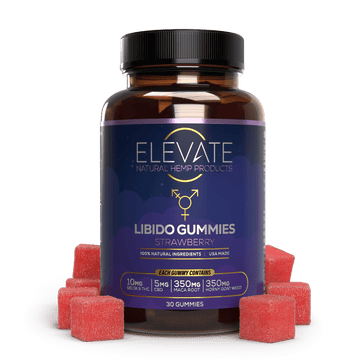
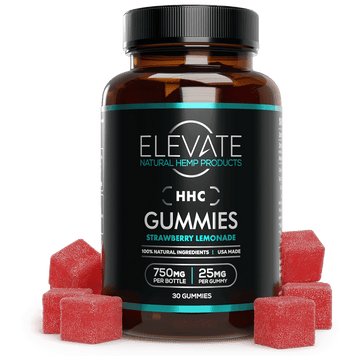
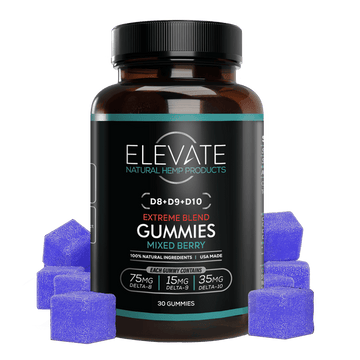
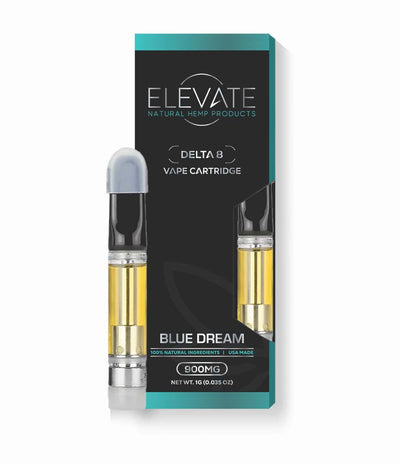
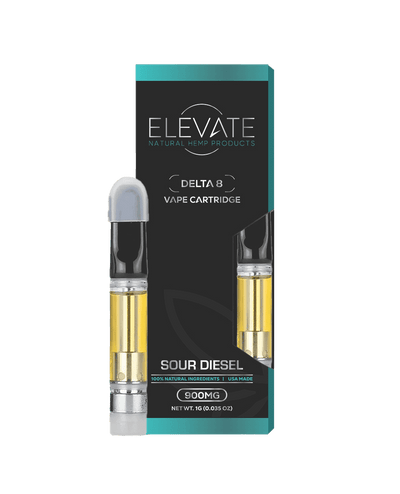
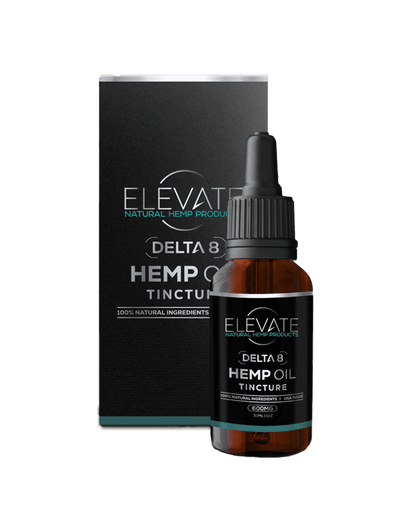
Delta 8 products include gummies, oils, and vape cartridges - each offering distinct onset times and durations. Delta 8 gummies typically contain 25mg or 50mg per piece, making them a delicious and convenient option for controlled dosing, with effects usually felt in about one hour. Delta 8 oils usually contain 600mg per bottle, allowing for custom serving sizes via sublingual application. Delta 8 vape cartridges contain 500mg of Delta 8 THC, delivering fast-acting effects within minutes.
All Delta 8 products are derived from hemp and contain less than 0.3% Delta-9 THC on a dry weight basis, which initially made them legal under federal law by distinguishing hemp from marijuana under federal cannabis rules. The 2018 Farm Bill initially legalized Delta-8 THC in Tennessee before subsequent changes restricted the market.
Wellness & Relaxation Uses
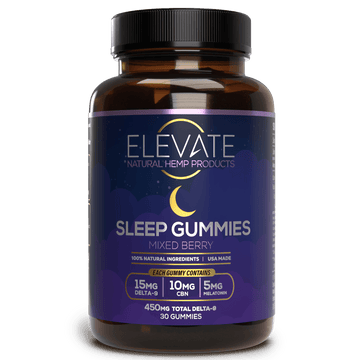
Many adults turned to Delta 8 for stress management, sleep support, and post-workout recovery. Low-dose options - including CBD-Delta 8 blends - offered balanced effects without overwhelming euphoria, while higher-potency gummy options served experienced users seeking deeper relaxation. Nighttime formulations with calming terpenes were intended for those addressing sleep as a primary concern.
Tennessee's Legal Landscape: Sweeping Changes in 2026
The legal status of Delta 8 in Tennessee has undergone a dramatic transition. Understanding what happened - and what the law now says - is essential for any user or retailer.
House Bill 1376 and the New Definition
House Bill 1376 (Public Chapter 526 of 2025) brought sweeping changes to how Tennessee regulates hemp derived cannabinoid products. The law's new definition of legal hemp products uses a total THC standard rather than measuring only Delta-9 THC. Products must test at or under 0.3% total THC on a dry weight basis to remain permitted. Since most Delta 8 offerings exceed this threshold, they are effectively prohibited.
The law also classifies Delta 8 as a synthetic cannabinoid - a designation that places it alongside other controlled substances under Tennessee's regulatory framework, while federal treatment also reflects the controlled substances act, with hemp and marijuana treated differently under the 2018 Farm Bill framework. Many Delta-8 products previously sold are no longer legal under Tennessee's updated laws.
Regulatory Authority Shift
Oversight of hemp derived cannabinoid products moved from the Tennessee Department of Agriculture to the Tennessee Alcoholic Beverage Commission (TABC). This shift introduces stricter licensing requirements for retailers and manufacturers. Tennessee requires licensed suppliers for legal hemp-derived cannabinoid products, and any establishment selling compliant items must hold a valid TABC license. The authority to regulate, inspect, and enforce now rests squarely with TABC.
What About Existing Inventory?
Some retailers may still sell Delta 8 until June 30, 2026, under previously issued Tennessee Department of Agriculture permits. However, no new stock is legally allowed to be brought in. After that date, any remaining Delta 8 inventory becomes fully restricted across all retail channels.
Age Requirements and Purchase Rules
Consumer safety and age verification are mandated by Tennessee law for hemp-derived products. The rules are strict and carry real penalties.
Minimum Age and ID Verification
The minimum age to purchase Delta 8 in Tennessee is 21 years. A government-issued photo ID is required for purchase - no exceptions. Selling any hemp derived cannabinoid product to someone under 21 constitutes a Class A misdemeanor, carrying up to 11 months and 29 days in jail and fines up to $2,500. These age restrictions apply equally across all product categories, whether gummy, tincture, or vape.
Packaging and Possession Rules
Tennessee law also addresses how products must be stored once purchased. Removing items from their original labeled packaging can attract penalties. Licensed establishments in Tennessee must provide clear labeling for hemp-derived products, and consumers should keep products in their original containers and possess the original purchase receipt when carrying them, especially near state lines.
Pregnant or nursing individuals should consult a healthcare provider before using any cannabinoid product. Anyone managing a medical condition or taking medications should also seek professional advice, as Delta 8 and other cannabinoids have not been evaluated by the FDA for therapeutic claims.
Where Delta 8 Can (and Can't) Be Purchased
Understanding the restricted and permitted sales channels is critical for staying on the right side of the law.
Online Sales Are Banned
Online sales of Delta 8 THC to Tennessee addresses are banned. Online shipping of hemp-derived cannabinoid products to Tennessee addresses is prohibited under HB 1376. Any site still offering to ship Delta 8 to a TN address is operating in violation of state law, and consumers who receive such shipments face legal risk as well. Check our dedicated page for updated product or legal information.
Brick-and-Mortar Only for Compliant Products
Legal hemp-derived consumables must be purchased at physical, state-licensed storefronts. Brick-and-mortar locations allow consumers to consult about product sourcing and manufacturing directly with knowledgeable staff. Delta 8 can be purchased at local hemp dispensaries in Tennessee only if those products fall within the compliant total THC limits - which most traditional Delta 8 products do not.
Specific low-THC items remain permitted for adult purchase in Tennessee under strict thresholds. These include CBD oils, CBG products, and broad-spectrum blends where total THC does not exceed 0.3%. Delta 8 products are available at licensed brick-and-mortar locations only if they meet these regulated standards.
Neighboring States, State Lines, and Interstate Considerations
Laws vary significantly across state lines. States like Colorado and Vermont have their own regulatory frameworks for cannabinoids, while Rhode Island and others maintain different restrictions. Carrying Delta 8 across state lines - even from a state where it's legal - into Tennessee is prohibited. The controversial nature of cannabinoid regulation means developments continue to shift rapidly across the country.
Quality Standards and Lab Testing
Even with Delta 8's restricted status, understanding quality benchmarks matters - especially for those exploring compliant alternatives.
Certificates of Analysis
Certificates of Analysis verify the purity and potency of hemp products, ensuring safety. Batch-specific COAs from ISO-17025-accredited laboratories should display the complete cannabinoid profile, including Delta 8 concentration, Delta-9 THC levels, THCA content, and total THC. They should also confirm the absence of pesticides, heavy metals, residual solvents, and microbial contaminants.
Organic Hemp and Extraction Methods
Premium hemp derived products start with organically grown U.S. hemp. CO₂ extraction methods preserve beneficial terpenes and cannabinoids while minimizing contaminant risk. A traceable supply chain from seed to shelf provides the security and transparency that informed consumers demand. Understanding different types of THC can help you evaluate what's in any given product.
Why Testing Matters More Than Ever
High-concentration THCA is heavily restricted in Tennessee as of July 1, 2026, adding another layer to the compliance picture. THCA legality in Tennessee is evolving rapidly. Without rigorous, third-party tested products, consumers risk purchasing items that exceed legal THC limits or contain undisclosed contaminants - a significant concern given limited regulatory enforcement during this transition period.
Legal Alternatives Still Available in Tennessee
The sale of Delta 8 is prohibited, but compliant hemp products remain accessible for adults 21 and older.
CBD, CBG, and Non-Intoxicating Cannabinoids
Products containing CBD, CBG, and other non-intoxicating cannabinoids are still sold at licensed retailers when total THC remains at or below 0.3%. CBD-Delta 8 blended gummies formulated to meet compliance thresholds offer a regulated alternative. Broad-spectrum blends with THC removed entirely provide another option for those seeking cannabinoid wellness without any psychoactive effect.
What to Look For
When shopping for compliant products in Tennessee, prioritize:
- TABC-licensed retailers with displayed licensing credentials
- Batch-specific COAs confirming total THC at or below 0.3%
- Clear labeling with cannabinoid concentration, ingredients, and manufacture details
- Organic hemp sourcing with transparent supply chain information
- Staff who can address your questions about product sourcing, testing, and legal compliance
Buying Delta 8 in Tennessee: The Bottom Line
Retail sale of Delta 8 THC is prohibited in Tennessee as of 2026. The January changes brought about by House Bill 1376 have fundamentally reshaped the cannabinoid market in this state - moving regulatory authority to the Tennessee Alcoholic Beverage Commission, implementing total THC standards, and banning both in-store and online Delta 8 sales for Tennessee customers.
If you're in Tennessee and seeking hemp derived wellness products, focus on compliant, lab-tested options available at licensed establishments. Discover legal hemp-derived alternatives that meet the state's strict standards, and always verify COAs, check for proper licensing, and consult with knowledgeable retailers before making any purchase.
Stay informed as federal and state developments continue to reshape cannabinoid regulation across the country.