
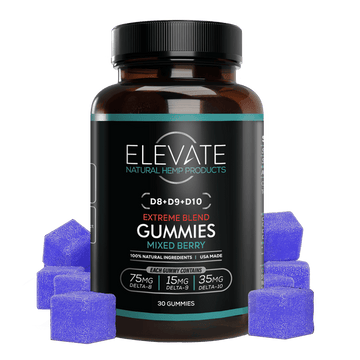
Is Delta 8 Legal in Montana? 2026 Guide

No — Montana lists all THC isomers as Schedule I, so both delta-8 and delta-9 THC are illegal under state law (the statute's plural "tetrahydrocannabinols" covers every form). Federally, hemp-derived delta-8 THC is legal under the 2018 Farm Bill when it contains no more than 0.3% delta-9 THC by dry weight.
Table of Contents
- Key Takeaways
- What Is Delta 8 THC and How Does It Differ From Delta 9?
- Federal Law: Farm Bill vs. Controlled Substances
- Is Delta 8 Legal in Montana in 2026?
- Montana State Laws That Affect Delta 8 THC
- Why Montana Bans Delta 8: Safety and Regulatory Concerns
- Legal Alternatives to Delta 8 THC in Montana
- Buying Hemp and THC Products Safely and Legally (Elevate’s Perspective)
- Future of Delta 8 and Hemp Laws in Montana
- Final Thoughts
- FAQ
- Related Articles
Key Takeaways
Delta 8 THC is illegal in Montana and is treated as a controlled substance under state law.
Montana bans the manufacture, sale, distribution, and possession of most synthetic or chemically converted delta 8, even when marketed as hemp derived.
House Bill 948 officially banned synthetic marijuana products including Delta-8 THC, while House Bill 49 caps THC at 0.5 mg per serving and limits total THC to 2 mg per package for hemp products.
Adult-use delta 9 THC marijuana is legal in Montana for adults 21+ through licensed dispensaries, but delta 8 is excluded from that system.
This article is for general informational purposes only, not legal advice; cannabis and hemp laws can change after 2026.
If you searched “is delta 8 legal in montana,” the short answer is no. Montana law now treats delta 8 thc as a prohibited synthetic cannabinoid, while still allowing regulated marijuana and certain compliant hemp products under specific regulations.
What Is Delta 8 THC and How Does It Differ From Delta 9?
Delta 8 THC is a psychoactive cannabinoid found in very small amounts in the cannabis plant and hemp plant. It is chemically similar to delta 9 thc, the main intoxicating compound in marijuana, but many users describe delta 8 as milder.
Delta 8 and delta 9 differ by the location of a double bond in the THC molecule.
That small structural difference can change how strongly THC binds to receptors in the body.
Delta 8 is often described as smoother or less intense than delta 9, though effects vary.
Most commercial derived delta 8 is not naturally extracted in meaningful amounts; it is usually converted from hemp cbd or CBD isolate.
That conversion process matters. Most hemp derived delta 8 is made from hemp derived cannabinoids through chemical isomerization, which is a major reason Montana treats it as part of the synthetic cannabinoids category. Elevate focuses on lab-tested, clearly labeled cannabinoids and does not encourage use where delta 8 products are prohibited.
Federal Law: Farm Bill vs. Controlled Substances
Federal law is complicated, but local laws decide what is legal in montana. The 2018 farm bill legalized hemp at the federal level when the plant contains no more than 0.3% delta 9 THC on a dry weight basis.
Under that federal definition, hemp products and hemp derived products such as CBD became broadly legal if they met the 0.3% delta 9 thc limit. Delta-9 THC must contain ≤0.3% THC to be legal federally in hemp. Delta-9 products must contain 0.3% THC or less by weight when they are sold as legal hemp rather than marijuana.
The farm bill did not clearly name delta 8, which led many states and sellers to argue that hemp derived delta 8 was federally legal. However, the DEA has maintained that synthetically derived tetrahydrocannabinols remain Schedule I controlled substances under the Controlled Substances Act. That ambiguity created a patchwork: many states restrict delta 8, some other states allow it, and most states continue to adjust their laws. Montana chose a strict path.
Is Delta 8 Legal in Montana in 2026?
Delta-8 THC is illegal in Montana under state law as of 2026.
Montana law categorizes all tetrahydrocannabinols including Delta-8 THC as Schedule I controlled substances, and Delta-8 THC is classified as a controlled substance in Montana. Delta-8 THC is classified as a prohibited synthetic cannabinoid under Montana law, especially when it is chemically converted from CBD.
Montana bans the sale, possession, and manufacture of most delta 8 products regardless of whether packaging says “hemp derived” or “farm bill compliant.” Montana has adult use cannabis and medical marijuana programs, but delta 8 is not permitted under either framework. Ordering delta 8 online to a Montana address or bringing Delta-8 products across state lines into Montana is illegal.
Montana State Laws That Affect Delta 8 THC
Montana’s cannabis and hemp laws overlap across hemp cultivation, adult-use marijuana, medical cannabis, agriculture rules, and controlled substances laws. The result is simple for consumers: delta 8 is not allowed on Montana shelves.
Montana defines marijuana and tetrahydrocannabinols broadly enough that most psychoactive THC isomers are controlled substances.
Montana treats chemically altered THC as synthetic marijuana, which captures most commercial delta 8 derived from CBD.
House Bill 948 prohibits the manufacture or sale of synthetic cannabinoids in Montana, and Montana officially banned the manufacturing and sale of synthetic marijuana products including Delta-8 THC.
Separate from recreational marijuana, Montana enforces hemp rules that keep intoxicating hemp delta 8 products out of hemp shops.
Penalties vary by quantity and circumstance, so consult current statutes or legal counsel for specifics.
Possessing or selling Delta-8 THC can lead to legal penalties similar to marijuana, and Delta-8 is treated the same as traditional marijuana in Montana law when it is handled outside the regulated system.
Controlled Substance Classification of Delta 8 in Montana
Montana classifies most tetrahydrocannabinols, including delta 8, as schedule-controlled substances. In practice, delta 8 products made or sold outside licensed cannabis channels are treated similarly to other dangerous drugs.
Because delta 8 products are not part of the state licensed dispensaries system, there is no legal retail pathway for them in Montana. This controlled substances status affects possession, distribution, manufacturing, and potential criminal liability.
Hemp-Derived Products and THC Limits
Montana allows certain hemp derived products, but Montana's hemp laws place strict THC limits on finished products. Hemp must contain ≤0.3% THC by dry weight in Montana, consistent with the federal dry weight standard.
Montana's House Bill 49 caps THC at 0.5 mg per serving. Montana's hemp law limits all THC variants to 0.5 mg per serving, and House Bill 49 limits total THC to 2 mg per package. These total THC caps apply to all THC variants, including delta 8, delta 9, and other isomers. Montana caps Delta-9 THC at 0.5 mg per serving for hemp finished products.
Montana's hemp products must meet strict labeling requirements, and Montana's hemp law is enforced by the Department of Agriculture. You can review the Montana Department of Agriculture hemp program for current hemp licensing and testing information through the Montana Department of Agriculture.
Adult-Use and Medical Cannabis vs. Delta 8
Montana has a legal recreational and medical marijuana program for adults aged 21 and older, but that does not make delta 8 legal. Adult-use cannabis is limited to regulated cannabis products sold through licensed dispensaries, generally centered on naturally occurring delta 9.
Delta-9 THC is legal in Montana under strict conditions. Delta-9 THC is legal in Montana under strict conditions through the marijuana system and, for hemp, only within strict THC limits. Delta-9 THC products are available through licensed dispensaries, and adult-use products must follow testing, labeling, packaging, taxation, and possession limits. Select Spectrum products contain CBD and Delta-9 THC, and full-spectrum CBD includes trace amounts of Delta-9 THC, so consumers should always check COAs before buying.
Why Montana Bans Delta 8: Safety and Regulatory Concerns
State lawmakers have taken a cautious approach because commercial delta 8 is usually made through chemical conversion, not simple extraction. Delta-8 products are prohibited due to safety concerns in Montana, including possible residual solvents, acids, heavy metals, or unclear byproducts.
Regulators also worry about inconsistent dosing, weak age restrictions, child-appealing edibles, and gray-market products sold through convenience stores without marijuana-style oversight. Compared with regulated marijuana, unregulated delta 8 can lack standardized testing and transparent labels. Those public health concerns explain why Montana keeps delta 8 under controlled substance rules.
Legal Alternatives to Delta 8 THC in Montana
Delta 8 is prohibited, but adults in Montana still have compliant options for wellness and relaxation. Legal hemp products may include CBD tinctures, CBD gummies, capsules, and non-intoxicating blends that meet Montana limits.
Hemp-derived CBD is the main non-intoxicating option, especially cbd dominant products that stay within total thc caps.
CBG is a non-psychoactive alternative to Delta-8 THC and may be used in focus or daytime wellness formulas.
CBN, CBG, and other cannabinoids may support sleep, mood, or discomfort relief, but research is still developing.
Adult-use delta 9 marijuana is available for adults 21+ through licensed dispensaries, subject to possession limits.
Elevate prioritizes compliant hemp products, lab testing, and education, and does not ship restricted delta 8 products into Montana.
CBD and Other Non-Intoxicating Cannabinoids
This is the safest category to explore if you want hemp wellness without intoxicating THC. Full-spectrum CBD includes trace amounts of Delta-9 THC, while broad-spectrum CBD usually removes detectable THC. Either approach must comply with Montana law and total THC limits.
Look for Certificates of Analysis that show delta 9, delta 8, total THC, serving size, and package total. A product being sold on a website does not mean it is legal for every state. Reputable brands make compliance checks visible instead of assuming a product is perfectly fine everywhere.
Adult-Use Delta 9 THC in Montana
Adult-use recreational marijuana containing delta 9 is legal for adults 21+ in Montana through licensed dispensaries. These marijuana products are regulated under Montana law with testing, packaging, and labeling requirements.
The marijuana market is separate from the hemp market. That means legal delta 9 THC from a dispensary is not treated like banned hemp derived delta 8. Consumers should follow all possession limits, dosing guidance, impaired driving rules, and workplace policies. Employers in Montana can enforce drug-free workplace policies despite legal marijuana use.
Buying Hemp and THC Products Safely and Legally (Elevate’s Perspective)
Elevate’s perspective is simple: responsible adult use only works when products follow state law, federal law, and transparent safety standards. We use state-based shipping restrictions because Montana law prohibits delta 8.
Montana customers should focus on hemp cbd, compliant CBD gummies, tinctures, or non-intoxicating hemp blends that match goals like sleep, stress, or focus. Elevate’s product quiz and lab-tested cannabinoid blends can help adults compare lawful options. Free shipping over $75, a 30-day money-back guarantee, and COA access are trust features, not shortcuts around regulations.
A quick note on online safety: if a cannabis website shows messages like performing security verification, security verification, verification successful, respond ray id, or says a security service is blocking malicious bots, that does not prove the product is legal. Security tools protect a website; they do not replace compliance with montana law.
Future of Delta 8 and Hemp Laws in Montana
Cannabis policy keeps moving. Montana may revisit hemp laws, controlled substances rules, and adult use regulations as federal guidance, health data, and market pressure evolve.
Upcoming federal changes could narrow the hemp definition and exclude chemically converted THC isomers like delta 8, thc o, delta 10, HHC, and similar lab-created cannabinoids. If that happens, Montana’s strict approach may become more common across other states, including markets that currently look more permissive than Montana, such as discussions seen in south carolina or new mexico.
Federal Changes and Their Impact on Montana
Future farm bill updates, DEA guidance, or FDA rules could redefine hemp and synthetic cannabinoids nationwide. A tighter definition of hemp could explicitly exclude chemically converted THC, reinforcing Montana’s current stance.
If regulators create a legal pathway for tested, labeled hemp intoxicants, Montana could align with it or remain stricter. Either way, changes at the federal level usually take time to become practical state rules.
State Legislative and Public Health Considerations
Montana’s legislature, public health agencies, law enforcement, and the montana department of revenue influence cannabinoid policy. More research on delta 8’s health effects, dose consistency, contamination risks, and youth access will likely guide future legislation.
If lawmakers develop strict testing, labeling, and age restrictions, they might revisit delta 8’s status. Until then, consumers and businesses should follow current laws and watch legislative sessions closely. A house bill or senate bill can change the market quickly.
Final Thoughts
Delta 8 THC is illegal in Montana, classified as a controlled substance, and treated as a prohibited synthetic cannabinoid even though federal hemp law created room for some hemp derived products. Montana allows regulated adult-use and medical delta 9 marijuana, and it permits legal hemp products only when they meet strict THC caps.
Elevate supports responsible adult use, compliance, and education. If you live in Montana, choose compliant options like lab-tested CBD, CBG, or regulated dispensary marijuana instead of delta 8. This article is for general informational purposes only, not legal or medical advice; check current Montana statutes or speak with an attorney before acting.
FAQ
These answers address common Montana-specific questions for informational purposes only, not legal or medical advice.
Can I legally buy delta 8 online if the company is based in another state?
No. Montana focuses on possession, shipment, and use within the state, not just where the seller is located. Ordering delta 8 to a Montana address can still violate controlled substance rules. Reputable brands usually block delta 8 shipments to Montana and other banned states.
Is there any legal way to use delta 8 with a medical card in Montana?
Montana’s medical marijuana program does not create a delta 8 exception. Patients may access regulated delta 9 THC and approved marijuana products through the medical system, but delta 8 remains prohibited outside those channels. Ask your healthcare provider and dispensary about legal alternatives.
Does Montana treat delta 10 or other synthetic THCs the same as delta 8?
Generally, yes. Montana’s approach covers multiple synthetic or chemically altered THC isomers, not only delta 8. Products marketed as delta 10, THC-O, and similar lab-created cannabinoids are very likely restricted unless state guidance clearly says otherwise.
Will delta 8 or hemp-derived THC show up on a drug test in Montana?
Yes, it can. Standard drug tests look for THC metabolites and usually do not distinguish delta 8 from delta 9 or hemp from marijuana. Anyone subject to workplace, probation, or legal testing should assume psychoactive cannabinoids may trigger a positive result.
How can I make sure a hemp product is legal for me to use in Montana?
Check the label and Certificate of Analysis for total THC, delta 8, delta 9, serving size, and package total. Buy only from brands that clearly follow Montana shipping and compliance rules. When in doubt, rely on state regulatory guidance or legal counsel rather than marketing claims.
Related Articles
- Is Delta 8 Legal in California?
- Is Delta 8 Legal in Florida?
- Is Delta 8 Legal in Georgia?
- Is Delta 8 Legal in New York?
- Is Delta 8 Legal in North Carolina?
- Is Delta 8 Legal in South Carolina?
Ready to order?
Buy Delta 8 in Montana →Join Our Newsletter
Sign up to be the first to know about our can't-miss product drops, special VIP offers & exclusive discounts.