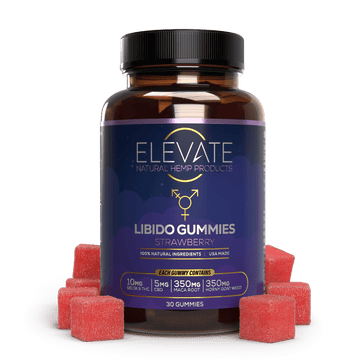
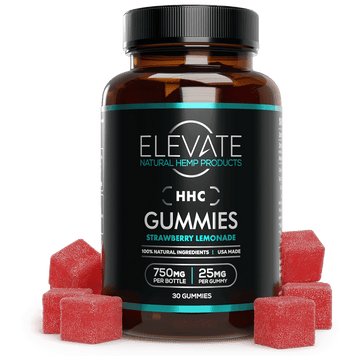
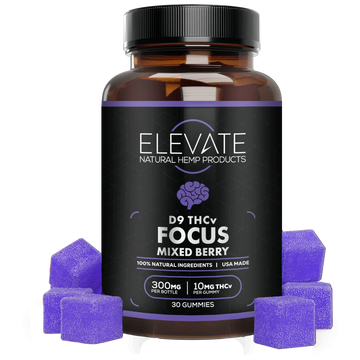
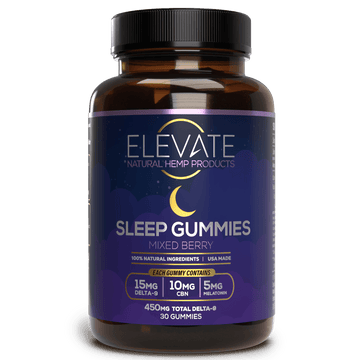
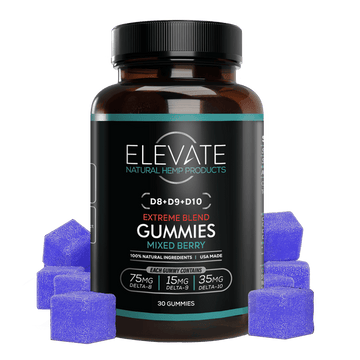
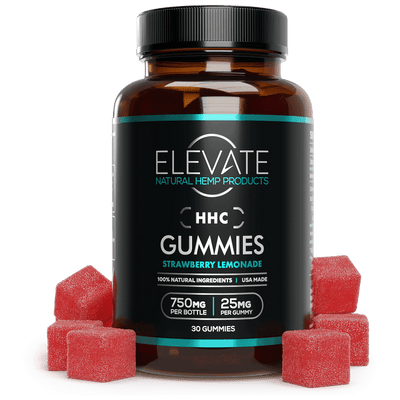
Picture yourself standing in front of a brightly lit display wall, scanning rows of colorful pouches that all promise a unique HHC gummy experience. Each label lists different milligrams, flavor profiles, and vague effect descriptions — yet nothing on the packaging tells you what HHC actually is, how it compares to the THC you may already know, or whether the product is even permitted in your state. That gap between marketing language and genuine understanding is exactly what this guide is designed to close.
HHC — short for hexahydrocannabinol — is a hydrogenated cannabinoid that occurs in trace amounts within the cannabis plant's seeds and pollen. Because those natural concentrations are far too low for commercial extraction, virtually every HHC product on the market today is produced through a laboratory process called hydrogenation. During this process, hydrogen atoms are added to a THC or CBD molecule under controlled pressure and temperature, converting the double-bond structure into a more chemically stable, saturated form. The result is a cannabinoid that shares a similar molecular backbone with delta-9 THC yet carries its own distinct profile.
HHC gummies, then, are edible products that infuse this semi-synthetic cannabinoid into a standard gummy base — typically a blend of sugar, pectin or gelatin, natural flavors, and coloring. Manufacturers dose each piece to a specific milligram count so that adult consumers can gauge their intake with reasonable consistency. The gummy format appeals to users who prefer a familiar, discreet, and pre-portioned way to explore cannabinoids without smoking or vaping.
From a consumer standpoint, people reach for HHC gummies for many of the same reasons they might consider any cannabinoid edible: curiosity about how the compound feels, interest in an alternative to conventional delta-9 THC products, or simply a preference for the longer-lasting experience that edibles provide compared to inhalation. Understanding exactly what is inside the package — and what science does and does not yet confirm about it — is the essential first step toward making a genuinely informed decision.
What Research Does — and Does Not — Tell Us About HHC
Hexahydrocannabinol has existed in scientific literature since the 1940s, when chemist Roger Adams first synthesized it in a laboratory setting. Despite that lengthy history, peer-reviewed research on HHC remains remarkably thin compared with what scientists have published on delta-9 THC or CBD. Most of what consumers hear about HHC gummies today comes from anecdotal reports and manufacturer marketing rather than controlled clinical trials — and that distinction matters more than many buyers realize.
Here is what the available science does support. HHC is a cannabinoid — specifically, a hydrogenated derivative of THC — meaning its molecular backbone interacts with the same endocannabinoid receptors (CB1 and CB2) found throughout the human body. Early pharmacological data suggests the compound has binding affinity at CB1 receptors, the same receptor pathway associated with the psychoactive effects of delta-9 THC. Because the hydrogenation process adds hydrogen atoms to the molecule, some researchers hypothesize that HHC may exhibit greater chemical stability and a longer shelf life than its parent compound, though rigorous stability studies have not yet been widely published.
What remains unknown, however, is far more extensive. No large-scale human trials have examined the compound's safety profile, its interaction with common medications, or its long-term effects on cognition or organ function. Users report that HHC gummies produce a milder, more relaxed experience compared with traditional THC edibles, but individual responses can vary significantly based on metabolism, tolerance, and the ratio of 9R to 9S HHC isomers present in a given product.
Equally important, no regulatory body has established standardized dosing guidelines for hexahydrocannabinol. Without that framework, consumers are essentially navigating an open frontier — one where personal caution, third-party lab verification, and a willingness to start with low doses serve as the most practical safeguards available.
The legal status of HHC products sits in a gray area that every consumer should understand before making a purchase. At the federal level, the 2018 Farm Bill legalized hemp and its derivatives, provided the final product contains no more than 0.3 percent delta-9 THC by dry weight. Because HHC is a cannabinoid that can be derived from hemp through chemical conversion processes, many manufacturers and retailers argue it falls within this legal threshold. The bill, however, did not specifically address semi-synthetic cannabinoids like HHC, leaving considerable room for regulatory interpretation.
Here is where things get complicated. Even though a substance may be federally permissible under the Farm Bill's framework, individual states retain the authority to impose their own restrictions. Several states have already moved to ban or regulate hemp-derived cannabinoids beyond CBD, including HHC, delta-8 THC, and similar compounds. Other states have taken no explicit action, creating an environment where legality is assumed but not guaranteed. These laws also change frequently — what was available on shelves six months ago may now be restricted or require new compliance standards in your jurisdiction.
It is important to emphasize that this article does not constitute legal advice. Regulatory landscapes shift quickly, and enforcement approaches differ from one state to another. Before purchasing or traveling with any hemp-derived product, consumers should consult their state's department of agriculture, attorney general's office, or equivalent regulatory body for the most current guidance. Checking local ordinances is equally wise, since some municipalities have enacted rules that are stricter than their state's position. Taking a few minutes to verify the legal standing of HHC in your specific area can save considerable hassle and ensure you are making a fully informed, responsible decision.
Choosing Your Potency, Dosage, and Product Format
HHC products span a wide potency range, and understanding the tiers helps you pick a starting point that matches your experience level. Low-potency gummies typically contain 5–10 mg of HHC per piece, mid-range options land around 15–25 mg, and high-potency formulations can exceed 50 mg. Because HHC is generally described by users as roughly 70–80 percent as strong as delta-9 THC, even a modest dose can produce noticeable psychoactive effects for someone without established tolerance.
A cautious approach matters. Start with half of a single low-potency gummy — roughly 5 mg — and wait at least 90 minutes before considering another portion. Edibles pass through the digestive system, meaning onset is slower but duration is longer compared to inhaled formats. This delayed feedback loop is where most overconsumption mistakes happen, so patience is genuinely protective.
Each product format also comes with trade-offs worth weighing. Gummies offer precise dosing and discretion, yet their slower onset demands more planning. Vapes deliver effects within minutes, providing quicker feedback, but they introduce inhalation-related considerations and make it harder to measure exact intake. Flower provides a full-spectrum experience closer to traditional cannabis; however, consistency between batches can vary significantly. Tinctures split the difference — sublingual absorption is faster than edibles while still allowing measured dosing via the dropper.
One practical consideration cuts across every format: HHC metabolites may still trigger a positive drug test. Standard immunoassay panels look for THC metabolites, and HHC's structural similarity means cross-reactivity is a documented concern. If workplace or legal screening applies to you, factor this into your decision regardless of which product type you choose.
Frequently Asked Questions About HHC Gummies
Consumers researching HHC gummies tend to ask similar questions across search engines and forums. Below are answers to the most common, written with the understanding that scientific evidence remains limited.
Is HHC the same thing as THC? Not exactly. HHC is a distinct isomer of THC, meaning it shares a similar molecular formula but has a different structural arrangement. This subtle difference may influence how the compound interacts with cannabinoid receptors.
Will HHC gummies get you high? Most users report noticeable psychoactive effects, though anecdotal accounts generally describe them as milder than delta-9 THC. Individual responses can vary widely based on tolerance, dosage, and body chemistry.
Are HHC gummies legal everywhere? Legality is complicated. Under the 2018 Farm Bill, hemp-derived cannabinoids containing less than 0.3 percent delta-9 THC are federally permitted; however, several states have enacted their own restrictions. Always verify your local laws before purchasing.
Do HHC gummies show up on a drug test? There is no definitive answer, but many experts caution that HHC may metabolize into compounds similar enough to THC metabolites to trigger a positive result.
How long do effects typically last? Anecdotal reports suggest effects may last two to six hours, though onset and duration depend on metabolism and whether the gummy is taken with food.
How should a beginner choose a dosage? Starting with the lowest available potency and waiting at least 90 minutes before considering more is a widely recommended approach.
What should I look for on the label? Third-party COAs, clear cannabinoid content per gummy, and a full ingredient list are strong indicators of a trustworthy product.
Still exploring your options? Browse our collection of what is hhc gummies for lab-tested choices you can evaluate with confidence.