High THCa Hemp Flower
High THCa hemp flower is hemp that contains 15–25%+ tetrahydrocannabinolic acid (THCa) by dry weight while remaining below the 0.3% delta-9 THC federal threshold set by the 2018 Farm Bill. When heated through smoking or vaping, THCa decarboxylates into delta-9 THC.
High THCa hemp flower is hemp that contains 15–25%+ tetrahydrocannabinolic acid (THCa) by dry weight while remaining below the 0.3% delta-9 THC federal threshold set by the 2018 Farm Bill. When heated through smoking or vaping, THCa decarboxylates into delta-9 THC.
Easter Sale
Any one-time purchase
When you subscribe*
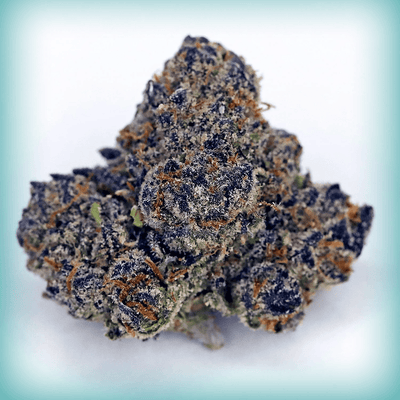
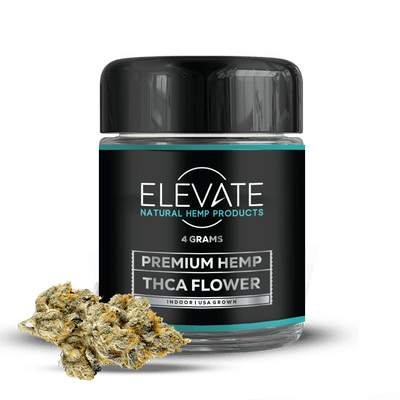
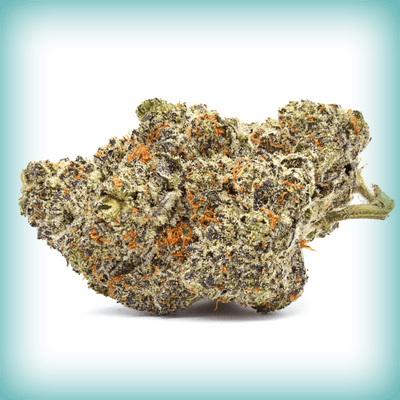
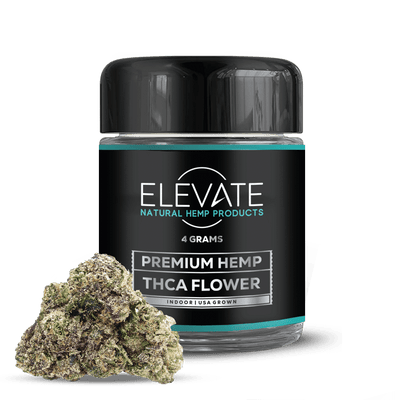
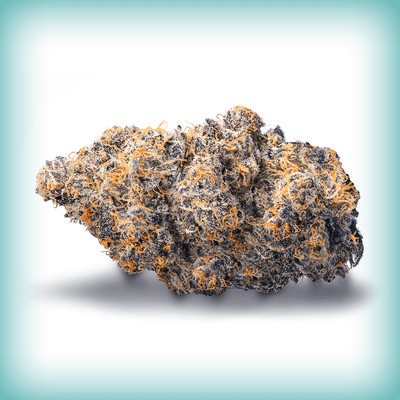
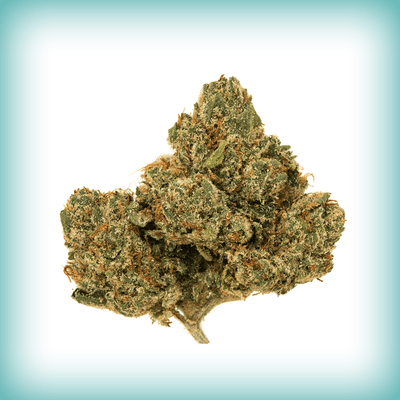
THCa percentages on a Certificate of Analysis represent the raw, acidic cannabinoid before heat converts it to delta-9 THC. Flower labeled 'high THCa' typically tests between 15% and 25%+ THCa, comparable in potency to top-shelf dispensary options. Federally compliant hemp must contain no more than 0.3% delta-9 THC on a dry-weight basis under the 2018 Farm Bill.

Compare Our High THCa Hemp Flower
Swipe to explore — find the formula that fits your lifestyle.
| Product | Potency | Type | Best For |
|---|---|---|---|
|
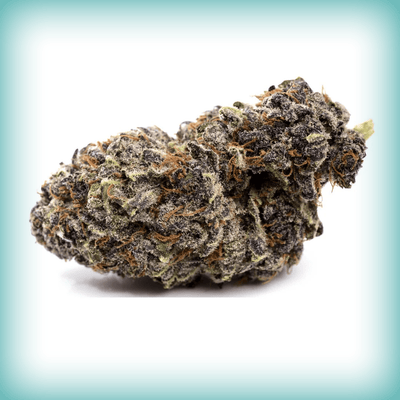
OG Kush THCa Flower
| 20%+ THCa | Indica-dominant hybrid | Evening wind-down, deep relaxation |
|
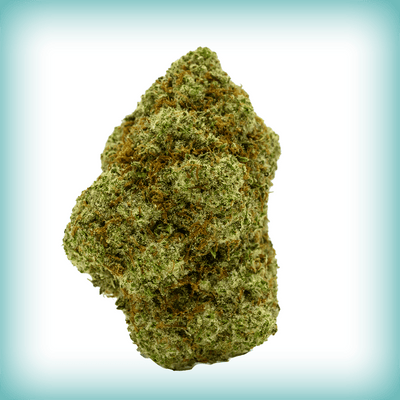
Jokerz THCa Flower
| 22%+ THCa | Hybrid | Balanced experience, social settings |
|
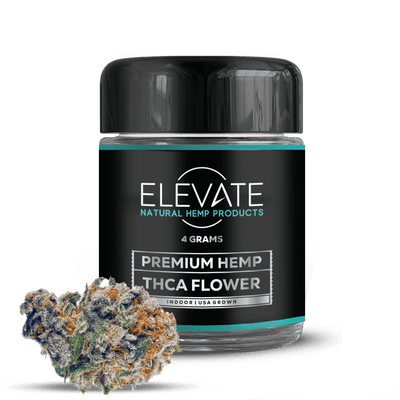
Blueberry Muffin THCa Hemp Flower
| 20%+ THCa | Indica-dominant | Flavor-forward sessions, terpene enthusiasts |
|
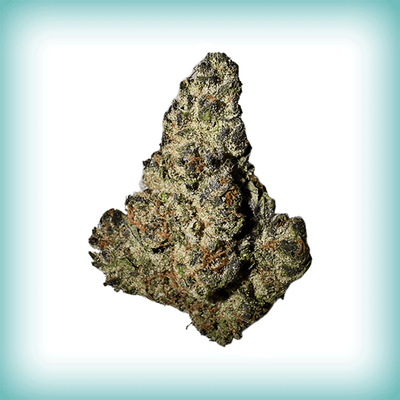
Frozen Rose High THCa Flower
| 23%+ THCa | Hybrid | Maximum potency seekers, connoisseurs |
Sources
- 2018 Farm Bill (Public Law 115-334), Section 297A — Legal definition of hemp as Cannabis sativa L. with ≤0.3% delta-9 THC on a dry-weight basis
- USDA Agricultural Marketing Service — Establishing a Domestic Hemp Production Program (Federal Register Final Rule)
- ACS Laboratory — ISO 17025-accredited cannabis and hemp testing facility
From Our Blog

7 Best THCA Pens Online (We Tested Them All)
Find the best THCA pens online with this tested guide. Compare top picks for quality, flavor, and...
Read More
Is THCA in Texas Legal? What the Law Says
Get clear answers on thca texas laws, including what’s legal, how to buy safely, and what to know...
Read More
Strongest THCa Flower Strains of 2025
Explore our expert-curated list of the 10 strongest THCA flower strains of 2025, ranked by lab-ve...
Read MoreFrequently Asked Questions
What makes THCa hemp flower 'high' potency?
THCa hemp flower is considered high potency when it tests at 15% THCa or above on a dry-weight basis, with premium indoor strains reaching 20–25%+. This percentage appears on the Certificate of Analysis and represents the raw acidic cannabinoid before any heat is applied. Elevate's collection is curated specifically for strains that consistently test in the 20%+ THCa range, verified by ACS Laboratory, an ISO 17025-accredited testing facility.
Is high THCa hemp flower legal federally?
Yes, high THCa hemp flower is federally legal under the 2018 Farm Bill, which defines legal hemp as Cannabis sativa containing no more than 0.3% delta-9 THC on a dry-weight basis. THCa is a distinct cannabinoid from delta-9 THC and is not separately restricted under this threshold. However, state laws vary — some states have enacted additional restrictions on THCa content or hemp-derived cannabinoids broadly. Review Elevate's Shipping & Compliance page for state-specific THCa delivery details before ordering.
How does THCa differ from delta-9 THC?
THCa (tetrahydrocannabinolic acid) is the raw, non-intoxicating precursor to delta-9 THC found naturally in living cannabis and hemp plants. The two molecules differ by a single carboxyl group: THCa carries an extra COOH group that makes it too large to bind efficiently with CB1 receptors in the endocannabinoid system. When THCa is exposed to heat — through smoking, vaping, or cooking — it loses that carboxyl group through decarboxylation and converts into delta-9 THC, which is psychoactive. This is why the THCa percentage on a lab report, not the delta-9 THC percentage, is the number that matters most for smokable flower.
What happens when THCa is heated?
Heating THCa triggers decarboxylation, a chemical reaction that removes a carboxyl group and converts THCa into delta-9 THC. This occurs at approximately 220–240°F (104–115°C) and happens almost instantly when smoking or vaping flower. The conversion rate is roughly 87.7% — meaning 25% THCa flower yields approximately 21.9% available delta-9 THC after decarboxylation. This is why the THCa percentage on a lab report is the most relevant potency indicator for smokable high THCa hemp flower.
Will high THCa hemp flower show up on a drug test?
Yes, high THCa hemp flower will very likely cause a positive result on a standard drug test. When you smoke or vape THCa flower, the THCa converts to delta-9 THC, which your body metabolizes into THC-COOH — the exact metabolite that urine, blood, and hair tests screen for. There is no practical difference between THC-COOH produced from hemp-derived THCa and THC-COOH from any other cannabis source. If you face drug testing of any kind, avoid THCa flower entirely.
How should I store THCa flower to keep it fresh?
Store THCa flower in an airtight glass jar at 60–65°F in a dark location, such as a cabinet or drawer away from heat sources. Avoid plastic bags, which generate static that strips trichomes from the bud surface, and never refrigerate or freeze flower — temperature fluctuations cause trichome heads to become brittle and snap off. Properly stored, high THCa hemp flower retains peak potency and terpene integrity for 6–8 months. Adding a humidity pack rated at 58–62% RH inside the jar helps maintain ideal moisture without over-saturating the flower.
What's the difference between THCa flower and CBD flower?
THCa flower and CBD flower are both hemp, but they're bred for entirely different cannabinoid profiles. CBD flower is cultivated to maximize cannabidiol (typically 10–20% CBD) with minimal THCa, usually under 1%. High THCa hemp flower is bred to maximize tetrahydrocannabinolic acid (15–25%+ THCa) while keeping delta-9 THC below 0.3%. When smoked, THCa flower converts to delta-9 THC and produces psychoactive effects, while CBD flower does not. Both are federally legal under the 2018 Farm Bill as long as delta-9 THC stays at or below 0.3% by dry weight.
How do I read a THCa flower COA (Certificate of Analysis)?
A COA is a lab report that verifies exactly what's in your flower, batch by batch. Start with these key data points: total THCa percentage (the primary potency indicator for smokable flower), delta-9 THC percentage (must be at or below 0.3% for federal legality), and the full cannabinoid profile. A quality COA also includes terpene analysis, pesticide screening, heavy metals testing, and microbial results. Confirm the testing lab holds ISO 17025 accreditation — Elevate uses ACS Laboratory, which carries this accreditation. You can access every batch report directly through Elevate's Trust Center.
Does Elevate ship THCa flower to all 50 states?
Elevate ships THCa hemp flower to most U.S. states under the federal legality established by the 2018 Farm Bill. However, several states have enacted their own restrictions on hemp-derived THCa products, which may limit or prohibit THCa delivery to certain addresses. Before placing an order, check Elevate's Shipping & Compliance page for a current list of restricted states. All shipments include compliant labeling and batch-specific COAs.
Why does slow-dried THCa flower cost more than machine-dried?
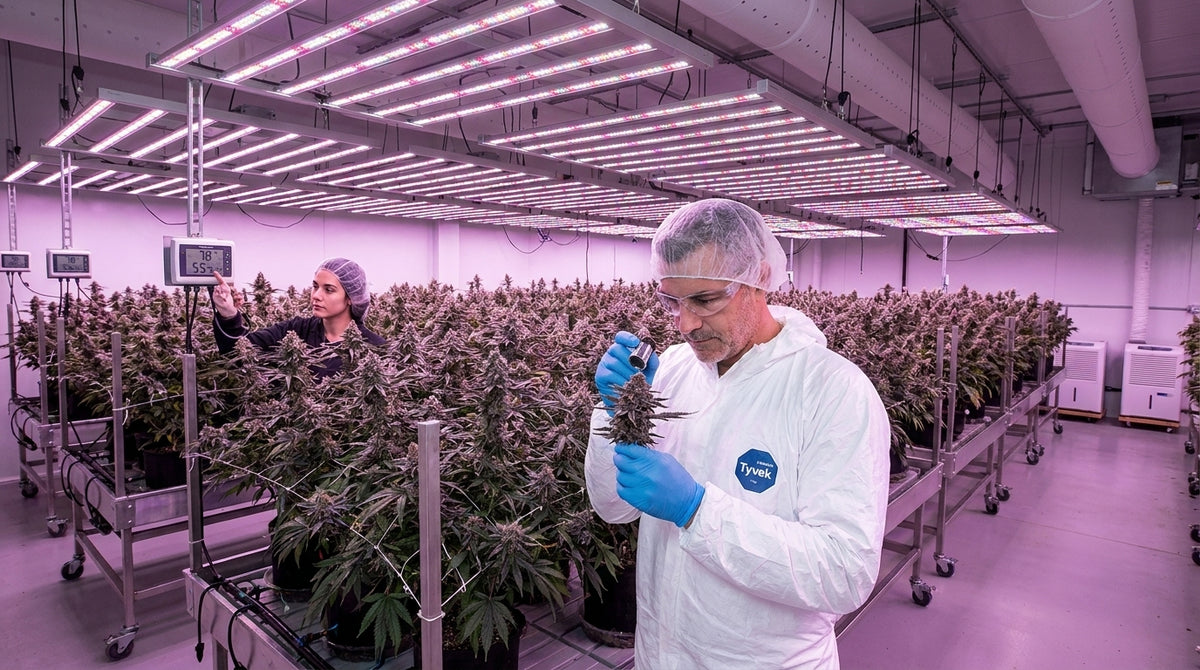
Slow-dried THCa flower costs more because the process takes 10–14 days in climate-controlled rooms at approximately 60°F and 60% humidity, compared to 2–3 days for machine-assisted rapid drying. This extended timeline preserves volatile monoterpenes — myrcene and limonene begin evaporating above 70°F — and allows chlorophyll to break down naturally, producing smoother flavor and a cleaner burn. Hand-trimming adds further labor cost but protects the trichome heads that machine trimmers shear off. The result is measurably higher terpene content and better potency retention per gram, which is why Elevate invests in the slower process for every batch.
What THCa percentage should a beginner look for?
Beginners should start with THCa flower in the 15–20% range and use a small amount — approximately 0.1 to 0.15 grams per session — to gauge personal response. Even at 20% THCa, a single 0.1 g portion delivers roughly 17.5 mg of available delta-9 THC after decarboxylation (using the 87.7% conversion factor). Wait at least 15–20 minutes between inhalations to assess the full onset before consuming more. Elevate's collection ranges from 20–25%+ THCa, so new users should dose conservatively and increase gradually over multiple sessions.
How fast does THCa flower take effect when smoked?
Smoked or vaped THCa flower typically produces noticeable effects within 1–5 minutes, with peak onset occurring around 15–30 minutes after inhalation. This rapid onset happens because inhaled delta-9 THC (converted from THCa by the heat of combustion or vaporization) passes directly from the lungs into the bloodstream, bypassing digestive metabolism entirely. Effects generally last 1–3 hours depending on the amount consumed, individual tolerance, and the specific terpene profile of the strain.