
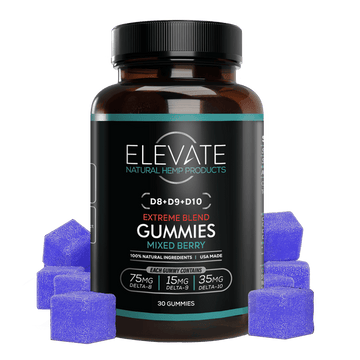
organic-thca-flower
Organic THCA flower is hemp flower cultivated without synthetic pesticides, herbicides, or chemical fertilizers. Elevate sources each strain from domestic farms that follow organic growing practices and verifies purity through independent lab testing.
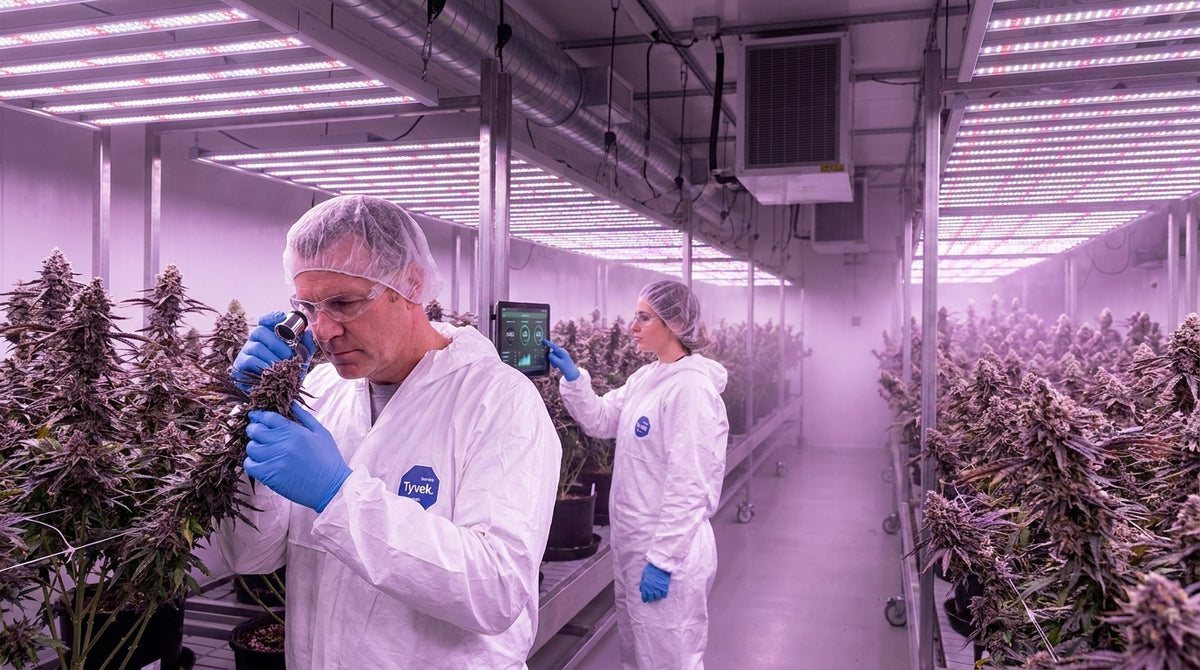
Organic THCA flower is hemp flower cultivated without synthetic pesticides, herbicides, or chemical fertilizers. Elevate sources each strain from domestic farms that follow organic growing practices and verifies purity through independent lab testing.
Easter Sale
Any one-time purchase
When you subscribe*
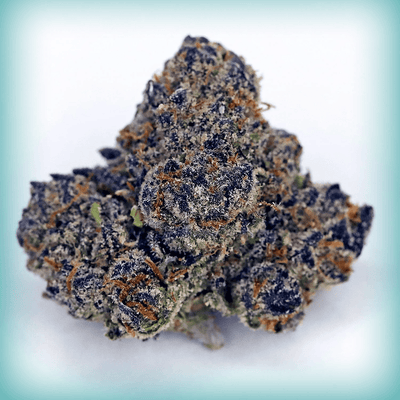
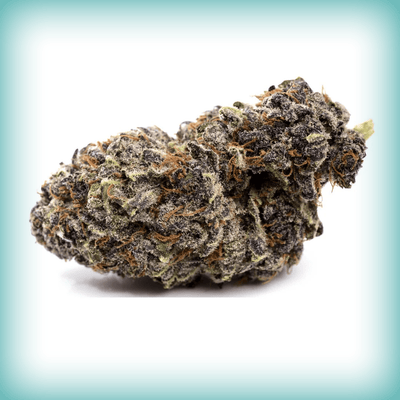
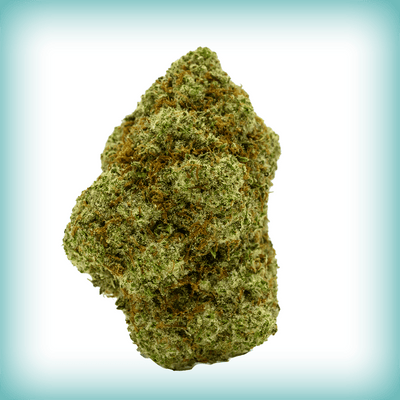
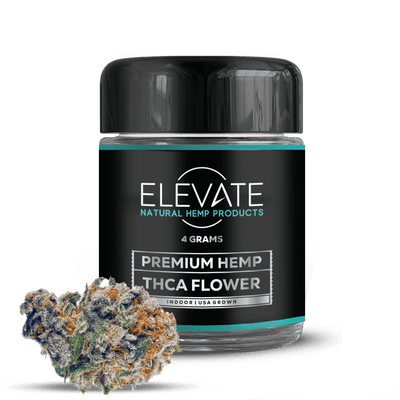
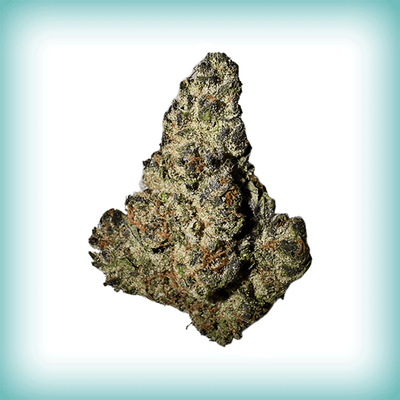
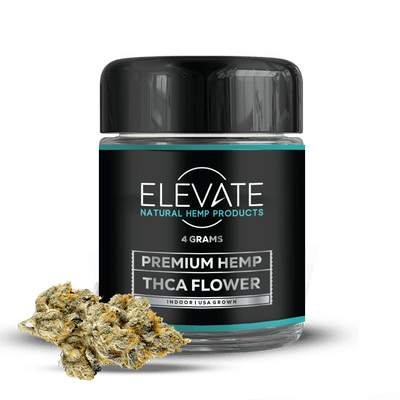
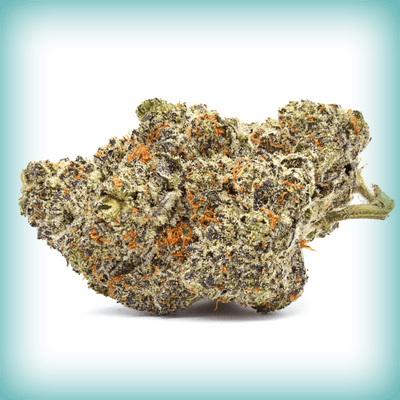
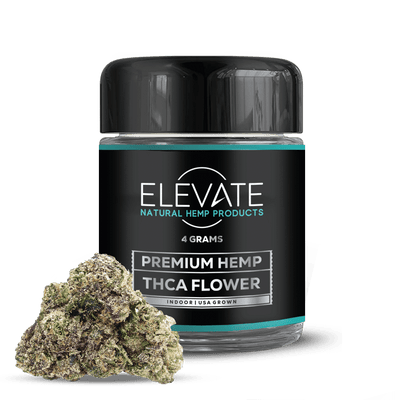
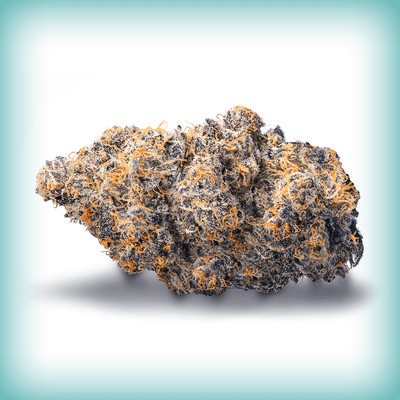
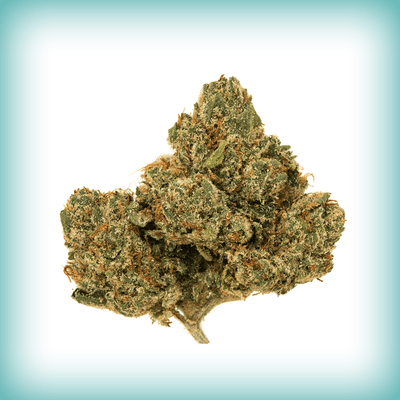
Organic THCA flower refers to THCA-rich hemp grown using organic cultivation methods — no synthetic chemicals, only natural soil amendments and pest management. Elevate's organic flower collection is third-party tested for pesticides, heavy metals, and residual solvents. Batch-specific COAs are available for every product, and all flower contains less than 0.3% delta-9 THC per the 2018 Farm Bill.

Compare Our organic-thca-flower
Swipe to explore — find the formula that fits your lifestyle.
| Product | Potency | Type | Best For |
|---|---|---|---|
|
Elevate Premium
| 25mg | Gummy | Daily wellness |
|
Elevate Premium
| 25mg | Gummy | Daily wellness |
|
Elevate Premium
| 25mg | Gummy | Daily wellness |
Sources
From Our Blog

7 Best THCA Pens Online (We Tested Them All)
Find the best THCA pens online with this tested guide. Compare top picks for quality, flavor, and...
Read More
Is THCA in Texas Legal? What the Law Says
Get clear answers on thca texas laws, including what’s legal, how to buy safely, and what to know...
Read More
Strongest THCa Flower Strains of 2025
Explore our expert-curated list of the 10 strongest THCA flower strains of 2025, ranked by lab-ve...
Read MoreFrequently Asked Questions
What does 'organic' mean for THCA flower specifically?
Organic THCA flower is hemp flower grown without synthetic pesticides, herbicides, or chemical fertilizers, following practices aligned with USDA organic standards. The plants rely on natural soil amendments, composting, and biological pest management instead of chemical inputs. This distinction matters because hemp is a bioaccumulator — it draws substances from the soil directly into its tissue. Organic cultivation reduces the risk of chemical residue ending up in the final flower. Elevate documents growing practices for every strain and publishes batch-specific COAs to verify purity.
Is organic THCA flower better than conventionally grown?
Organic THCA flower carries a lower risk of pesticide or chemical residue, which many wellness-focused consumers consider a meaningful advantage. Conventionally grown hemp may use synthetic inputs that leave trace residues in the finished flower. Organic growing also supports healthier soil ecosystems and more sustainable farming over time. Whether it's "better" depends on your priorities, but if avoiding synthetic chemicals matters to you, organic is the straightforward choice. Elevate's third-party testing confirms zero detectable pesticide residue across the organic collection.
How do I verify if THCA flower is truly organic?
The most reliable verification is USDA organic certification, which requires a minimum three-year transition period and annual on-site inspections. If a brand isn't USDA certified, look for third-party certifications from accredited organizations like Oregon Tilth, plus batch-specific COAs that test for pesticide residue, heavy metals, and residual solvents. Elevate provides COAs for every lot number and documents growing practices on each product page. If a seller can't produce lab results for the specific batch you're buying, that's a significant red flag worth heeding.
Does organic growing affect THCA potency?
Organic cultivation does not inherently lower or raise THCA potency. Potency is primarily driven by genetics, growing environment, and harvest timing. Elevate's organic THCA flower ranges from approximately 23% to 29% THCA depending on the strain — fully comparable to conventionally grown options. Where organic growing may make a difference is in terpene expression, since healthy soil microbiomes can support more robust aromatic compound development. Every Elevate product lists its verified THCA percentage based on independent lab testing.
Are there pesticides in non-organic THCA flower?
Non-organic THCA flower may contain trace pesticide residues depending on the cultivation practices used. Conventional hemp farming can involve synthetic pesticides and herbicides, and since hemp is a bioaccumulator, those chemicals can concentrate in the plant tissue. Not all non-organic flower contains harmful residues — it depends on the specific farm's methods and whether the product has been independently tested. The safest approach is to always review batch-specific COAs that include a full pesticide panel, regardless of what the label says about organic status.
What certifications should I look for when buying organic THCA flower?
USDA organic certification is the gold standard, requiring farms to follow the National Organic Program's prohibited substances list and pass annual inspections. Third-party certifications from accredited organizations like Oregon Tilth add another layer of independent verification. Beyond organic certification, look for ISO 17025-accredited lab testing on the product's COA — this ensures the lab itself meets international quality standards. Elevate partners with accredited labs and provides full documentation for every batch, covering pesticide, heavy metal, and solvent screening.
Is organic THCA flower worth the higher price?
Organic THCA flower costs more because organic farming demands higher labor inputs, natural pest management, and often yields less per acre. Verified organic products generally range from $12 to $25 per eighth. For consumers who prioritize clean cultivation and environmental sustainability, the premium reflects real differences in how the flower was grown and handled. Elevate's organic collection starts at $39.99 and includes full third-party verification — you're paying for documented growing practices and transparent lab results, not just a marketing label.
How is organic hemp flower grown differently from conventional?
Organic hemp flower is cultivated using natural soil amendments like compost and cover crops instead of synthetic fertilizers. Pest management relies on beneficial insects, companion planting, and approved organic inputs rather than chemical pesticides. Weed control uses mechanical methods or mulching instead of herbicides. The soil itself must be free from prohibited substances for at least three years under USDA standards. These practices require significantly more hands-on management but produce flower without synthetic chemical residue. Elevate sources from farms that document every step of this process and make those records available.
Will organic THCA flower show up differently on a drug test?
No — organic status has no effect on drug test results. THCA converts to delta-9 THC when heated, and standard drug tests screen for THC metabolites regardless of how the hemp was grown. If you consume THCA flower of any kind, organic or conventional, there is a real possibility of testing positive. Elevate's organic THCA flower complies with the federal 0.3% delta-9 THC limit established by the 2018 Farm Bill, but this does not guarantee you will pass a drug test after use.
What's the difference between 'organic' and 'all-natural' labels?
"Organic" carries a specific legal definition under the USDA National Organic Program — it requires documented growing practices, prohibited substance compliance, and certification through an accredited body. "All-natural" has no regulated federal definition for hemp products and can mean virtually anything a seller wants it to mean. A product labeled "all-natural" may still have been grown with synthetic inputs. When shopping for clean THCA flower, prioritize verifiable organic certifications or documented organic practices backed by third-party lab testing over vague marketing language.
Does organic growing affect the flavor or aroma of THCA flower?
Organic cultivation may support richer terpene profiles because biologically active soil can enhance the plant's production of aromatic compounds. Terpenes like myrcene, limonene, and caryophyllene tend to develop more fully when the plant isn't stressed by synthetic chemical exposure. Many experienced consumers report that organically grown flower offers noticeably more complex flavor and aroma. Elevate's organic strains are slow-dried and properly aged specifically to preserve these terpene profiles, and each product page lists the dominant terpenes identified through lab testing.
How should I store organic THCA flower?
Store organic THCA flower in an airtight glass container in a cool, dark place — ideally between 60°F and 70°F with humidity around 55–62%. Avoid plastic bags, which generate static that strips trichomes from the flower surface, and keep it away from direct sunlight, which degrades both cannabinoids and terpenes over time. Properly stored organic THCA flower maintains its potency and flavor for approximately 6 to 12 months. Elevate ships all flower in sealed packaging designed to preserve freshness during transit.
Can I see the lab results for Elevate's organic THCA flower?
Yes — Elevate publishes batch-specific Certificates of Analysis for every organic THCA flower product. Each COA is generated by an independent, accredited laboratory and covers THCA and delta-9 THC potency, pesticide residue screening, heavy metal analysis, and residual solvent testing. You can access COAs directly on each product page by matching your product's lot number. This level of transparency isn't optional at Elevate — every claim is backed by verifiable documentation you can check yourself.
Is imported organic hemp as trustworthy as domestic?
Domestic organic hemp grown under USDA oversight generally offers more verifiable supply chain transparency than imported hemp. While some international farms follow excellent organic practices, verifying certifications and growing conditions across borders introduces complexity. Import regulations, soil testing standards, and enforcement rigor vary by country. Elevate sources exclusively from domestic farms with documented organic growing practices, ensuring every step from seed to shelf is traceable and verifiable within the U.S. regulatory framework.
What growing practices qualify as organic for hemp?
Under USDA National Organic Program standards, qualifying practices include using only approved natural fertilizers, employing biological pest control, rotating crops to maintain soil health, and avoiding all synthetic pesticides, herbicides, and genetically modified organisms. The land itself must be free from prohibited substances for a minimum of three years before any harvest can carry the organic label. Elevate's partner farms follow these standards and maintain detailed cultivation records that are available for review alongside each product's third-party lab results.