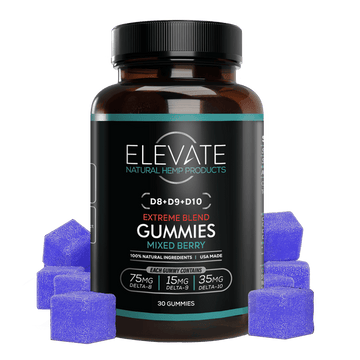
Quick Answer: Can You Buy Delta 9 in Montana?
Yes, but only one channel is legal in 2026. Montana adults 21 and older can buy Delta 9 THC at state-licensed marijuana dispensaries with a valid photo ID. Hemp-derived Delta 9 — the kind sold online and in shops across many other states — is effectively off-limits to Montana consumers: Senate Bill 375 (effective May 5, 2025) prohibits the retail sale of any hemp product containing detectable Delta 9 THC unless it is FDA-approved, and compliant brands block Delta 9 hemp shipments to Montana addresses.

- Licensed dispensaries (legal): Delta 9 edibles, flower, and concentrates for adults 21+. Under House Bill 636 (effective July 1, 2026), marijuana edibles are capped at 5 mg THC per serving and 100 mg per package.
- Hemp Delta 9 (restricted): House Bill 49 caps hemp finished products at 0.5 mg THC per serving and 2 mg per package, and SB 375 bans consumer sale of detectable-Delta-9 hemp products outright.
- Ordering online: Hemp Delta 9 cannot legally ship to a Montana address. Confirm a brand's state policy and review the Certificate of Analysis (COA) before buying anything.
- On the horizon: Federal H.R. 5371 (signed Nov 12, 2025) redefines hemp by total THC, caps finished products at 0.4 mg per container, and excludes synthesized cannabinoids effective Nov 12, 2026.
If you typed “buy Delta 9 in Montana” into a search bar, you probably found a wall of conflicting advice — some sites still promising mail-order gummies, others warning you off entirely. The truth sits in the middle and it changed recently. Montana rewrote its hemp rules in 2025, and the old playbook of ordering hemp Delta 9 online no longer applies. This guide walks through what is actually legal today, where the line falls between hemp and marijuana, and how to shop without stepping on a statute. It is written for the practical buyer, not the lawyer — though we will point you to the primary agencies so you can verify everything yourself.
Key Takeaways
- Marijuana-derived Delta 9 is legal for adults 21+ through Montana's licensed dispensaries; hemp-derived Delta 9 is now heavily restricted.
- Senate Bill 375 (effective May 5, 2025) bans the retail sale of hemp products with detectable Delta 9 THC unless FDA-approved — which no mainstream hemp gummy is.
- House Bill 49 caps hemp finished products at 0.5 mg THC per serving and 2 mg per package, among the strictest limits in the country.
- You cannot legally have hemp Delta 9 shipped to a Montana address, regardless of where the seller is located.
- Federal H.R. 5371 (Nov 2025) will tighten the national hemp definition by Nov 12, 2026, making Montana's strict stance more common.
- This article is general information, not legal advice; verify current statutes before you buy.
What Delta 9 THC Actually Is
Delta 9 tetrahydrocannabinol is the primary intoxicating compound in cannabis — the one responsible for the classic “high.” It shows up in both marijuana and hemp, and that single fact is the root of all the legal confusion. The plant does not care about the label; the law does. The legal difference between “hemp” and “marijuana” comes down entirely to how much Delta 9 a plant contains by dry weight, not to the species itself.
Because Delta 9 is potent and long-lasting — effects can run anywhere from three to nine hours with edibles — dosing and sourcing matter more here than with milder cannabinoids. Whatever you buy, the smart move is to start low, read the Certificate of Analysis, and confirm the product's legal category before it ever reaches your cart.
The Federal Picture: 2018 Farm Bill to the 2025 Reset
The 2018 Farm Bill is where modern hemp law begins. It removed hemp — cannabis containing no more than 0.3% Delta 9 THC by dry weight — from the federal controlled-substances list. That 0.3% threshold opened the door to hemp-derived CBD and, eventually, to hemp Delta 9 products engineered to stay technically under the limit by weight while still carrying a meaningful dose.
What Changed in November 2025
That loophole is closing. H.R. 5371, signed into law on November 12, 2025, rewrites the federal hemp definition to measure total THC rather than Delta 9 alone, caps finished consumer products at roughly 0.4 mg of THC per container, and excludes synthesized or chemically converted cannabinoids. The changes take effect November 12, 2026. In plain terms: the federal floor is rising to meet the kind of strict standard Montana already adopted, so a product that is non-compliant in Montana today is likely to be non-compliant nationwide soon.
Montana's Cannabis Timeline at a Glance
Montana did not arrive at its current rules overnight. The state legalized industrial hemp cultivation back in 2001 (Senate Bill 261), legalized adult-use marijuana through Initiative 190 in 2020, and built out the licensed dispensary system with House Bill 701 in 2021. The 2025 legislative session then layered strict hemp limits on top of all of it. Understanding that history explains why Montana treats a dispensary gummy and a gas-station gummy so differently — they travel through two entirely separate legal channels.
Montana's 2025 Hemp Package: HB 49, SB 375 & HB 636
Three bills define the landscape you are shopping in today. Read together, they make the hemp Delta 9 market in Montana very small and the dispensary market the real path for anyone seeking a noticeable Delta 9 dose.
House Bill 49 — the 0.5 mg cap
HB 49 caps finished hemp products at 0.5 mg of THC per serving and 2 mg per package, and it applies that cap to all THC variants — Delta 9, Delta 8, Delta 10, and the rest. It also broadened the state's authority over synthetic and chemically converted cannabinoids. These are among the tightest hemp THC limits in the United States; for context, a single mainstream hemp gummy elsewhere often contains 5–10 mg.
Senate Bill 375 — the hemp Delta 9 sales ban
SB 375, effective May 5, 2025, is the decisive one. It prohibits the retail sale to Montana consumers of any hemp product containing detectable Delta 9 THC unless that product is FDA-approved as a food or drug — a bar no mass-market hemp gummy currently clears. The practical effect is a near-total ban on the hemp Delta 9 products that fill shelves in more permissive states, and it is why reputable brands now block Delta 9 hemp shipments to Montana addresses.
House Bill 636 — the dispensary side
On the marijuana side, HB 636 (effective July 1, 2026) sets the dispensary edible standard: up to 5 mg of Delta 9 THC per serving and 100 mg per package. That is the channel where adults can legally buy a full-strength Delta 9 edible — in person, 21+, with ID, at a licensed Montana dispensary.
Hemp-Derived vs. Marijuana-Derived Delta 9 (the distinction that decides everything)
Here is the whole question in one sentence: where the Delta 9 comes from determines whether you can buy it and how.
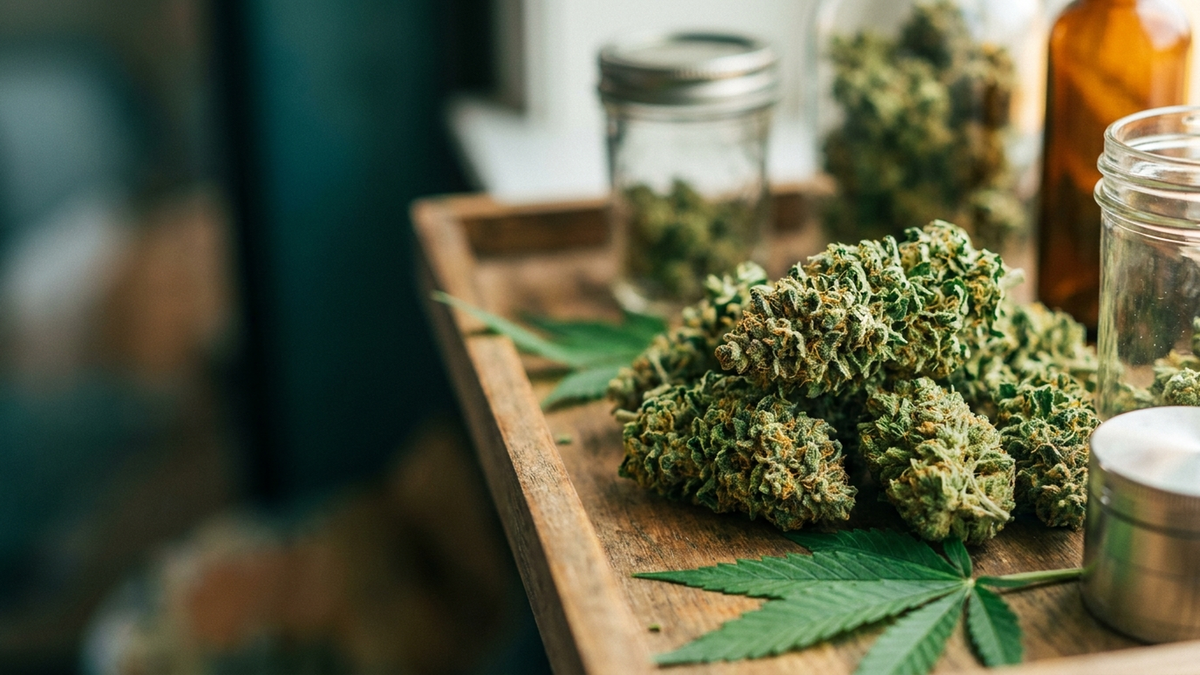
Marijuana-derived Delta 9 is the higher-THC product sold only through Montana's licensed dispensaries to adults 21 and older. It is tested, taxed, packaged to state spec, and subject to possession limits. This is the legitimate route to a meaningful Delta 9 dose in Montana.
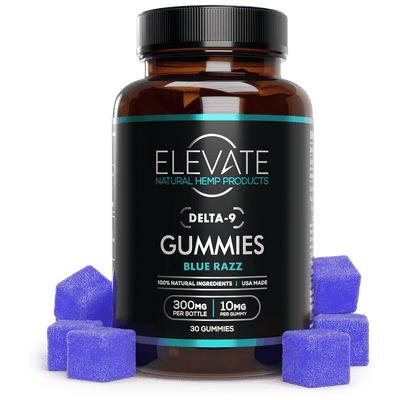
Hemp-derived Delta 9 is the online/retail product most people picture when they think “Delta 9 gummies.” In Montana, SB 375 bans its consumer sale, and HB 49's 0.5 mg cap would render it nearly dose-free even if it were sold. For all practical purposes, hemp Delta 9 is not a Montana retail option in 2026.
What Hemp Products Are Still Legal in Montana
Restricted does not mean empty-handed. Montana adults can still buy compliant, non-intoxicating hemp products — the category that stays under the THC caps and skips the detectable-Delta-9 problem entirely:
- Hemp-derived CBD — tinctures, capsules, and topicals that contain little to no THC remain the mainstream legal option for wellness, sleep, and stress support.
- CBG and other non-intoxicating cannabinoids — often used in focus or daytime formulas, with no psychoactive effect.
- Broad-spectrum blends that remove detectable Delta 9 while keeping minor cannabinoids and terpenes for the entourage effect.
If your goal is a real Delta 9 experience, the dispensary is the answer. If your goal is everyday wellness, compliant hemp CBD is still fully available — and that is the lane Elevate ships into.
Buying Delta 9 in Montana: How to Do It Right
Whichever channel fits your needs, a few habits keep you safe and legal:
- Pick the right channel. Full-strength Delta 9 = a licensed Montana dispensary, in person, 21+ with ID. Wellness hemp = compliant CBD from a transparent brand.
- Read the COA, not the marketing. A current third-party Certificate of Analysis should show Delta 9, total THC, serving size, and package total, plus screens for pesticides, heavy metals, and residual solvents.
- Distrust “ships anywhere” claims. If an out-of-state site offers to mail hemp Delta 9 gummies to Montana, that offer conflicts with SB 375. A website passing a security check does not make a product legal in your state.
- Bring cash to the dispensary. Federal banking limits mean many Montana dispensaries operate cash-only.
At Elevate we use state-based shipping rules precisely because of laws like SB 375 — we do not ship restricted Delta 9 products into Montana, and we would rather lose a sale than put a customer on the wrong side of a statute. For Montana shoppers, our hemp-derived CBD and non-intoxicating blends are the compliant way to shop with us.
Possession Limits & Driving
Legal does not mean unlimited. Adult-use marijuana in Montana carries possession caps, and Delta 9 — from any source — is prohibited on federal lands within the state. Driving under the influence of THC is illegal, and employers can enforce drug-free workplace policies regardless of Montana's legal market. Plan your use around those realities, and never drive after consuming.
The Elevate Take
Our position is simple: responsible adult use only works when the product follows the law and the label tells the truth. Montana drew a hard line in 2025, and we respect it. Rather than chase a banned hemp Delta 9 sale, we point Montana customers toward what is genuinely available — lab-tested CBD, CBG, and the dispensary channel for real Delta 9 — and we keep our compliance and COA pages public so you never have to take our word for it. Not sure where to start? Our product quiz can match a compliant option to your goal, experience level, and preferred format.
Frequently Asked Questions
Is hemp-derived Delta 9 legal in Montana in 2026?
No, not for retail sale. Senate Bill 375 prohibits selling hemp products with detectable Delta 9 THC to Montana consumers unless they are FDA-approved, and House Bill 49 caps hemp THC at 0.5 mg per serving and 2 mg per package.
Is marijuana-derived Delta 9 legal in Montana?
Yes, for adults 21 and older through state-licensed dispensaries. Under House Bill 636 (effective July 1, 2026), dispensary edibles are capped at 5 mg of THC per serving and 100 mg per package.
Is Delta 8 THC legal in Montana?
No. Montana treats Delta 8 and other chemically converted THC isomers as controlled substances and bans their manufacture and sale. See our dedicated guide on Delta 8 in Montana for the full picture.
Can I order Delta 9 online and have it shipped to Montana?
Hemp-derived Delta 9 cannot legally ship to a Montana address under SB 375, and compliant brands block those orders. Marijuana-derived Delta 9 is sold only in person at licensed Montana dispensaries, not by mail.
Is the federal hemp law changing in 2026?
Yes. H.R. 5371 (signed November 12, 2025) redefines hemp by total THC, caps finished products near 0.4 mg per container, and excludes synthesized cannabinoids effective November 12, 2026 — bringing federal rules closer to Montana's.
Does Delta 9 show up on a drug test?
Yes. Standard tests detect THC metabolites and do not distinguish hemp from marijuana or Delta 9 from Delta 8. If you are subject to testing, assume any THC product can trigger a positive result.
How old do you have to be to buy Delta 9 in Montana?
You must be 21 or older to purchase Delta 9 products in Montana, and a valid photo ID is required at licensed dispensaries.
What is the maximum THC allowed in Montana hemp products?
Hemp must contain no more than 0.3% THC by dry weight, and finished hemp products are capped at 0.5 mg of THC per serving and 2 mg per package under House Bill 49 — with detectable Delta 9 hemp sales banned outright by SB 375.