
What Is HHC? The Science Behind Hexahydrocannabinol
HHC, or hexahydrocannabinol, is a semisynthetic cannabinoid created by adding hydrogen atoms to THC through hydrogenation. This process makes it more chemically stable and resistant to heat and UV degradation compared to THC.
Table of Contents
- What Is HHC (Hexahydrocannabinol)?
- How Is HHC Made? The Chemistry Behind Hexahydrocannabinol
- HHC Effects: Does HHC Get You High?
- Will HHC Show Up on a Drug Test?
- Is HHC Stronger Than CBD?
- Is HHC Legal? Current Regulatory Landscape
- Potential Benefits and Reported Uses of HHC
- How Do People Use HHC Products?
- The Bottom Line on HHC
What Is HHC (Hexahydrocannabinol)?
HHC is one of the fastest-rising cannabinoids on the market — yet most of what circulates about it online ranges from incomplete to flatly wrong. Here's what the science actually says.
HHC, or hexahydrocannabinol, is a semisynthetic cannabinoid created by adding hydrogen atoms to THC through a process called hydrogenation. This reaction saturates the double bonds on THC's cyclohexene ring, producing a more chemically stable molecule that is notably resistant to heat and UV degradation. The result is a cannabinoid that shares THC's core tricyclic architecture but behaves differently in subtle and important ways — particularly in receptor binding affinity, onset timing, and metabolic pathway.
If the name sounds unfamiliar despite its recent surge in popularity, there is a reason: the molecule was first synthesized by American chemist Roger Adams at the University of Illinois in 1944, yet it remained largely confined to research literature for nearly eight decades. Interest rekindled after the 2018 Farm Bill opened legal pathways for hemp-derived cannabinoids, and HHC quickly became one of the most searched cannabinoid topics on the internet. Reliable information, however, has struggled to keep pace with consumer curiosity. You can learn more about what is HHC in our companion guide, but this article serves as the comprehensive, science-grounded resource designed to close that gap.
Virtually all HHC on shelves today begins as cannabidiol (CBD) extracted from industrial hemp, then undergoes catalytic hydrogenation in a laboratory setting — making the "all-natural" label some brands apply, at best, misleading . Because the synthesis involves heavy-metal catalysts such as palladium or platinum and organic solvents, product purity depends entirely on post-reaction cleanup and quality control. Reputable manufacturers address this by publishing a certificate of analysis (COA) from an accredited third-party lab, confirming cannabinoid potency, the ratio of 9R to 9S diastereomers — which directly influences psychoactive strength — and the absence of heavy metals, residual solvents, and pesticides. Any product sold without a current COA should be treated with skepticism.
Understanding this foundational chemistry is essential before evaluating HHC's effects, legality, or safety profile — all of which we unpack in the sections ahead.
How Is HHC Made? The Chemistry Behind Hexahydrocannabinol
The HHC found on shelves is overwhelmingly semisynthetic — manufactured through industrial chemistry rather than harvested from cannabis. Virtually every product on the market originates in a laboratory because natural concentrations are far too small for commercial extraction.
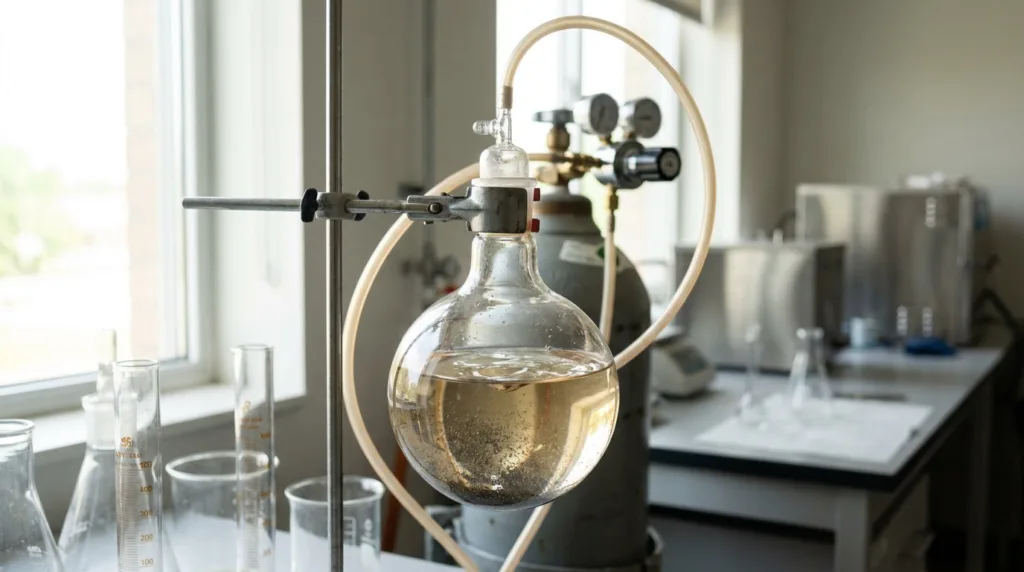
The process begins with cannabidiol (CBD) extracted from legal hemp. In most production pipelines, CBD is first chemically converted into delta-9 THC through an acid-catalyzed cyclization reaction. This intermediate THC then undergoes hydrogenation, the same fundamental reaction the food industry uses to turn vegetable oil into margarine. A metal catalyst — typically palladium, platinum, or nickel — facilitates the addition of hydrogen atoms across the double bond in THC's cyclohexene ring, fully saturating it and yielding hexahydrocannabinol. The saturated ring structure is also what makes HHC notably more resistant to oxidation and thermal degradation than THC, contributing to its longer shelf life.
Here is where the chemistry gets especially important for consumers. Hydrogenation doesn't produce a single molecule. It creates two distinct epimers — 9α-HHC and 9β-HHC — that differ only in the three-dimensional orientation of a single hydrogen atom at the C-9 position. That seemingly minor structural variation has meaningful pharmacological consequences. Research indicates that 9β-HHC (sometimes called the R epimer) binds more actively to CB1 receptors and drives most of the cannabinoid's psychoactive effects, while 9α-HHC (the S epimer) is considerably less potent.
Commercial HHC products typically contain a mixture of both epimers, and the ratio varies depending on manufacturing conditions — catalyst type, temperature, pressure, and reaction time all influence the final blend. A batch run at higher pressure with a palladium catalyst, for example, may skew toward the more active 9β form, while different conditions favor 9α. This variability is one reason effects can feel inconsistent from product to product, even within the same brand . For consumers, requesting a certificate of analysis that lists epimer ratios — not just total HHC content — offers the clearest window into what a given product will actually deliver.
HHC Effects: Does HHC Get You High?
One of the most frequently asked questions about this cannabinoid is straightforward: does HHC get you high? The short answer is that HHC is widely reported to be psychoactive, though most user accounts and early pharmacological observations suggest its potency falls somewhere between delta-8 THC and delta-9 THC rather than matching or exceeding traditional THC.
To understand why, it helps to look at what happens at the molecular level. Like delta-9 THC, HHC appears to bind to the CB1 receptor in the central nervous system — the primary receptor responsible for producing the characteristic cannabis "high." However, HHC's binding affinity at the CB1 receptor is generally considered to be somewhat lower than that of delta-9 THC, which likely accounts for the moderated intensity that many users describe.
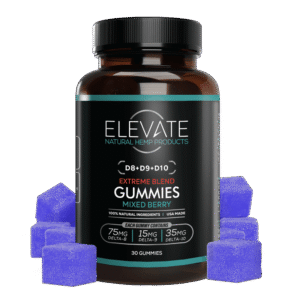
[PRODUCT:1]The epimer factor adds another layer of complexity. Commercial HHC is not a single molecule but rather a mixture of two diastereomers: 9α-HHC and 9β-HHC. These two forms are produced in varying ratios during the hydrogenation process, and they do not behave identically. The 9β (sometimes labeled 9R) epimer is believed to have a stronger affinity for the CB1 receptor and therefore greater psychoactive potential, while the 9α epimer appears to be considerably less active. This means the ratio of epimers in any given HHC product may significantly influence overall potency and the character of HHC effects a user experiences — a nuance that most product labels fail to disclose.
How do users describe the experience? Anecdotal reports commonly characterize the HHC high as mildly euphoric, gently relaxing, and clearer-headed than a comparable dose of delta-9 THC. Some users report less anxiety and paranoia at equivalent perceived effect levels, though individual responses vary widely and no controlled clinical trials in humans have confirmed these subjective impressions. It is important to note that "milder" does not mean "insignificant" — HHC is still a psychoactive cannabinoid, and responsible dosing, especially for newcomers, remains essential.
Because formal human pharmacokinetic studies on HHC are still lacking, much of what we understand about its effects relies on preclinical receptor-binding data and user-reported experiences rather than peer-reviewed clinical evidence. Consumers should approach potency claims with healthy skepticism until robust clinical research catches up with the market.
Will HHC Show Up on a Drug Test?
Yes, HHC can cause you to fail a drug test — and the widely circulated claim that this cannabinoid flies under the radar of standard screening is rapidly being debunked by analytical science.
When your body processes HHC, it breaks the compound down into specific metabolites, primarily HHC-COOH (11-nor-9-carboxy-hexahydrocannabinol) and HHC-OH (11-hydroxy-hexahydrocannabinol). These metabolites are structurally similar enough to THC-COOH — the marker that standard drug panels actually look for — that they can cross-react with the immunoassay antibodies used in routine urine screens. In practical terms, a workplace or athletic drug test designed to detect THC may return a positive result after HHC use, even though you never consumed delta-9 THC itself.
The science confirming this risk has advanced quickly. A 2024 study developed and validated a dedicated LC-MS/MS (liquid chromatography–tandem mass spectrometry) method capable of identifying HHC-COOH and HHC-OH in urine at low nanogram-per-milliliter concentrations. The researchers demonstrated that these metabolites serve as reliable verification markers of HHC intake, effectively closing the so-called "drug test loophole" that many consumers assumed existed (Scandinavian Journal of Clinical and Laboratory Investigation, 2024). A companion paper further discussed the broader implications for cannabis drug testing programs, noting that as HHC gains popularity as a recreational cannabinoid, testing laboratories are actively updating their protocols to flag its metabolites alongside traditional THC markers (Scandinavian Journal of Clinical and Laboratory Investigation, 2024).
The bottom line: if you are subject to any form of drug screening — whether for employment, athletics, legal compliance, or military service — you should treat HHC with the same caution you would apply to any THC-containing product. No metabolite is truly invisible to modern analytical chemistry, and assuming otherwise is a gamble with real consequences.
Is HHC Stronger Than CBD?
The question of whether HHC is "stronger" than CBD depends entirely on what you mean by strength — because these two compounds interact with the endocannabinoid system through fundamentally different mechanisms.
HHC binds directly to CB1 receptors in the central nervous system, which is the same receptor pathway responsible for the intoxicating effects associated with delta-9 THC. This CB1 receptor affinity gives HHC psychoactive potential — users may experience altered perception, euphoria, and other effects commonly linked to THC-type cannabinoids. The 9β-HHC diastereomer, in particular, appears to have notably higher CB1 binding activity than its 9α counterpart, which helps explain why the ratio of diastereomers in a given product influences its perceived potency.
Cannabidiol (CBD), by contrast, is a non-intoxicating cannabinoid that does not bind CB1 receptors with meaningful affinity. Instead, CBD interacts with the endocannabinoid system indirectly — modulating CB2 receptors, influencing serotonin signaling, and affecting enzymes that break down the body's own endocannabinoids. This is precisely why CBD does not produce a "high" regardless of dose.
So if "stronger" means more likely to produce intoxication, then yes — HHC has psychoactive potential that cannabidiol simply does not. But framing one cannabinoid as universally stronger than another oversimplifies how each compound works. They serve different purposes, activate different pathways, and produce distinctly different experiences.
The practical takeaway: HHC and CBD are not interchangeable. Anyone considering HHC as a substitute for their current CBD routine should understand that they are choosing a cannabinoid with a completely different interaction profile — one that includes intoxicating effects CBD does not deliver. If you want to explore further, you can learn more about what is HHC and how it compares across the broader cannabinoid landscape.
Is HHC Legal? Current Regulatory Landscape
The legal status of HHC occupies one of the most contested gray areas in cannabinoid regulation today, and the landscape shifts with each legislative session.
The 2018 Farm Bill legalized hemp and hemp-derived cannabinoids, extracts, and derivatives containing no more than 0.3% delta-9 THC by dry weight. Because commercially available HHC is typically synthesized from hemp-derived CBD, some manufacturers argue it qualifies as a legal hemp derivative under federal law. However, this interpretation is far from settled.
The DEA's 2020 Interim Final Rule complicated matters by clarifying that "synthetically derived tetrahydrocannabinols" remain Schedule I controlled substance listings. Since HHC is produced through catalytic hydrogenation — an industrial chemical process — regulators and legal scholars continue to debate whether the resulting cannabinoid should be classified as "synthetically derived" or as a legitimate hemp derivative. The DEA has not issued definitive guidance specifically addressing HHC, leaving enforcement in a state of ambiguity.
So why is HHC banned in some places? At the state level, regulators have grown increasingly cautious. States including Colorado, New York, Oregon, and several others have enacted restrictions or outright bans on hemp-derived intoxicating cannabinoids, including HHC. These state regulations often cite consumer safety concerns, the lack of manufacturing oversight, inconsistent product testing standards, and the psychoactive nature of these compounds as justification.
Because this regulatory patchwork is actively evolving, consumers should independently verify their local and state laws before purchasing any HHC product. If you want to learn more about what is HHC and how it compares to other cannabinoids, understanding its legal complexity is an essential starting point.
This section is for informational purposes only and does not constitute legal advice.
Potential Benefits and Reported Uses of HHC
Because HHC is a relatively recent arrival in the consumer cannabinoid market, rigorous clinical trials are virtually nonexistent. Most of what we know about its potential benefits comes from anecdotal user reports, limited preclinical data, and extrapolation from better-studied cannabinoids such as delta-9 THC and CBD. That context matters: every claim in this section should be read as preliminary, not proven.
Relaxation and mood support. The most frequently cited reason people reach for HHC is relaxation. Users commonly describe a mild-to-moderate sense of calm that feels less intense than traditional THC, though individual responses vary widely depending on dosage, the ratio of 9α-HHC to 9β-HHC diastereomers in the product, and personal tolerance. No controlled human studies have yet confirmed these subjective reports.
Discomfort management. Some early preclinical research on structurally related cannabinoids suggests that hydrogenated compounds may interact with CB1 and CB2 receptors in ways relevant to physical discomfort, but direct evidence for HHC specifically remains sparse. Anecdotal accounts describe temporary relief; however, these experiences are not a substitute for professional medical advice.
Appetite stimulation. Like several other cannabinoids that bind to CB1 receptors, HHC has been anecdotally associated with increased appetite. Preliminary research on cannabinoid receptor activity supports the plausibility of this effect, yet dedicated HHC studies are needed before any firm conclusions can be drawn.
It is critical to emphasize: HHC is not approved by the FDA to diagnose, treat, cure, or prevent any disease. If you are considering HHC for a specific health concern, consult a qualified healthcare provider first. To explore available options and make an informed choice, browse our what is hhc collection for third-party-tested products with transparent lab reports.
How Do People Use HHC Products?
As this cannabinoid has gained mainstream visibility, HHC products have arrived in a variety of familiar formats designed to suit different preferences and lifestyles. Understanding these formats — and knowing how to evaluate them critically — is essential before making any purchase.
Common Product Formats
The most popular delivery methods mirror those found across the broader hemp-derived cannabinoid market:
- Vapes — Cartridges and disposable pens containing HHC distillate offer rapid onset because the cannabinoid is absorbed through lung tissue. This format is favored by users who want to gauge their individual response quickly.
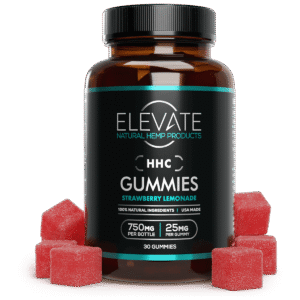
- Gummies — Edible options provide a pre-measured serving in each piece, though onset is slower because the cannabinoid must pass through the digestive system before reaching the bloodstream.
- Tinctures — Sublingual oils allow users to hold the liquid under the tongue for absorption, offering a middle ground between the speed of inhalation and the convenience of edibles.
- Distillates — Concentrated HHC oil is also sold for use in DIY formulations or dab rigs, though this format is typically pursued by more experienced consumers.
Evaluating Quality and Safety
Because HHC is a semisynthetic cannabinoid produced through industrial chemistry, product purity varies significantly between manufacturers. Before purchasing, look for a current certificate of analysis (COA) from an accredited lab. Reputable brands invest in third-party testing that screens for residual solvents, heavy metals, and accurate cannabinoid potency — details that should be publicly accessible, not hidden behind a customer service request.
Regardless of the format you choose, the widely accepted guidance within the industry is to start with the lowest available serving and observe your body's response over an appropriate window before adjusting. Individual tolerance varies, and HHC's psychoactive profile — while generally reported as milder than delta-9 THC — still warrants a cautious, incremental approach, especially for those new to intoxicating cannabinoids.
The Bottom Line on HHC
HHC sits at a unique intersection of established chemistry and emerging consumer science. Its hydrogenated structure gives it real advantages in stability and shelf life; its epimer complexity means product quality varies more than most buyers realize; and its legal status remains a moving target. What is clear is that this cannabinoid is psychoactive, can trigger a positive drug test, and is not interchangeable with CBD. Armed with the information above — and a commitment to verifying third-party lab results before purchasing — you are in a far stronger position to decide whether HHC belongs in your routine.
Join Our Newsletter
Sign up to be the first to know about our can't-miss product drops, special VIP offers & exclusive discounts.