THC-O Flower: What You Need to Know About THC & Hemp
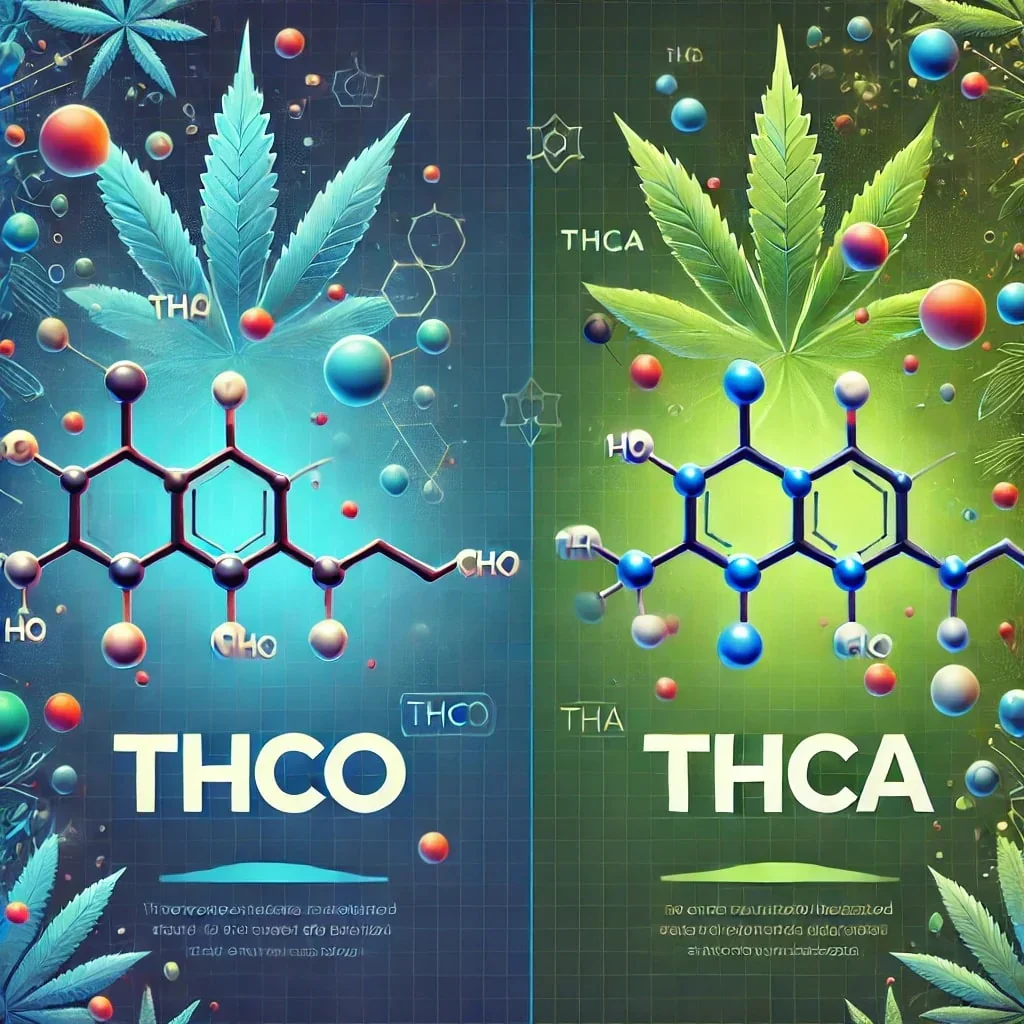
THC-O flower is hemp flower infused with THC-O acetate, a synthetic cannabinoid. , Potency: 2-3x stronger than Delta 9 THC, Onset: 20-30 minutes when vaped, Effects: More psychedelic and introspective THC-O is synthetically derived and faces increasing regulation. Verify legality in your state.
THC-O flower represents a novel approach to experiencing the effects of THC through hemp. This article delves into the essentials of THC-O, its relationship with hemp and cannabis, and what consumers should know about this increasingly popular cannabinoid. By providing clear, compliant information, we aim to enhance your understanding of THC-O and its place in the evolving landscape of hemp products.
Understanding THC-O
What is THC-O?
THC-O, or THC-O acetate, is a synthetic cannabinoid derived from hemp. Understanding that THC-O is a synthetic compound is crucial for responsible consumption and awareness of its effects. The key differences between THC-O and delta 9 THC can be summarized as follows:
| Feature | THC-O Acetate |
|---|---|
| Origin | Produced through a chemical process that involves adding an acetate molecule to THC extract |
| Potency (vs. regular THC) | Approximately 3x more potent |
Forms of THC-O and Their Differences
THC-O is available in various forms, each offering a unique consumption experience. You can find it in products such as:
- THC-O flower, which is typically hemp flower infused with THC-O distillate.
- Vapes containing THC-O.
- Edibles.
The primary difference between these lies in how the substance is delivered into the body, affecting the onset and duration of effects. THC-O hemp flower, for example, can be smoked or vaporized, while edibles offer a longer-lasting experience.
Benefits and Effects of THC-O
The effects of using THC-O can be quite potent due to its enhanced psychoactive properties. Some users report experiencing a more intense "THC-O high" compared to delta 8 THC or delta 9 THC. Because THC-O is 3x more potent than THC, it may induce altered perceptions and, in some cases, psychedelic-like effects. However, because THC-O is a synthetic cannabinoid, it is important to approach it with caution. Its strong effects may not be desirable for all consumers.
Exploring Hemp Flower
What is Hemp Flower?
Hemp flower refers to the buds of the hemp plant, which, under the Farm Bill of 2018, contains less than 0.3% delta 9 THC on a dry weight basis, making it federally legal hemp. Unlike cannabis, hemp flower is primarily cultivated for its CBD content and other non-intoxicating cannabinoids. The legal hemp flower is often used for wellness purposes, providing a natural alternative without the psychoactive effects associated with cannabis products.
Comparing Hemp Flower to Marijuana
The primary distinction between hemp flower and marijuana lies in their delta 9 THC content. While both come from the cannabis plant, marijuana contains higher concentrations of delta-9 THC, the main psychoactive compound. Hemp flower, in contrast, contains minimal delta 9 THC and is rich in CBD and other cannabinoids. Because of the difference in THC concentration, hemp flower is legal at the federal level, while marijuana remains a controlled substance in many states.
The Role of CBD in Hemp Flower
CBD, or cannabidiol, is a major cannabinoid found in hemp flower. CBD is known for its potential wellness benefits. Unlike THC, CBD is non-intoxicating, making hemp flower a popular choice for those seeking the therapeutic effects of cannabinoids without the "high" of using THC. Because of the Farm Bill, legal hemp flower is now widely available, offering a variety of CBD products for consumers seeking natural relief.
THC-O Flower Products
THC-O Flower vs. THC-O Gummies
THC-O flower and THC-O gummies represent two different ways to experience the effects of THC-O. THC-O flower involves infusing hemp flower with THC-O distillate, allowing for consumption through smoking or vaping. In contrast, THC-O gummies are edibles infused with THC-O, offering a discreet and convenient method of consumption. The main difference lies in the onset and duration of effects, with vapes or THC-O hemp flower generally producing faster, shorter-lived effects compared to the longer-lasting effects of edibles.
Disposable THC-O Products
Disposable THC-O products, such as vapes, offer a convenient and easy way to experience THC-O. These devices come pre-filled with THC-O distillate and are designed for single-use, eliminating the need for refilling or maintenance. The ease of use and portability make disposable THC-O vapes a popular choice for those seeking a discreet and convenient method of consuming this potent cannabinoid. However, it's important to purchase from reputable sources to ensure product quality and safety.
Infusing THC-O into Other Products
THC-O can be infused into a variety of products to create novel consumption experiences. Beyond THC-O flower and vapes, this synthetic cannabinoid can be added to edibles, tinctures, and even topicals. The process typically involves extracting THC from hemp and converting it into THC-O acetate through a chemical reaction. The resulting THC-O can then be infused into the desired product, offering consumers a diverse range of options for experiencing its effects.
Delta Variants of THC
Understanding Delta 8 THC
Delta 8 THC is a cannabinoid closely related to delta 9 THC, but with a slightly different molecular structure. Delta 8 THC is found in small amounts in hemp and cannabis plants and is often produced from CBD. While delta 8 THC can produce psychoactive effects, users report that it is generally less potent than delta 9 THC. Delta 8 is another form of THC that occurs in cannabis and can be extracted.
Understanding Delta 9 THC
Delta 9 THC is the primary psychoactive compound found in cannabis. It is responsible for the "high" associated with cannabis use. Delta 9 THC interacts with the body's endocannabinoid system, producing a range of effects. Under the Farm Bill of 2018, cannabis products containing more than 0.3% delta 9 THC are considered controlled substances at the federal level, while legal hemp products must contain less than that amount.
Comparing Delta 8 and Delta 9 THC Effects
When comparing delta 8 THC and delta 9 THC, the primary difference lies in their potency and effects. Delta 9 THC is more psychoactive and is the form of THC most associated with cannabis. Delta 8 THC is considered less potent, with users reporting a milder high. Although both interact with the same receptors in the brain, the intensity of the interaction differs, resulting in varied experiences. It's important to remember that effects can vary between individuals using THC-O.
Safety and Legality of THC-O
Is THC-O Legal?
The legality of THC-O is complex and varies depending on the jurisdiction. Because THC-O is a synthetic cannabinoid, it exists in a gray area under federal law. Under the Farm Bill, legal hemp products containing less than 0.3% delta 9 THC are federally legal. However, because THC-O is often produced from legal hemp-derived cannabinoids like CBD, it doesn't necessarily fall under this protection. It's synthetic and not found naturally.
Potential Risks of THC-O Consumption
There are potential risks associated with using THC-O because THC-O is a synthetic cannabinoid. Since the production of THC-O involves chemical processes, it is crucial to purchase THC-O products from reputable sources that conduct thorough testing for contaminants and residual solvents. The potency of THC-O, often 3x more potent than regular THC, also increases the risk of overconsumption and adverse effects. Always exercise caution.
Understanding the THC-O High
The THC-O high is often described as more intense and psychedelic compared to delta 8 THC or delta 9 THC. Users may experience altered perceptions, heightened sensory experiences, and a strong sense of euphoria. Because THC-O is a synthetic substance, it can have unpredictable effects, and its potency requires careful dosage. It's important to be in a safe environment when using THC-O, especially for the first time, given it's synthetic.
Join Our Newsletter
Sign up to be the first to know about our can't-miss product drops, special VIP offers & exclusive discounts.