5 Best THC Vapes for Ultimate Relaxation
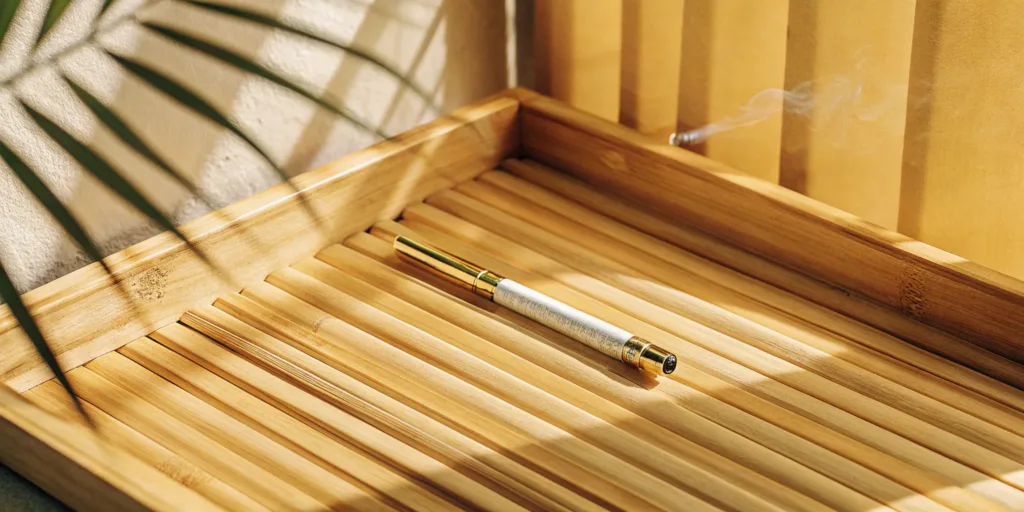
This guide is for adults who want to unwind with a THC vape without overdoing it. It explains how dose, terpenes, hardware, and lab reports shape a calm session, and where the law stands.
Featured Product
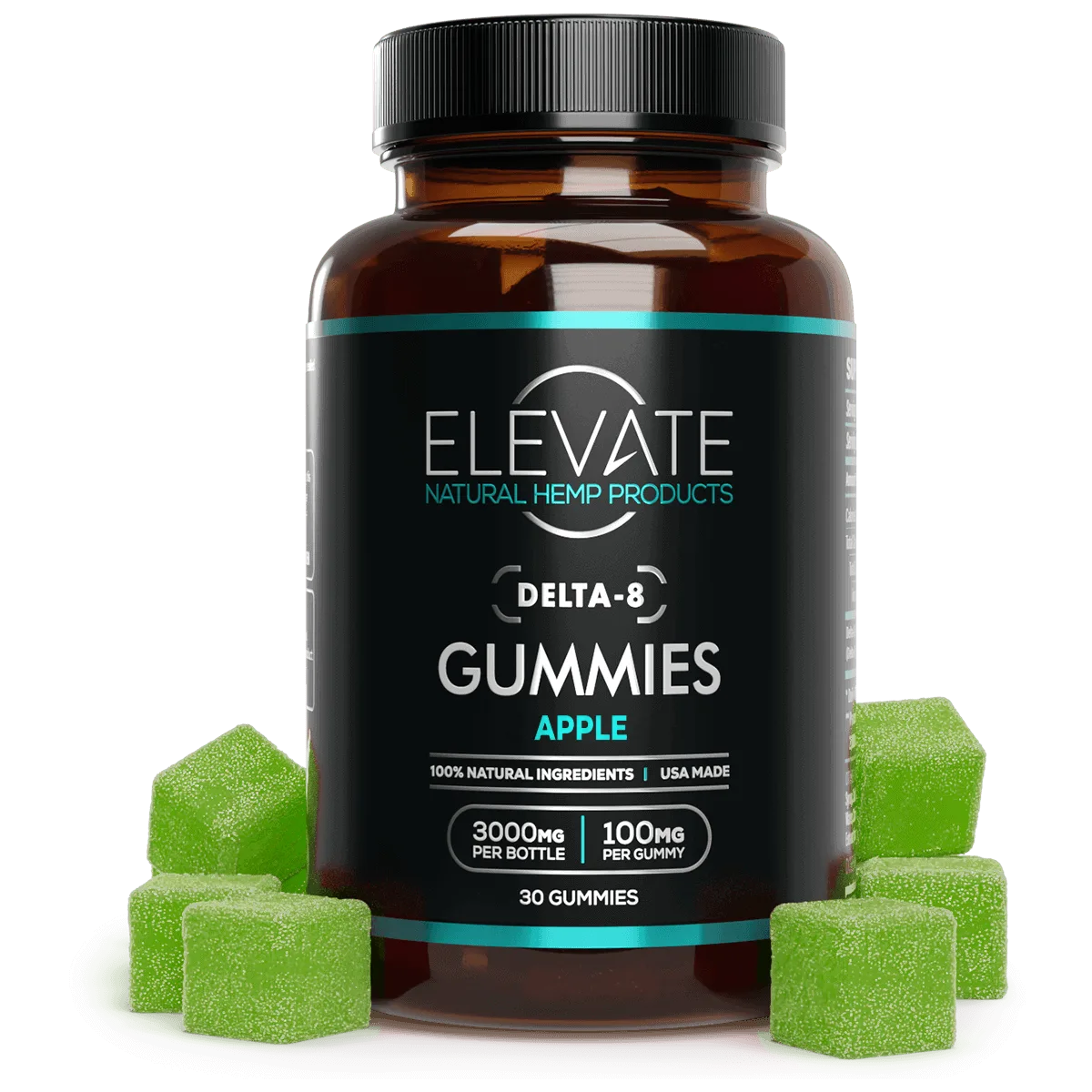
3000mg Delta 8 Gummies
$146.95
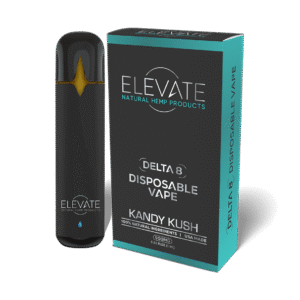
Shop NowThe best THC vape for relaxation is a lab-tested, balanced hybrid or indica-leaning product used at a modest dose, such as a delta-8 disposable or cartridge with a current certificate of analysis. Potency and strain names predict calm less reliably than the batch's terpene profile, so take one or two puffs and wait 10 to 15 minutes.
Table of Contents
- Key Takeaways
- How Do THC Vapes Help You Relax?
- What Is the Best THC for Relaxing: Indica, Hybrid, or Sativa?
- Which Terpenes and THC-to-CBD Ratios Support Relaxation?
- Is a THC Vape Good for Anxiety?
- What Makes a Great THC Vape for Unwinding?
- What Is the Difference Between Delta-8, Delta-10, and THCA Vapes?
- How Do You Find the Right Dose and Temperature?
- How Can You Spot a Low-Quality or Unsafe THC Vape?
- Frequently Asked Questions
Key Takeaways
- A modest dose of a lab-tested, balanced hybrid or indica-leaning product is the more cautious route to relaxation.
- Strain names and high THC percentages predict calm less reliably than a batch's terpene profile and certificate of analysis.
- Start with one or two puffs, wait 10 to 15 minutes, and add only one puff at a time.
- The federal hemp definition changes in two steps, November 12 and December 11, 2026, and state law still governs sales.
- THC can feel anxious at higher doses, so talk with a healthcare professional if you have anxiety or heart concerns.
How Do THC Vapes Help You Relax?
If you want to unwind, it helps to know what is happening in your body. A thc vape may help you relax by delivering THC, which activates CB1 receptors in the endocannabinoid system, the network involved in mood, stress response, and sensory processing. Inhalation onset time is fast, and most users report noticing effects within a few minutes. Individual response varies, and this is general education, not medical advice.
Vaping feels quicker than edibles because of how the cannabinoid reaches your bloodstream. Inhaled THC passes through the lungs and enters circulation almost immediately. Edibles must be digested and processed by the liver first, so effects usually take 30 to 120 minutes to arrive and last longer. That speed makes a vape pen easier to dose in small steps: take one puff, wait several minutes, and then decide whether you want more. Many people who want a calm evening start with a modest dose of chill thc products for this reason, since a gentle, controllable pace matters more than intensity.
Several myths are worth correcting:
- "More THC always means more relaxation." Higher potency does not reliably produce more calm. At large doses, some people report racing thoughts, dry mouth, or anxiety instead. A modest dose from a balanced product is often the more comfortable route to relaxation.
- "The strain name predicts the effect." Names are often marketing labels. The batch's cannabinoid and terpene profile, plus your dose, is a better guide.
- "Faster onset means a stronger effect." Speed describes timing, not strength. Fast onset is also why overdoing it is easy, so patience between puffs helps.
So, is there a vape that relaxes you? Some products are associated with a calmer experience, but the result depends on your dose, your tolerance, and the product's chemistry, not on one magic device.
What Is the Best THC for Relaxing: Indica, Hybrid, or Sativa?
Indica-leaning and balanced hybrid strains are the ones most often chosen for body relaxation, while sativa-leaning strains tend to feel more energizing and mentally stimulating. That is a useful starting point, but it is not a guarantee. The label describes a general reputation. It does not reliably predict how a specific batch of THC will feel for you.
What shapes the experience is the cannabinoid and terpene profile, along with your dose, tolerance, and body chemistry. Terpenes such as myrcene and linalool are often associated with calmer, more sedating effects, while limonene and pinene show up more in products described as uplifting. A strain name is a weak hint. The batch-specific lab report tells you more than the name does.
Three well-known strains show how this works in practice:
- Granddaddy Purple: an indica-leaning strain that users often describe as heavy and calming, which is why it is a common pick for evening wind-down.
- Blackberry Kush: another indica-leaning strain, which users commonly link to a deep, body-focused feeling.
- Blue Dream: a sativa-leaning hybrid with a reputation for a gentler, more balanced effect, often a lighter place to start.
Treat these as education, not a shopping list. Two products sold under the same strain name can feel quite different. If you want to browse options, our chill thc collection is one place to compare.
For most people seeking relaxation, a balanced hybrid or indica-leaning cannabis product at a modest dose is the more cautious choice. Higher THC does not automatically mean more calm, and too much can feel anxious rather than relaxing. Start with a puff or two, wait several minutes, and adjust slowly. Responses vary, so a pick that works for a friend may not work for you.
Which Terpenes and THC-to-CBD Ratios Support Relaxation?
If strain names are a weak guide, terpenes are the better place to look. Four come up most often in calming vape profiles. Here is what each is associated with, based on user reports and early research rather than firm clinical proof:
- Myrcene: an earthy, musky terpene that users often link to a heavy, "settled" body feel.
- Linalool: a floral, lavender-like terpene associated with a soothing, unwinding mood.
- Beta-caryophyllene: a peppery terpene that has been studied for how it interacts with cannabinoid receptors.
- Limonene: a citrus terpene users describe as mood-lifting, which can balance out sedating profiles.
Because terpene content varies by batch, a strain name is a weak guide. A batch-specific lab report is more reliable when you compare products.
Adding CBD is the other lever. A 1:1 or 2:1 THC-to-CBD ratio gives you less THC per puff, and many users report a gentler, less racy effect than with THC alone. This interplay is often called the entourage effect. It is a popular theory, and the evidence is still preliminary. Hemp-derived CBD is also not intoxicating in the way THC is, and the World Health Organization's CBD review describes it as generally well tolerated.
What is the difference between THC and CBD for sleep and insomnia?
THC is the intoxicating cannabinoid. Some people find its sedating effects help them wind down, but higher doses may leave them feeling groggy or restless. CBD does not cause a high, and it has been studied for relaxation and sleep, but the evidence is limited and mixed. Neither is a guaranteed sleep aid, so speak with a healthcare professional about persistent insomnia.
Is a THC Vape Good for Anxiety?
It depends on the person and the dose. Some people report that a small amount of THC feels calming, while others feel more anxious, racing-hearted, or paranoid, especially with high-potency products. No thc vape is reliably "good for anxiety," so the honest answer is a cautious maybe.
Researchers describe this pattern as a biphasic dose response: low doses may feel relaxing, while higher doses can tip the same person toward unease. Potency matters because vaping delivers THC within minutes, so it is easy to overshoot before you notice. Starting with one small puff and waiting is the safer approach.
This is also why a balanced THC:CBD ratio is the more conservative choice. CBD does not produce a high, and the World Health Organization's CBD review describes it as generally well tolerated. Preliminary research suggests it may modulate some of THC's effects, though results are mixed and not a guarantee. A cbd vape on its own is a different product with a different effect profile, so it is not a direct substitute for THC.
What vapes are best for anxiety? No vape is proven best. A more cautious pick is a lab-tested, lower-potency cannabis product with some CBD. Users often report that a terpene such as linalool or myrcene feels softer, though individual responses vary.
Vaping cannabis is not risk-free for everyone. Be especially careful if you have heart concerns, since THC can raise heart rate.
Talk to a healthcare professional before using THC if you have an anxiety disorder, heart problems, or take medications, or if cannabis regularly makes you feel panicky.
What Makes a Great THC Vape for Unwinding?
Once you know what to look for in the oil, the next question is the product itself. A great relaxation vape combines clean, lab-verified oil, a flavorful terpene profile, and reliable hardware. Potency matters less than consistency: a batch with a current certificate of analysis, balanced terpenes, and a smooth-drawing device is more likely to give a calm, predictable experience.
Live resin vs. distillate
Distillate is refined to a high THC percentage and is usually neutral in flavor, with terpenes added back afterward. Live resin is made from flash-frozen plant material and tends to keep more of the original terpene profile, which users often describe as fuller and more aromatic. Neither is automatically better. If you want a gentle, flavorful session, a terpene-rich oil is a reasonable place to start.
Hardware essentials
Most vape cartridges use a ceramic coil, which heats evenly and helps limit burnt tastes. Check that the cart threads onto a standard 510-thread battery, ideally one with adjustable voltage, so you can keep the temperature low. Airflow also matters: a restricted draw can make each puff harsher and encourage longer pulls. Design details like these shape how a device feels and how much vapor you take in.
Vapor quality and format
Good vapor is smooth, lightly flavored, and not scratchy. A thin, overly hot, or acrid draw often points to poor oil or poor heating. A disposable vape is all-in-one, so there's no battery to match, which makes it convenient. A refillable-battery vape pen with a cartridge offers more control over temperature and dose. A disposable vape pen suits simplicity, while a cart and battery pairing suits fine-tuning.
What Is the Difference Between Delta-8, Delta-10, and THCA Vapes?
Beyond standard Delta-9 products, you will also see other cannabinoids on the shelf. All three below are found in cannabis, but they differ in how they are made and how they tend to feel. Here is a side-by-side comparison.
| Type | Source | Typical feel | How it is used in vapes |
|---|---|---|---|
| Delta-8 THC | Minor cannabinoid, usually converted from hemp-derived CBD | Commonly described as milder and body-focused | Distillate in cartridges and disposable pens |
| Delta-10 THC | Trace cannabinoid, usually made by conversion from hemp-derived compounds | Commonly described as more uplifting and mentally active | Distillate, often blended with terpenes for flavor |
| THCA | Raw acidic precursor in the cannabis plant | Non-intoxicating until heated | Diamonds or concentrates, or blended into some disposable formulas |
When people say "hemp-derived," they usually mean the definition in the 2018 Farm Bill: cannabis containing no more than 0.3% delta-9 THC on a dry-weight basis. As of November 2026, that definition is being rewritten, and the change takes effect in two steps, on November 12, 2026 and December 11, 2026, depending on product type. The new definition measures total THC (delta-9 plus THCA), excludes cannabinoids synthesized outside the plant or that the plant cannot naturally produce, and caps finished hemp-derived products at 0.4 mg of total THC per container. Most provisions apply from December 11, 2026, while the exclusion for cannabinoids the plant cannot naturally produce applies from November 12, 2026. Which date applies to CBD-converted delta-8 is contested, so check how it affects any product you are considering. Bills to delay or repeal the change have been proposed but are not law.
State law also continues to govern retail sale, and the federal change does not make a product legal in a state that bans it. This is general information, not legal advice.
THCA converts to Delta-9 THC when heated, which is why a THCA vape can still feel strong despite the "non-intoxicating" label on the raw flower.
Which THC vape type is best for relaxation: Delta-8 or Delta-10? Delta-8 is the more common pick, since users often report a calmer, body-centered feel. Delta-10 tends to be described as brighter. Results shift with dose, terpenes, and individual body chemistry. A low dose and a lab report for the specific batch are the safer starting points.
How Do You Find the Right Dose and Temperature?
Take one or two small puffs, wait 10 to 15 minutes, and vape at a lower temperature to keep the terpene flavor intact and the hit smooth. That answers the common question of how many puffs of a THC vape you should take to relax: usually one or two, then reassess. This is the start low go slow approach, and it works because inhaled effects can build after the first few minutes. If you're comparing products, look for modest-potency options and a batch-specific lab report.
- Check the THC percentage and potency. A higher THC percentage means more potency per puff, not more relaxation. Lower to moderate numbers are easier to manage.
- Take one or two small puffs. Keep each puff short and gentle, then put the vape pen down.
- Wait 10 to 15 minutes. Notice your body and mind before deciding on more. Add only one puff at a time.
- Use low-temperature vaping if your hardware allows. A variable voltage battery lets you choose the lowest setting that still produces vapor. Cooler vapor tends to taste more of terpene and feel less harsh. If your cart has no adjustment, take shorter puffs with longer pauses.
- Set the environment first. Choose a comfortable, familiar space, keep water nearby, and avoid mixing THC with alcohol or driving.
- Keep notes. Record the product, number of puffs, and how you felt so you can repeat what worked.
Hardware also affects your dose. Devices differ in coil, airflow, and voltage, so don't assume two devices deliver the same amount per puff. Individual response varies, and anyone with health concerns should talk with a healthcare professional before vaping THC.
How Can You Spot a Low-Quality or Unsafe THC Vape?
Even a careful dosing routine only works if the product is trustworthy. Look for these red flags before you buy or keep using a product:
- No COA: The product has no batch-specific Certificates of Analysis (COAs), or the QR code leads nowhere.
- No third-party lab testing: Only in-house claims are offered, with no named independent lab.
- Unverifiable seller: There is no business address, no licensing information, and sales run through social media or pop-up listings.
- Suspicious price or packaging: The price is far below market, or the box has typos, copied brand art, or missing batch numbers.
- Harsh taste or smell: Burnt, chemical, or metallic flavors are warning signs.
- Leaking or faulty hardware: Oil pools at the mouthpiece, the draw is clogged, or the battery overheats.
These checks matter because unregulated retail leaves quality control largely to the seller. Vape cartridges and all-in-one devices can differ widely in oil purity, potency accuracy, and build quality. A COA is the most direct way to confirm cannabinoid content and screen results for contaminants.
The same logic applies to any format. A refillable cart should match its lab report, and a disposable vape should carry a traceable batch number. Check that vape cartridges fit your battery and aren't loose or leaking.
Stop using a product if you notice throat irritation, coughing, chest discomfort, dizziness, a racing heart, or an off taste. Keep the packaging and talk with a healthcare professional if symptoms persist. This is educational information, not medical advice.
In short, relaxing with a THC vape comes down to a few habits: choose a lab-tested product, keep the dose modest, wait between puffs, and adjust slowly. Strain names and high potency promise more than they deliver, while a batch-specific COA and a patient pace give you a calmer, more predictable experience. Responses vary from person to person, so let your own notes guide you, and check with a healthcare professional if you have any health concerns.
Frequently Asked Questions
How long does a THC vape take to work?
Most users report noticing effects within a few minutes of inhaling, because inhaled THC reaches the bloodstream quickly. Edibles usually take 30 to 120 minutes. Because vape effects arrive fast, it helps to take one small puff, wait several minutes, and only then decide whether you want more.
Is a disposable vape or a cartridge better for beginners?
A disposable vape is all-in-one, so there is no battery to match, which makes it simple. A cartridge with a battery gives more control over temperature and dose. Either can work. Choose the one you find easier to use at a small dose, and check for a batch-specific lab report.
Does CBD make a THC vape more relaxing?
Some users report a gentler, less racy effect from a 1:1 or 2:1 THC-to-CBD ratio, partly because there is less THC per puff. Research on how CBD interacts with THC is preliminary and mixed, so it is not a guarantee. Individual response varies with dose and tolerance.
Does the federal hemp law change affect delta-8 vapes?
The federal hemp definition changes in two steps, taking effect November 12, 2026 and December 11, 2026, depending on product type. Which date applies to CBD-converted delta-8 is contested. State law still governs retail sale. This is general information, not legal advice.
What should I check on a THC vape before using it?
Look for a batch-specific certificate of analysis from a named independent lab, a verifiable seller, clean packaging with batch numbers, and hardware that does not leak. Stop using a product if it tastes burnt or chemical or if you notice throat irritation, dizziness, or a racing heart.
Join Our Newsletter
Sign up to be the first to know about our can't-miss product drops, special VIP offers & exclusive discounts.