
How Long Does Delta 8 Stay In System - Full Guide
Delta-8 THC stays in your system 1-7 days depending on usage frequency, body weight, and metabolism. It metabolizes similarly to delta-9 THC.
Table of Contents
- What Is Delta-8 THC?
- How Delta-8 THC Is Metabolized in Your Body
- How Long Does Delta-8 Stay in Your System?
- Delta-8 Detection Times by Drug Test Type
- Factors That Affect How Long Delta-8 Stays in Your System
- Will Delta-8 Show Up on a Standard Drug Test?
- Can You Speed Up Delta-8 Elimination?
- Delta-8 vs. Other Cannabinoids: Detection Comparison
- Frequently Asked Questions
What Is Delta-8 THC?
Delta-8 THC is one of over a hundred cannabinoids found naturally in the cannabis plant, though it occurs in only trace concentrations. Chemically, delta-8 THC is an isomer of the more widely known delta-9 THC—the primary psychoactive compound in marijuana. The two molecules are nearly identical; the only structural difference is the placement of a single double bond on the carbon chain. That small distinction produces a milder psychoactive experience, which is why many users report that delta 8 feels less intense than traditional THC. Yet from a metabolic standpoint, the similarity is significant enough to matter every time someone wonders how long delta 8 might stay in their system.
Unlike CBD, which is non-intoxicating and interacts with the endocannabinoid system in a fundamentally different way, delta 8 THC binds directly to CB1 receptors in the central nervous system. This binding activity is what produces its characteristic euphoria, relaxation, and altered perception—effects that place it in a different category from hemp-derived CBD products, even though both compounds can originate from the same plant.
The legal landscape adds another layer of complexity. The 2018 Farm Bill federally legalized hemp and hemp-derived compounds containing no more than 0.3 percent delta-9 THC by dry weight. Because delta-8 THC can be synthesized from hemp-derived CBD, many manufacturers argue it falls under the Farm Bill's protections. However, several states have moved to restrict or ban it outright, and the FDA has not approved delta-8 THC for any medical use. The agency has issued consumer warnings about the lack of regulatory oversight, inconsistent product labeling, and potential safety concerns surrounding synthetically converted cannabinoids.
This regulatory gray area is precisely why detection timelines deserve serious attention. A product sold legally on a store shelf can still generate metabolites in your body that are virtually indistinguishable from delta-9 THC metabolites on a standard drug screening. Your employer's testing panel, a court-ordered screen, or a pre-employment urinalysis will not differentiate between the two. Understanding how long delta 8 THC lingers in your system is not an academic exercise—it is a practical necessity for anyone who uses these products and may face testing. To learn more about how long does delta 8 stay in system, the sections ahead break down metabolism, detection windows, and the personal variables that influence clearance.
How Delta-8 THC Is Metabolized in Your Body
To understand how long delta 8 THC lingers in your body, you first need to understand what happens to it once it enters your bloodstream. The journey from consumption to elimination follows a predictable pharmacokinetic pathway—and it's this pathway that determines whether you'll pass or fail a drug screening days or even weeks after your last dose.
When you consume delta-8 THC, the route of administration determines how quickly it reaches your bloodstream. Inhalation through vaping delivers cannabinoids to your lungs, where they pass almost immediately into circulation. Edibles, on the other hand, travel through your digestive tract before reaching the liver—a slower process that delays onset but extends the overall duration of effects and metabolite production.
Regardless of how delta-8 enters your system, the liver is where the critical transformation happens. Hepatic enzymes—primarily the cytochrome P450 family—break delta-8 THC down through a process called Phase I metabolism. The first major metabolite produced is 11-hydroxy-THC, an active compound that is itself psychoactive and capable of crossing the blood-brain barrier. This is why edibles often feel more potent: the first-pass liver metabolism generates a significant concentration of 11-hydroxy-THC before the parent compound even circulates fully.
From there, 11-hydroxy-THC undergoes further oxidation into THC-COOH (11-nor-9-carboxy-THC), an inactive metabolite that your body stores and eliminates gradually. THC-COOH is the primary marker that standard immunoassay drug tests are designed to detect. Here's the critical detail most people miss: THC metabolites from delta-8 and delta-9 are structurally nearly identical. The metabolic pathway produces the same downstream compounds, which means drug screenings cannot reliably distinguish between the two. Whether you consumed federally legal hemp-derived delta-8 or conventional delta-9 cannabis, the metabolites flagged on a urine, blood, or hair test look essentially the same.
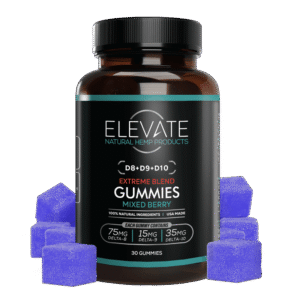
[PRODUCT:1]What makes cannabinoids particularly persistent is their lipophilic nature. Unlike water-soluble substances that your kidneys can flush relatively quickly, delta-8 THC and its metabolites are fat-soluble. They accumulate in adipose (fat) tissue throughout your body and are released back into the bloodstream slowly over time as fat cells undergo normal metabolic turnover. This is why the half-life of THC-COOH in the body is estimated to range from several days in occasional users to potentially weeks in chronic consumers—the compound literally hides in your fat stores and re-enters circulation in small but detectable amounts.
Elimination follows a multi-phase curve. Initial blood concentrations of delta-8 THC drop rapidly within the first few hours as the compound distributes into tissues and undergoes liver metabolism. But the terminal elimination phase—when stored metabolites gradually leave fat tissue, re-enter the blood, and are finally excreted through urine and feces—can stretch over a surprisingly long period. Factors like body fat percentage, metabolic rate, hydration, physical activity, and frequency of use all influence how quickly your system clears these compounds entirely.
The bottom line is straightforward: your body processes delta-8 THC through the same enzymatic machinery it uses for delta-9, producing overlapping metabolites that standard drug panels are specifically calibrated to detect. If you'd like to learn more about how long does delta 8 stay in system, understanding this metabolic foundation is the essential first step toward making informed, realistic decisions about timing and detection risk.
How Long Does Delta-8 Stay in Your System?
You've been enjoying delta-8 gummies on the weekends, figuring the "legal hemp" label keeps you in the clear — then a workplace drug screening lands on your calendar. Here's the reality: delta-8 THC may be federally legal under the 2018 Farm Bill, but your body metabolizes it into THC-COOH, the same class of metabolite that standard drug panels flag for delta-9 THC. In other words, the test doesn't care which THC isomer you consumed.
Because individual metabolism, body fat percentage, hydration, and dosing habits all play a role, detection times vary widely from person to person. The table below summarizes general detection window estimates based on usage frequency. These ranges represent approximations — not guarantees — and your personal results may fall outside them.
| Usage Level | Urine | Blood | Saliva | Hair |
|---|---|---|---|---|
| Occasional users (1–2 times/week) | 3–7 days | 1–2 days | 1–3 days | Up to 90 days |
| Moderate users (3–4 times/week) | 7–14 days | 2–3 days | 3–5 days | Up to 90 days |
| Frequent users (daily) | 15–30 days | 3–7 days | Up to 7 days | Up to 90 days |
| Heavy users (multiple times daily) | 30–60+ days | Up to 14 days | Up to 14 days | Up to 90 days |
A few critical points to keep in mind. First, THC-COOH is fat-soluble, which means it accumulates in adipose tissue and releases slowly over time — especially for heavy users or individuals with higher body fat. Second, urine testing remains the most common workplace screening method, and delta-8 THC is highly likely to be detectable on these panels. Third, hair follicle tests capture a rolling 90-day history regardless of usage frequency, making them the hardest to clear.
It's also worth addressing a persistent myth: drinking excessive water or using over-the-counter detox kits will not meaningfully accelerate how quickly your system clears these metabolites. Overhydration may dilute a urine sample, but most labs flag diluted specimens and require a retest.
The bottom line is that individual variation is significant, and no online calculator can predict your exact clearance timeline. If you'd like to learn more about how long does delta 8 stay in system, including the specific factors that extend or shorten your personal detection window, keep reading — we break down the science section by section below.
Delta-8 Detection Times by Drug Test Type
Not all drug test methods are created equal, and the detection window for delta-8 THC varies significantly depending on which type of screening you face. Your body converts delta-8 into metabolites—primarily THC-COOH and 11-hydroxy-THC—that are nearly structurally identical to those produced by delta-9 THC. Because standard drug panels target these shared metabolites rather than the parent cannabinoid itself, delta-8 is detectable on virtually every common screening method. Below, we break down what to expect from each test type so you can learn more about how long does delta 8 stay in system with realistic timelines.
How Long Will Delta-8 Show Up in a Urine Test?
A urine test is the most widely used screening in workplace and legal settings, and it is specifically designed to flag THC-COOH—the same metabolite produced when your body processes delta-8 THC. For a single or infrequent user, delta-8 is typically detectable in urine for approximately 3 to 8 days after the last use. Moderate users who consume delta-8 a few times per week may test positive for 10 to 15 days, while daily or heavy users can carry detectable levels of metabolites for 30 days or longer. These ranges depend on individual factors like body fat percentage, hydration, and metabolic rate, but the bottom line is clear: if you have used delta-8 within the past few weeks, a standard urine drug test will very likely return a positive result.
Blood Test Detection Window
A blood test offers a much narrower detection window because it measures active THC and its immediate metabolites circulating in the bloodstream rather than stored compounds. Delta-8 and 11-hydroxy-THC are generally detectable in blood for 2 to 12 hours after inhalation and up to 24 to 48 hours after oral consumption such as edibles. However, chronic heavy users may show positive results on a blood test for up to 72 hours. Blood screenings are less common in employment settings but are frequently used in roadside impairment assessments and legal investigations where recent use is the primary concern.
Saliva Test Detection Window
A saliva test detects parent THC compounds and is increasingly popular due to its non-invasive collection process. Delta-8 THC is typically detectable in oral fluid for 24 to 72 hours after use. The detection times for saliva screenings tend to be shorter than urine because this method captures recent exposure rather than accumulated metabolites. That said, heavy or frequent consumers may remain positive on a saliva test for slightly longer, and residual delta-8 in oral tissues can occasionally extend the window beyond three days.
Hair Test Detection Window
A hair test provides the longest detection window of any standard screening method. As your body processes delta-8, metabolites like THC-COOH are deposited into the hair follicle via the bloodstream and become permanently embedded in the hair shaft. The standard hair test analyzes the most recent 1.5 inches of growth, which represents roughly 90 days of history. This means delta-8 use from up to three months ago can be detectable, regardless of how infrequently you consumed it. Hair testing is less sensitive to single-use events but is exceptionally effective at identifying patterns of repeated use over time.
Detection Times Comparison Table
| Drug Test Type | Infrequent Users | Moderate Users | Heavy/Daily Users |
|---|---|---|---|
| Urine test | 3–8 days | 10–15 days | 30+ days |
| Blood test | 12–24 hours | 24–48 hours | Up to 72 hours |
| Saliva test | 24–48 hours | 48–72 hours | Up to 96 hours |
| Hair test | Up to 90 days | Up to 90 days | Up to 90 days |
Keep in mind that these detection times represent general estimates. Individual variation in metabolism, dosage, product potency, and consumption method can shift these windows in either direction. The critical takeaway is that no test type gives delta-8 a free pass—every standard screening looks for the same metabolites your body produces whether you consume delta-8 or delta-9, and planning accordingly is the only reliable strategy.
Factors That Affect How Long Delta-8 Stays in Your System
No two bodies process delta-8 THC at the same rate. While general detection windows offer a useful starting point, the actual time metabolites remain traceable in your system depends on a web of individual variables working together. That's why no calculator, chart, or online quiz can guarantee an exact clearance date for anyone. Below are the most influential factors that determine how long delta 8 lingers in your body.
- Frequency of use. This is arguably the most significant variable. Occasional users—those who consume delta-8 THC once a week or less—tend to clear metabolites far faster than frequent users who partake several times per week. Heavy users who consume daily or multiple times per day accumulate THC metabolites in fat tissue over time, dramatically extending the detection window. While an occasional session might leave traces for just a few days, sustained daily use can keep metabolites detectable for several weeks.
- Dosage per session. Higher doses introduce more THC into your bloodstream at once, which means your liver must process a larger volume of the compound into metabolites. A single low-dose puff from a vape pen presents a very different metabolic workload than a 50 mg edible, even if both are consumed at the same frequency.
- Body composition and BMI. Delta-8 THC and its metabolites are lipophilic—they bind to fat cells. Individuals with a higher body fat percentage tend to store more metabolites for longer periods. As those fat cells are gradually broken down through normal metabolic processes, stored THC re-enters the bloodstream, which can extend detection timelines well beyond what leaner individuals might experience.
- Metabolism rate. Your basal metabolic rate dictates how quickly your body converts delta-8 into its metabolites and ultimately eliminates them. People with faster metabolisms—often those who are younger, more physically active, or genetically predisposed—tend to process and excrete cannabinoids more efficiently. The half-life of delta-8 THC, which refers to the time it takes your body to reduce the concentration by half, can vary meaningfully from person to person because of metabolic differences.
- Age. Metabolic function generally slows with age. Older adults may find that delta-8 remains in their system longer compared to younger individuals, partly because of decreased metabolic efficiency and partly because body composition tends to shift toward higher fat percentages over time.
- Hydration and overall health. Adequate hydration supports normal kidney function and urine output, which plays a role in how metabolites leave the body. However, drinking excessive water does not "flush" THC from your system—it merely dilutes urine temporarily. Liver health and kidney function also influence how effectively your body breaks down and excretes cannabinoid byproducts.
- Method of consumption. How you consume delta-8 matters. Vaping or smoking delivers the compound rapidly into the bloodstream through the lungs, producing a shorter but more intense metabolic event. Edibles, on the other hand, pass through the digestive tract and liver before reaching circulation—a process called first-pass metabolism—which can produce more potent metabolites that linger longer. This difference means that two people consuming the same milligram amount of delta-8 through different methods may have noticeably different detection timelines.
The interplay between these factors makes it genuinely impossible to offer a one-size-fits-all answer. Someone who is a lean, 25-year-old occasional user with a fast metabolism will almost certainly clear delta-8 from their system faster than a 50-year-old heavy user with a higher BMI and sedentary lifestyle. If you want to learn more about how long does delta 8 stay in system, understanding these personal variables is the essential first step toward making an informed decision rather than relying on guesswork.
Will Delta-8 Show Up on a Standard Drug Test?
Yes—delta-8 THC will almost certainly trigger a positive result on a standard drug test, and understanding why comes down to how your body processes cannabinoids at the molecular level. When you consume delta-8 THC, your liver breaks it down into metabolites that are structurally nearly identical to those produced by delta-9 THC, the primary psychoactive compound in marijuana. The most significant of these metabolites is THC-COOH (11-nor-9-carboxy-THC), which is the exact biomarker that workplace and clinical drug screenings are designed to flag.
Most standard drug tests use a method called immunoassay screening, which works by detecting the presence of THC metabolites in your urine, blood, or saliva. Here's the critical point: immunoassay panels are not designed to distinguish between delta-8 THC and delta-9 THC. They cast a broad net, reacting to the THC-COOH metabolite regardless of which THC isomer originally produced it. Because delta 8 THC generates this same metabolite during digestion and liver processing, the test reads it as a positive for THC—full stop.
If an initial screening comes back positive, many testing protocols follow up with confirmatory testing using gas chromatography-mass spectrometry (GC-MS). While GC-MS is far more precise and can theoretically differentiate between specific cannabinoids and their metabolic byproducts, most confirmatory panels are still calibrated to identify THC-COOH broadly rather than pinpoint whether the source was delta-8 or delta-9. In practice, this means a GC-MS confirmation is unlikely to overturn your result simply because you used a hemp-derived delta-8 product instead of marijuana.
The bottom line is straightforward: if delta 8 THC is detectable in your system at the time of testing, you should expect a positive result. The fact that delta-8 is derived from legal hemp under the 2018 Farm Bill does not change your body's biochemistry or how testing panels interpret metabolites. If you have an upcoming screening, the most responsible approach is to plan accordingly and speak with a qualified professional about your specific situation. To better understand the timelines involved, you can learn more about how long does delta 8 stay in system and the variables that influence detection windows.
Can You Speed Up Delta-8 Elimination?
If you're searching for ways to clear delta 8 from your system before a drug test, you've likely encountered dozens of "guaranteed" methods online. The reality is more nuanced—and honesty here matters more than false reassurance. While several strategies are commonly cited, no method has been scientifically proven to accelerate the elimination of delta-8 THC or its metabolites below detection thresholds on a reliable timeline.
Here are the most frequently recommended approaches and what the evidence actually says about each:
- Increased hydration: Drinking plenty of water is often the first suggestion people encounter. While staying hydrated supports general metabolic function, it primarily dilutes urine concentration rather than speeding up the breakdown of THC-COOH—the primary metabolite drug tests screen for. Excessive water intake before a test can also flag results as inconclusive due to abnormal dilution.
- Exercise and physical activity: Because delta-8 THC metabolites are lipophilic and stored in fat tissue, regular exercise may theoretically help mobilize fat stores over time. However, intense exercise in the days immediately before a test could paradoxically release stored metabolites back into your bloodstream, potentially increasing detection levels rather than lowering them.
- Dietary adjustments: A high-fiber diet is sometimes recommended to promote excretion through the digestive tract. While fiber supports healthy digestion, there is no controlled research confirming it meaningfully shortens the half-life of THC compounds in the body.
- Sauna use and sweating: Some users report that sauna sessions help "sweat out" cannabinoids, but sweat-based elimination accounts for a negligible fraction of total metabolite clearance. Your liver and kidneys handle the heavy lifting.
- Over-the-counter detox products: Many commercial detox kits claim to flush your system rapidly. No peer-reviewed evidence supports these claims, and some products contain ingredients that could cause adverse effects or produce suspicious test results.
The bottom line is that your body eliminates delta-8 THC on its own biological timeline, influenced by factors like metabolism, body fat percentage, dosage history, and individual genetics. There are no reliable shortcuts. If you have an upcoming drug screening or health concerns related to cannabinoid use, consulting a healthcare professional is always the most responsible step. To learn more about how long does delta 8 stay in system, explore our detailed breakdown of detection windows by test type.
Delta-8 vs. Other Cannabinoids: Detection Comparison
Not all cannabinoids behave the same way a drug test. While delta-8 THC and delta-9 THC produce nearly identical metabolites—making both highly likely to trigger a positive result—other cannabis-derived compounds like CBD follow a completely different metabolic pathway. Understanding these distinctions matters if you're trying to figure out how long does delta 8 THC remain detectable compared to other hemp and cannabis products. The table below summarizes typical detection times and drug test behavior for the most common cannabinoids:| Cannabinoid | Likely to Trigger Standard THC Test? | Typical Urine Detection Window | Key Notes |
|---|---|---|---|
| Delta-8 THC | Yes | 3–30+ days | Metabolizes into THC-COOH, the same metabolite most panels target |
| Delta-9 THC | Yes | 3–30+ days | The primary compound standard screenings are designed to detect |
| Delta-10 THC | Likely yes | 2–30+ days (estimated) | Limited research; structurally similar enough to cross-react on immunoassays |
| CBD (isolate) | No | Not typically tested for | Pure CBD isolate should not trigger a positive result |
| CBD (full-spectrum) | Possible | Varies by THC content | May contain up to 0.3% delta-9 THC, which can accumulate with heavy use |
| CBN | Possible | Limited data | Some cross-reactivity reported on certain immunoassay panels |
Frequently Asked Questions
How long do delta-8 gummies stay in your system? Delta-8 THC gummies are processed through your digestive tract before entering the bloodstream, which means the compound and its metabolites can linger longer than inhaled forms. For occasional users, gummies may remain detectable for three to seven days. Regular consumers could carry measurable metabolite levels for two to four weeks, depending on body fat percentage, metabolism, and dosage. Will one hit of delta-8 show up on a drug test? Yes, even a single use of delta-8 can be detectable on a standard drug test. Most immunoassay screenings target THC-COOH, the primary metabolite shared by both delta-8 THC and delta-9 THC. Because the tests aren't designed to distinguish between these two cannabinoids, one hit may produce enough metabolites to trigger a positive result, particularly on urine panels within the first 48 to 72 hours. Does delta-8 stay in your system longer than delta-9? Current evidence suggests the detection window for delta-8 is comparable to that of delta-9 THC, not dramatically longer or shorter. Both compounds produce nearly identical metabolites that accumulate in fat tissue and clear at similar rates. Individual factors—usage frequency, body composition, and hydration—matter far more than which specific THC isomer you consumed. Will CBD also trigger a positive result? Pure CBD isolate should not cause a failed screening. However, full-spectrum CBD products can contain trace amounts of THC, which may accumulate with heavy use and become detectable. If you have a test approaching, verify that any CBD product you use contains non-detectable THC levels. How can I estimate my personal clearance timeline? No calculator can give you a guaranteed answer. The most reliable approach is to learn more about how long does delta 8 stay in system based on your specific usage pattern, then use an at-home screening kit to confirm your status before any formal test.Join Our Newsletter
Sign up to be the first to know about our can't-miss product drops, special VIP offers & exclusive discounts.