
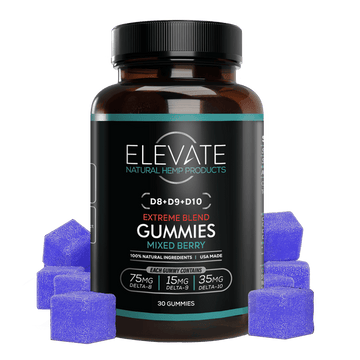
Is Delta 10 Legal in Texas? What You Need to Know

Effective July 31, 2026, Texas DSHS reinstated its Schedule I tetrahydrocannabinol definitions following the Texas Supreme Court's May 1, 2026 opinion. The official notice sets out the Schedule I definitions but does not name delta-10 separately. This update therefore does not state a product-specific legal conclusion. Official Texas Register notice.
Table of Contents
- What Exactly Is Delta-10 THC?
- The Current Legal Status of Delta-10 in Texas
- Where Can You Buy Delta-10 in Texas?
- How to Use Delta-10 Safely and Responsibly
- Benefits of Delta-10: Why People Are Trying It
- Potential Risks and Considerations
- Frequently Asked Questions About Delta-10 in Texas
- The Future of Delta-10 and Hemp Regulation in Texas
- How to Shop for Quality Delta-10 Products
- Related Articles
- Conclusion: Navigating Delta-10 Legality and Safety in Texas
Searching for a cannabis product that delivers a clear-headed, energizing buzz without the intensity of traditional THC? It might be time to discover Delta-10. Many users swear by it for daytime use, saying it helps ignite creativity and sharpen focus for projects or social gatherings. It provides a gentle lift that helps you power through your day with an improved mood. But before you dive in, you need to understand the regulations and know whether a Delta-10 product legal in Texas is actually legitimate. We'll explore its unique benefits, show you how to shop wisely, and help you stay on the right side of the law.
Confirm It's Legal in Texas: For Delta-10 to be legal, it must come from hemp and contain 0.3% or less Delta-9 THC. Delta-10 can be derived from both marijuana and hemp, but only hemp-derived Delta-10 is legal under current law. This legal distinction is established by federal law, specifically the 2018 Farm Bill, which permits hemp products containing less than 0.3% Delta-9 THC.
Expect a Clear-Headed Lift: Delta-10 is celebrated for delivering a milder, more energizing high compared to Delta-9. It's an excellent choice for daytime when you want to feel focused and creative without intense psychoactive effects.
Always Verify and Start Slow: Your safety is paramount, so only purchase from brands that provide a Certificate of Analysis (COA) to verify product purity. When trying it for the first time, start with a small dose to gauge how your body responds before taking more.
What Exactly Is Delta-10 THC?
If you've explored the hemp world, you're probably familiar with CBD and maybe even Delta-8 and Delta-9 THC. But there's another player capturing attention: Delta-10 THC. Think of it as a cousin to the more well-known THC variants. It's a cannabinoid found naturally in cannabis and hemp plants. However, Delta-10 occurs only in trace amounts in cannabis plants, specifically in Cannabis sativa. The Cannabis sativa plant is the source of numerous cannabinoids, including Delta-10. Because it's so rare in nature, it's typically created in a lab from hemp-derived CBD. Delta-10 offers a unique experience that truly sets it apart, often described as more energizing and creativity-boosting. This makes it an intriguing option for those seeking a specific vibe without the intensity that sometimes comes with Delta-9. Understanding what makes Delta-10 different is the first step in figuring out whether it's the right fit for your wellness routine—Delta-8, Delta-9, and Delta-10 all share the same chemical formula but differ in their atomic arrangement.
A Happy Accident: The Discovery of Delta-10
The story behind Delta-10's discovery is pretty remarkable—it was a complete accident. A cannabis farm in California was dealing with wildfire aftermath and discovered their plants had been contaminated with fire retardant. When they extracted the cannabis concentrate, they noticed unusual crystals forming. After some investigation, they realized they'd stumbled upon a new cannabinoid: Delta-10 THC. This fortunate accident revealed a compound that exists naturally in hemp in such minuscule traces it's nearly impossible to extract directly. That's why the Delta-10 you find in products today is typically converted from hemp-derived CBD in a laboratory setting, ensuring a pure and consistent product while adhering to legal guidelines.
The Science Behind Its Milder Effects
So what makes Delta-10 feel different from its more famous relative, Delta-9? It all comes down to a subtle difference in their chemical structure. Both molecules have a double bond, but where that bond sits changes everything. In Delta-10, the double bond is positioned on the tenth carbon atom, while in Delta-9, it's on the ninth. This small shift affects how the molecule interacts with your body's endocannabinoid system. While Delta-10 still connects with the same brain receptors, it doesn't bind as firmly as Delta-9. The result is a much milder, clearer high that users frequently describe as uplifting and focusing, making it ideal for daytime activities when you want to stay productive and sharp.
Delta-10 vs. Delta-8 vs. Delta-9: What's the Difference?
So what's the actual difference between Delta-8, Delta-9, and Delta-10? It all boils down to chemistry. All three are forms of THC, but they have slightly different chemical structures. This tiny variation in their molecular makeup alters how they interact with your body's endocannabinoid system, which is why each produces different effects. Delta-9 is the most potent and is what most people associate with a traditional cannabis high. Delta-8 is recognized for a more relaxing, body-focused sensation. Delta-10, however, tends to land on the sativa end of the spectrum, offering a more cerebral, uplifting experience that many people prefer for daytime use.
How Delta-10 Compares to HHC, THCP, and THC-O
Beyond the main Delta variants, the hemp world introduces even more options like HHC, THCP, and THC-O. Each of these cannabinoids interacts with your body uniquely, so knowing what to expect is crucial. While Delta-10 is known for its mild, sativa-like energy, these other compounds deliver distinctly different experiences. Understanding these differences will help you make a more informed choice about what you consume and ensure you find the effect you're after, whether it's a gentle lift or something entirely different. Let's break down how they compare to Delta-10.
HHC
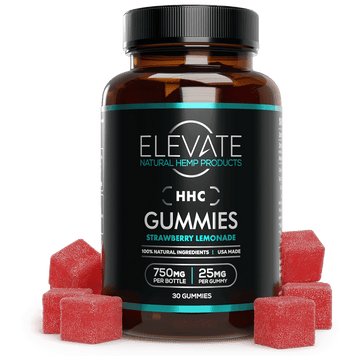
HHC (Hexahydrocannabinol) is another popular cannabinoid that's gaining momentum for its stability and balanced effects. Users often report that HHC is somewhat stronger than Delta-10 but still gentler than classic Delta-9 THC. This positions it in a sweet spot for those wanting a noticeable, pleasant buzz without feeling overwhelmed. While Delta-10 is more stimulating and cerebral, HHC tends to provide a more rounded sensation of relaxation and euphoria. something that bridges the gap between mild and intense, HHC gummies can offer a well-balanced experience.
THCP
THCP (Tetrahydrocannabiphorol) is in a completely different league potency. Research suggests it could be up to 30 times more potent than Delta-9 THC, which means it's significantly stronger than mild Delta-10. Because of its intense strength, THCP carries a much higher risk of uncomfortable side effects like anxiety and paranoia, especially for those with lower tolerance. While Delta-10 is perfect for a functional, daytime lift, THCP is something to approach with extreme caution. It's a powerful compound best reserved for very experienced users who understand its potent effects.
THC-O
THC-O (THC-O-acetate) is a synthetic cannabinoid known for being much stronger than most natural cannabinoids. It's often reported to be about three times more potent than Delta-9 THC and can produce effects that border on psychedelic for some users. Unlike the clear-headed and stimulating buzz from Delta-10, THC-O delivers a much more intense and introspective experience. Because it's synthesized and its effects can be so powerful and different from other cannabinoids, it's important to understand what you're getting into. For those seeking a gentle, manageable high, Delta-10 remains a much more predictable choice.
How Does Delta-10 Make You Feel?
People who use Delta-10 often describe the feeling as a mild, clear-headed buzz that's energizing rather than sedating. Unlike Delta-9, which can sometimes feel heavy or overwhelming, Delta-10 tends to provide an uplifting sensation that many compare to a sativa strain of cannabis. Users frequently report feeling more creative, focused, and motivated, making it popular for daytime activities. Some describe it as giving them a gentle push of energy and positivity without the anxiety or paranoia that can sometimes accompany stronger THC products. The effects are typically described as functional—you can go about your day, engage in conversations, and complete tasks while enjoying a pleasant mood boost. Of course, everyone's experience is unique and depends on factors like dosage, tolerance, and individual body chemistry, but the general consensus is that Delta-10 offers a lighter, more manageable high.
The Current Legal Status of Delta-10 in Texas
For shoppers in states where it is available, see our this collection.
Understanding whether Delta-10 is legal in Texas requires looking at both federal and state regulations. The good news is that Delta-10 derived from hemp is currently legal in Texas, thanks to federal legislation that changed how we classify hemp products. However, the legal landscape isn't always straightforward, and it's important to understand the specific rules that govern what you can and cannot buy. Let's break down the legal framework so you can shop with confidence and stay fully compliant with the law.
Federal Law: The 2018 Farm Bill
The foundation of Delta-10's legality starts at the federal level with the 2018 Farm Bill. This landmark legislation fundamentally changed how the United States treats hemp and its derivatives. Before this bill, all cannabis products—including hemp—were classified as controlled substances. The Farm Bill changed that by legalizing hemp at the federal level, defining it as any cannabis plant containing 0.3% or less Delta-9 THC by dry weight. This distinction is critical. Anything above that threshold is still classified as marijuana and remains federally illegal. Because Delta-10 is derived from legal hemp and the final product contains less than 0.3% Delta-9 THC, it falls under the legal hemp category. This federal protection is what allows Delta-10 products to be sold and shipped across state lines, including into Texas, as long as they meet the THC threshold.
Texas State Law: Following Federal Guidelines
Texas has chosen to align with federal hemp regulations, which means the state also permits hemp-derived Delta-10 products that contain 0.3% or less Delta-9 THC. In 2019, Texas passed House Bill 1325, which legalized hemp cultivation and the sale of hemp products in the state, mirroring the federal definition of hemp. This bill effectively made Delta-10 and other hemp-derived cannabinoids legal in Texas. However, the law specifically addresses Delta-9 THC levels—not Delta-10 itself. Because Delta-10 is a different compound and the law focuses on Delta-9 content, Delta-10 products are legal as long as they stay within the Delta-9 threshold. It's a legal distinction that's important to understand: the focus is on keeping Delta-9 THC low, not on banning other cannabinoids derived from hemp.
The Gray Area: What Makes It Complicated
While Delta-10 is technically legal, there are some gray areas that can create confusion. For one, not all law enforcement officers are familiar with the distinctions between different types of THC and hemp-derived products. To the untrained eye, Delta-10 products can look identical to marijuana products, which can lead to misunderstandings or even legal challenges in certain situations. Additionally, Texas law doesn't explicitly mention Delta-10 by name, which leaves some room for interpretation. Some legal experts worry that future legislation could specifically target these newer cannabinoids, potentially changing their legal status. While current law permits Delta-10, it's wise to stay informed about potential regulatory changes. For now, the key is ensuring any Delta-10 product you purchase is hemp-derived and contains less than 0.3% Delta-9 THC—that's your legal safeguard.
What About Drug Testing and Employment?
Even though Delta-10 is legal in Texas, it's important to understand how it might affect drug testing, especially if your employer has a zero-tolerance drug policy. Standard drug tests don't differentiate between Delta-8, Delta-9, Delta-10, or other THC isomers—they simply test for THC metabolites in your system. This means that using Delta-10 products can result in a positive drug test, even though you've only consumed a legal product. If you're subject to workplace drug testing, military service requirements, or any other situation where a positive THC test could have consequences, it's safest to avoid Delta-10 and similar products entirely. Legality doesn't always equal protection from employment or legal complications related to drug testing, so this is an important consideration before you decide to try Delta-10.
Where Can You Buy Delta-10 in Texas?
Now that you know Delta-10 is legal in Texas, the next question is where to actually buy it. You have several options, but not all sources are created equal. Whether you prefer shopping in person or online, understanding where to find quality products and what to look for will help ensure you get safe, effective Delta-10 that meets legal standards. the different purchasing options available to Texas residents.
Online Retailers: Convenience and Selection
Buying Delta-10 online is one of the most convenient options, offering a wide selection of products and the ability to shop from home. Reputable online retailers often provide detailed product descriptions, customer reviews, and easy access to third-party lab results, making it simpler to verify quality before you buy. Companies like Elevate specialize in hemp-derived cannabinoid products and prioritize transparency, ensuring you know exactly what you're getting. Online shopping also allows you to compare prices, read educational content, and take your time making informed decisions. When buying online, always choose established brands with strong reputations and clear contact information. Be wary of websites that seem unprofessional, make exaggerated claims, or don't provide lab reports. The advantage of shopping with trusted online retailers is that your products are delivered discreetly to your door, saving you time and often offering better prices than physical stores.
Local Smoke Shops and CBD Stores
If you prefer to see products in person before purchasing, many smoke shops, vape stores, and CBD specialty shops in Texas now carry Delta-10 products. Shopping locally has its perks—you can ask questions directly, get immediate recommendations from staff, and walk out with your product the same day. However, the quality and selection can vary significantly from store to store. Some shops prioritize education and stock only tested, reputable brands, while others may carry lower-quality products with questionable sourcing. When shopping at a physical location, don't hesitate to ask for lab reports and product information. A knowledgeable and trustworthy store will be happy to provide this documentation and answer your questions. If a shop can't show you third-party test results or seems evasive about their products' origins, that's a red flag to shop elsewhere.
Gas Stations and Convenience Stores: Proceed with Caution
You might notice Delta-10 products popping up at gas stations and convenience stores across Texas. While this seems convenient, it's generally the riskiest place to buy hemp-derived cannabinoids. These establishments often prioritize quick sales over quality control, and the products they stock may not be properly tested or accurately labeled. There have been cases of products sold at convenience stores containing higher levels of Delta-9 THC than legally allowed, or being contaminated with harmful substances. Without proper oversight and testing, you have no way to verify what you're actually consuming. If quality and safety are important to you—and they should be—it's best to avoid purchasing Delta-10 from gas stations and convenience stores, even if the price seems appealing.
Why Third-Party Lab Testing Matters
Regardless of where you choose to buy Delta-10, the most important factor is third-party lab testing. This independent verification confirms that the product contains what the label claims and is free from harmful contaminants like pesticides, heavy metals, and residual solvents. A Certificate of Analysis (COA) from an accredited lab should be readily available for every product. This document shows the exact cannabinoid profile, including the levels of Delta-10 and Delta-9 THC, ensuring the product meets legal requirements. Reputable brands make their lab results easy to find—usually by posting them on their website or including a QR code on the product packaging. Never purchase Delta-10 products without access to recent lab results. This is your assurance of both safety and legality, and it's the single most important step in making a smart purchase.
How to Use Delta-10 Safely and Responsibly
Once you've purchased legal, lab-tested Delta-10 products, the next step is using them safely and responsibly. Even though Delta-10 is milder than Delta-9, it's still a psychoactive compound that affects everyone differently. Understanding proper dosing, potential effects, and safety precautions will help you have a positive experience while minimizing any unwanted side effects. Here's what you need to know to use Delta-10 wisely.
Start with a Low Dose
The golden rule with any new cannabinoid is to start low and go slow. If you're trying Delta-10 for the first time, begin with a small dose—typically 5 to 10 milligrams if you're using edibles like gummies. Even if you have experience with other cannabinoids, it's wise to start conservatively since Delta-10 affects people differently. After consuming your initial dose, wait at least two hours before considering taking more. This is especially important with edibles, which take longer to kick in compared to vaping or smoking. Rushing to take a second dose before the first one fully hits is a common mistake that can lead to consuming more than intended. By starting small and being patient, you give yourself the chance to understand how Delta-10specifically affects your body and find your ideal dose without overdoing it.
Understand the Different Product Types
Delta-10 comes in various forms, each with different onset times and durations. Edibles like Delta-9 gummies and Delta-10 gummies take longer to feel—usually 30 minutes to 2 hours—but the effects last significantly longer, often 4 to 8 hours. Vaping or smoking Delta-10 flower or concentrates provides much faster effects, typically within minutes, but they wear off more quickly, usually within 1 to 3 hours. Tinctures fall somewhere in between when taken sublingually (under the tongue), with effects appearing in about 15 to 45 minutes. Understanding these differences helps you choose the right product type for your needs and plan accordingly. If you want long-lasting effects for all-day relief, edibles might be best. If you prefer more immediate control over your experience, vaping or smoking might be more suitable.
Know the Potential Side Effects
While Delta-10 is generally well-tolerated and considered milder than Delta-9, it can still produce side effects, especially at higher doses. Common side effects include dry mouth, dry eyes, dizziness, and mild anxiety. Some users report feeling slightly lightheaded or experiencing changes in perception, though these effects are typically less intense than with Delta-9 THC. If you do experience uncomfortable side effects, remember that they are temporary and will pass as the compound leaves your system. Staying hydrated, eating a small snack, and resting in a comfortable environment can help. If you have a history of anxiety or are sensitive to THC products, be extra cautious with your dosing. It's always better to have a slightly underwhelming experience that you can adjust next time than to take too much and feel uncomfortable.
Don't Drive or Operate Machinery
This should go without saying, but it's critical: never drive, operate heavy machinery, or engage in any activity requiring full attention and coordination while under the influence of Delta-10. Even though its effects are milder than Delta-9, it is still a psychoactive substance that can impair your judgment, reaction time, and motor skills. Treat Delta-10 the same way you would alcohol—enjoy it responsibly in a safe environment where you don't need to be alert or make important decisions. Plan ahead so you're not tempted to get behind the wheel or take on tasks that could be dangerous while impaired. Your safety and the safety of others should always be the top priority.
Store Products Safely
Proper storage of Delta-10 products is important for both safety and maintaining potency. Keep all Delta-10 products in a cool, dry place away from direct sunlight, which can degrade the cannabinoids over time. Make absolutely sure to store them securely out of reach of children and pets—many Delta-10 products like gummies look and taste like regular candy, which can be extremely dangerous if accidentally consumed by someone who shouldn't have them. Using child-resistant containers and keeping products in a locked drawer or cabinet is the safest approach. Additionally, clearly label your products if you remove them from their original packaging to avoid any confusion. Responsible storage protects both the quality of your products and the safety of your household.
Benefits of Delta-10: Why People Are Trying It
Delta-10 has quickly gained a following among hemp enthusiasts, and for good reason. While it shares some similarities with other cannabinoids, it offers a unique profile of effects that many users find appealing. Whether you're looking for a productivity boost, a creative spark, or just a lighter alternative to traditional THC, Delta-10 brings some interesting benefits to the table. why people are increasingly turning to this cannabinoid and what it might offer you.
A Daytime-Friendly Energy Boost
One of Delta-10's most celebrated qualities is its ability to provide energy and focus without the jittery feeling that can come from caffeine or stronger stimulants. Unlike Delta-9, which can sometimes leave you feeling relaxed to the point of sedation, Delta-10 tends to produce a more uplifting, clear-headed experience. Many users describe it as similar to a sativa strain of cannabis—energizing and motivating rather than calming or sleepy. This makes it particularly appealing for daytime use when you want to stay productive, creative, and engaged with your tasks. Whether you're working on a project, socializing with friends, or just need a little boost to get through your to-do list, Delta-10 can provide that gentle lift without interfering with your ability to function effectively.
Enhanced Creativity and Focus
Beyond just energy, many Delta-10 users specifically praise its ability to enhance creativity and sharpen focus. Artists, writers, musicians, and other creative professionals have reported that Delta-10 helps them get into a flow state where ideas come more easily and self-doubt takes a back seat. The clear-headed nature of the high means you can maintain concentration on detailed tasks while still experiencing the pleasant mental shift that cannabinoids provide. If you've ever struggled with creative blocks or find it hard to focus on mentally demanding work, Delta-10 might be worth exploring. Its effects seem to strike a balance between stimulating your mind and keeping you grounded enough to actually execute on your ideas, which is a combination many people find incredibly useful.
Mood Enhancement Without Overwhelm
For those who find Delta-9 THC too intense or anxiety-inducing, Delta-10 offers a gentler way to experience mood enhancement. Users frequently report feeling happier, more optimistic, and more socially comfortable after consuming Delta-10. The milder psychoactive effects mean you're less likely to experience the paranoia or racing thoughts that sometimes accompany stronger THC products. This makes Delta-10 a good option for people who want the positive mental benefits of cannabinoids—stress relief, improved mood, social ease—without feeling overwhelmed or out of control. It's particularly popular among people who are newer to cannabinoids or who have had uncomfortable experiences with more potent options in the past.
A More Manageable Alternative to Delta-9
For experienced cannabis users looking for a more functional high, Delta-10 provides a refreshing alternative to Delta-9. There are times when you want to enjoy the benefits of THC without being completely incapacitated or too high to handle responsibilities. Delta-10 fills that niche beautifully. You can consume it and still carry on conversations, complete work tasks, exercise, or engage in social activities without feeling impaired. It offers enough of a psychoactive effect to be enjoyable and noticeable, but not so much that it interferes with daily life. This makes it versatile for various situations where stronger cannabinoids wouldn't be practical or appropriate.
Potential Risks and Considerations
While Delta-10 offers many benefits and is generally considered safe when used responsibly, it's important to be aware of potential risks and considerations. No substance is without its downsides, and being informed helps you make smart decisions about whether Delta-10 is right for you. Let's discuss some important factors to keep in mind before you try Delta-10 or incorporate it into your routine.
Lack of Long-Term Research
One of the biggest considerations with Delta-10 is that it's a relatively new compound on the market, which means long-term research on its effects and safety profile is limited. While early reports and user experiences suggest it's generally well-tolerated, we simply don't have decades of scientific data to draw from. Most of what we know comes from anecdotal reports and comparisons to better-studied cannabinoids like Delta-9. This doesn't necessarily mean Delta-10 is unsafe, but it does mean there's more uncertainty involved. If you're someone who prefers to only use substances with extensive research backing, you might want to wait until more studies are conducted. For those willing to try it, proceeding cautiously with low doses and paying attention to how your body responds is the smart approach.
Quality Control and Unregulated Market
The hemp-derived cannabinoid market is still largely unregulated, which means product quality can vary wildly between brands. While reputable companies invest in proper testing and quality control, others cut corners to maximize profits. This can result in products that are mislabeled, contaminated, or contain illegal levels of Delta-9 THC. Without proper regulation, the responsibility falls on you as the consumer to verify what you're buying. This is why third-party lab testing is so crucial—it's the only reliable way to confirm you're getting a safe, legal product. Be skeptical of brands that seem too good to be true or that don't provide transparent information about their testing and sourcing. The lack of regulation makes it easier for bad actors to operate, so doing your homework before purchasing is essential.
Possible Drug Interactions
If you take prescription medications, it's important to know that Delta-10 could potentially interact with certain drugs. Cannabinoids can affect how your body metabolizes various medications, potentially increasing or decreasing their effectiveness. This is particularly true for medications processed by the liver, as cannabinoids can influence liver enzymes responsible for drug metabolism. If you're on any regular medications—especially blood thinners, antidepressants, or medications for blood pressure or heart conditions—it's wise to consult with your healthcare provider before trying Delta-10. While many people use Delta-10 without issues, individual circumstances vary, and it's better to be safe than sorry potential interactions with your medications.
Not Suitable for Everyone
Delta-10 isn't appropriate for everyone. Pregnant or breastfeeding individuals should avoid all cannabinoid products, as we don't have sufficient research on how they affect fetal development or nursing infants. People with certain mental health conditions, particularly those prone to psychosis or severe anxiety disorders, should also exercise extreme caution or avoid Delta-10 altogether, as THC compounds can potentially exacerbate these conditions. Additionally, if you have a history of substance abuse or addiction, cannabinoids may not be appropriate for you. Always consider your personal health history and consult with a healthcare professional if you have any concerns about whether Delta-10 is safe for your individual situation.
Frequently Asked Questions About Delta-10 in Texas
Still have questions about Delta-10 and its legality in Texas? You're not alone. This is a complex topic that raises many concerns for people trying to navigate the hemp-derived cannabinoid space responsibly. Here are some of the most common questions people ask, along with clear, straightforward answers to help you feel more confident in your understanding.
Can I Travel with Delta-10 Products in Texas?
Within Texas, you can generally travel with Delta-10 products that are hemp-derived and contain less than 0.3% Delta-9 THC, since they're legal in the state. However, you should always keep products in their original packaging with visible labels showing they're hemp-derived and compliant with the law. This helps avoid misunderstandings with law enforcement who might not immediately recognize the difference between legal hemp products and illegal marijuana. That said, traveling with Delta-10 across state lines or on airplanes is much riskier and generally not recommended. While the TSA's main focus is security threats, not cannabis, they are required to report illegal substances to law enforcement. Since Delta-10's legality varies by state and can be easily confused with marijuana, it's safest to avoid air travel with these products or traveling to states where hemp-derived cannabinoids are restricted.
Is There an Age Requirement to Buy Delta-10 in Texas?
Yes, you must be at least 21 years old to purchase Delta-10 products in Texas. While state law doesn't explicitly set an age requirement for hemp-derived products, most retailers follow the same age restrictions as alcohol and tobacco, requiring customers to be 21 or older. Reputable online retailers and physical stores will verify your age before completing a sale. This age requirement exists because Delta-10 is a psychoactive substance, and both ethical considerations and business practices dictate that these products should only be sold to adults. Never attempt to purchase Delta-10 if you're underage, and always be prepared to show valid identification when buying.
How Long Do Delta-10 Effects Last?
The duration of Delta-10's effects depends largely on how you consume it. If you're vaping or smoking Delta-10, effects typically begin within minutes and last about 1 to 3 hours. If you're taking edibles like gummies or tinctures, the onset is much slower—usually 30 minutes to 2 hours—but the effects last considerably longer, often 4 to 8 hours or more. Individual factors like your metabolism, body weight, tolerance, and whether you've eaten recently can all influence how long you feel the effects. For your first time, plan to have several hours free with no important obligations, so you can fully understand how long Delta-10 affects you personally without any pressure or time constraints.
Can I Grow Hemp to Make My Own Delta-10 in Texas?
While Texas law allows licensed hemp cultivation following the 2018 Farm Bill, growing hemp for personal use to create Delta-10 is not straightforward or likely legal for the average person. Hemp cultivation requires proper licensing from the Texas Department of Agriculture, and there are strict regulations around THC testing, crop destruction if plants exceed legal limits, and more. Additionally, converting CBD into Delta-10 requires specialized lab equipment and chemical processes that aren't safe or legal to do at home. If you're interested in Delta-10, purchasing from licensed, reputable retailers is the only legal and safe option for consumers. Leave the production to professionals who have the proper licensing, equipment, and expertise to do it safely and legally.
The Future of Delta-10 and Hemp Regulation in Texas
The legal landscape for hemp-derived cannabinoids is constantly evolving, and Delta-10's future in Texas isn't set in stone. As lawmakers and regulators become more aware of these products, there's always the possibility of new legislation that could change their legal status. Understanding the current trends and potential future scenarios can help you stay informed and prepared for whatever comes next. what the future might hold for Delta-10 in Texas.
Potential for New Regulations
As Delta-10 and similar cannabinoids become more popular and mainstream, there's growing attention from lawmakers who may seek to regulate them more strictly. Some states have already moved to specifically ban or restrict certain hemp-derived THC isomers, even those that fall under the 0.3% Delta-9 threshold. Texas could potentially follow suit with new legislation that explicitly addresses these compounds. There have been discussions at both state and federal levels about closing what some see as loopholes in the current hemp laws. While nothing has been passed yet, it's possible that future bills could require additional testing, restrict certain products, or even ban specific cannabinoids outright. Staying informed about proposed legislation and regulatory changes is important for anyone who uses or sells Delta-10 products.
The Role of Testing and Standardization
One likely direction for future regulation is increased emphasis on testing standards and product transparency. As the hemp-derived cannabinoid market matures, there's growing pressure to implement more rigorous quality control measures, standardized testing protocols, and clearer labeling requirements. This would be a positive development for consumers, as it would make it easier to identify safe, high-quality products and weed out bad actors who sell mislabeled or contaminated items. Texas could implement specific testing requirements, mandatory lab certification, or product registration systems for hemp-derived cannabinoids. While this might add some complexity to the purchasing process, it would ultimately make the market safer and more transparent for everyone involved.
Federal Legislative Changes
Beyond state-level changes, there's always the possibility of new federal legislation that could impact Delta-10's status nationwide. While the 2018 Farm Bill opened the door for hemp-derived products, there have been ongoing discussions about whether newer cannabinoids like Delta-8, Delta-10, and others truly fit the spirit of that law. The FDA has also expressed concerns about hemp-derived products with psychoactive effects, particularly when marketed without proper oversight. If federal regulators decide to reclassify these compounds or implement stricter rules about their sale and distribution, it would supersede state laws and affect availability across the country, including in Texas. Keeping an eye on federal developments is just as important as monitoring state legislation.
How to Stay Informed
The best way to stay ahead of regulatory changes is to actively follow reliable news sources that cover hemp and cannabis law. Websites like the Texas Tribune often report on state legislation affecting hemp products, while national cannabis industry publications track federal developments. Following advocacy organizations like the National Hemp Association or state-specific groups can also keep you in the loop about proposed bills and regulatory discussions. If you're a regular Delta-10 user or business owner, consider signing up for newsletters from these organizations or setting up news alerts for relevant keywords. Being proactive about staying informed gives you time to adjust your plans if regulations change, rather than being caught off guard by new restrictions.
How to Shop for Quality Delta-10 Products
Knowing that Delta-10 is legal in Texas is one thing, but finding high-quality products that are safe, effective, and actually contain what they claim is another challenge entirely. With so many options flooding the market, how do you separate the good from the bad? Here's a practical guide to shopping for Delta-10 products that you can trust, ensuring you get the best experience while staying safe and legal.
Step 1: Research the Brand's Reputation
Before you buy from any company, take some time to research their reputation. Look for customer reviews on independent platforms, not just on the company's own website. Check if they have a professional online presence with clear contact information, educational content about their products, and transparent business practices. Established brands in the hemp space often have a track record you can verify—look for how long they've been in business, whether they've received any industry awards or certifications, and if they're active in the hemp community. Be cautious of brands that just appeared overnight with no history or verifiable background. Social media can also be telling—do they engage with customers, respond to concerns, and provide helpful information? A reputable brand will have nothing to hide and will welcome questions about their products and processes.
Step 2: Demand Third-Party Lab Results and Read the Labels
This step is non-negotiable. Always purchase from sellers who provide third-party lab test results, often called a Certificate of Analysis (COA). These reports are your proof that a product is pure, potent, and safe. A trustworthy company will make these reports easy to find on their website for every single product they sell. The COA confirms the exact amount of Delta-10, Delta-9, and other cannabinoids in the product, and it also screens for harmful contaminants like pesticides, heavy metals, and residual solvents.
Unfortunately, not all labels can be trusted. Some companies make misleading claims or sell products that contain more than the legal limit of Delta-9 THC. That's why doing your own homework is so crucial. Before you add anything to your cart, take a moment to find and review the lab report. It's the single best way to ensure you're getting a high-quality product that is exactly what the label claims it is.
Step 3: Make a Safe and Legal Purchase
In Texas, the law is clear: Delta-10 products are legal as long as they are derived from hemp and contain less than 0.3% Delta-9 THC by dry weight. This rule is what separates legal hemp products from illegal marijuana. When you shop, especially online, stick with reputable brands that are transparent about their sourcing and testing. This ensures the products you buy, like our Delta-9 gummies, are fully compliant with federal and state law.
It's also wise to be aware of the local landscape. While hemp-derived products are technically legal, some law enforcement may have difficulty distinguishing them from illegal products. Delta-10 THC derived from marijuana plants is illegal in Texas, so it's crucial to ensure the products you purchase are hemp-derived. Because of this, it's always best to consume products responsibly in the privacy of your own home. Buying from a trusted online source like Elevate is a straightforward way to get high-quality, legal products delivered right to your door, giving you complete peace of mind with every purchase.
Related Articles
So, is Delta-10 just a legal loophole for getting high in Texas? Not exactly. Its legality is based on very specific science and law. Thanks to the 2018 Farm Bill, hemp and its derivatives are federally legal as long as they contain 0.3% or less Delta-9 THC. Since Delta-10 products are made from hemp and follow this rule, they're legal under current Texas law. It's less of a loophole and more of a clear legal distinction between hemp and marijuana.
How is the feeling from Delta-10 different from a regular cannabis high? Think of it as a completely different vibe. The high most people associate with cannabis comes from Delta-9 THC, which can be quite potent and sometimes lead to drowsiness or anxiety. Delta-10, on the other hand, is known for providing a much milder, clearer experience. Users often describe it as energizing and creativity-boosting, making it a popular choice for daytime use when you want to stay focused and engaged.
Will I fail a drug test if I use Delta-10 products? Yes, it's very likely that you will. Standard drug tests aren't sophisticated enough to tell the difference between various THC molecules like Delta-8, Delta-9, or Delta-10. They simply screen for THC metabolites, which your body produces after consuming any of them. Standard drug tests do not differentiate between different THC isomers, resulting in a likely positive drug test for THC even if using Delta-10 products. If you're subject to drug testing for any reason, it's safest to avoid Delta-10 and other related products completely.
With so many products out there, what's the single most important thing to look for when buying Delta-10? The most critical factor is a recent Certificate of Analysis (COA) from a third-party lab. This is your proof that the product is both safe and legal. The COA confirms the exact cannabinoid levels, ensuring the Delta-9 THC is at or below the 0.3% legal limit, and verifies that the product is free from harmful contaminants like pesticides, heavy metals, and residual solvents. If a brand doesn't provide a COA, you should absolutely not buy from them.
I'm new to this. What's a safe starting dose for a Delta-10 gummy? The golden rule is always to start low and go slow. For someone trying a Delta-10 gummy for the first time, a 5 to 10 milligram dose is an excellent starting point. After you take it, wait at least two hours to see how you feel before even thinking about taking more. This gives your body plenty of time to process it and helps you find the perfect dose for a positive experience without overdoing it.
Conclusion: Navigating Delta-10 Legality and Safety in Texas
Navigating the world of Delta-10 THC in Texas can feel overwhelming, but with the right knowledge, you can shop with confidence and complete peace of mind. The legal landscape for hemp derived products is shaped by both federal and state law, making it essential to stay current on the latest regulations. Thanks to the 2018 Farm Bill, hemp-derived cannabinoids like Delta-10 are federally legal as long as they contain less than 0.3% Delta-9 THC by dry weight. Texas law aligns with this standard, but the Texas Department of State Health Services also plays a key role in regulating consumable hemp products and ensuring public safety.
To protect yourself and enjoy legal hemp products, always look for brands that provide third-party lab reports. These lab tests confirm the THC concentration and verify that your Delta-10 product meets the legal limit, helping you avoid any legal trouble. Checking for a recent Certificate of Analysis is the best way to ensure your product is compliant and free from harmful contaminants. Brand reputation matters tremendously, too—choose companies that are transparent about their sourcing and manufacturing, and that have a proven track record of quality and safety.
Remember, the legal status of Delta-10 THC and other hemp products can change as federal legislation and state laws evolve. The hemp industry is growing rapidly, and state laws vary significantly, so it's important to stay informed about updates from the Texas Tribune, the Texas Alcoholic Beverage Commission, and other reliable sources. Legally grown hemp—classified as industrial hemp with less than 0.3% Delta-9 THC—is the foundation for all federally legal products, but enforcement actions and new regulations can impact what's available in the Lone Star State.
By prioritizing third-party lab testing, understanding the chemical formula and legal guidelines for THC isomers, and keeping an eye on both federal regulations and Texas law, you can confidently enjoy Delta-10 THC products. Stay proactive, shop smart, and you'll be able to experience the benefits of hemp-derived cannabinoids while staying firmly on the right side of the law.
Join Our Newsletter
Sign up to be the first to know about our can't-miss product drops, special VIP offers & exclusive discounts.