
Delta-10 THC: What It Is & What It Feels Like

Featured Product

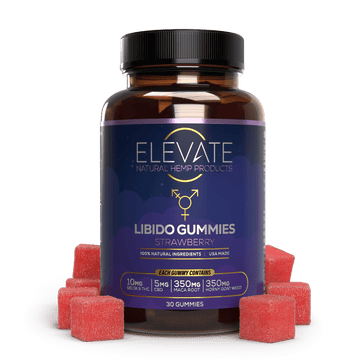
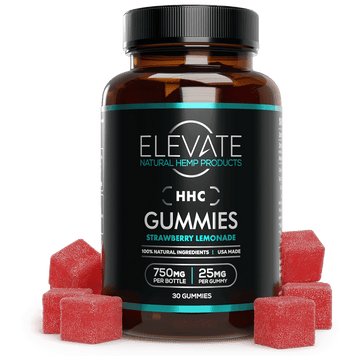
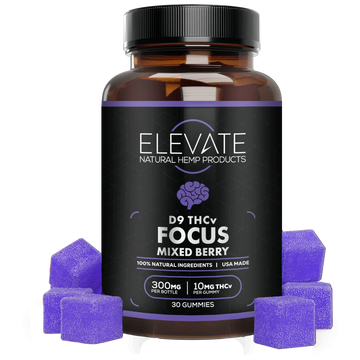
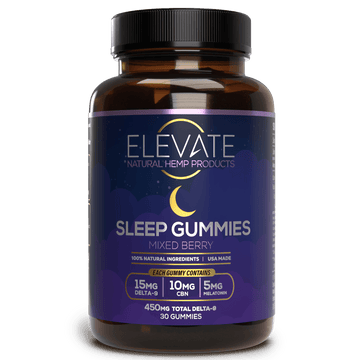
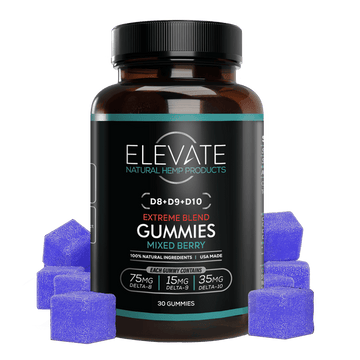
Delta 10 THC Gummies
$52.45
Shop NowDelta-10 THC is a minor cannabinoid with mild psychoactive effects. It produces an uplifting, energetic high similar to sativa strains. Less potent than Delta 8 or Delta 9. Often combined with other cannabinoids for enhanced effects. Federally legal from hemp.
What is Delta-10 THC?
Delta-10-Tetrahydrocannabinol (Delta-10 THC) is a naturally occurring cannabinoid isomer of tetrahydrocannabinol, found in trace amounts within the cannabis plant. It shares a similar molecular structure with Delta-9-Tetrahydrocannabinol, the primary psychoactive compound in marijuana, but differs slightly in the placement of a double bond, which affects its potency and interaction with the body's endocannabinoid system. Specifically, while Delta-9 THC has its double bond on the ninth carbon in its cyclohexene ring, Delta-10 THC positions that same double bond on the tenth carbon. This seemingly minor structural variation fundamentally changes how the molecule binds to cannabinoid receptors throughout the central and peripheral nervous systems, resulting in a distinctly different pharmacological profile.
Understanding Delta-10 THC requires situating it within the broader landscape of cannabinoid science, which has expanded dramatically over the past decade. As researchers have identified and characterized over 150 distinct cannabinoids within the cannabis plant, interest in minor and trace cannabinoids has surged—driven in part by consumer demand for novel experiences and in part by the evolving legal status of hemp-derived compounds. Delta-10 THC occupies a particularly interesting niche in this landscape: it is psychoactive enough to produce noticeable effects, yet mild enough that many users describe it as more manageable and functional than Delta-9 THC. This balance of activity and tolerability has made it one of the most discussed emerging cannabinoids in both the wellness and recreational markets.
The compound's emergence as a commercial product is relatively recent, with widespread availability only dating back to approximately 2020–2021. Prior to that, Delta-10 THC was largely a curiosity in the analytical chemistry literature—a compound that appeared on chromatograms but rarely warranted dedicated study. Its rapid transition from obscure isomer to mainstream product illustrates how quickly the cannabinoid market evolves, often outpacing both scientific research and regulatory frameworks. This gap between commercial availability and comprehensive understanding underscores the importance of examining what we currently know about Delta-10 THC's chemistry, pharmacology, production methods, and safety considerations.
Source: doi:10.1093/jat/bkaf079
Molecular Structure and Isomer Classification
To fully understand what Delta-10 THC is, it helps to appreciate what makes cannabinoid isomers unique in the first place. Isomers are compounds that share the same molecular formula—in this case, C₂₁H₃₀O₂—but differ in the arrangement of atoms within their structure. The THC family includes several well-known isomers: Delta-9 THC, Delta-8 THC, Delta-10 THC, Delta-6a(10a) THC, and exo-THC, among others. Each of these compounds interacts with the endocannabinoid system differently because the position of the double bond alters the three-dimensional shape of the molecule, which in turn changes how it fits into and activates the CB1 and CB2 receptors.
The concept of constitutional isomerism versus stereoisomerism is essential for grasping the full picture of THC variants. Constitutional isomers like Delta-8, Delta-9, and Delta-10 THC differ in the connectivity of their atoms—specifically, where the double bond is located along the carbon chain of the cyclohexene ring. Stereoisomers, by contrast, have the same connectivity but differ in the spatial arrangement of atoms around chiral centers or double bonds. Both types of isomerism are relevant to Delta-10 THC because the compound can exist in multiple stereoisomeric forms, each with potentially different biological activity. The distinction between these types of isomerism explains why two products labeled as "Delta-10 THC" can produce subtly different effects if they contain different ratios of stereoisomers.
CB1 receptors are predominantly located in the brain and central nervous system and are largely responsible for the psychoactive effects associated with THC. CB2 receptors, on the other hand, are more prevalent in immune tissues and peripheral organs, and their activation is linked to anti-inflammatory and immunomodulatory responses. Delta-10 THC appears to have a lower binding affinity for CB1 receptors compared to Delta-9 THC, which is the primary reason it produces a milder psychoactive experience. Some preliminary research and anecdotal reports suggest that Delta-10 may also interact with CB2 receptors, though the extent and implications of this interaction remain under investigation.
The reduced CB1 binding affinity of Delta-10 THC has practical implications that extend beyond simply producing a weaker high. Users frequently describe the Delta-10 experience as more cerebral and energizing compared to Delta-8 THC, which tends to produce more sedative, body-focused effects. While these characterizations are largely based on anecdotal reports rather than controlled clinical studies, they are consistent with what we know about how subtle structural differences in cannabinoid molecules can produce qualitatively different receptor interactions. The position of the double bond on the tenth carbon may alter not just the strength of CB1 receptor binding but also the kinetics of that binding—how quickly the molecule associates with and dissociates from the receptor—which could contribute to the distinct subjective experience reported by users.
Beyond the CB1 and CB2 receptors, emerging research suggests that cannabinoids, including THC isomers, may interact with a broader range of molecular targets. These include transient receptor potential (TRP) channels, peroxisome proliferator-activated receptors (PPARs), serotonin receptors (particularly 5-HT1A), and G protein-coupled receptor 55 (GPR55), sometimes referred to as the putative CB3 receptor. Whether Delta-10 THC engages meaningfully with any of these additional targets has not been systematically studied, but the possibility adds another dimension to understanding its pharmacological profile. If Delta-10 does interact with serotonin receptors, for example, that could partially explain the mood-elevating and anxiolytic effects some users attribute to it.
The stereochemistry of Delta-10 THC adds another layer of complexity. Like other THC isomers, Delta-10 can exist in multiple stereoisomeric forms, meaning that even molecules with the double bond in the same position can have different spatial orientations of their atoms. These stereoisomers may have varying levels of biological activity. The (6aR,9R) configuration is typically considered the most pharmacologically relevant form, but commercial synthesis processes may produce mixtures of stereoisomers, which can affect the consistency of the user experience from product to product.
The challenge of stereoisomeric mixtures is not unique to Delta-10 THC—it is a well-recognized issue in pharmaceutical chemistry more broadly. Many synthetic drugs exist as racemic mixtures (equal parts of two enantiomers), and the two enantiomers can have dramatically different biological effects. In the case of Delta-10 THC, the (6aR,9R) trans configuration is believed to be the active form that produces psychoactive effects, while the (6aS,9S) configuration may be less active or inactive. However, without standardized manufacturing processes that specifically select for the desired stereoisomer, commercial products may contain variable ratios, leading to inconsistent potency and effects. This variability represents one of the most significant quality control challenges facing the Delta-10 THC market.
From an analytical chemistry perspective, accurately identifying and quantifying Delta-10 THC presents its own set of difficulties. Delta-10 THC has a very similar retention time to other cannabinoids on standard chromatographic systems, particularly CBC (cannabichromene) and Delta-8 THC. Early reports of Delta-10 THC detection in cannabis products were sometimes later revealed to be misidentifications of CBC or other co-eluting compounds. Reliable differentiation typically requires advanced analytical methods such as gas chromatography-mass spectrometry (GC-MS), liquid chromatography with ultraviolet detection (LC-UV) using optimized gradient methods, or nuclear magnetic resonance (NMR) spectroscopy. The analytical challenges associated with Delta-10 THC highlight the importance of using laboratories with validated methods specifically designed to distinguish between closely related cannabinoid isomers.
Natural Occurrence in Cannabis
In its natural state, Delta-10 THC exists in the cannabis plant at concentrations so low that it was historically overlooked by researchers and cultivators alike.
How Does Delta-10 Affect the Body?
You can also browse our our Delta 10 collection when comparing options.
Delta-10-Tetrahydrocannabinol (Delta-10-THC) is a trace cannabinoid found in hemp and cannabis plants, structurally similar to but less psychoactive than its more well-known cousin, Delta-9-Tetrahydrocannabinol. The compound was first identified accidentally during cannabis extraction processes when certain chemical catalysts or environmental contaminants altered the molecular arrangement of other cannabinoids. Structurally, Delta-10-THC differs from Delta-9-THC only in the placement of a double bond along the carbon chain—specifically at the tenth carbon position rather than the ninth. This seemingly minor molecular distinction has meaningful consequences for how the compound interacts with human physiology, influencing everything from receptor binding affinity to the subjective quality of its psychoactive effects.
Like other cannabinoids, Delta-10 interacts with the body's endocannabinoid system (ECS), primarily binding to CB1 receptors in the brain and central nervous system, though with a weaker affinity compared to Delta-9-THC. The endocannabinoid system itself is a complex cell-signaling network composed of endogenous cannabinoids (endocannabinoids), receptors (CB1 and CB2), and enzymes responsible for synthesizing and degrading these signaling molecules. CB1 receptors are concentrated most heavily in the brain—particularly in regions governing mood, memory, motor coordination, pain perception, and appetite—while CB2 receptors are more prevalent in peripheral tissues associated with immune function. Delta-10's interaction with CB1 receptors appears to produce a partial agonist effect, meaning it activates the receptor but to a lesser degree than a full agonist like Delta-9-THC. This partial activation is a key reason why Delta-10 tends to produce milder psychoactive effects.
Source: doi:10.1093/jat/bkaf079
The Endocannabinoid System and Receptor Binding Dynamics
To understand how Delta-10 affects the body, it is essential to first appreciate how the endocannabinoid system operates at a fundamental level. The ECS functions as a homeostatic regulator, helping the body maintain internal balance across numerous physiological processes including sleep, inflammation, stress response, appetite, immune function, and neurological signaling. The two primary endocannabinoids produced naturally in the body are anandamide (AEA) and 2-arachidonoylglycerol (2-AG). Anandamide, sometimes referred to as the "bliss molecule," binds to CB1 receptors and plays a role in mood elevation, pain modulation, and reward signaling. 2-AG is found at higher concentrations in the brain and acts on both CB1 and CB2 receptors, contributing to immune regulation and neuroplasticity.
When an exogenous cannabinoid like Delta-10-THC enters the body, it competes with these endogenous compounds for receptor binding sites. Delta-10's weaker binding affinity at CB1 means it does not displace endocannabinoids as effectively as Delta-9-THC, which partly explains why its psychoactive effects are more subdued. However, weaker binding does not equate to no binding. Delta-10 still activates downstream signaling cascades involving G-proteins, cyclic AMP modulation, and ion channel regulation, all of which influence neurotransmitter release patterns in the brain. The net result is a modified neurochemical state that users typically describe as more functional and clear-headed compared to traditional THC experiences.
There is also emerging speculation—though not yet confirmed through rigorous clinical investigation—that Delta-10 may interact with CB2 receptors to a modest degree. If substantiated, this would suggest the compound could have peripheral effects on inflammation and immune cell behavior, broadening its potential therapeutic relevance beyond purely psychoactive applications. Some preclinical models examining structurally similar cannabinoids have demonstrated anti-inflammatory and neuroprotective properties through dual CB1/CB2 engagement, but these findings cannot be directly extrapolated to Delta-10 without dedicated research.
Psychoactive Effects: What Users Report
Consumers often report mild effects such as subtle euphoria, enhanced alertness, and a gentle body high when using Delta-10 products. These effects are generally less intense than those associated with Delta-8 or Delta-9 THC, making it a potentially appealing option for individuals seeking a milder experience. Anecdotal user accounts frequently describe the Delta-10 experience as energizing rather than sedating, with many comparing it to a sativa-like cannabis experience. Users note improvements in focus, creative thinking, and social engagement without the heavy cognitive impairment or anxiety that higher-potency THC products can sometimes trigger.
The onset of effects from Delta-10 depends significantly on the method of consumption. Inhalation through vaping or smoking typically produces noticeable effects within five to fifteen minutes, as cannabinoids are rapidly absorbed through the alveoli in the lungs and enter the bloodstream almost immediately. Oral consumption through edibles, tinctures, or capsules involves a slower onset—usually between thirty minutes and two hours—because the compound must first pass through the gastrointestinal tract and undergo hepatic metabolism (first-pass metabolism in the liver) before reaching systemic circulation. During this hepatic processing, Delta-10-THC may be converted into various metabolites, including 11-hydroxy-Delta-10-THC, which could possess its own distinct pharmacological properties. This metabolic conversion is analogous to the well-documented transformation of Delta-9-THC into 11-hydroxy-Delta-9-THC, a metabolite known to be more potent and longer-lasting than its parent compound.
Duration of effects also varies by consumption method. Inhaled Delta-10 typically produces effects lasting one to three hours, while orally consumed Delta-10 may produce effects persisting for four to eight hours, depending on dose, individual metabolism, body composition, and tolerance level. Sublingual administration—placing tinctures under the tongue—offers an intermediate onset and duration, as the compound is absorbed partially through the mucous membranes and partially through digestion.
It is worth noting that the perceived quality of Delta-10's effects may also be influenced by the entourage effect, a phenomenon in which multiple cannabinoids, terpenes, and flavonoids present in a product work synergistically to modify the overall experience. Full-spectrum or broad-spectrum Delta-10 products that contain additional hemp-derived compounds may produce a qualitatively different experience than isolate-based products containing Delta-10 alone. For example, the presence of terpenes like limonene (associated with mood elevation) or myrcene (associated with relaxation) could shift the character of the Delta-10 experience in meaningful ways.
Comparing Delta-10 to Delta-8 and Delta-9 THC
Understanding Delta-10's effects on the body becomes clearer when placed in context alongside its more widely studied isomers. Delta-9-THC is the most abundant psychoactive cannabinoid in cannabis and is responsible for the classic marijuana high characterized by euphoria, altered sensory perception, increased appetite, and potential anxiety or paranoia at higher doses. It binds strongly to CB1 receptors and has a well-documented pharmacological profile supported by decades of clinical and preclinical research.
Delta-8-THC, which gained significant market popularity in recent years, occupies a middle ground. It binds to CB1 receptors with moderate affinity—stronger than Delta-10 but weaker than Delta-9—and produces effects that users commonly describe as relaxing, mildly euphoric, and less likely to provoke anxiety. Delta-8 is often characterized as producing a body-focused, indica-like experience with a gentle cognitive component.
Delta-10, by contrast, is frequently positioned as the most stimulating and least sedating of the three. While Delta-8 users often report wanting to relax on a couch, Delta-10 users more commonly describe wanting to engage in creative projects, outdoor activities, or social interactions. This distinction, though based largely on anecdotal evidence, has driven market differentiation, with Delta-10 products being marketed toward daytime use and Delta-8 products toward evening relaxation.
From a potency standpoint, if Delta-9-THC is assigned a relative potency of 100%, Delta-8-THC is commonly estimated at roughly 50-70
Readers comparing these potency differences across cannabinoid formats often continue to Delta 8 products to see how Delta-8 options translate in practice.
Understanding relative potency is useful, but seeing how it maps to actual product formats can make the comparison more concrete.
Delta-10 vs. Delta-8 and Delta-9
Since the 2018 Farm Bill opened the door for hemp-derived cannabinoids, dozens of obscure THC isomers have entered the market—yet most consumers can't distinguish between them. Among these, Delta-10-Tetrahydrocannabinol (Delta-10) stands out as one of the mildest yet most misunderstood compounds in the lineup. Understanding how it compares to more familiar variants like Delta-8-Tetrahydrocannabinol (Delta-8) and Delta-9-Tetrahydrocannabinol (Delta-9) is essential for making informed decisions about use, legality, and safety.
The cannabinoid market has expanded rapidly in recent years, and with that expansion comes confusion. Walk into any smoke shop or browse any online hemp retailer and you'll encounter a dizzying array of product labels: Delta-8 gummies, Delta-9 tinctures, Delta-10 vape cartridges, THC-O acetate, HHC, THCP, and more. For the average consumer, parsing out the meaningful differences between these compounds is genuinely difficult. Marketing language often blurs distinctions, and lab testing standards vary widely from one manufacturer to another. That's why a detailed, evidence-based comparison between Delta-10, Delta-8, and Delta-9 is so valuable. These three compounds share a common molecular backbone but diverge in ways that meaningfully affect the user experience, legal status, safety profile, and practical applications.
Chemical Structure: Where the Differences Begin
Delta-10 differs from Delta-8 and Delta-9 primarily in its chemical structure. All three compounds share the same molecular formula—C₂₁H₃₀O₂—and the same basic tricyclic terpene backbone common to all classical cannabinoids. The critical distinction lies in the position of a single double bond within the cyclohexene ring. In Delta-9-THC, the double bond sits between the 9th and 10th carbon atoms. In Delta-8-THC, it shifts one position to sit between the 8th and 9th carbons. In Delta-10-THC, the double bond migrates further to the 10th carbon position, specifically between carbon 10 and carbon 10a in some nomenclature systems.
This may sound like a trivial chemical detail, but in pharmacology, even the smallest positional change in a molecule can radically alter how that molecule interacts with biological receptors. The position of the double bond affects the three-dimensional shape of the molecule, which in turn determines how well it fits into the CB1 and CB2 cannabinoid receptors in the human body. Think of it like a key and lock system: Delta-9's shape fits the CB1 receptor (concentrated in the brain and central nervous system) most snugly, producing the strongest psychoactive response. Delta-8's slightly different geometry means it binds with somewhat less affinity, and Delta-10's configuration results in the weakest binding affinity of the three.
To understand why this matters, consider how cannabinoid receptors work. CB1 receptors are primarily located in the brain and central nervous system, and activation of these receptors is what produces the classic "high" associated with cannabis. CB2 receptors, concentrated more heavily in the immune system and peripheral tissues, play roles in inflammation and immune response. Delta-9-THC is a partial agonist at both CB1 and CB2 receptors, but its psychoactive effects are driven primarily by CB1 activation. Delta-8 binds to CB1 with roughly 50–70% of Delta-9's affinity, depending on the study and methodology used. Delta-10's binding affinity at CB1 is estimated to be even lower, though precise figures are harder to pin down because far less research has been conducted on this specific isomer.
the structural isomerism among these compounds also affects their metabolic pathways. All three are processed by the cytochrome P450 enzyme system in the liver, but the specific metabolites produced can vary. This has implications not only for duration of effects and onset time but also for drug testing, a topic addressed in detail below.
Natural Occurrence and Production Methods
One of the most significant practical differences between these three cannabinoids is how they're sourced and manufactured. Delta-9-THC is the most abundant psychoactive cannabinoid in the cannabis plant, occurring naturally at concentrations of 15–30% or higher in many marijuana strains. In hemp plants (defined legally as cannabis containing less than 0.3% Delta-9 by dry weight), Delta-9 concentrations are minimal, but the compound is still present in trace amounts.
Delta-8-THC occurs naturally in cannabis but at much lower concentrations—typically less than 1% of the plant's total cannabinoid content. Because harvesting Delta-8 directly from plant material would be prohibitively expensive and inefficient, the vast majority of commercial Delta-8 products are manufactured through a chemical conversion process. CBD extracted from hemp is dissolved in a solvent, an acid catalyst is added, and the reaction isomerizes CBD into Delta-8-THC. This process has become industrialized to the point where Delta-8 is now one of the most widely available hemp-derived cannabinoids on the market.
Delta-10-THC is even rarer in natural cannabis than Delta-8. In fact, its initial discovery was somewhat accidental—researchers at Fusion Farms in California identified it in a cannabis distillate that had been contaminated with fire retardant chemicals during the 2020 wildfire season. The contaminants appeared to catalyze the formation of Delta-10 during the distillation process. Since then, Delta-10 has been intentionally produced through similar isomerization techniques as Delta-8, using CBD as the starting material. The conversion process for Delta-10, however, can be more complex and may require different catalysts, temperatures, or reaction times compared to Delta-8 synthesis.
This reliance on synthetic conversion raises important questions about product purity. When CBD is isomerized into Delta-10, the reaction doesn't always produce a clean, single-compound output. Byproducts may include Delta-8, Delta-9, other THC isomers, unreacted CBD, and potentially unknown compounds formed during the reaction. Without rigorous third-party lab testing—including full-panel analysis that screens for residual solvents, heavy metals, pesticides, and unidentified byproducts—consumers have no reliable way to verify what they're actually ingesting. This concern applies to Delta-8 products as well, but it's arguably more acute for Delta-10 because the compound is less studied and production protocols are less standardized across the industry.
Reputable manufacturers address these concerns by publishing comprehensive Certificates of Analysis (COAs) from independent labs. When evaluating any Delta-10 product, consumers should look for COAs that identify the specific cannabinoid profile (confirming the presence and concentration of Delta-10), confirm the absence of harmful contaminants, and ideally show that the lab used validated analytical methods capable of distinguishing Delta-10 from other THC isomers. This last point is important because some standard cannabinoid testing methods can't reliably differentiate Delta-10 from other compounds—it may co-elute with CBC (cannabichromene) or other cannabinoids on certain chromatography columns, leading to inaccurate labeling.
Potency: A Comparative Analysis
In terms of potency, Delta-9 remains the strongest of the three, followed by Delta-8, with Delta-10 considered the mildest. This hierarchy is consistent across both anecdotal user reports and the limited pharmacological data available. While Delta-8 offers a milder high than Delta-9—commonly estimated at roughly 50–75% of Delta-9's intensity—Delta-10 is even more subdued, often described as producing approximately 20–40% of the psychoactive intensity of Delta-9, though these figures are rough estimates rather than clinically validated measurements.
The potency differences between these compounds can be understood through the concept of receptor binding affinity. As mentioned earlier, Delta-9-THC binds to the CB1 receptor with the highest affinity among these three isomers. Higher binding affinity generally translates to a more pronounced psychoactive effect at equivalent doses. Delta-8's reduced binding affinity means that a user would need to consume a higher dose of Delta-8 to achieve a comparable level of intoxication to a given dose of Delta-9. For Delta-
Is Delta-10 Safe and Legal?
Delta-10-Tetrahydrocannabinol, a trace cannabinoid found in hemp, has emerged as one of the more obscure yet increasingly popular THC isomers on the market. While it's often marketed as a milder alternative to delta-8 or delta-9 THC, its safety and legality remain uncertain due to limited regulation and research. As consumer interest in novel cannabinoids continues to grow, understanding the nuanced landscape surrounding Delta-10 becomes increasingly important for anyone considering its use. This section provides a comprehensive overview of what is currently known about Delta-10's safety profile, legal standing, manufacturing concerns, and practical considerations for consumers navigating this evolving space.
What Is Delta-10-THC and How Does It Differ from Other THC Isomers?
To understand the safety and legality of Delta-10, it helps to first clarify what it is and how it compares to other forms of THC. Delta-10-THC is a positional isomer of delta-9-THC, meaning it shares the same molecular formula (C₂₁H₃₀O₂) but differs in the placement of a double bond along the carbon chain. In delta-9-THC, the double bond sits at the ninth carbon position, whereas in Delta-10, it sits at the tenth. This seemingly minor structural difference has meaningful implications for how the compound interacts with the body's endocannabinoid system, particularly the CB1 and CB2 receptors located throughout the brain and peripheral nervous system.
Delta-9-THC is the most abundant and well-studied psychoactive cannabinoid in cannabis. It binds with high affinity to CB1 receptors in the central nervous system, producing the classic "high" associated with marijuana use—euphoria, altered perception, increased appetite, and sometimes anxiety or paranoia at higher doses. Delta-8-THC, another isomer that has gained significant commercial traction, binds to CB1 receptors with somewhat lower affinity than delta-9, resulting in what many users describe as a smoother, less intense psychoactive experience with reduced anxiety.
Delta-10-THC appears to interact with CB1 receptors with even lower binding affinity than delta-8, which is why it's frequently characterized as producing a lighter, more energizing, and less sedating effect. Anecdotal reports from users suggest that Delta-10 may promote alertness, creativity, and a mild sense of uplift without the heavy body effects or cognitive impairment sometimes associated with delta-9 or even delta-8. Some users compare the experience to a sativa-dominant cannabis strain, emphasizing mental stimulation over physical relaxation, though such comparisons are inherently subjective. It's critical to note that these characterizations are based almost entirely on user reports and marketing claims rather than peer-reviewed clinical research. No controlled human trials have been conducted specifically on Delta-10-THC to validate these subjective descriptions or to establish dose-response relationships, therapeutic windows, or adverse effect profiles at varying doses.
In nature, Delta-10 exists in extremely small concentrations within the cannabis plant—so small that it was historically overlooked by researchers and cultivators alike. Its discovery is sometimes attributed to a serendipitous finding by Fusion Farms in California, where fire retardant chemicals that had contaminated an outdoor cannabis crop led to the formation of unusual crystalline structures during extraction. These crystals were eventually identified as Delta-10-THC. While this origin story is often cited in industry discussions, it underscores an important point: most Delta-10 available commercially is not extracted directly from plant material in meaningful quantities but is instead synthesized or converted from other cannabinoids, most commonly CBD derived from hemp. This conversion process, known as isomerization, involves the use of acids, heat, and solvents to rearrange the molecular structure of CBD into Delta-10-THC—a manufacturing reality that carries significant implications for both product purity and legal classification.
The Federal Legal Framework: The 2018 Farm Bill and Its Implications
Under the 2018 Farm Bill (formally the Agriculture Improvement Act of 2018), hemp was removed from the Controlled Substances Act's definition of marijuana and reclassified as an agricultural commodity. The law defines hemp as Cannabis sativa L. and any part of that plant, including all derivatives, extracts, cannabinoids, isomers, acids, salts, and salts of isomers, with a delta-9-tetrahydrocannabinol concentration of not more than 0.3 percent on a dry weight basis. This definition created a legal pathway for hemp cultivation, processing, and the sale of hemp-derived products across the United States.
The critical phrase in this definition—"with a delta-9-tetrahydrocannabinol concentration of not more than 0.3 percent"—has become the basis for an entire industry of alternative cannabinoid products. Because the Farm Bill specifically references delta-9-THC as the controlled substance threshold, manufacturers and legal advocates have argued that other THC isomers, including Delta-8 and Delta-10, fall outside the scope of federal prohibition as long as they are derived from compliant hemp and the final product contains no more than 0.3% delta-9-THC. This interpretation has enabled the widespread production and sale of Delta-10 products in states where hemp-derived cannabinoids are permitted.
However, this legal argument is not without significant challenges and counterarguments. The Drug Enforcement Administration (DEA) issued an Interim Final Rule in August 2020 clarifying its position that "synthetically derived tetrahydrocannabinols" remain Schedule I controlled substances under federal law, regardless of whether they originate from hemp. Since most commercial Delta-10 is produced through chemical conversion processes—typically involving the isomerization of CBD using acids such as sulfuric acid or p-toluenesulfonic acid, organic solvents, and various catalysts—the DEA's position could be interpreted to mean that Delta-10 products manufactured in this way are federally illegal, even if the starting material is legal hemp-derived CBD.
The distinction between "naturally derived" and "synthetically derived" is at the heart of this legal ambiguity. Proponents of Delta-10's legality argue that isomerization—rearranging the molecular structure of a naturally occurring cannabinoid without introducing new atoms—does not constitute synthesis in the traditional chemical sense. They contend that the resulting compound is still a hemp derivative and therefore protected under the Farm Bill. Some legal scholars supporting this view point to the fact that isomerization is comparable to other common processing methods used in food and supplement manufacturing, where natural compounds are routinely transformed through heat, pressure, or enzymatic activity without losing their classification as natural products. Opponents, including some federal regulators, counter that any chemical manipulation that transforms one compound into a structurally distinct compound constitutes synthetic derivation, regardless of the starting material's origin. They note that the DEA's historical scheduling of "tetrahydrocannabinols" has broadly encompassed synthetic equivalents and isomers, and that the Farm Bill was not intended to create a loophole for intoxicating substances.
A notable legal development came in May 2022, when the U.S. Court of Appeals for the Ninth Circuit ruled in AK Futures LLC v. Boyd Street Distro, LLC that delta-8-THC derived from hemp fell within the Farm Bill's definition of a lawful hemp product. While this ruling applied specifically to delta-8-THC and to trademark protections, industry participants have cited it as persuasive authority that could extend to Delta-10 and other hemp-derived isomers. However, the ruling is binding only within the Ninth Circuit and does not settle the broader federal question, particularly in light of the DEA's ongoing position on synthetically derived THC. As of the time of writing, no federal court has issued a definitive ruling specifically on Delta-10-THC's legal status. The legal landscape remains in flux, with ongoing litigation, legislative proposals—including the proposed 2024 Farm Bill revisions that could redefine hemp to exclude intoxicating cannabinoids—and regulatory actions that could reshape the market at any time. Consumers and businesses alike should monitor developments from the DEA, the Food and Drug Administration (FDA), and relevant congressional committees for updates that may affect Delta-10's federal legality.
State-by-State Legal Variations
Even where federal law may arguably permit hemp-derived Delta-10, individual states have taken widely divergent approaches to regulating alternative cannabinoids. Some states have embraced the hemp-derived cannabinoid market with relatively permissive frameworks, while others have moved aggressively to restrict or ban specific isomers, including Delta-10. This p
Will Delta-10 Show Up on a Drug Test?
When considering whether Delta-10-Tetrahydrocannabinol will trigger a positive result on a drug test, the answer is likely yes. Although Delta-10 THC is chemically distinct from Delta-9-Tetrahydrocannabinol, both are metabolized into similar compounds—specifically, THC-COOH (11-nor-9-carboxy-THC)—which standard immunoassay drug tests cannot differentiate. This fundamental metabolic overlap is the primary reason why Delta-10 users face the same detection risks as those who consume traditional Delta-9 THC products. The structural similarities between Delta-10 and Delta-9 at the molecular level mean that the human body processes them through nearly identical enzymatic pathways, ultimately producing metabolites that are functionally indistinguishable to conventional screening technologies.
Source: doi:10.1093/jat/bkaf079
This means that even if a product contains only Delta-10, it will still be detected as THC in most routine screenings. The inability of standard drug panels to differentiate between THC isomers is not a flaw in the testing methodology but rather a reflection of how these tests were designed. Drug screening panels were developed at a time when Delta-9 THC was the only widely consumed form of tetrahydrocannabinol, so the antibodies used in immunoassay tests were calibrated to detect THC-COOH broadly rather than to identify the specific parent compound that generated the metabolite. As a result, any cannabinoid that produces THC-COOH or structurally similar metabolites will cross-react with the test antibodies and produce a positive signal.
Understanding How Drug Tests Detect THC Metabolites
To fully appreciate why Delta-10 shows up on a drug test, it helps to understand the mechanics of how these tests function. The most common type of drug screening used in workplace, legal, and clinical settings is the immunoassay, which includes enzyme-multiplied immunoassay technique (EMIT) and cloned enzyme donor immunoassay (CEDIA) formats. These tests use antibodies that bind to THC-COOH and its glucuronide conjugates present in urine samples. When the antibodies bind to these metabolites, a measurable signal is produced. If the signal exceeds a predetermined cutoff threshold—typically 50 nanograms per milliliter (ng/mL) for initial screening—the test is reported as positive.
The antibodies used in immunoassay drug tests are not highly specific. They are designed to have a broad binding affinity for compounds structurally related to THC-COOH. This means that metabolites generated from Delta-10 THC, Delta-8 THC, Delta-6a,10a THC, and even certain synthetic cannabinoids can all trigger a positive result. The cross-reactivity of these antibodies has been well documented in pharmacological literature, and it is the reason why the emergence of novel THC isomers in consumer products has created significant confusion among individuals who assumed that only Delta-9 THC would be detected.
When an initial immunoassay screen returns a positive result, the sample is typically sent for confirmatory testing using gas chromatography-mass spectrometry (GC-MS) or liquid chromatography-tandem mass spectrometry (LC-MS/MS). These confirmatory methods are far more specific and can identify the exact molecular structure of the metabolites present in the sample. However, even with confirmatory testing, the situation remains complicated for Delta-10 users. The primary metabolite THC-COOH is the same regardless of whether Delta-9 or Delta-10 was consumed, because the metabolic pathways converge at this point. The confirmatory cutoff for THC-COOH in urine is typically 15 ng/mL, which is lower than the initial screening threshold, meaning that some samples that test positive on initial screening may be confirmed negative, and vice versa.
It is worth noting that the confirmatory testing process does not typically distinguish between Delta-10-derived and Delta-9-derived THC-COOH. The mass spectral fragmentation patterns of THC-COOH are identical regardless of the parent isomer, because the metabolite itself is structurally the same compound. This means that even the most advanced confirmatory testing methods currently in widespread clinical use will not be able to tell a testing authority whether the positive result was caused by Delta-10 consumption, Delta-9 consumption, or a combination of both.
The Metabolic Pathway: From Delta-10 to THC-COOH
Understanding the metabolic pathway that converts Delta-10 THC into detectable metabolites provides additional clarity on why drug test results are essentially the same for all THC isomers. When Delta-10 THC enters the body—whether through inhalation, ingestion, or sublingual absorption—it is transported through the bloodstream to the liver, where it undergoes first-pass metabolism. The liver's cytochrome P450 enzyme system, particularly the CYP2C9 and CYP3A4 isoforms, oxidizes Delta-10 THC into its primary active metabolite, 11-hydroxy-THC (11-OH-THC). This hydroxylated metabolite is pharmacologically active and contributes to the psychoactive effects experienced by the user.
Subsequently, 11-OH-THC is further oxidized by the same enzyme systems into THC-COOH, which is the primary inactive metabolite and the target analyte in most drug testing protocols. THC-COOH is then conjugated with glucuronic acid in the liver to form THC-COOH-glucuronide, which is water-soluble and can be excreted through the kidneys into urine. This glucuronide conjugate is the predominant form of THC metabolite found in urine samples, and it is what immunoassay tests are calibrated to detect.
The metabolic conversion of Delta-10 THC follows this same general pathway because the structural differences between Delta-10 and Delta-9 THC—specifically, the position of the double bond on the carbon chain—do not significantly alter how the liver enzymes process the molecule. The double bond position affects the pharmacological potency and receptor binding affinity of the parent compound, which is why Delta-10 produces milder psychoactive effects than Delta-9, but it does not change the fundamental metabolic endpoints. By the time the body has finished processing either isomer, the resulting metabolites are chemically identical.
Research into the pharmacokinetics of minor cannabinoids has confirmed that the metabolic convergence observed with Delta-10 and Delta-9 extends to other THC isomers as well. Delta-8 THC, for example, also produces THC-COOH as its terminal metabolite, which is why Delta-8 products similarly trigger positive drug test results. This convergence is a consequence of the fact that the cytochrome P450 enzymes responsible for THC metabolism act on regions of the molecule that are shared across all THC isomers, rather than on the specific structural features that differentiate them.
Detection Windows for Delta-10 in Different Drug Test Types
Drug test delta-10 results are not dependent on the specific isomer consumed but rather on the metabolites produced. Studies have shown that cannabinoids like Delta-10 can be detected in hair and urine samples for days or even weeks after use, depending on dosage and frequency. Because these tests are designed to identify general THC metabolites rather than individual isomers, the presence of Delta-10 will likely lead to a positive outcome. The specific detection window varies considerably based on the type of test administered, the individual's metabolism, body composition, hydration status, and patterns of use.
Learn more about delta 10 and how its unique properties compare to other cannabinoids.
Urine Testing
Urine testing is the most common form of drug screening, accounting for approximately 90 percent of all workplace drug tests in the United States. For urine-based detection, THC-COOH metabolites from Delta-10 consumption can typically be identified within the following timeframes based on usage patterns:
- Single or infrequent use (one to three times per month): Metabolites are generally detectable for three to five days after last use, though some
Join Our Newsletter
Sign up to be the first to know about our can't-miss product drops, special VIP offers & exclusive discounts.