
CBD for Restless Leg Syndrome: Natural Relief for Uncomfortable Legs

CBD may help restless leg syndrome by reducing inflammation and supporting dopamine regulation in the brain, offering natural symptom relief.
What Is Cbd For Restless Leg Syndrome
Imagine lying in bed after a long day, desperate for sleep, when an irresistible urge to move your legs takes over. Creeping, tingling, aching — these uncomfortable sensations define a neurological condition that affects an estimated 7 to 10 percent of the U.S. population. Formally known as Willis-Ekbom Disease, restless leg syndrome is a sensorimotor disorder characterized by an overwhelming need to move the legs, particularly during periods of rest or inactivity. The Restless Legs Syndrome Foundation notes that these symptoms typically worsen in the evening and can severely disrupt sleep, leaving millions searching for relief that conventional options sometimes fail to deliver. To fully understand why so many people are exploring cannabidiol as a potential approach, it helps to first appreciate the depth and complexity of RLS itself — how it manifests, who it affects, and why existing treatments leave a significant gap that people are eager to fill.
Restless leg syndrome is classified into two categories: primary (idiopathic) RLS and secondary RLS. Primary RLS has no identifiable underlying cause and often runs in families, suggesting a strong genetic component. Researchers have identified specific gene variants — including BTBD9, MEIS1, and MAP2K5 — that are associated with increased susceptibility to the condition. The BTBD9 variant, in particular, has been linked to altered iron metabolism in the brain and is found in roughly 75 percent of RLS patients of European descent, making it one of the most common genetic risk factors for any neurological disorder. Genome-wide association studies published in The Lancet Neurology have expanded this list to include more than 20 risk loci, many of which are involved in neurodevelopment and the formation of spinal cord circuits that regulate sensory processing. This genetic architecture helps explain why primary RLS typically presents earlier in life — often before age 40 — and follows a slowly progressive course that worsens with age. Family studies show that first-degree relatives of individuals with primary RLS have a three- to six-fold increased risk of developing the condition themselves, and twin studies estimate heritability at approximately 50 to 60 percent.
Secondary RLS, on the other hand, develops as a consequence of another medical condition or circumstance. Iron deficiency is one of the most well-documented triggers, because iron is a critical cofactor in dopamine synthesis within the brain. Specifically, iron serves as a cofactor for tyrosine hydroxylase, the rate-limiting enzyme that converts the amino acid tyrosine into L-DOPA, the direct precursor to dopamine. When iron stores in the central nervous system are depleted — even when peripheral blood iron levels appear normal — dopamine production can become dysregulated, setting the stage for the sensory and motor symptoms that define RLS. Cerebrospinal fluid studies and MRI imaging of RLS patients have consistently demonstrated reduced iron concentrations in the substantia nigra and other basal ganglia structures, even in patients with normal serum ferritin levels. This disconnect between peripheral and central iron status is why many RLS specialists now recommend checking serum ferritin with the goal of maintaining levels above 75 ng/mL, rather than the standard threshold of 30 ng/mL used for general iron deficiency screening. Other secondary causes include chronic kidney disease (where uremic toxins may interfere with dopamine receptor function), peripheral neuropathy (particularly small fiber neuropathy, which can produce overlapping sensory symptoms), pregnancy (particularly during the third trimester, when iron demands spike and hormonal shifts alter neurotransmitter balance), and the use of certain medications such as antihistamines, selective serotonin reuptake inhibitor antidepressants, and antipsychotics that alter dopaminergic function. Even commonly used over-the-counter medications like diphenhydramine, found in many sleep aids, can trigger or worsen RLS symptoms by blocking dopamine reuptake.
The subjective experience of RLS varies widely from person to person, which is one reason the condition is frequently underdiagnosed or dismissed. Some individuals describe the sensations as a deep itch that cannot be scratched, while others report burning, pulling, or a feeling of insects crawling beneath the skin. Still others use words like "electric," "fizzy," or "restless energy trapped inside the bones" — descriptions that defy easy categorization and can be difficult for clinicians to interpret during brief office visits. These sensations are typically bilateral but can be asymmetric, and they sometimes extend beyond the legs to affect the arms, torso, or even the face. The hallmark feature — temporary relief through movement — distinguishes RLS from other conditions that cause leg discomfort, such as peripheral artery disease or muscle cramps. Walking, stretching, or simply shifting position can provide momentary reprieve, but the relief is short-lived, and the cycle of discomfort and movement can repeat dozens of times throughout the night.
For people with moderate to severe RLS, this pattern results in chronic sleep deprivation, daytime fatigue, impaired concentration, and a significantly diminished quality of life. The International Restless Legs Syndrome Study Group developed a severity rating scale that classifies the condition based on frequency and intensity of symptoms, impact on sleep, and degree of daytime impairment. Individuals who score in the severe to very severe range — meaning symptoms occur four to seven nights per week and significantly disrupt both sleep and daily functioning — often report that RLS affects their ability to work, maintain relationships, and participate in activities that require prolonged sitting, such as attending meetings, traveling by car or plane, or simply watching a movie. Studies published in Sleep Medicine Reviews have found that individuals with RLS have higher rates of anxiety, depression, and cardiovascular disease compared to the general population, underscoring the far-reaching health consequences of this seemingly simple urge to move. A 2017 meta-analysis in the Journal of the American Heart Association found that RLS was associated with a 20 percent increased risk of cardiovascular events, possibly mediated by chronic sympathetic nervous system activation from repeated nighttime arousals, elevated blood pressure during sleep disruptions, and the inflammatory burden of sustained sleep deprivation.
Diagnosis of RLS is primarily clinical, relying on four essential criteria established by the International Restless Legs Syndrome Study Group: an urge to move the legs usually accompanied by uncomfortable sensations; symptoms that begin or worsen during rest or inactivity; symptoms that are partially or totally relieved by movement; and symptoms that are worse in the evening or at night compared to daytime. There is no definitive blood test or imaging study that confirms RLS, which contributes to diagnostic delays. Research suggests that the average time from symptom onset to accurate diagnosis is approximately 10 to 15 years, during which patients may receive misdiagnoses ranging from anxiety disorder to growing pains to peripheral vascular disease. Polysomnography (overnight sleep study) can be helpful in documenting periodic limb movements of sleep — repetitive, involuntary leg jerks that occur every 20 to 40 seconds and are present in approximately 80 percent of RLS patients — but this finding alone is not sufficient for diagnosis, as periodic limb movements can occur in the absence of the subjective sensory component that defines RLS.
Conventional treatment for RLS has traditionally relied on dopamine agonists such as pramipexole and ropinirole, which mimic the action of dopamine in the brain. While these medications can be effective in the short term, long-term use is associated with a troubling phenomenon called augmentation — a paradoxical worsening of symptoms where the RLS begins to occur earlier in the day, spread to other body parts, and intensify in severity. The Restless Legs Syndrome Foundation estimates that augmentation affects 50 to 70 percent of patients on dopamine agonist therapy within ten years of starting treatment. The mechanism behind augmentation is not fully understood, but leading theories suggest that chronic dopamine receptor stimulation causes downregulation of dopamine receptors, particularly D2 and D3 subtypes, leading to a state of relative dopamine deficiency that worsens the very symptoms the medication was intended to treat. When augmentation occurs, physicians must gradually taper the medication — abrupt discontinuation can trigger a severe rebound of symptoms lasting days to weeks — and transition to alternative therapies, which can include alpha-2-delta ligands like gabapentin enacarbil, low-dose opioids in refractory cases, or iron supplementation when deficiency is documented. Gabapentin enacarbil (marketed as Horizant) has emerged as a first-line treatment option in updated clinical guidelines because it does not carry the risk of augmentation, but it can cause sedation, dizziness, and weight gain. Low-dose opioids such as oxycodone or methadone are reserved for the most treatment-resistant cases and require careful monitoring
How Cbd For Restless Leg Syndrome Works
To understand why so many people are exploring cbd for restless leg syndrome, it helps to start with the biological system CBD actually engages: the endocannabinoid system (ECS). This vast signaling network spans the brain, spinal cord, peripheral nerves, and immune cells, and it plays a central role in regulating pain perception, muscle relaxation, mood, and sleep-wake cycles—all of which are disrupted in RLS. If you'd like broader context before diving into the mechanism, you can learn more about cbd for restless leg syndrome in our educational overview. The ECS is composed of three primary components: endocannabinoids (molecules your body produces naturally), receptors (CB1 and CB2, distributed throughout tissues), and enzymes that synthesize and break down endocannabinoids once they have fulfilled their signaling role. CB1 receptors are concentrated in the central nervous system—particularly in the basal ganglia, cerebellum, hippocampus, and dorsal horn of the spinal cord. CB2 receptors are found predominantly in immune tissues but are also present in the brainstem and peripheral nerves. For RLS specifically, the distribution of CB1 receptors in the basal ganglia is especially relevant because this brain region serves as the primary hub for dopamine-mediated motor control, and dopaminergic dysfunction in the basal ganglia is one of the leading hypotheses for why restless leg syndrome develops in the first place. The overlap between ECS receptor density and known RLS-related brain areas provides a compelling anatomical rationale for why cannabidiol might influence symptom expression. Beyond receptor distribution, the ECS exhibits what neuroscientists call "retrograde signaling." Unlike most neurotransmitter systems, where signals travel from the presynaptic neuron to the postsynaptic neuron, endocannabinoids are produced on demand by postsynaptic cells and travel backward to modulate presynaptic neurotransmitter release. This means the ECS acts as a kind of volume knob, dialing down excessive neuronal firing. In conditions like RLS, where sensory neurons appear to fire inappropriately—generating the urge to move, crawling sensations, or deep-seated discomfort—this retrograde mechanism could theoretically dampen the overactive circuits responsible for symptoms. Understanding this directional signaling helps explain why ECS modulation does not simply suppress all nerve activity but instead fine-tunes it, reducing aberrant signals while preserving normal sensory and motor function. CBD (cannabidiol) does not bind directly to CB1 or CB2 cannabinoid receptors the way THC does. Instead, it modulates these receptors indirectly and influences several non-cannabinoid pathways. Notably, CBD inhibits the enzyme fatty acid amide hydrolase (FAAH), which breaks down anandamide—an endogenous cannabinoid sometimes called the "bliss molecule." By allowing anandamide levels to rise, cbd oil may support more balanced neurotransmitter signaling in areas of the brain that govern sensory processing and motor control, both of which are implicated in RLS. The FAAH inhibition pathway deserves closer examination because it represents one of the most well-documented pharmacological actions of cannabidiol. FAAH is responsible for the rapid hydrolysis of anandamide into arachidonic acid and ethanolamine. Under normal conditions, this enzymatic breakdown keeps anandamide signaling brief and localized. When CBD slows FAAH activity, anandamide persists longer at the synaptic cleft, extending its interaction with CB1 receptors and with TRPV1 (transient receptor potential vanilloid 1) ion channels. TRPV1 channels are particularly interesting in the context of RLS because they are involved in pain signaling, temperature sensation, and the detection of noxious stimuli. Anandamide is a full agonist at TRPV1, and its prolonged presence can lead to receptor desensitization—effectively raising the threshold at which sensory neurons fire. For someone with RLS who experiences persistent tingling, burning, or crawling sensations in the legs, this desensitization mechanism could reduce the intensity or frequency of those uncomfortable urges. CBD also interacts with adenosine receptors, specifically the A2A subtype. Adenosine is a neuromodulator best known for its role in promoting sleep (it is the molecule that caffeine blocks to keep you awake), but A2A receptors are also densely expressed in the striatum, where they interact with dopamine D2 receptors. This adenosine-dopamine interplay is significant because dopamine D2 receptor dysfunction is central to most pharmacological models of RLS. Current first-line medications for restless leg syndrome—dopamine agonists like pramipexole and ropinirole—work by stimulating D2 receptors directly. However, these drugs carry well-documented risks including augmentation (a paradoxical worsening of symptoms with continued use), impulse control disorders, and daytime somnolence. CBD's indirect modulation of the adenosine-dopamine axis offers a mechanistically distinct approach that, at least theoretically, may influence the same downstream pathways without the same side effect profile. This does not mean CBD replaces dopamine agonists—it means it operates through a parallel channel that may complement or, for some individuals, provide an alternative avenue worth exploring under medical guidance. This distinction between CBD and THC matters. THC activates CB1 receptors directly, producing psychoactive effects and potential dependency concerns. CBD, by contrast, has been studied for its ability to modulate dopamine and GABA signaling without intoxication. According to a 2024 systematic review indexed on PubMed (PMID 39612156), cannabinoid-based interventions showed variable but noteworthy effects on sleep quality across multiple neurological conditions, with researchers noting that product formulation and dosage significantly influenced outcomes. The CBD-THC distinction carries practical implications for people managing RLS on a daily basis. THC's direct CB1 activation can produce acute muscle relaxation and sedation, which some RLS patients find temporarily helpful. However, chronic THC use is associated with CB1 receptor downregulation—meaning the body reduces the number of available CB1 receptors in response to ongoing stimulation. Over time, this can lead to tolerance (needing higher doses for the same effect) and, upon cessation, rebound symptoms that may include worsened insomnia and restlessness. CBD, because it does not directly activate CB1 receptors, does not appear to trigger this same downregulation cascade. In fact, preclinical evidence suggests CBD may function as a negative allosteric modulator at CB1 receptors, meaning it changes the receptor's shape in a way that reduces THC's binding efficiency without blocking the receptor entirely. This is one reason why full-spectrum CBD products—which contain trace amounts of THC below 0.3%—may behave differently from THC-dominant cannabis: the CBD component modulates the THC component, potentially preserving some therapeutic benefit while mitigating psychoactivity and tolerance risk. GABA (gamma-aminobutyric acid) signaling is another pathway through which CBD may influence RLS symptoms. GABA is the primary inhibitory neurotransmitter in the central nervous system, and it is responsible for calming neuronal excitability throughout the brain and spinal cord. Gabapentin and pregabalin—both gabapentinoid medications that enhance GABAergic tone—are now considered first-line alternatives to dopamine agonists for RLS, underscoring how important inhibitory neurotransmission is to controlling restless leg symptoms. CBD has been shown in preclinical studies to act as a positive allosteric modulator at GABA-A receptors, enhancing the effect of endogenous GABA without directly activating the receptor. This is mechanistically similar to how benzodiazepines work, but CBD's allosteric modulation appears to be subtler and does not produce the same degree of sedation, cognitive impairment, or dependence risk that benzodiazepines carry. For RLS patients who experience their symptoms primarily as an inability to quiet the nervous system at night—a feeling of internal restlessness that goes beyond simple leg discomfort—CBD's GABAergic activity may contribute to the calming effect many users describe. Dr. Debra Kimless, a physician and medical cannabis specialist, has emphasized that the endocannabinoid system's role in sensory gating may explain why some RLS patients respond to cannabidiol. When the ECS is functioning optimally, it helps filter out abnormal nerve signals—the kind that produce the crawling, tingling urges characteristic of restless legs. When it is dysregulated, those signals break through unchecked.Benefits of Cbd For Restless Leg Syndrome
For the millions of people who experience the crawling, tingling, and aching that define restless leg syndrome, finding meaningful relief can feel like an uphill battle. Restless leg syndrome — also known as Willis-Ekbom disease — affects an estimated 7 to 10 percent of the U.S. population according to the National Institute of Neurological Disorders and Stroke, making it one of the most common neurological sensorimotor disorders. The condition is characterized by an irresistible urge to move the legs, typically accompanied by uncomfortable sensations that patients describe variously as creeping, pulling, throbbing, itching, or feeling like electricity running beneath the skin. These sensations follow a circadian pattern, worsening during periods of rest or inactivity and intensifying significantly in the evening and nighttime hours — precisely when the body needs to wind down for sleep.
As conventional options sometimes fall short or produce unwanted side effects, many are exploring whether CBD for restless leg syndrome might offer a viable complementary approach. Standard pharmaceutical treatments for RLS include dopamine agonists like pramipexole and ropinirole, gabapentinoids such as pregabalin, and in some cases benzodiazepines or opioids. While these medications can be effective, they come with well-documented drawbacks. Dopamine agonists, for example, carry the risk of augmentation — a paradoxical worsening of symptoms over time that can make the condition more severe than it was before treatment began. Gabapentinoids may cause dizziness, weight gain, and cognitive fog. Opioids carry obvious risks of dependence. It is within this landscape of imperfect solutions that CBD has emerged as a subject of genuine interest among both patients and researchers.
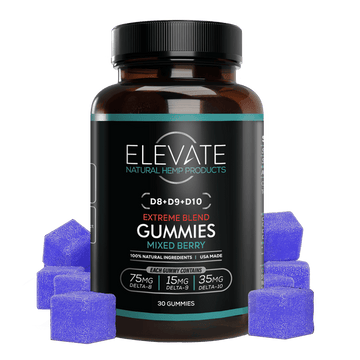
[PRODUCT:1]While the research is still in its early stages, a growing body of evidence — both clinical and experiential — points to several potential benefits worth examining in detail. Understanding these benefits requires a closer look at how cannabidiol interacts with the body's own regulatory systems, what the clinical literature currently shows, and how real-world users describe their experiences.
How CBD Interacts With the Body's Endocannabinoid System
To appreciate why CBD might help with restless leg syndrome, it is useful to understand the endocannabinoid system (ECS) — a complex cell-signaling network discovered in the early 1990s that plays a fundamental role in maintaining homeostasis throughout the body. The ECS consists of three core components: endocannabinoids (naturally produced compounds similar in structure to plant-derived cannabinoids), receptors (primarily CB1 receptors concentrated in the central nervous system and CB2 receptors found predominantly in the peripheral nervous system and immune cells), and enzymes responsible for synthesizing and breaking down endocannabinoids after they have fulfilled their function.
The ECS is involved in regulating a remarkably wide range of physiological processes, including pain perception, inflammation, mood, immune response, motor control, and — critically for RLS sufferers — sleep-wake cycles. When the ECS is functioning optimally, these processes remain in balance. When it is disrupted, symptoms can emerge across multiple domains. Some researchers have proposed the concept of "clinical endocannabinoid deficiency," a theory suggesting that inadequate endocannabinoid tone may underlie conditions characterized by heightened pain sensitivity, sleep disturbance, and neurological dysregulation — all hallmarks of restless leg syndrome.
Unlike THC, which binds directly and strongly to CB1 receptors to produce psychoactive effects, CBD interacts with the endocannabinoid system in a more indirect and multifaceted manner. CBD appears to modulate receptor activity rather than activating receptors outright. It has been shown to inhibit the enzyme fatty acid amide hydrolase (FAAH), which is responsible for breaking down anandamide — one of the body's key endocannabinoids often referred to as the "bliss molecule." By slowing anandamide's degradation, CBD may effectively increase its availability in the body, thereby enhancing the ECS's natural ability to regulate pain signaling, reduce inflammation, and promote relaxation.
Additionally, CBD interacts with several non-cannabinoid receptors that are relevant to RLS. These include TRPV1 receptors (involved in pain perception and temperature regulation), serotonin 5-HT1A receptors (implicated in anxiety and mood regulation), and glycine receptors (which play a role in inhibitory neurotransmission in the spinal cord and brainstem). This broad pharmacological profile means that CBD's potential benefits for restless leg syndrome likely stem not from a single mechanism but from a convergence of effects across multiple pathways — dampening pain signals, calming overactive nerve firing, reducing anxiety that can amplify symptom perception, and supporting the neurochemical conditions necessary for restful sleep.
Improved Sleep Quality
Improved sleep quality is perhaps the most frequently cited benefit among RLS sufferers who have tried CBD, and it is easy to understand why this particular benefit resonates so strongly. Sleep disruption is not merely a secondary inconvenience of restless leg syndrome — it is, for many patients, the most debilitating aspect of the condition. The International Restless Legs Syndrome Study Group has documented that up to 88 percent of RLS patients report significant sleep disturbance, and the consequences extend far beyond nighttime discomfort. Chronic sleep deprivation caused by RLS is associated with daytime fatigue, impaired concentration, reduced work productivity, increased risk of depression and anxiety, and diminished overall quality of life. Some studies have even linked severe, untreated RLS-related sleep loss to elevated cardiovascular risk.
Because RLS symptoms tend to intensify during the evening and nighttime hours — a phenomenon tied to the circadian rhythm of dopamine production, which naturally dips in the late evening — the resulting leg discomfort can make falling and staying asleep extraordinarily difficult. Patients often describe a vicious cycle: the urge to move their legs prevents them from relaxing enough to fall asleep, the act of moving provides only temporary relief before the sensations return, and the resulting fragmented sleep leaves them exhausted the next day, which in turn can lower the threshold for symptom onset the following evening.
According to a Brazil-based clinical trial published in the Journal of Clinical Sleep Medicine (2022), patients who used medical cannabis containing cannabidiol experienced notable improvements in sleep-related outcomes, with researchers observing a meaningful decrease in the frequency of uncomfortable sensations that disrupted rest . Specifically, the study tracked participants over a treatment period and used validated sleep assessment instruments to measure changes in sleep latency (how long it takes to fall asleep), sleep efficiency (the percentage of time in bed actually spent sleeping), and the number of nocturnal awakenings attributable to RLS symptoms. The improvements observed across these metrics were clinically meaningful, not just statistically significant — an important distinction that suggests real-world relevance for patients.
These findings, while preliminary, suggest that CBD may support the body's ability to achieve more restorative sleep cycles. The mechanism likely involves multiple pathways. First, by potentially reducing the intensity of the uncomfortable leg sensations themselves, CBD may lower the primary barrier to sleep onset. Second, CBD's documented anxiolytic (anxiety-reducing) properties may help quiet the hyperarousal state that many RLS patients experience at bedtime — a state in which the mind races with anticipation of the discomfort to come, creating a psychological barrier to relaxation that compounds the physical one. Third, some research suggests that CBD may influence sleep architecture directly, potentially increasing the duration of deep slow-wave sleep, which is the most physically restorative sleep phase and the one most frequently disrupted by periodic limb movements associated with RLS.
It is worth noting that the relationship between CBD and sleep is dose-dependent and appears to follow a biphasic pattern. Lower doses of CBD (roughly 15 to 30 milligrams) tend to have mildly alerting effects in some individuals, while moderate to higher doses (approximately 50 to 160 milligrams or more) are more commonly associated with sedation and sleep promotion. For RLS patients specifically, this dosing nuance matters. Finding the right amount — enough to calm symptoms and promote drowsiness without overshooting into next-day grogginess — often requires a period of careful self-titration, ideally under the guidance of a healthcare provider familiar with cannabinoid therapeutics.
Users who have found their optimal dose frequently describe the experience in remarkably consistent terms: a gradual quieting of the leg sensations over 30 to 90
Common Mistakes With Cbd For Restless Leg Syndrome
Even well-intentioned users can undermine their results by falling into avoidable pitfalls. If you want to learn more about cbd for restless leg syndrome, understanding what not to do is just as important as knowing where to start. Restless leg syndrome is a condition that disrupts sleep, diminishes quality of life, and often resists straightforward treatment. When people turn to CBD as a complementary option, they naturally hope for quick relief—but the path from curiosity to consistent benefit is lined with potential missteps. The mistakes outlined below aren't hypothetical; they're drawn from common patterns reported in online forums, clinical observations, and emerging research on cannabinoid therapeutics. By recognizing each one before it happens, you can build a more informed, safer, and ultimately more effective approach to managing your RLS symptoms with CBD.
Guessing at cbd dosage. One of the most frequent errors is choosing a random amount of cbd oil and hoping for the best. Without a structured approach—starting low, increasing gradually, and tracking symptom changes—users often take too little to notice anything or too much too quickly, leading to drowsiness or gastrointestinal discomfort. A healthcare provider familiar with cannabinoid pharmacology can help tailor a plan that accounts for body weight, metabolism, and the severity of your RLS symptoms.
The problem with guessing is compounded by the fact that CBD does not have a universally agreed-upon therapeutic dose for any condition, let alone restless leg syndrome specifically. Clinical trials that have explored CBD for pain, anxiety, and sleep disturbances have used doses ranging from as low as 15 milligrams per day to as high as 600 milligrams or more in a single session. That enormous range reflects differences in study design, population characteristics, product formulation, and target symptoms. For someone with RLS, there is no published dose-finding study to point to as definitive guidance—meaning you are essentially conducting a personal experiment every time you take a dropper of CBD oil.
This is why the "start low and go slow" principle matters so much. A practical starting point for many adults is somewhere between 10 and 25 milligrams of CBD taken approximately one to two hours before the time when RLS symptoms typically intensify—usually the evening. After holding that dose for at least five to seven days, you can assess whether there's any measurable change in the frequency, intensity, or duration of leg discomfort and involuntary movement urges. If symptoms remain unchanged, a modest increase of 5 to 10 milligrams is reasonable. If you notice partial improvement, staying at the current dose for another week before adjusting gives your endocannabinoid system time to reach a new equilibrium.
Tracking your experience in a simple journal—noting the dose, timing, symptom severity on a 1-to-10 scale, sleep quality, and any side effects—creates a data set that is far more useful than memory alone. Over the course of several weeks, patterns emerge. You may find, for example, that 30 milligrams taken 90 minutes before bed reduces your symptom severity from a 7 to a 4, but that 40 milligrams causes morning grogginess without additional RLS benefit. That kind of personalized insight is impossible to achieve by guessing, and it gives your healthcare provider concrete information to work with if you decide to discuss CBD during an appointment.
Another dimension of the dosage mistake involves failing to account for the type of CBD product being used. A full-spectrum CBD oil that contains trace amounts of THC, minor cannabinoids like CBN and CBG, and naturally occurring terpenes may produce noticeable effects at a lower milligram dose than a CBD isolate product, because of what researchers describe as the entourage effect—the synergistic interaction among multiple cannabis compounds. Conversely, a broad-spectrum product that has had THC removed but retains other plant compounds may fall somewhere in between. If you switch product types without adjusting your dose expectations, you may mistakenly conclude that CBD doesn't work for your RLS when the real issue is a mismatch between formulation and dosage.
Choosing low-quality, untested products. Because the FDA does not currently approve CBD as an rls treatment, product quality varies wildly. Research published in 2024 highlights that many over-the-counter formulations contain inaccurate cannabinoid labeling or undisclosed contaminants, which can make an otherwise promising approach ineffective—or even harmful . Always look for third-party certificates of analysis before purchasing.
To understand why quality matters so profoundly, consider what can go wrong at each stage of the supply chain. Hemp cultivation practices vary by farm; plants grown in contaminated soil can accumulate heavy metals such as lead, arsenic, cadmium, and mercury in their tissues. Without rigorous soil testing and agricultural oversight, those metals end up in the final extract. Similarly, the extraction method influences purity. Supercritical CO2 extraction is widely regarded as one of the cleanest methods because it doesn't leave behind solvent residues, but it is also more expensive. Some manufacturers use hydrocarbon solvents like butane or hexane, which can leave trace residues if the post-extraction purging process is insufficient. Ethanol extraction is a middle ground—generally safe and efficient—but the quality of the ethanol and the precision of the process still matter.
Once the crude extract is produced, further refinement—winterization to remove fats and waxes, distillation to concentrate cannabinoids, and optional isolation to produce pure CBD—introduces additional points where contamination or degradation can occur. A product that claims to contain 1,000 milligrams of CBD per bottle might actually contain 600 milligrams if the manufacturer's quality control is lax, or it might contain undisclosed levels of THC that exceed the legal 0.3 percent threshold, potentially causing psychoactive effects or triggering a positive drug test.
Third-party certificates of analysis, often abbreviated as COAs, are your primary safeguard. A legitimate COA is issued by an independent, ISO-accredited laboratory and should include cannabinoid potency results confirming that the CBD content matches the label claim within a reasonable margin, typically plus or minus 10 percent. It should also include panels for pesticides, residual solvents, heavy metals, and microbial contaminants such as mold, yeast, E. coli, and salmonella. Some COAs also test for mycotoxins—toxic compounds produced by certain fungi—which are particularly relevant for immunocompromised individuals. If a brand cannot or will not provide a current COA for the specific batch you are purchasing, treat that as a disqualifying red flag.
Beyond the COA, evaluate the brand's overall transparency. Do they disclose where their hemp is grown? Do they explain their extraction method? Is there a customer service team that can answer technical questions about formulation? Companies that invest in transparency tend to invest in quality, because they have nothing to hide. Conversely, brands that rely on vague marketing language—"pure," "natural," "premium"—without substantiating those claims with verifiable documentation should be approached with skepticism. When you're relying on a product to manage a condition as disruptive as restless leg syndrome, cutting corners on quality is a false economy that can cost you both money and symptom relief.
Confusing CBD with THC-dominant medical marijuana. Some people assume that any cannabis-derived product works the same way. THC and CBD interact with the endocannabinoid system differently, and a thc-dominant formula may cause psychoactive effects that worsen sleep architecture rather than support it. Make sure the product profile matches your goal.
The distinction between CBD and THC is not merely academic—it has direct, practical consequences for how your body responds. THC, or delta-9-tetrahydrocannabinol, is a partial agonist at CB1 receptors in the central nervous system. At moderate to high doses, it produces the characteristic cannabis "high," which can include euphoria, altered time perception, increased appetite, and, in some individuals, heightened anxiety or paranoia. While THC does have documented analgesic and muscle-relaxant properties, its psychoactive profile introduces complications for RLS management. Specifically, THC has been shown in sleep research to reduce REM sleep latency and suppress REM sleep duration. Since RLS symptoms often intensify during transitions into sleep and can overlap with periodic limb movement disorder during lighter sleep stages, altering sleep architecture with THC may provide subjective sedation without actually resolving the neurological drive behind restless legs.
CBD, by contrast,
How to Choose the Best Cbd For Restless Leg Syndrome
Navigating the world of cbd for restless leg syndrome can feel overwhelming when shelves are lined with tinctures, capsules, gummies, and balms—each making bold promises. The truth is that not all cannabidiol (CBD) products are created equal, and the choices you make around formulation, delivery method, and dosage can meaningfully influence your experience. Beyond just picking a bottle off the shelf, selecting the right product requires understanding how different extraction types interact with the endocannabinoid system, how bioavailability differs across delivery formats, and why third-party testing is more than a marketing buzzword in an industry where label accuracy remains inconsistent. Before you learn more about cbd for restless leg syndrome, here's a practical framework for selecting a product that aligns with your needs. The stakes of choosing well are higher than many consumers realize. Restless leg syndrome is a neurological condition that disrupts sleep architecture, contributes to daytime fatigue, and—when left unmanaged—can erode quality of life over months and years. Conventional treatments such as dopamine agonists (pramipexole, ropinirole) and alpha-2-delta ligands (gabapentin enacarbil, pregabalin) work for many patients, but they also carry side effect profiles that motivate a growing number of people to explore complementary approaches. Understanding how to evaluate cbd for restless leg syndrome products with the same rigor you would apply to any health intervention is the first step toward making an informed, responsible decision. Full-Spectrum, Broad-Spectrum, or Isolate? Full-spectrum cbd oil contains the full range of hemp-derived compounds, including trace amounts of THC (below the federally legal 0.3% threshold), along with minor cannabinoids such as cannabigerol (CBG), cannabinol (CBN), and cannabichromene (CBC). It also retains naturally occurring terpenes—aromatic compounds like myrcene, linalool, beta-caryophyllene, and limonene—that contribute to each cultivar's distinctive scent and may carry their own physiological effects. Many users report that the combined cannabinoid and terpene profile—sometimes called the "entourage effect"—offers a more noticeable impact on rls symptoms and sleep quality than isolate alone. The entourage effect hypothesis, first articulated by Raphael Mechoulam and Shimon Ben-Shabat in 1998, suggests that cannabinoids and terpenes work synergistically, with each compound modulating the activity of the others in ways that isolated molecules cannot replicate on their own. For restless leg syndrome specifically, this synergy may be relevant because RLS involves multiple overlapping neurological pathways—including dopaminergic signaling, iron metabolism in the brain, and sensorimotor cortex excitability. A full-spectrum product delivers a broader range of compounds that could, in theory, interact with more of these pathways simultaneously. Beta-caryophyllene, for example, acts as a selective agonist at the CB2 receptor and has demonstrated anti-inflammatory and analgesic properties in preclinical studies. Linalool, the terpene responsible for lavender's characteristic scent, has shown anxiolytic and sedative effects in animal models, which could complement CBD's own calming properties when nighttime restlessness is accompanied by anxiety or hyperarousal. If you prefer to avoid THC entirely—whether due to workplace drug testing policies, personal sensitivity, or legal concerns in your jurisdiction—broad-spectrum or CBD isolate products are viable alternatives, though research published in a 2022 review noted that variability in product quality and formulation significantly affects outcomes . Broad-spectrum products undergo additional processing to remove detectable THC while attempting to preserve the remaining cannabinoid and terpene profile. The quality of that processing matters: some broad-spectrum extracts retain a rich complement of minor cannabinoids and terpenes, while others are stripped down to little more than CBD with trace amounts of other compounds. Reading the certificate of analysis carefully—and comparing the listed cannabinoid and terpene concentrations to those of the source plant material—can help you distinguish between a genuinely broad-spectrum product and one that is broad-spectrum in name only. CBD isolate, by contrast, is the purest form of cannabidiol, typically 99% or higher purity in crystalline form. Isolate is flavorless, odorless, and easy to incorporate into formulated products, which is why many gummies, capsules, and beverages use it as a base. The trade-off is that you lose the potential benefits of the entourage effect entirely. For some users this is perfectly acceptable—particularly those who are highly sensitive to THC or who want the simplest possible ingredient profile. However, a 2015 study conducted at the Lautenberg Center for Immunology and Cancer Research in Jerusalem found that full-spectrum cannabis extract produced a more robust dose-response curve than pure CBD isolate in an inflammation model, suggesting that the additional compounds may enhance CBD's overall efficacy in at least some biological contexts. Whether that translates directly to relief from restless leg syndrome symptoms in human patients remains an open research question, but it is a data point worth considering during your selection process. When evaluating which spectrum type to choose, also consider your relationship with THC more broadly. Even at 0.3% or below, trace THC in a full-spectrum product can accumulate with higher doses. Someone taking 100 milligrams of a full-spectrum oil daily might be consuming up to 0.3 milligrams of THC—a small amount, but enough to trigger a positive result on some immunoassay-based drug screening panels, particularly if use is consistent over weeks. If your employment depends on passing drug tests, this is a practical concern that overrides theoretical benefits of the entourage effect. Delivery Methods Matter Sublingual cbd oil absorbs relatively quickly—typically within 15 to 45 minutes—because the mucous membranes under the tongue allow CBD to bypass first-pass metabolism in the liver and enter the bloodstream more directly. This delivery route also allows precise dose adjustments, since most tinctures come with graduated droppers marked in 0.25 mL or 0.5 mL increments. For evening routines aimed at calming restless legs before bed, this combination of relatively fast onset and dosing precision makes sublingual oil one of the most practical formats available. To maximize sublingual absorption, hold the oil under your tongue for 60 to 90 seconds before swallowing. Swallowing immediately routes the CBD through the digestive tract instead, which reduces bioavailability and delays onset. The bioavailability of sublingual CBD is estimated at roughly 13% to 35%, depending on the formulation and individual factors such as oral mucosa health and whether you've recently eaten. Contrast this with oral ingestion—swallowing a capsule, softgel, or edible—where bioavailability drops to approximately 6% to 19% due to extensive first-pass metabolism. This means that a 25-milligram sublingual dose may deliver more active CBD to your system than a 25-milligram capsule, even though the label claims the same potency. Understanding this distinction is essential for anyone trying to compare products across different delivery formats or wondering why a capsule that worked for a friend doesn't seem to produce the same results for them. Topical cbd creams, balms, salves, and roll-on formulations can be applied directly to the legs and are favored by people who want localized relief without systemic effects. When you massage a CBD-infused cream into your calves or thighs, the cannabinoid interacts with CB1 and CB2 receptors in the skin and underlying tissue rather than circulating throughout your entire body. This localized approach may help if your RLS sensations are concentrated in specific muscle groups, and some topical formulations include complementary ingredients—menthol, camphor, arnica, capsaicin, or magnesium—that provide additional soothing, warming, or cooling sensations. The downside is that CBD has difficulty penetrating deeply through the skin barrier; most topical CBD remains in the epidermis and dermis rather than reaching muscle tissue or nerve endings at significant concentrations. For this reason, some users combine a topical application with a sublingual dose—using the topical for immediate surface-level comfort and the oil for systemic support. Capsules and softgels offer convenience and consistent dosing but take longer to onset—generally 45 minutes to two hours—because the CBD must pass through the stomach and small intestine before reaching the bloodstream. The advantage is predictability: each capsule contains a pre-measured amount, eliminating the need to count drops or measure with a dropper. Softgels formulated with a lipid carrier, such as MCT oilFrequently Asked Questions
Is CBD legal for restless leg syndrome? Hemp-derived CBD containing less than 0.3% THC is federally legal in the United States under the 2018 Farm Bill, which reclassified hemp as an agricultural commodity rather than a controlled substance. This legislative change opened the door for millions of Americans to access cannabidiol products without a prescription, including those seeking relief from conditions like restless leg syndrome. However, the FDA has not approved any CBD product specifically for restless leg syndrome, which means products are sold as dietary supplements rather than medications. This distinction matters because supplement manufacturers are not required to demonstrate clinical efficacy before bringing products to market, and labeling claims are not evaluated with the same rigor applied to pharmaceutical drugs. State laws vary considerably, so check your local regulations before purchasing. Some states have embraced the federal framework fully, while others impose additional restrictions on CBD sales, possession limits, or the types of products available. For example, certain states require CBD products to be sold only through licensed dispensaries, while others allow over-the-counter sales at pharmacies, health food stores, and even gas stations. The patchwork of regulations can be confusing, making it essential to research your specific state's stance before ordering online or purchasing in person. Always choose cbd oil from brands that provide third-party lab results, as research published in 2024 highlights that product quality and accurate labeling significantly affect outcomes . Third-party certificates of analysis, commonly referred to as COAs, verify the cannabinoid profile, confirm THC content falls within legal limits, and screen for contaminants like heavy metals, pesticides, residual solvents, and microbial impurities. A 2020 study found that nearly 25 percent of commercially available CBD products contained less CBD than advertised on the label, while some contained more THC than legally permitted. This underscores why independent testing is not just a nice-to-have feature but a necessity for consumer safety. Beyond federal and state law, workplace drug testing adds another layer of complexity. While most standard drug panels test for THC metabolites rather than CBD itself, full-spectrum CBD products contain trace amounts of THC that could theoretically accumulate with regular use and trigger a positive result. If you are subject to workplace testing, broad-spectrum or CBD isolate products may present a lower risk, though no product can guarantee a negative test result. Discussing your CBD use with a knowledgeable healthcare provider and your employer's human resources department can help you navigate this concern proactively. International travelers should also be aware that CBD legality varies dramatically from country to country. While Canada, the United Kingdom, and many European Union nations permit CBD products under specific conditions, other countries classify all cannabis-derived compounds as controlled substances. Carrying CBD across international borders without verifying the destination country's laws could result in confiscation, fines, or even criminal charges. How much CBD should I take for restless legs? There is no universally established cbd dosage for RLS, and this remains one of the most common sources of confusion for new users. Most practitioners suggest starting low—around 10 to 25 milligrams per day—and gradually increasing until you notice meaningful improvement in rls symptoms. This approach, often called "start low and go slow," allows you to identify the minimum effective dose while minimizing the risk of side effects such as drowsiness, dry mouth, or gastrointestinal discomfort. According to a 2022 review examining cannabinoids and sleep disorders, dosing protocols varied widely across studies, reinforcing the importance of individualized approaches under medical guidance . Some clinical investigations used doses as low as 15 milligrams per day, while others administered 300 milligrams or more in single sessions. The lack of standardization reflects the early stage of cannabinoid research and the inherent variability in how different individuals metabolize these compounds. Factors like body weight, metabolism, symptom severity, and individual endocannabinoid system tone all influence how much you may need. A person weighing 120 pounds will likely respond differently to the same dose as someone weighing 220 pounds. Similarly, individuals with faster hepatic metabolism may process CBD more quickly, requiring higher or more frequent doses to maintain therapeutic levels. Genetic variations in cytochrome P450 enzymes, particularly CYP3A4 and CYP2C19, play a significant role in CBD metabolism and can explain why two people of similar size experience vastly different effects from the same product. When titrating your dose, keep a detailed journal documenting the time of administration, the amount taken, the product type, and the severity of your restless leg symptoms both before and after dosing. Rate your symptoms on a consistent scale—for instance, zero to ten, where zero represents no discomfort and ten represents the worst symptoms you have experienced. Track additional variables such as caffeine intake, exercise, stress levels, and sleep duration, as these factors independently influence RLS severity and could confound your assessment of CBD's effects. After one to two weeks at a given dose, review your journal entries to determine whether symptoms have improved, remained stable, or worsened before making any adjustments. The method of administration also affects dosing considerations. Sublingual oils and tinctures typically have bioavailability ranging from 13 to 35 percent, meaning that a significant portion of the CBD you consume never reaches systemic circulation. Capsules and edibles pass through the digestive system and undergo first-pass hepatic metabolism, which further reduces bioavailability to approximately 6 to 19 percent but produces longer-lasting effects. Inhaled CBD, through vaporization, offers the highest bioavailability—often exceeding 30 percent—with the fastest onset of action, though the long-term pulmonary safety profile of vaporized products remains under investigation. Topical CBD products applied directly to the legs may provide localized relief without significant systemic absorption, making them an option for people who prefer to avoid oral consumption or who experience gastrointestinal side effects. Timing matters as well. For nighttime RLS symptoms, many users find that taking CBD 30 to 90 minutes before bed allows sufficient time for absorption and onset of effects. However, if your symptoms also manifest during sedentary daytime activities such as sitting at a desk, watching television, or traveling by car or airplane, you might benefit from dividing your daily dose into two administrations—one in the afternoon and one before bed. Splitting the dose can help maintain more consistent cannabinoid levels throughout the periods when symptoms are most likely to occur. It is also worth noting that CBD can interact with a wide range of prescription and over-the-counter medications. Because CBD inhibits certain cytochrome P450 enzymes, it can alter the metabolism of drugs processed through the same pathways. Common medications affected include certain blood thinners like warfarin, some antiepileptic drugs, benzodiazepines, certain antidepressants, and some statins. If you take any of these medications—or any other prescription drug—consult your physician or pharmacist before adding CBD to your regimen. They can help you assess potential interactions and may recommend adjusting medication doses or monitoring blood levels more frequently. Does CBD oil help restless legs at night? Many users report that taking cbd for restless leg syndrome before bed is associated with improved sleep quality and fewer nighttime disruptions. Restless leg syndrome characteristically worsens during the evening and nighttime hours, which is thought to relate to circadian fluctuations in dopamine activity and iron metabolism in the brain. The uncomfortable sensations—described variously as crawling, tingling, burning, aching, or an irresistible urge to move the legs—can make falling asleep extremely difficult and fragment sleep architecture throughout the night. This leads to chronic sleep deprivation, daytime fatigue, impaired concentration, mood disturbances, and diminished quality of life. While preliminary research suggests cannabinoids may support the endocannabinoid system's role in regulating sleep and sensory discomfort, large-scale clinical trials are still needed to establish definitive efficacy. The endocannabinoid system comprises CB1 and CB2 receptors distributed throughout the central and peripheral nervous systems, along with endogenous ligands such as anandamide and 2-arachidonoylglycerol. CB1 receptors are particularly dense in brain regions associated with sleep regulation, pain perception, and motor control—all of which are relevant to the pathophysiology of RLS. CBD does not bind directly to CB1 receptors in the same way that THC does, but it modulates endocannabinoid signaling indirectly by inhibiting the enzyme fatty acid amide hydrolase, which breaks down anandamide. By prolonging anandamide's activity, CBD may enhance the body's natural capacity to regulate sensory processing and promote relaxation. Sublingual oils and capsules taken 30 to 60 minutes before bedtime are popular choices among those seeking nighttime relief. Sublingual administration involves placing drops of CBD oil under the tongue and holding them there for 60 to 90 seconds before swallowing. The sublingual mucosaJoin Our Newsletter
Sign up to be the first to know about our can't-miss product drops, special VIP offers & exclusive discounts.