
CBD for Menstrual Cramps: Natural Pain Relief Explained

CBD for menstrual cramps uses cannabidiol to reduce inflammation and pain. It interacts with the body's endocannabinoid system to support natural pain relief during periods.
What Is Cbd For Menstrual Cramps
Up to 90% of menstruating individuals experience dysmenorrhea — the clinical term for painful period cramps — yet nearly half report that conventional painkillers fall short of full relief. That frustration gap between suffering and adequate comfort is exactly why so many people are asking: can CBD really help with period cramps? If you want to learn more about cbd for menstrual cramps, understanding the science behind it starts here.
CBD for menstrual cramps refers to the use of cannabidiol, a non-intoxicating compound derived from hemp, as a complementary approach to managing menstrual pain. Unlike THC, the psychoactive cannabinoid responsible for the "high" associated with marijuana, CBD does not alter mental state. Instead, it has been studied for its anti-inflammatory and analgesic properties, which may support the body's natural response to the cyclical pain and cramping that define dysmenorrhea. Cannabidiol belongs to a class of over 100 identified phytocannabinoids found in the Cannabis sativa plant, but it has drawn outsized attention from researchers precisely because it offers potential therapeutic effects without intoxication or significant abuse potential. The 2018 Farm Bill legalized hemp-derived CBD containing less than 0.3% THC at the federal level in the United States, which opened the door for broader consumer access and a rapidly growing market of CBD wellness products specifically formulated for pain and inflammation. This legal distinction is important: hemp-derived CBD products are widely available online and in retail stores across most states, while marijuana-derived products remain subject to state-specific cannabis regulations. The accessibility of hemp-derived CBD has made it one of the most commonly explored natural alternatives among people seeking menstrual pain management options outside of — or alongside — traditional pharmaceuticals.
To fully appreciate why CBD is being explored for menstrual pain, it helps to understand what causes period cramps in the first place. During menstruation, the uterine lining sheds, and cells in the endometrium release prostaglandins — lipid compounds that trigger uterine muscle contractions to help expel the lining. Higher concentrations of prostaglandins, particularly prostaglandin F2α, correlate directly with more intense cramping. These contractions can temporarily reduce blood flow to the uterus, depriving the muscle tissue of oxygen and creating the ischemic pain that many people describe as a deep, throbbing ache in the lower abdomen. Prostaglandins also sensitize peripheral nerve endings, lowering the pain threshold so that even normal uterine activity feels amplified. In some individuals, prostaglandin levels are significantly elevated compared to averages, which helps explain why period pain severity varies so dramatically from person to person. Research has shown that people with primary dysmenorrhea can produce up to two to three times the prostaglandin levels of those who experience mild or no cramping, creating a biochemical basis for what is often dismissed as subjective discomfort. Secondary dysmenorrhea, caused by underlying conditions such as endometriosis, adenomyosis, or uterine fibroids, adds additional inflammatory and structural factors that can make cramps even more debilitating. Endometriosis alone affects an estimated 10% of reproductive-age individuals worldwide and involves the growth of endometrial-like tissue outside the uterus, where it triggers chronic inflammatory responses, adhesions, and pain that often extends well beyond the menstrual window. For these individuals, the inflammatory component of period pain is compounded by an already overactivated immune environment, which makes anti-inflammatory interventions — including CBD — particularly relevant to explore.
The mechanism by which CBD may address these processes centers on the endocannabinoid system (ECS), a complex cell-signaling network present throughout the uterus, nervous system, and immune tissues. The ECS plays a documented role in pain modulation, muscle contraction, and inflammatory signaling — all processes directly involved in period pain. The system comprises three core components: endocannabinoids (such as anandamide and 2-arachidonoylglycerol, or 2-AG), the receptors they bind to (primarily CB1 and CB2), and the enzymes that synthesize and break them down (including FAAH and MAGL). CB1 receptors are concentrated in the central nervous system and are heavily involved in pain perception, while CB2 receptors are found predominantly in immune cells and peripheral tissues, where they influence inflammatory responses. Notably, both receptor types have been identified in uterine tissue, the ovaries, and the endometrium, suggesting that the ECS plays a localized role in reproductive function and menstrual-cycle-related inflammation. Research published in the journal Human Reproduction has documented fluctuations in endocannabinoid levels across the menstrual cycle, with anandamide concentrations peaking during ovulation and shifting during the luteal and menstrual phases. These cyclical variations suggest the ECS is not merely present in reproductive tissue but actively participates in regulating the physiological changes that occur throughout each cycle, including the inflammatory and contractile activity that produces cramps. Understanding this hormonal interplay helps contextualize why cannabinoid-based interventions might have phase-specific relevance for menstrual symptom management.
When CBD interacts with ECS receptors and enzymes, preliminary research suggests it may help modulate these pathways, offering a form of period pain relief that works alongside the body rather than simply overriding symptoms. CBD does not bind directly to CB1 or CB2 receptors with high affinity the way THC does. Instead, it acts as a negative allosteric modulator of CB1 and an indirect agonist of CB2, meaning it influences receptor activity without fully activating or blocking them. One of its most studied mechanisms is the inhibition of FAAH, the enzyme responsible for breaking down anandamide. By slowing anandamide degradation, CBD effectively raises endocannabinoid tone, allowing the body's own pain-modulating molecules to remain active longer. Anandamide has been shown to reduce uterine contractility in preclinical models, which has direct relevance to the spasmodic contractions that characterize menstrual cramps. In practical terms, this means CBD may not introduce a foreign chemical override of pain signaling but rather amplify a regulatory system the body already uses to manage uterine muscle activity and discomfort. Additionally, CBD interacts with non-ECS targets that are significant for pain management, including TRPV1 vanilloid receptors (involved in pain signaling and thermal sensation), serotonin 5-HT1A receptors (associated with mood regulation and pain perception), and GPR55 receptors (sometimes called the "third cannabinoid receptor," which plays a role in inflammatory pain). TRPV1 activation is particularly noteworthy because these receptors respond to heat, capsaicin, and certain inflammatory mediators — when CBD desensitizes TRPV1 channels, it may reduce the heightened pain sensitivity that prostaglandins create during menstruation, effectively raising the pain threshold back toward baseline. The serotonin receptor interaction also has implications beyond pain itself: many individuals experience mood disturbances, anxiety, and sleep disruption during menstruation, and CBD's activity at 5-HT1A receptors may offer secondary benefits that address the broader symptom profile of difficult periods. This multi-target pharmacology is part of what makes CBD a subject of growing scientific interest — rather than acting on a single pathway, it appears to influence several overlapping systems involved in how the body processes and responds to pain.
Beyond direct pain signaling, CBD has demonstrated anti-inflammatory properties in multiple preclinical studies. Inflammation is a driving force behind menstrual pain: prostaglandin synthesis is an inflammatory process, and the cascade of immune cell activity in the shedding endometrium generates additional cytokines and inflammatory mediators that amplify discomfort. Research published in the Journal of Pharmacology and Experimental Therapeutics has shown that CBD can reduce levels of pro-inflammatory cytokines such as TNF-α, IL-6, and IL-1β in various tissue models. While these studies were not conducted specifically on uterine tissue, the inflammatory pathways involved are the same ones active during menstruation. CBD has also been observed to inhibit COX-2 activity in some in vitro settings — the same enzyme targeted by NSAIDs like ibuprofen — though the degree of inhibition and its clinical significance in human dosing remain areas of active investigation. A 2020 study in the journal Molecules noted that certain cannabinoids could suppress prostaglandin E2 production in immune cell cultures, adding another layer of plausibility to the hypothesis that CBD may help
How Cbd For Menstrual Cramps Works
To understand why so many people are reaching for CBD oil during their cycle, you need to look beneath the surface — specifically, at a biological signaling network your body already runs on. The endocannabinoid system (ECS) is a cell-signaling system composed of receptors (CB1 and CB2), endogenous cannabinoids, and enzymes that regulate pain perception, inflammatory responses, and smooth muscle contraction throughout the body — including the uterus. When you learn more about cbd for menstrual cramps, the ECS is the starting point that makes the entire conversation scientifically coherent.
The ECS wasn't discovered until the early 1990s, which means much of what we know about it is still relatively new in biomedical terms. Researchers identified CB1 receptors primarily concentrated in the central nervous system and CB2 receptors distributed more broadly across immune cells, peripheral tissues, and — critically for this discussion — reproductive organs including the uterus, ovaries, and fallopian tubes. The presence of these receptors in reproductive tissue isn't incidental. Studies have shown that endocannabinoid tone fluctuates across the menstrual cycle, with receptor expression and endocannabinoid levels shifting in response to hormonal changes driven by estrogen and progesterone. This means your body's own cannabinoid signaling is already deeply involved in regulating the physiological events of menstruation. CBD, as a phytocannabinoid derived from the hemp plant, interfaces with this existing system — it doesn't introduce a foreign mechanism but rather modulates one your body is already running.
Here's the core mechanism: during your menstrual cycle, the uterine lining produces prostaglandins — lipid compounds that trigger the smooth muscle contractions we experience as period cramps. Higher prostaglandin levels are directly associated with more intense cramping, which is why NSAIDs work by inhibiting prostaglandin synthesis. Specifically, two types of prostaglandins — PGF2α and PGE2 — are the primary drivers. PGF2α causes the myometrium (the muscular wall of the uterus) to contract, while PGE2 contributes to inflammation and sensitizes pain receptors in surrounding tissue. In individuals with primary dysmenorrhea, prostaglandin concentrations in menstrual fluid can be significantly higher than in those who experience minimal cramping, and the severity of pain correlates closely with these levels.
CBD appears to interact with this same pathway, but through a different route. Rather than blocking cyclooxygenase enzymes the way ibuprofen does, CBD modulates ECS receptor activity and has been studied for its ability to influence prostaglandin production indirectly. According to research indexed on PubMed (2025), cannabinoids including CBD interact with CB1 and CB2 receptors expressed in uterine tissue, and this interaction is associated with downstream modulation of inflammatory mediators like prostaglandins . What makes this particularly interesting is that CBD doesn't simply suppress one enzyme or one pathway — it appears to act as a broad-spectrum modulator that influences multiple nodes in the inflammatory cascade simultaneously. This multi-target approach is fundamentally different from the single-mechanism action of most over-the-counter pain medications and may explain why some users report a qualitatively different experience of relief compared to conventional options.
To put this in practical terms: when you take ibuprofen, it inhibits COX-1 and COX-2 enzymes, which reduces prostaglandin synthesis systemically. This is effective but comes with well-documented gastrointestinal side effects, particularly with repeated use, because COX-1 also plays a protective role in the stomach lining. CBD's interaction with prostaglandin pathways appears to be more selective in its downstream effects, though the precise pharmacokinetics are still being mapped. Early-stage research suggests that CBD may preferentially modulate COX-2 — the inducible form of the enzyme most associated with inflammation — rather than COX-1, which could theoretically offer anti-inflammatory benefits with a more favorable side-effect profile. However, this remains an area of active investigation, and definitive conclusions about COX selectivity in human subjects at typical CBD dosages have not yet been established.
The anti-inflammatory properties of CBD are central to its relevance for menstrual discomfort. Prostaglandins don't just cause contractions — they also sensitize peripheral nerve endings, amplifying pain signals sent to the brain. This process, known as peripheral sensitization, lowers the threshold at which nerve fibers fire, meaning stimuli that wouldn't normally register as painful become acutely uncomfortable. This is why menstrual cramps often feel disproportionately intense relative to the mechanical event occurring — the inflammatory environment around the uterus is effectively turning up the volume on your pain signaling system.
CBD's analgesic effects appear to operate on multiple levels: it may support the desensitization of TRPV1 pain receptors, modulate serotonin signaling through 5-HT1A receptors, and influence the reuptake of anandamide — one of the body's own endocannabinoids sometimes called the "bliss molecule." Each of these mechanisms deserves closer examination. TRPV1 receptors, also known as vanilloid receptors, are ion channels activated by heat, capsaicin, and certain inflammatory mediators. When TRPV1 is activated, it generates a pain signal. CBD has been shown in preclinical studies to act as a TRPV1 agonist at sufficient concentrations — initially activating the receptor but then causing it to desensitize, effectively raising the pain threshold over time. This is a similar mechanism to how capsaicin creams work for localized pain, but CBD may achieve this effect both topically and systemically depending on the delivery method.
The serotonin pathway adds another dimension. The 5-HT1A receptor is involved not only in mood regulation but also in pain modulation and nausea — both of which are common complaints during menstruation. CBD's partial agonism at 5-HT1A receptors may contribute to the sense of overall symptom relief that users describe, extending beyond just the cramping itself to include the nausea, irritability, and general malaise that often accompany the first day or two of a period. This is a meaningful distinction because most people don't experience menstrual discomfort as a single, isolated symptom — it's a cluster of overlapping sensations that affect quality of life, and an intervention that addresses multiple symptoms simultaneously has practical value even if each individual effect is modest.
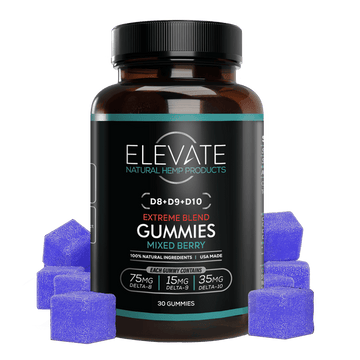
[PRODUCT:1]Anandamide reuptake inhibition is perhaps the most elegant piece of the puzzle. Anandamide is an endogenous cannabinoid that binds to CB1 receptors and is associated with pain reduction, mood elevation, and anti-inflammatory signaling. Under normal conditions, anandamide is rapidly broken down by the enzyme fatty acid amide hydrolase (FAAH). CBD has been shown to inhibit FAAH activity, which allows anandamide to persist longer in the synaptic space and exert its effects more robustly. In the context of menstrual cramps, elevated anandamide levels could mean enhanced natural pain relief at the site of uterine inflammation — your body's own analgesic system working more effectively because CBD is slowing the breakdown of its key signaling molecule.
A 2024 review published in Nature highlighted how cannabinoid receptor modulation in reproductive tissue is an increasingly active area of investigation, particularly for conditions involving cyclical pelvic pain. The review noted that endocannabinoid deficiency — a theoretical framework suggesting that some individuals produce insufficient endocannabinoids for optimal regulation — could partially explain why certain people experience disproportionately severe menstrual symptoms. If this hypothesis holds, exogenous cannabinoids like CBD could serve a compensatory role, supplementing an underperforming system rather than introducing an entirely novel pharmacological action. This framework has also been proposed as a potential explanatory model for conditions like endometriosis, fibromyalgia, and irritable bowel syndrome, all of which share features of heightened pain sensitivity and chronic inflammation.
It's worth distinguishing CBD from THC in this context. While both cannabinoids interact with the ECS, THC binds directly to CB1 receptors and produces psychoactive effects, whereas CBD has a more indirect, modulatory relationship
Benefits of Cbd For Menstrual Cramps
The growing interest in cbd for menstrual cramps isn't driven by hype alone — it's rooted in how cannabidiol interacts with the body's endocannabinoid system (ECS), a network that plays a central role in pain signaling and inflammatory response. As more people seek alternatives to conventional painkillers, the potential benefits of CBD are coming into sharper focus, supported by both emerging research and widespread anecdotal reports. If you'd like a deeper dive into the science, you can learn more about cbd for menstrual cramps in our educational guide. Understanding why CBD may help requires a brief look at the underlying mechanisms of menstrual pain. During menstruation, the uterine lining sheds and releases prostaglandins — hormone-like compounds that trigger uterine contractions to expel tissue. Higher concentrations of prostaglandins are directly associated with more intense cramping. This is why NSAIDs like ibuprofen work: they inhibit cyclooxygenase (COX) enzymes responsible for prostaglandin synthesis. CBD appears to interact with some of these same inflammatory pathways, though through different receptor mechanisms, which is why researchers are increasingly interested in its role as a complementary or alternative approach. The ECS itself contains two primary receptor types — CB1 receptors concentrated in the central nervous system and CB2 receptors found predominantly in immune cells and peripheral tissues, including the reproductive tract. CBD's indirect modulation of both receptor types, along with its influence on non-cannabinoid receptors like TRPV1 (involved in pain perception and temperature regulation), creates multiple potential avenues for alleviating the discomfort associated with menstruation. Pain relief without heavy reliance on NSAIDs. One of the most frequently cited benefits is that CBD may support the body's natural pain-management pathways, potentially offering period pain relief that allows users to lower their dependence on over-the-counter anti-inflammatory medications. According to a 2019 review published in the Journal of Clinical Medicine (PMID: 30646891), the ECS is intimately involved in modulating pain perception, and cannabinoids — including CBD — have been studied for their anti-inflammatory and analgesic properties. Forbes Health has also highlighted CBD as a promising option for people looking for complementary approaches to menstrual pain. The case for reducing NSAID reliance is particularly relevant for people who experience gastrointestinal side effects from regular ibuprofen or naproxen use. Long-term or frequent NSAID consumption has been linked to stomach ulcers, increased bleeding risk, and kidney strain — concerns documented extensively in gastroenterology literature. For someone who reaches for ibuprofen every month for three to seven days at a time, the cumulative exposure adds up over years. CBD offers a different risk profile. While it is not without its own considerations — including potential interactions with certain medications and variability in product quality — it does not carry the same gastrointestinal risks that make NSAIDs problematic for long-term cyclical use. This doesn't mean CBD should automatically replace NSAIDs for everyone, but it does mean that for individuals who tolerate CBD well, it can serve as a first-line option on lighter pain days or as a complement that allows for a lower NSAID dose on heavier days. Topical CBD applications deserve specific mention here as well. CBD topicals — including balms, salves, and roll-ons applied directly to the lower abdomen or lower back — allow cannabidiol to interact with localized CB2 and TRPV1 receptors in the skin and underlying muscle tissue without significant systemic absorption. For people who prefer not to ingest CBD or who want targeted relief in a specific area, topicals can be a practical entry point. Some users layer a topical application with an oral product like a tincture or gummy to address both localized and systemic discomfort simultaneously, a strategy that practitioners sometimes refer to as "inside-out" dosing. Improved sleep and reduced PMS symptoms. Beyond cramping itself, many users report that cbd products — particularly cbd gummies taken in the evening — help them sleep more soundly during their cycle. Poor sleep and heightened anxiety are hallmarks of PMS, and Medical News Today notes that CBD has been studied for its calming effects on the nervous system. While CBD is not a standalone solution for severe pms symptoms, preliminary research suggests it may ease the overall burden of the premenstrual window when used consistently. To understand why sleep disruption is so common during the premenstrual and menstrual phases, it helps to consider the hormonal shifts at play. Progesterone, which has natural sedative-like properties, drops sharply in the days before menstruation begins. This decline can make it harder to fall asleep and stay asleep, even for people who don't typically struggle with insomnia. Simultaneously, rising prostaglandin levels can cause nighttime cramping that wakes users from deeper sleep stages. The result is a compounding cycle: poor sleep lowers pain tolerance, and increased pain further disrupts sleep. CBD may help interrupt this cycle on both ends. Its interaction with serotonin receptors (specifically 5-HT1A) has been associated with anxiolytic effects in preclinical studies, and its influence on adenosine signaling — a neurotransmitter involved in promoting drowsiness — may contribute to the sleep-supportive effects that users commonly describe. The broader category of PMS symptoms extends well beyond cramps and sleep issues. Mood swings, irritability, bloating, breast tenderness, headaches, and difficulty concentrating are all recognized components of premenstrual syndrome, and for those who meet the criteria for premenstrual dysphoric disorder (PMDD), these symptoms can be debilitating. While CBD research specific to PMDD is still in early stages, the compound's documented effects on anxiety, inflammation, and pain perception suggest it could play a supportive role within a broader management plan. Users who report the most consistent benefit from CBD for PMS-related symptoms tend to be those who begin their regimen several days before symptoms typically onset — usually around day 21 to 24 of their cycle — rather than waiting until symptoms are already at their peak. This proactive approach aligns with how the ECS functions: regular, consistent interaction with cannabinoids appears to support more stable endocannabinoid tone over time, compared to sporadic or reactive use. It's also worth noting the psychological dimension. The ritual of taking a cbd gummy or applying a topical balm in the evening can itself become a calming self-care practice that signals to the nervous system that it's time to wind down. While this isn't a pharmacological effect of CBD per se, the behavioral context in which a product is used can meaningfully influence subjective outcomes — a principle well-established in pain psychology research. Complementary use with magnesium. A practical benefit that often goes overlooked is how well CBD pairs with magnesium, a mineral already associated with muscle relaxation and menstrual comfort. Some users find that combining a quality CBD product with a magnesium supplement creates a more noticeable effect than either one alone — an approach that aligns with research emphasizing multimodal strategies over single-ingredient fixes. A 2025 study (PMID: 41566248) reinforced that individual responses to cannabis-derived compounds vary significantly, meaning the best results often come from personalized combinations rather than a one-size-fits-all dose. Magnesium's relevance to menstrual health is well-documented independently of CBD. It acts as a natural muscle relaxant by regulating calcium influx into smooth muscle cells — the same type of muscle that lines the uterus and contracts during menstruation. Magnesium glycinate and magnesium bisglycinate are the forms most commonly recommended for menstrual support due to their higher bioavailability and lower likelihood of causing digestive upset compared to magnesium oxide or citrate. When paired with CBD, the two compounds appear to work through complementary but distinct mechanisms: magnesium directly addresses the muscular contraction component, while CBD modulates the inflammatory and pain-signaling pathways that amplify the perception of those contractions. This is why some users describe the combination as feeling qualitatively different from either supplement alone — the cramps may still occur to some degree, but they feel less sharp and less consuming. Beyond magnesium, other complementary pairings worth considering include omega-3 fatty acids, which have their own documented anti-inflammatory effects on prostaglandin production, and vitamin B6, which has been studied for its role in alleviating PMS-related mood symptoms. The principle remains the same: rather than expecting a single product to eliminate all symptoms, a layered approach that addresses multiple pathways — inflammatory, muscular, neurological, hormonal — tends to produce the most consistent and meaningful results. This is especially true given the 2025 finding about individual variabilityCommon Mistakes With Cbd For Menstrual Cramps
Even with growing interest in CBD as a natural option for menstrual pain, many people undermine their own results through avoidable errors. The gap between expectation and outcome is often not about CBD itself failing but about how it is selected, dosed, timed, and evaluated. If you want to learn more about cbd for menstrual cramps before diving in, understanding these pitfalls first will save you time, money, and frustration. Below, we break down the most common mistakes in detail—along with practical guidance for correcting each one.
Choosing the Wrong Cbd Dosage
One of the most frequent mistakes is starting with a dose that is either too high or too low and then abandoning CBD entirely when results do not match expectations. Research published in Cannabis and Cannabinoid Research (2025) highlights that individual responses to CBD vary significantly based on differences in endocannabinoid system activity and pain sensitivity . This means the dose that works perfectly for one person during their period cramps may do almost nothing for another—or may even cause unwanted side effects like drowsiness or mild gastrointestinal upset if set too high from the start.
Rather than guessing, begin with a low cbd dosage—often 10–25 mg per day—and adjust gradually over several cycles while tracking your period cramps and symptom changes. A practical approach is to keep a simple log noting the dose taken, the time of day, where you are in your cycle, pain intensity on a 1–10 scale, and any other symptoms like bloating, headache, or mood changes. After two to three full menstrual cycles, patterns typically emerge that make it much easier to identify your minimum effective dose.
It is also worth noting that body weight, metabolism, prior cannabis or cannabinoid exposure, and even what you have eaten recently can all influence how CBD is absorbed and processed. Someone who weighs 110 pounds and has never used any cannabinoid product before will likely respond to 15 mg very differently than someone who weighs 180 pounds and has been using cbd oil intermittently for months. Adjusting in small increments—5 mg at a time is a reasonable step—gives you far more control than jumping from 10 mg to 50 mg because you did not feel anything after a single use.
Another dosage-related mistake is inconsistency. Taking CBD sporadically—only when cramps are already severe—and then concluding it does not work misses the point entirely. Many users who report the best outcomes describe building a consistent routine during the luteal phase, the roughly two-week window between ovulation and the start of menstruation when prostaglandin production ramps up and inflammation-related symptoms intensify. Starting your cbd dosage one to two days before you typically experience the onset of menstrual pain gives the compound time to engage with your endocannabinoid system before the inflammatory cascade is already in full swing.
Buying Unverified Cbd Products
Not all cbd oil is created equal. The FDA does not regulate most CBD products the way it oversees pharmaceuticals, which means labels can be inaccurate regarding potency or THC content. A 2020 analysis published in the Journal of the American Medical Association found that nearly 70 percent of CBD products sold online were mislabeled, with some containing significantly more or less CBD than advertised and others containing detectable levels of THC not disclosed on the packaging. Some products marketed to Gen Z audiences on social media carry no third-party certificate of analysis at all, relying instead on influencer endorsements and aesthetic branding as substitutes for transparency.
Always verify that a cbd tincture or any other format comes with independent lab testing—often called a certificate of analysis, or COA—confirming its cannabinoid profile, potency, and purity. A credible COA should be performed by an ISO 17025–accredited laboratory and should clearly list the concentrations of CBD, THC, and other cannabinoids, as well as test results for heavy metals, pesticides, residual solvents, and microbial contamination. If a brand does not make its COA readily accessible on its website or through a QR code on the packaging, treat that as a significant red flag.
Beyond the COA itself, pay attention to the source of hemp used in the product. Domestically grown hemp cultivated under state agricultural programs in the United States is subject to more consistent oversight than hemp imported from regions with fewer regulatory controls. The extraction method also matters: CO2 extraction is widely considered the gold standard because it avoids the use of harsh chemical solvents that can leave behind residues, whereas cheaper ethanol or hydrocarbon extraction methods may compromise purity if not performed carefully.
Price can be another signal. While expensive does not automatically mean better, CBD products priced dramatically below market average—especially those sold through third-party marketplace sites with limited seller verification—are more likely to contain fillers, synthetic additives, or inaccurate cannabinoid levels. When you are using a product specifically to manage something as personal and recurring as menstrual cramps, the cost of buying a verified, high-quality product is almost always justified by the reliability and safety of the experience.
Finally, be cautious about products making explicit medical claims. Any cbd oil or cbd tincture that promises to "cure" cramps, "eliminate" PMS, or "treat" endometriosis is violating FDA guidelines and is likely prioritizing marketing over science. Responsible brands frame their products within the context of wellness support, not medical treatment, and encourage users to consult healthcare providers when appropriate.
Expecting Instant Relief
CBD is not a miracle solution that works like popping an ibuprofen. NSAIDs like ibuprofen function by directly inhibiting cyclooxygenase enzymes (COX-1 and COX-2) that drive prostaglandin synthesis, producing noticeable pain reduction within 20 to 40 minutes for most people. CBD operates through a different and more indirect set of mechanisms—modulating endocannabinoid tone, interacting with TRPV1 vanilloid receptors involved in pain perception, and influencing inflammatory signaling pathways—that may require more time and consistency to produce meaningful effects.
Preliminary research suggests that consistent, well-timed use—ideally starting a day or two before menstrual pain typically begins—may support the body's natural pain-modulation pathways more effectively than sporadic dosing. Think of it less like taking an aspirin and more like building a buffer. When CBD is present in your system before the surge in prostaglandins that triggers uterine contractions and cramping, it may help dampen the intensity of that inflammatory response rather than trying to override it after the fact.
This is where the tracking log mentioned in the dosage section becomes especially valuable. Without consistent records, it is easy to dismiss CBD after one or two cycles because the relief was not dramatic or immediate. Subtle improvements—slightly shorter duration of intense cramps, reduced need for over-the-counter pain medication, improved sleep during menstruation, or less severe bloating—can be easy to overlook if you are only measuring success by whether pain disappeared entirely. Realistic benchmarks matter. A reduction in pain from an 8 to a 5 on your personal scale is a clinically meaningful improvement, even if it does not feel like a complete solution.
Patience also applies to finding the right product and format. If one particular cbd tincture does not seem effective after consistent use across three cycles at an appropriate dose, that does not mean all CBD is ineffective for you. It may mean the product's formulation, the carrier oil used, or the cannabinoid spectrum (isolate versus broad-spectrum versus full-spectrum) was not the best match. Systematic experimentation—changing one variable at a time—yields far better information than switching brands, doses, and formats all at once.
Ignoring Product Type and Delivery Method
A topical balm absorbs differently than a sublingual cbd tincture or an edible, and these differences have real consequences for how and when you feel the effects. Matching the delivery format to your specific symptoms matters more than most people realize when they make their first purchase.
For deep, cramping discomfort originating from uterine contractions, an oral cbd oil taken sublingually—held under the tongue for 60 to 90 seconds before swallowing—is associated with faster systemic absorption compared to a gummy or capsule that must pass through the digestive tract and undergo first-pass metabolism in the liver.
How to Choose the Best Cbd For Menstrual Cramps
With so many CBD products flooding the market, selecting the right one for period pain relief can feel overwhelming. The difference between a product that genuinely supports your comfort and one that wastes your money often comes down to a few critical factors: product type, quality verification, appropriate potency, and understanding how cannabinoids interact with your unique physiology. The CBD industry remains loosely regulated, which means the burden of informed decision-making falls largely on you as the consumer. Here's a comprehensive framework to help you navigate these decisions with confidence, avoid common pitfalls, and ultimately find a CBD product that aligns with both your menstrual symptom profile and your wellness standards. Start with the Right Product Type for Your Symptoms What type of CBD product is best for menstrual cramps? The answer depends on where and how you experience pain, how quickly you need relief, and how CBD fits into your existing self-care routine during your cycle. Understanding the strengths and limitations of each product format helps you make a more strategic choice rather than grabbing the first option you see. A CBD tincture taken sublingually absorbs relatively quickly into the bloodstream—typically within 15 to 45 minutes—making it a popular choice for users who report systemic discomfort including lower back tension, headache, bloating, and mood changes. Tinctures offer flexible dosing because you can adjust the number of drops to fine-tune your intake. They're also easy to incorporate into a morning or evening routine, and many formulations come in carrier oils like MCT or hemp seed oil that support absorption. If you find that your menstrual symptoms tend to build gradually over several hours, a tincture taken at the first sign of discomfort may help you stay ahead of escalating pain rather than playing catch-up once cramps are fully established. CBD gummies offer a more convenient, pre-measured option that eliminates the guesswork of counting drops—though they take longer to absorb through digestion, often requiring 45 minutes to two hours before effects are noticed. The trade-off for this slower onset is often a longer duration of perceived benefit, which some users prefer for overnight relief or during long workdays when re-dosing isn't practical. When choosing gummies, pay close attention to added sugar content and artificial ingredients, as some formulations prioritize taste over quality. Look for gummies that use natural flavoring and clearly state the CBD milligram content per individual piece rather than per container, which can be misleading. For localized cramping concentrated in the lower abdomen, CBD topicals applied directly to the skin have been studied for their potential to deliver targeted support right where it's needed. Topicals come in several forms—balms, salves, roll-ons, and creams—each with different textures and absorption characteristics. Balms and salves tend to be thicker and longer-lasting, making them suitable for applying before bed, while roll-ons and lighter creams absorb quickly and work well for midday application under clothing. Some topical formulations also include complementary ingredients like menthol, arnica, or camphor, which may provide additional soothing sensations through their own mechanisms of action. When applying a CBD topical for cramps, use generous coverage over the lower abdomen and lower back, and consider gently massaging the product into the skin for a minute or two to promote circulation in the area. CBD capsules and softgels represent another option worth considering, particularly for users who prefer a supplement-style approach with no taste and precise dosing. Capsules pass through the digestive system similarly to gummies but without any added sugars or flavors, making them a cleaner option for those monitoring dietary intake. They're also discreet and easy to pack when traveling. Many users find that combining a CBD oil taken internally with a topical creates a more comprehensive approach to managing their cycle. This layered strategy addresses both the systemic inflammatory and neurological components of menstrual pain while simultaneously targeting the localized muscular tension that characterizes uterine cramping. If you're new to CBD, starting with a single product type for one or two cycles before adding a second format helps you isolate what's contributing to any changes you notice. Understand the Spectrum: Full-Spectrum, Broad-Spectrum, and Isolate Beyond product format, the type of CBD extract used in a product significantly influences its potential effectiveness. Full-spectrum CBD contains the complete range of cannabinoids naturally present in the hemp plant, including trace amounts of THC (legally limited to 0.3% or less), along with terpenes and flavonoids. Proponents of full-spectrum products point to what researchers call the "entourage effect"—the theory that cannabinoids work more effectively in concert than in isolation. For menstrual cramp management, this is relevant because minor cannabinoids like CBG (cannabigerol) and CBC (cannabichromene) have been independently investigated for their potential roles in modulating pain perception and inflammatory responses. Broad-spectrum CBD undergoes additional processing to remove THC while retaining other cannabinoids and plant compounds. This option appeals to users who want the potential benefits of multiple cannabinoids without any THC exposure—whether due to workplace drug testing, personal preference, or sensitivity. while broad-spectrum products aim for zero THC, trace amounts can occasionally persist depending on manufacturing precision, so reviewing COAs remains essential. CBD isolate is the purest form, containing 99% or more cannabidiol with no other cannabinoids, terpenes, or plant materials. Isolate products provide the most predictable single-compound experience and are the least likely to trigger any THC-related concerns. However, some research suggests that isolate may have a narrower window of effectiveness compared to full-spectrum options, meaning you may need to be more precise with dosing to achieve noticeable results. For menstrual cramp management specifically, many experienced users gravitate toward full-spectrum or broad-spectrum products based on anecdotal reports of more pronounced relief. However, individual responses vary considerably, and the best spectrum choice is ultimately the one that aligns with your body's response, your comfort level, and any professional guidance you've received. Prioritize Third-Party Testing and Extraction Quality Not all hemp-derived CBD is created equal, and the gap between premium and substandard products is wider than most consumers realize. According to a 2025 systematic review examining cannabis-based interventions for menstrual symptoms, product variability remains a significant challenge in research and consumer outcomes alike . Inconsistent cannabinoid concentrations, undisclosed additives, and contamination with heavy metals or residual solvents have all been documented in market analyses of CBD products. This is why third-party certificates of analysis (COAs) matter—they verify cannabinoid content, confirm the absence of heavy metals and pesticides, and ensure what's on the label matches what's in the bottle. When reviewing a COA, look for several key data points. First, confirm that the cannabinoid profile matches the product's stated potency within a reasonable margin (typically plus or minus 10%). Second, check that heavy metal testing shows results below detectable limits for lead, arsenic, mercury, and cadmium. Third, verify that microbial testing confirms no harmful levels of mold, yeast, E. coli, or salmonella. Fourth, review pesticide panels to ensure no banned or harmful agricultural chemicals are present. A reputable brand makes COAs easily accessible on their website—often through a QR code on the product packaging or a dedicated lab results page. If a company makes it difficult to find their testing data, consider that a red flag. Look for brands using CO2 extraction, which is associated with cleaner, more consistent concentrations compared to solvent-based methods that may leave behind chemical residues. CO2 extraction uses pressurized carbon dioxide to pull cannabinoids from the hemp plant, producing a pure extract without the need for harsh chemicals like butane or ethanol. While ethanol extraction can also produce quality results when properly executed, CO2 remains the industry gold standard for consumer-facing products. The source of the hemp itself also matters. Domestically grown hemp cultivated under state agricultural programs in the United States must comply with federal farming regulations, including soil testing and THC compliance checks. Some brands go further by sourcing organically grown hemp or hemp cultivated using regenerative agricultural practices, which can reduce the likelihood of pesticide and heavy metal contamination at the raw material stage. Trusted names like CBDMD, PlusCBD, and Pure Kana have built reputations around transparent testing and quality sourcing. These companies typically provide batch-specific COAs, clearly disclose their extraction methods, and maintain consistent product formulations over time. When evaluating any brand, also consider the company's customer service responsiveness, return policies, and whether they provide educational resources about their products—all indicators of a company that stands behind what it sells. Dial In Your CBD Dosage Thoughtfully Research published in the Journal of Women's Health has highlighted that individual responses to cannabinoids vary significantly based on endocannabinoid system activity .Frequently Asked Questions
Is it safe to use CBD for menstrual cramps every month?
Current evidence suggests that monthly CBD use is generally well-tolerated in most adults. According to a 2025 review (), CBD has been studied for its role in modulating pain pathways associated with dysmenorrhea, and no significant cumulative adverse effects have been reported in short- to medium-term use. The review specifically examined how CBD interacts with peripheral nerve endings in uterine tissue, noting that its anti-inflammatory properties may help reduce the prostaglandin-driven cascade that intensifies cramping over the first 48 hours of menstruation.
However, individual responses vary based on differences in endocannabinoid system activity, metabolic rate, and hormonal fluctuations throughout the cycle. Some users report that CBD feels most effective when taken consistently during the luteal phase — the roughly two-week window between ovulation and the onset of menstruation — rather than only at the point when cramps become severe. This preemptive approach aligns with how the endocannabinoid system appears to function: maintaining tone in receptor activity rather than attempting to override acute signaling once pain has already escalated.
Tracking your experience over several cycles is strongly recommended. Consider keeping a simple log that records the CBD format used (oil, capsule, topical), the milligram dose, the time of day you took it relative to symptom onset, and a pain rating on a 1–10 scale. After three to four cycles, patterns typically emerge that help you refine timing and dosage. Always consult a healthcare provider before establishing any ongoing routine, especially if you take other medications such as hormonal contraceptives, blood thinners, or SSRIs, as CBD can influence hepatic enzyme activity — particularly CYP3A4 and CYP2C19 — which may alter how those drugs are metabolized.
It is also worth noting that long-term safety data beyond 12–18 months of continuous use remains limited. While no alarming signals have surfaced in the existing literature, the absence of large-scale, multi-year trials means that cautious, informed use is the most responsible approach. Periodic check-ins with your doctor, including liver function panels if you use higher doses, add an extra layer of safety.
How does CBD compare to NSAIDs for period pain relief?
NSAIDs remain a first-line option for menstrual pain, working by inhibiting cyclooxygenase (COX) enzymes — specifically COX-1 and COX-2 — which in turn reduces prostaglandin synthesis at the site of cramping. Prostaglandins are lipid compounds that cause the uterine muscle to contract; when produced in excess, they generate the intense, wave-like pain characteristic of primary dysmenorrhea. Common NSAIDs like ibuprofen (200–400 mg every 4–6 hours) and naproxen sodium (220–550 mg every 12 hours) are effective for many people, but they come with well-documented gastrointestinal risks including stomach ulcers, gastritis, and increased bleeding tendency when used repeatedly over months or years.
CBD oil operates through fundamentally different mechanisms — primarily interacting with CB1 and CB2 cannabinoid receptors, TRPV1 vanilloid receptors, and GPR55 orphan receptors. Rather than blocking prostaglandin production directly, CBD appears to modulate pain perception at the spinal and peripheral levels while simultaneously reducing localized inflammation through cytokine regulation. Users frequently report that CBD provides a broader, more diffuse sense of relief — less of the sharp pain suppression that NSAIDs deliver, and more of a reduction in overall tension, muscle guarding, and the secondary discomfort (lower back ache, bloating-related pressure) that often accompanies cramps.
Some individuals combine both approaches, using an NSAID for the first day of heavy cramping and layering in CBD oil or a topical CBD balm applied to the lower abdomen for sustained background comfort. This combination strategy may allow for a lower NSAID dose, potentially reducing gastrointestinal side effects over time. However, you should discuss potential interactions with your doctor, particularly because both CBD and NSAIDs undergo hepatic metabolism and concurrent use could theoretically affect clearance rates of either compound.
Neither option is universally superior; the best choice depends on your body's response, symptom severity, and tolerance profile. For mild to moderate cramps, CBD alone may provide adequate relief for some users. For severe cramping that includes vomiting, diarrhea, or an inability to stand upright, NSAIDs — or even prescription-strength options — are likely more appropriate as the primary intervention, with CBD serving a supportive role. The key distinction is that NSAIDs have decades of clinical trial data supporting specific dosing protocols for dysmenorrhea, while CBD's evidence base, though growing, is still largely preclinical and observational.
What CBD dosage should I start with?
There is no FDA-approved CBD dosage specifically for period cramps, which means dosing relies on general wellness guidelines, practitioner recommendations, and individual experimentation. Most practitioners suggest starting low — around 10–25 mg of CBD daily — and adjusting gradually upward in increments of 5–10 mg per cycle until you find the minimum effective dose for your symptoms.
To put this in practical terms, a standard CBD oil tincture might contain 30 mg per milliliter. A starting dose of 15 mg would equal half a dropper, taken sublingually (held under the tongue for 60–90 seconds before swallowing) for faster absorption into the bloodstream. Sublingual administration typically produces noticeable effects within 15–30 minutes, compared to 45–90 minutes for capsules or edibles that must pass through the digestive system first. Topical CBD products — balms, salves, or roll-ons applied directly to the lower abdomen or lower back — bypass systemic absorption entirely and target localized receptors, making them a useful complement to an oral dose without significantly increasing your total systemic CBD intake.
Because the FDA has not established standardized dosing guidelines for pain relief in this context, a symptom-tracking protocol where you log dosage, timing, format, and pain levels each cycle can help you identify what works personally. A practical tracking template might include the following columns: date, cycle day, product name and concentration, milligrams consumed, method of administration, time taken, pain level before dosing (1–10), pain level 60 minutes after dosing, and any side effects noted. After three full cycles of consistent tracking, most users can identify a reliable pattern.
Several factors influence how your body processes CBD and therefore what dose you may need. Body weight plays a role — individuals over 180 pounds often require doses at the higher end of suggested ranges — but so does your individual endocannabinoid tone, which is partially genetic. Prior cannabis or CBD experience can also influence sensitivity: first-time users sometimes respond strongly to doses as low as 10 mg, while those with prior exposure may need 25–50 mg to achieve a similar effect. Fat-soluble compounds like CBD are absorbed more efficiently when taken with a meal containing dietary fat, so taking your dose alongside food — even something as simple as a tablespoon of peanut butter or a handful of nuts — can improve bioavailability by as much as 4–5 times compared to taking it on an empty stomach.
If you reach 50–75 mg daily without meaningful improvement, it is worth reassessing whether CBD is the right tool for your particular pain profile rather than continuing to increase the dose indefinitely. At that point, consulting a healthcare provider who is familiar with cannabinoid therapeutics can help determine whether a different product formulation, a full-spectrum option (which includes trace cannabinoids and terpenes that may produce an entourage effect), or an entirely different intervention might be more appropriate.
Can CBD replace medical treatment for severe dysmenorrhea?
No. CBD is not a standalone solution for severe dysmenorrhea or conditions like endometriosis, adenomyosis, or uterine fibroids. These conditions involve structural or pathological changes in reproductive tissue that require proper diagnosis — often through imaging, laparoscopy, or specialist evaluation — and targeted treatment plans that may include hormonal therapy, surgical intervention, or specialized pain management protocols.
Preliminary research suggests CBD may complement a broader management plan by addressing some of the peripheral pain signaling and inflammatory activity that contributes to symptom
Join Our Newsletter
Sign up to be the first to know about our can't-miss product drops, special VIP offers & exclusive discounts.