
Delta 8 for Nausea: A Natural Solution for Relief

Delta 8 THC helps with nausea by interacting with CB1 receptors in the endocannabinoid system, providing mild antiemetic effects without intense psychoactive side effects.
Table of Contents
- What Is Delta 8 THC?
- How Delta 8 THC May Help With Nausea: The Science
- Delta 8 vs. Delta 9 THC for Nausea
- How to Use Delta 8 for Nausea
- Can Delta 8 Make You Nauseous? Potential Side Effects
- Frequently Asked Questions About Delta 8 and Nausea
- Final Thoughts: Is Delta 8 THC Worth Exploring for Nausea Relief?
What Is Delta 8 THC?
Delta-8 THC is a naturally occurring cannabinoid found in the cannabis plant, though it exists in only trace concentrations — typically less than 1% of the plant's total cannabinoid profile. Because of its scarcity in raw plant material, most commercially available delta 8 products are derived through an isomerization process that converts CBD extracted from hemp into Delta-8 THC. This distinction matters: under the 2018 Farm Bill, hemp-derived cannabinoids containing less than 0.3% Delta-9 THC by dry weight are federally legal, which is why delta 8 THC occupies a unique — and sometimes contentious — space in the cannabinoid market. To understand what makes delta 8 distinct, it helps to compare it to its more well-known relative. Delta-9 THC is the primary psychoactive compound in cannabis — the one most people associate with the traditional marijuana "high." Structurally, the two molecules are nearly identical. The only difference is the placement of a double bond in their carbon chain: delta 8 has it on the eighth carbon, while Delta-9 THC has it on the ninth. That single-bond shift may seem minor, but it meaningfully alters how each compound binds to CB1 receptors in the brain and nervous system. The practical result? Delta 8 is associated with milder psychoactive effects compared to delta 9. Many users report feeling clear-headed, calm, and functional rather than intensely intoxicated — which is one reason interest has grown among people exploring cannabinoids for specific wellness goals, including nausea management. THC, as a broader category, encompasses multiple variants beyond just these two. Each interacts with the endocannabinoid system in slightly different ways, producing a spectrum of experiences and potential applications. If you want to learn more about delta 8 for nausea, understanding this foundational chemistry is the essential first step before evaluating whether it fits your situation.How Delta 8 THC May Help With Nausea: The Science
Nausea is more than an inconvenience — it's a complex physiological response orchestrated by multiple systems in your body working in concert. Understanding how Delta-8 THC may offer nausea relief requires looking at the specific biological pathways this cannabinoid interacts with and the early but compelling research that has explored its antiemetic properties.
The Endocannabinoid System and CB1 Receptors
Your body runs an intricate signaling network called the endocannabinoid system (ECS), which plays a central role in regulating functions like appetite, mood, pain perception, and — critically — the vomiting reflex. The ECS includes two primary receptor types, CB1 and CB2, but it's the CB1 receptors that matter most when discussing nausea. These receptors are densely concentrated throughout the central nervous system, including in brainstem regions directly responsible for triggering vomiting, such as the nucleus tractus solitarius and the area postrema — a circumventricular organ that lacks a full blood-brain barrier, allowing it to detect emetic toxins circulating in the bloodstream.
Delta-8 THC binds to CB1 receptors as a partial agonist, meaning it activates them but with lower intensity than its more well-known cousin, delta-9 THC. This reduced binding affinity — estimated to be roughly two-thirds that of delta-9 THC based on receptor affinity studies — is associated with a dampening effect on the neural circuits that initiate nausea and vomiting. In practical terms, it essentially turns down the volume on the signals telling your brain you need to be sick, while producing a milder psychoactive profile that may be more tolerable for patients already dealing with the discomfort of illness or treatment side effects.
The Dorsal Vagal Complex and Serotonin Connection
The dorsal vagal complex (DVC), located in the medulla oblongata of the brainstem, acts as the body's central command center for emesis. It comprises three key structures: the area postrema, the nucleus tractus solitarius, and the dorsal motor nucleus of the vagus nerve. Together, these components receive input from the gastrointestinal tract via vagal afferent fibers, from the bloodstream through the area postrema's chemoreceptor trigger zone, and from higher brain centers involved in anticipatory or psychological nausea. The DVC integrates these signals to determine whether vomiting should occur.
Serotonin (5-hydroxytryptamine, or 5-HT) — often associated with mood regulation — also plays a major role in emesis. Approximately 90% of the body's serotonin is produced in enterochromaffin cells lining the gastrointestinal tract, and when these cells are damaged or irritated — as occurs during chemotherapy, radiation therapy, or gastrointestinal infection — they release large amounts of serotonin. This serotonin activates 5-HT3 receptors on vagal afferent neurons, sending pro-emetic signals directly to the DVC. This mechanism is precisely why many conventional antiemetic medications, such as ondansetron (Zofran), target serotonin pathways by blocking 5-HT3 receptors.
Cannabinoid activity at CB1 receptors within the DVC appears to modulate this serotonin-driven signaling through a separate but intersecting mechanism. Preliminary research suggests that when Delta-8 THC engages CB1 receptors on presynaptic neurons in the brainstem, it may reduce the release of excitatory neurotransmitters involved in the emetic cascade — effectively interfering with the signaling chain that serotonin receptors initiate. This means Delta-8 THC could potentially provide a complementary mechanism of action distinct from traditional anti-nausea drugs, which is particularly relevant for patients who experience breakthrough nausea despite standard serotonin-blocking treatments.
What the Research Shows
The most frequently cited study on Delta-8 THC and nausea comes from 1995, when researchers led by Dr. Raphael Mechoulam — widely regarded as the father of cannabinoid research — administered the cannabinoid to eight pediatric cancer patients, aged 3 to 13, experiencing chemotherapy-induced nausea and vomiting. Published in Life Sciences and subsequently reviewed in the Annals of Internal Medicine, the study reported that Delta-8 THC demonstrated significant antiemetic effectiveness across 480 treatment cycles over a period of eight months. The most notable finding was that vomiting was completely prevented in all treated patients, beginning approximately two hours before each chemotherapy session and continuing for 24 hours afterward. Side effects were described as negligible — a finding that distinguished Delta-8 from delta-9 THC, which, while also effective as an antiemetic, is associated with stronger psychoactive responses including anxiety, dysphoria, and sedation that can be particularly problematic in pediatric populations [source].
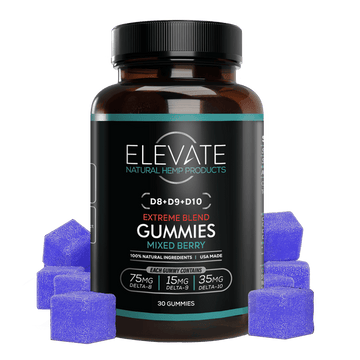
[PRODUCT:1]Broader cannabinoid research supports this direction. A comprehensive review published in the British Journal of Pharmacology examined how cannabinoids interact with the ECS to regulate nausea and emesis across multiple animal models and human clinical contexts. The review concluded that CB1 receptor activation represents a promising and mechanistically distinct pathway for antiemetic intervention, noting that cannabinoids may be especially useful for addressing delayed-phase nausea and the anticipatory nausea that often develops in patients undergoing repeated chemotherapy cycles — a type of nausea notoriously resistant to conventional 5-HT3 receptor antagonists [source]. While this body of work largely centers on delta-9 THC and synthetic cannabinoids like nabilone (Cesamet) and dronabinol (Marinol), Delta-8 THC shares enough structural and pharmacological similarity — differing from delta-9 only in the position of a single double bond on the carbon chain — to warrant serious scientific attention as a potentially better-tolerated alternative.
Additional preclinical evidence has explored how cannabinoids influence conditioned taste aversion and nausea-like behaviors in animal models, particularly in shrews and rats. These studies have demonstrated that CB1 receptor agonists consistently reduce emetic episodes and nausea-related behaviors such as conditioned gaping, reinforcing the biological plausibility of Delta-8 THC's antiemetic potential even in the absence of large-scale human trials specific to this isomer.
Important Context
the FDA has not approved Delta-8 THC as an antiemetic agent, and the existing clinical evidence, while encouraging, remains limited in scope and scale. The landmark 1995 study, though striking in its results, involved only eight patients and was not conducted as a randomized, double-blind, placebo-controlled trial — the gold standard for clinical evidence. Most supporting studies are decades old, conducted on small populations, or focused on related cannabinoids rather than Delta-8 specifically. Rigorous, large-scale human trials designed to evaluate Delta-8 THC's efficacy, optimal dosing, drug interactions, and long-term safety profile are still needed before definitive clinical recommendations can be made.
It is also important to recognize that the current Delta-8 THC market presents its own challenges. Because Delta-8 is typically synthesized from hemp-derived CBD through chemical conversion, product quality, purity, and accurate labeling vary significantly between manufacturers. Contaminants from the conversion process and inaccurate potency claims have been documented in independent testing, making it essential for consumers to seek products with verified third-party certificates of analysis from accredited laboratories.
That said, the mechanistic logic is sound: a cannabinoid that binds to CB1 receptors in the brainstem's emetic circuitry, modulates serotonin-driven nausea pathways through a complementary mechanism, and
Delta 8 vs. Delta 9 THC for Nausea
Both Delta-8 THC and Delta-9 THC interact with the body's CB1 receptors, which play a central role in regulating nausea and vomiting. But these two cannabinoid compounds differ meaningfully in potency, psychoactive intensity, and how well users tolerate them — differences that matter when you're already feeling miserable and just want relief without additional side effects.
Delta-9 THC is the most extensively studied cannabinoid for antiemetic effects. Research published in the Annals of Internal Medicine confirmed that Delta-9 THC-based medications were effective against chemotherapy-induced nausea and vomiting, establishing a strong scientific foundation for cannabis-derived nausea support. Dronabinol (synthetic Delta-9 THC, marketed as Marinol) and nabilone (a synthetic analog sold as Cesamet) both received FDA approval specifically for this indication, underscoring the strength of the evidence. Dronabinol is typically prescribed at 5 mg per square meter of body surface area, administered one to three hours before chemotherapy and repeated every two to four hours afterward, while nabilone follows a slightly different dosing schedule of 1–2 mg twice daily beginning the day before treatment. However, Delta-9 THC's robust psychoactive effects — including anxiety, paranoia, dysphoria, and sedation at higher doses — can be a significant barrier for people who need to remain functional throughout the day or who are sensitive to feeling "high." These side effects can paradoxically worsen nausea in some individuals, particularly those already experiencing anxiety-driven stomach distress. In clinical trials, reported rates of dizziness, drowsiness, and euphoria with dronabinol ranged from 3% to 10% of patients, with some discontinuing treatment specifically because of psychological discomfort rather than lack of efficacy.
This is where Delta-8 THC enters the conversation. Structurally, the two molecules are nearly identical, differing only in the placement of a single double bond — located on the eighth carbon in Delta-8 versus the ninth carbon in Delta-9. That small structural distinction translates into psychoactive effects that users consistently report as roughly 50–70% less intense than those of Delta-9 THC, with a clearer headspace and less cognitive fog. For someone dealing with waves of nausea from medical procedures, digestive conditions, or motion sickness, a milder experience can make the difference between a cannabinoid they'll actually use consistently and one they abandon after a single overwhelming session. In a frequently cited 1995 study published in Life Sciences, Dr. Raphael Mechoulam and colleagues administered Delta-8 THC to eight pediatric oncology patients (ages 3–13) undergoing chemotherapy across a total of 480 treatment cycles and reported complete prevention of vomiting with negligible psychoactive side effects. While the sample size was small, the consistency of results across hundreds of administrations highlighted Delta-8's potential as a gentler antiemetic alternative — particularly notable in a pediatric population where psychoactive burden is an even greater concern.
A review in Anesthesia & Analgesia noted that cannabinoids as a class have been studied for their antiemetic properties, though the authors emphasized that more rigorous, randomized controlled trials are needed to clarify dosing protocols, duration of effect, and comparative efficacy between specific compounds. The mechanism behind cannabinoid-mediated nausea relief involves activation of CB1 receptors in the dorsal vagal complex of the brainstem — the region most directly responsible for the vomiting reflex. Specifically, CB1 receptor activation in this area inhibits the release of serotonin and substance P, two neurotransmitters that trigger the emetic cascade. Both Delta-8 and Delta-9 THC bind to these receptors, though Delta-8 does so with somewhat lower binding affinity (estimated at roughly two-thirds that of Delta-9 based on receptor assay data), which likely explains its reduced psychoactivity alongside its retained antiemetic potential. CBD — another widely available cannabinoid — is also associated with nausea support, though it operates through different receptor pathways, primarily 5-HT1A serotonin receptors rather than CB1, and does not produce any psychoactive effects. Some users combine CBD with Delta-8 THC to take advantage of the so-called entourage effect, where multiple cannabinoids and terpenes may work synergistically to enhance therapeutic outcomes, though clinical data on that specific combination for nausea remains limited. Anecdotally, a ratio of roughly 2:1 or 3:1 CBD to Delta-8 THC is commonly reported among users seeking nausea relief with minimal intoxication, but no standardized dosing guidelines currently exist for this pairing.
The practical takeaway? Delta-9 THC has the stronger research base and two FDA-approved formulations behind it, but Delta-8 THC may support nausea relief with a more tolerable side-effect profile — particularly for individuals who experience anxiety, paranoia, or cognitive impairment with full-strength THC. Neither is universally "better." The right choice depends on your sensitivity to psychoactive effects, the severity and frequency of your symptoms, the underlying cause of your nausea (chemotherapy-induced nausea may respond differently than motion sickness or gastroparesis-related nausea), your state's legal framework (Delta-8 legality varies significantly by jurisdiction, with some states banning it outright despite federal hemp-derived legality under the 2018 Farm Bill), and guidance from a healthcare provider who understands your full medical picture. If you're exploring options, you can browse Delta-8 for nausea products sourced from reputable brands that provide third-party lab testing to verify cannabinoid potency, confirm the absence of contaminants like heavy metals, residual solvents, and pesticides, and validate that Delta-9 THC content remains below the federally compliant 0.3% threshold.
How to Use Delta 8 for Nausea
Choosing the right consumption method can make a meaningful difference in how effectively Delta-8 THC supports your comfort when nausea strikes. Each format offers distinct advantages in terms of onset time, duration, and ease of use — and understanding these differences helps you find an approach that works with your body rather than against it. Vaporization is often the fastest route to nausea relief. When inhaled, delta 8 enters the bloodstream through the lungs and users report feeling effects within minutes — typically between two and ten. This rapid onset makes vaping a practical choice when nausea comes on suddenly and you need quick support. However, the effects tend to taper off within one to three hours, which means you may need to redose for sustained comfort. For individuals whose nausea is accompanied by throat sensitivity or respiratory concerns, inhalation may not be the most comfortable option. Tinctures offer a middle ground. Placed under the tongue and held for 30 to 60 seconds before swallowing, sublingual tinctures generally take effect within 15 to 45 minutes. They also allow for precise dosing since most come with graduated droppers, giving you granular control over how much Delta-8 THC you consume. Effects typically last two to four hours, making tinctures a solid choice for predictable, moderate-duration support. THC gummies have become one of the most popular formats for people exploring delta 8 for nausea, largely because they're discreet, portable, and require no preparation. Edibles do take longer to kick in — usually 45 minutes to two hours — because they must pass through the digestive system before reaching the bloodstream. The tradeoff is a longer duration of effects, often lasting four to six hours or more. This extended window can be especially helpful for individuals dealing with persistent or recurring waves of nausea throughout the day. One practical consideration: if your stomach is already unsettled, swallowing a gummy may feel challenging, so timing matters. Regardless of which method you choose, the most important principle is to start low and go slow. Begin with the smallest suggested serving — often 5 to 10 milligrams for edibles or a single short inhalation for vapes — and wait the full onset period before considering more. Everyone's endocannabinoid system responds differently, and taking too much too quickly can introduce unwanted side effects such as dizziness, dry mouth, or drowsiness that may compound your discomfort rather than ease it. Beyond its association with nausea relief, many users report that delta 8 also supports appetite stimulation — a secondary benefit that can be particularly meaningful when nausea has made eating feel impossible. Maintaining adequate nutrition is essential during periods of digestive distress, and even a modest improvement in appetite can make a significant practical difference in daily well-being. As with any cannabinoid, consulting a healthcare provider before incorporating Delta-8 THC into your routine is strongly recommended, especially if you're taking other medications or managing an underlying condition. Your provider can help you weigh potential interactions and tailor an approach that aligns with your specific health needs.Can Delta 8 Make You Nauseous? Potential Side Effects
Here's the paradox that surprises many newcomers: the same compound people reach for to ease an unsettled stomach can, under certain circumstances, actually trigger nausea itself. While Delta-8 THC has been studied for its antiemetic potential — most notably in a 1995 study published in Life Sciences demonstrating its effectiveness in pediatric chemotherapy patients — overconsumption or individual sensitivity can flip that benefit on its head, leaving users feeling worse rather than better. Understanding why this happens requires a closer look at how cannabinoids interact with the body's regulatory systems and what factors tip the balance from therapeutic relief to unwanted side effects.
The most commonly reported side effects of Delta-8 THC mirror those associated with other cannabis-derived cannabinoids, though they tend to be milder in intensity compared to Delta-9 THC. Users report experiencing dry mouth (cottonmouth), drowsiness, lightheadedness, red eyes, temporary changes in heart rate, and — yes — nausea and vomiting, particularly when consuming too much too quickly. These reactions are more likely in people who are new to psychoactive cannabinoids, who have a naturally low tolerance, or who are taking other medications that interact with the endocannabinoid system. Because Delta-8 THC binds to the same CB1 receptors in the brainstem's dorsal vagal complex and throughout the gastrointestinal tract that regulate gut motility and the vomiting reflex, overstimulating these pathways with excessive doses can paradoxically produce the very symptoms you're trying to avoid. At low doses, CB1 activation suppresses nausea signals by inhibiting serotonin release in the area postrema — the brain's chemoreceptor trigger zone responsible for initiating the vomiting reflex. At high doses, the system can become overwhelmed, disrupting normal digestive signaling and triggering a rebound effect sometimes referred to as a biphasic response, where a compound produces opposite effects at different dose thresholds.
Overconsumption is the single biggest risk factor for Delta-8-induced nausea, and the mechanism by which it occurs varies significantly depending on how you consume the product. Edibles are especially tricky because their delayed onset — sometimes 60 to 90 minutes, and occasionally up to two hours depending on metabolism, stomach contents, and individual liver enzyme activity — tempts impatient users into taking a second dose before the first has fully kicked in. This stacking effect can lead to an uncomfortably intense experience that includes nausea, anxiety, dizziness, and prolonged sedation lasting several hours longer than expected. When Delta-8 is ingested orally, the liver converts it into 11-hydroxy-Delta-8-THC, a metabolite that crosses the blood-brain barrier more efficiently and can produce stronger psychoactive effects than the parent compound — meaning edibles can hit harder than anticipated even at seemingly modest doses. Vaping and tinctures taken sublingually offer faster onset times (typically 5 to 15 minutes for vaping, 15 to 30 minutes for sublingual absorption), making it easier to gauge your response in real time and adjust accordingly. Sublingual administration bypasses first-pass liver metabolism, delivering the cannabinoid more directly into the bloodstream through the mucous membranes under the tongue, which generally produces a more predictable and moderate experience. Regardless of the delivery method, the smartest approach is to start with the lowest possible dose, wait a full cycle — at least two hours for edibles, 30 to 45 minutes for inhaled or sublingual products — before adjusting, and increase gradually over multiple sessions rather than chasing a stronger effect in a single sitting.
Product quality plays an equally critical role in determining whether Delta-8 THC helps or harms your stomach. The FDA has issued multiple warnings about poorly manufactured Delta-8 THC products that may contain harmful byproducts from unregulated chemical conversion processes. Because Delta-8 occurs naturally in cannabis only in trace amounts (typically less than 0.1% of the plant's cannabinoid profile), commercially available Delta-8 is almost always synthesized from CBD through acid-catalyzed isomerization — a chemical process that uses acids and heat to rearrange CBD's molecular structure into Delta-8 THC. When performed by reputable manufacturers with proper equipment and quality control protocols, this process yields a clean product. However, shortcuts in manufacturing can leave behind contaminants like residual solvents (such as dichloromethane, toluene, or sulfuric acid remnants), heavy metals leached from substandard equipment, unknown reaction byproducts including Delta-10 THC or other uncharacterized isomers, or unlisted synthetic compounds. These contaminants can cause gastrointestinal distress — including nausea, cramping, and diarrhea — entirely unrelated to the Delta-8 cannabinoid itself. This is why third-party lab testing isn't optional — it's essential. Always verify that a product's certificate of analysis (COA) from an ISO 17025-accredited laboratory confirms accurate cannabinoid potency, isomer purity (confirming the product contains predominantly Delta-8 rather than a mixture of unknown isomers), and the absence of pesticides, heavy metals (particularly lead, arsenic, cadmium, and mercury), microbial contaminants (such as E. coli, salmonella, and mold), and residual solvents before purchasing. The COA should match the specific batch number printed on the product's packaging. If a brand doesn't make COAs easily accessible on their website, or if the COA is outdated, lacks a batch number, or comes from an unaccredited lab, treat that as a serious red flag and look elsewhere.
Individual physiology also matters more than most people realize, and it explains why two people can take the same dose of the same product and have vastly different experiences. Factors like body weight, body fat percentage (since cannabinoids are lipophilic and accumulate in fat tissue), liver enzyme activity — particularly the CYP3A4 and CYP2C9 enzymes responsible for metabolizing most cannabinoids — recent food intake, hydration levels, and concurrent use of alcohol or medications can all influence how your body processes Delta-8 THC and whether side effects emerge. For example, consuming Delta-8 on an empty stomach can accelerate absorption and intensify effects, while dehydration may worsen dry mouth and lightheadedness, compounding the feeling of nausea. People taking medications metabolized by the same liver enzymes — including certain antidepressants (SSRIs like fluoxetine), blood thinners (warfarin), anti-seizure medications, and benzodiazepines — may experience altered Delta-8 metabolism that leads to unexpectedly prolonged or intensified effects. Additionally, some individuals may have a genetic predisposition to cannabinoid sensitivity due to variations in their CB1 receptor density or endocannabinoid system function, meaning even low doses could produce disproportionate reactions. It is also worth noting that chronic, heavy use of any THC compound can, in rare cases, contribute to cannabinoid hyperemesis syndrome (CHS) — a condition characterized by cyclical episodes of severe nausea, vomiting, and abdominal pain that is paradoxically relieved by hot showers or baths. While CHS has been primarily documented in heavy Delta-9 THC users, the shared receptor mechanisms mean it cannot be ruled out with prolonged high-dose Delta-8 use.
To minimize the risk of adverse reactions, choose reputable brands with transparent sourcing, verified batch-specific lab results from accredited laboratories, and positive user reviews from established communities. Begin with microdoses between 2.5 and 5 milligrams — some particularly sensitive individuals may even want to start at 1 to 2 milligrams — and consume with a light meal or snack containing some healthy fats (such as a handful of nuts or a piece of avocado toast), since fats can improve cannabinoid absorption and promote a smoother, more gradual onset. Stay well hydrated before, during, and after consumption, and pay close attention to how your body responds over the following two to three hours. Keep a simple log of dose, timing, product type, batch number, food consumed, and effects to identify your personal threshold and track patterns across sessions. If you do experience mild nausea, try sipping ginger tea, lying down in a comfortable position, breathing slowly and deeply, or stepping outside for fresh air — these simple interventions can
Frequently Asked Questions About Delta 8 and Nausea
Does Delta-8 THC help with nausea? Delta 8 THC has been studied for its antiemetic properties, meaning it may support the body's ability to manage nausea and vomiting. Research published in Life Sciences found that Delta-8 THC showed significant promise in addressing chemotherapy-induced nausea in pediatric patients, with negligible side effects compared to Delta-9 THC.[1] These effects are believed to occur through Delta-8 THC's interaction with CB1 receptors within the endocannabinoid system, which plays a key role in regulating nausea signals. Does delta 8 THC increase appetite? Yes, many users report that delta 8 is associated with increased appetite stimulation. Because nausea often suppresses the desire to eat, this dual action — easing nausea while encouraging appetite — makes Delta-8 THC particularly interesting for individuals struggling to maintain adequate nutrition during illness or medical protocols. How does Delta-8 THC compare to CBD for nausea? CBD and Delta-8 THC interact with the endocannabinoid system differently. While CBD works indirectly on cannabinoid receptors and is non-intoxicating, Delta-8 THC binds more directly to CB1 receptors, which are closely tied to nausea regulation. Some people find delta 8 more effective for acute episodes, while others prefer CBD for daily wellness support. Neither has received formal FDA approval as an antiemetic therapy, so consulting a healthcare provider before using either is strongly recommended. Is Delta-8 THC safer than Delta-9 THC for nausea relief? Delta-8 THC is generally considered less psychoactive than Delta-9 THC, which means users may experience fewer side effects like anxiety or disorientation. However, "safer" depends on individual factors including dosage, product quality, and personal sensitivity. The FDA has not evaluated delta 8 products for safety or efficacy, so sourcing from reputable, third-party tested brands is essential. Can Delta-8 THC make nausea worse? At excessively high doses, any cannabinoid — including delta 8 — may paradoxically worsen nausea or cause dizziness. Starting with a low dose and increasing gradually helps minimize this risk. If you'd like to explore your options, you can delta 8 for nausea products that provide clear dosing guidance. [1] Abrahamov, A., Abrahamov, A., & Mechoulam, R. (1995). Life Sciences, 56(23-24), 2097-2102. (PMC: 3165951 — related review)Final Thoughts: Is Delta 8 THC Worth Exploring for Nausea Relief?
Delta-8 THC shows early promise as a milder cannabinoid option for those seeking nausea relief, particularly for individuals who find Delta-9 THC too psychoactively intense. Its interaction with CB1 receptors in the endocannabinoid system suggests a plausible mechanism for its antiemetic effects, and many users report meaningful improvements in their symptoms—ranging from reduced queasiness during travel to better appetite retention during chemotherapy-adjacent periods. That said, much of the current evidence is anecdotal or derived from small-scale preclinical studies. More rigorous clinical trials involving larger sample sizes, placebo controls, standardized dosing protocols, and diverse patient populations are needed before definitive conclusions can be drawn about Delta-8 THC's efficacy relative to established antiemetic medications like ondansetron or metoclopramide.
For those considering Delta-8 THC as part of a nausea management strategy, starting with a low dose—typically 5 to 10 milligrams—and gradually increasing over several days allows you to gauge your individual response without overwhelming side effects. This "start low and go slow" approach is especially important because individual metabolism, body weight, prior cannabinoid tolerance, and even genetics influencing CYP3A4 enzyme activity can all affect how you process Delta-8 THC. Tinctures and soft gels tend to offer more precise dosing than edibles or vapes, which can vary in onset time and bioavailability. Tinctures administered sublingually, for example, typically take effect within 15 to 45 minutes, while edibles may require 60 to 90 minutes or longer depending on stomach contents. Keeping a symptom journal that tracks dosage, timing, product type, food intake, and nausea severity on a consistent scale can help you and your healthcare provider identify what works best for your specific situation and make informed adjustments over time.
It's also worth noting that the FDA has not approved Delta-8 THC for any medical use, and product quality varies widely across the largely unregulated market. Third-party lab testing, transparent certificates of analysis that verify both potency and the absence of harmful substances, and reputable sourcing are essential factors to evaluate before purchasing any product. Contaminants such as heavy metals, residual solvents, pesticides, inaccurate potency labels, and synthetic conversion byproducts—particularly those introduced during the chemical isomerization of CBD to Delta-8 THC—have all been documented in lower-quality products, making due diligence a non-negotiable step. Additionally, Delta-8 THC's legal status varies by state, so verify your local regulations before purchasing. Before exploring delta 8 for nausea, consult your healthcare provider—especially if you're on other medications such as blood thinners, anti-seizure drugs, or immunosuppressants, managing a chronic condition such as gastroparesis or cyclic vomiting syndrome, or undergoing cancer treatment where drug interactions could pose additional risks.
This content is for informational purposes only and is not intended as medical advice. These statements have not been evaluated by the FDA. Delta-8 THC products are not intended to diagnose, treat, cure, or prevent any disease. Always consult a qualified healthcare professional before beginning any new supplement regimen.
Join Our Newsletter
Sign up to be the first to know about our can't-miss product drops, special VIP offers & exclusive discounts.