DELTA 10 GUMMIES
Delta 10 gummies are hemp-derived edibles infused with delta-10 THC, an isomer of delta 9 that produces milder, more uplifting effects often described as energizing. Every Elevate batch is third-party lab tested and Farm Bill compliant.

Delta 10 gummies are hemp-derived edibles infused with delta-10 THC, an isomer of delta 9 that produces milder, more uplifting effects often described as energizing. Every Elevate batch is third-party lab tested and Farm Bill compliant.

Adult use only 21+
Filters
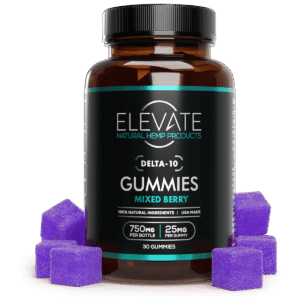
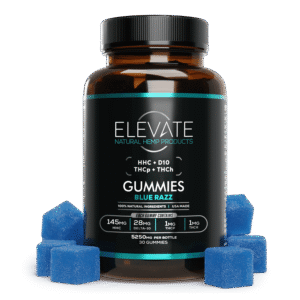
Compare Products
Uplifting Delta 10 edibles ranging from single-cannabinoid strawberry chews to multi-compound power blends for every tolerance level.
| Product | Potency | Type | Best For |
|---|---|---|---|
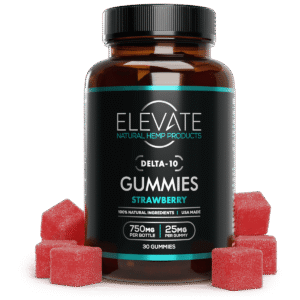
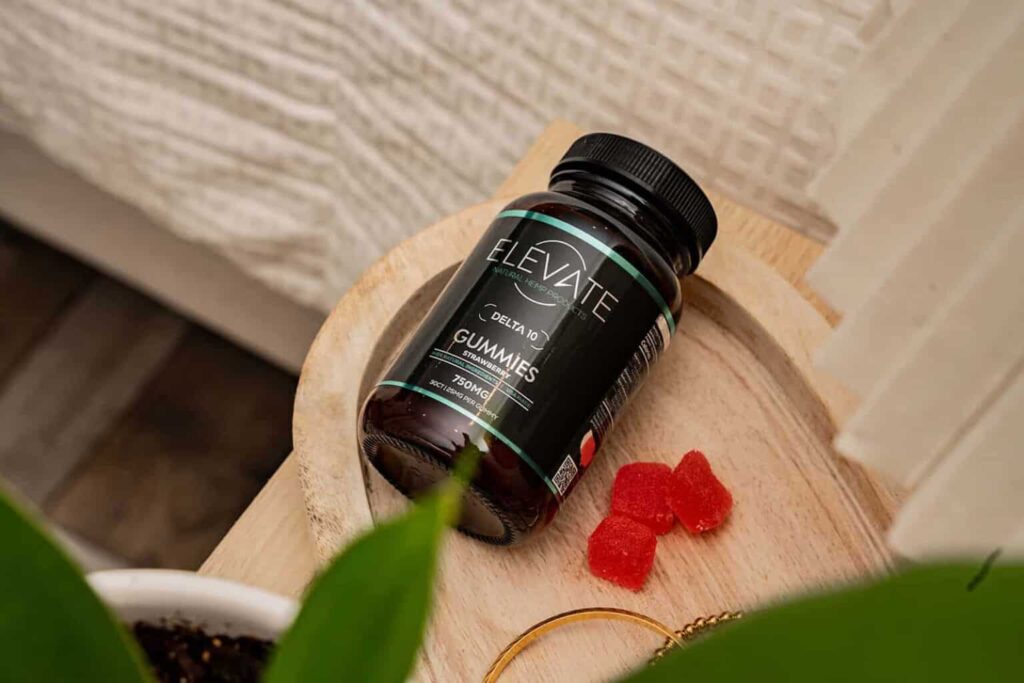
Delta 10 THC Gummies - Strawberry | Sativa-forward Delta 10 hemp | Sativa Delta 10 Gummy | Daytime uplift & creative focus |
Delta 10 THC Gummies | Balanced Delta 10 hemp | Hybrid Delta 10 Gummy | Everyday balanced enjoyment |
HHC + D10 + THCp + THCh Gummies | Four-cannabinoid blend | Hybrid Multi-Cannabinoid Gummy | Experienced users seeking layered effects |
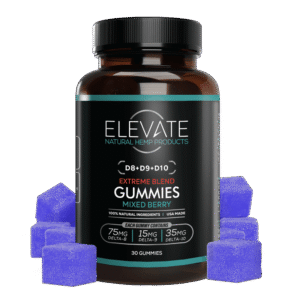
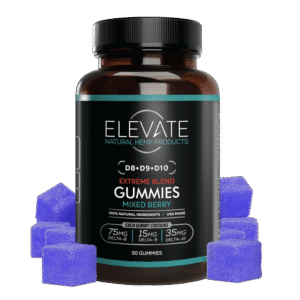
D8 + D9 + D10 Extreme Blend Gummies | Triple-delta extreme blend | Hybrid Delta Blend Gummy | Seasoned users chasing maximum intensity |
Delta 10 Gummies vs. Delta 8 Gummies: Key Differences
If you've spent any time shopping for hemp-derived cannabinoid edibles, you've almost certainly encountered both delta 10 and delta 8 gummies sitting side by side on digital shelves. While they share a similar origin — both are cannabinoids derived from hemp and exist as isomers of the more widely known delta 9 THC — the practical differences between them matter significantly when you're deciding which product aligns with your preferences and lifestyle.
The most meaningful distinction lies in the delta 10 effects compared to what users typically experience with delta 8. Consumers who have tried both cannabinoids consistently report that delta 10 produces a more uplifting, cerebral, and energizing experience. It's often described as a "daytime" cannabinoid — users report feeling clear-headed focus and mild euphoria without the heavy sedation that can accompany other THC variants. Delta 8, by contrast, is associated with a more relaxing, body-centered experience that many consumers prefer for evening use or winding down. Neither profile is inherently better; they simply serve different purposes depending on what you're looking for.
When it comes to potency, delta 8 gummies are generally considered to deliver a stronger psychoactive experience milligram for milligram. Delta 10 is widely regarded as milder in its intoxicating effects, which can actually be an advantage for newer users or anyone who wants a lighter, more functional experience throughout the day. That said, potency varies enormously across brands and formulations, so comparing lab-tested milligram counts is always more reliable than relying on cannabinoid type alone.
Another important consideration is whether you're purchasing an isolate-based product or a full spectrum formulation. Full spectrum delta 10 gummies contain a broader range of cannabinoids, terpenes, and other naturally occurring hemp compounds that may work synergistically — a phenomenon often referred to as the entourage effect. Full spectrum delta 8 gummies offer the same advantage. In both cases, opting for a full spectrum product can deliver a more nuanced and well-rounded experience compared to an isolate-only gummy, regardless of which cannabinoid leads the formulation.
From a market availability standpoint, delta 10 products are somewhat less common than their delta 8 counterparts. Delta 8 has been on the market longer, which means it benefits from a more established supply chain and a wider range of product options. Delta 10 is catching up quickly, but the smaller product pool makes it even more critical to verify third-party lab results and brand transparency before you buy. A limited market unfortunately also means a higher proportion of untested or poorly manufactured options circulating alongside legitimate products.
Finally, while both cannabinoids occupy a similar legal gray area under the 2018 Farm Bill — legal at the federal level when derived from hemp containing less than 0.3% delta 9 THC — state-level regulations can differ between them. Some states have moved to restrict delta 8 specifically while not yet addressing delta 10, and vice versa. Checking your state's current stance on both compounds before purchasing is a non-negotiable step.
Understanding these differences empowers you to choose the right cannabinoid for your needs rather than defaulting to whichever product appears first in a search result. If you want to explore your options with confidence, you can buy delta 10 gummies from brands that prioritize transparency, lab testing, and clear cannabinoid labeling — the same standards you should apply to any hemp-derived product.
What to Look for When Buying Delta 10 Gummies
With dozens of brands now competing for your attention, knowing how to separate high-quality delta 10 products from subpar options is the single most important skill you can develop before spending a dollar. The hemp-derived cannabinoid market remains loosely regulated at the federal level, which means the burden of quality verification falls almost entirely on you as the consumer. The good news is that a handful of concrete, non-negotiable indicators can tell you nearly everything you need to know about whether a product deserves your trust — and your money.
Demand Third-Party Lab Testing — No Exceptions
The most critical quality signal for any delta 10 edibles purchase is whether the product has been third party lab tested by an independent, accredited laboratory. This is not a nice-to-have feature; it is the baseline standard for legitimacy. Third-party testing verifies that the gummies actually contain what the label claims, that they are free from harmful contaminants like heavy metals, pesticides, and residual solvents, and that the delta 9 THC content falls within the federally compliant threshold of 0.3% or less on a dry weight basis.
Any reputable brand will make its certificate of analysis (COA) readily accessible — typically through a QR code on the packaging or a dedicated lab results page on its website. When reviewing a COA, look for the name of the testing laboratory, the date of the test, the specific batch number that matches the product in your hand, and a full cannabinoid profile breakdown. If a brand makes it difficult to find or access its COA, that alone is reason enough to move on to a different option.
Understand Potency and Milligram Dosing
Not all hemp gummies are created equal when it comes to strength, and understanding potency labeling is essential for both safety and getting the experience you expect. Pay attention to two numbers: the total milligram count per package and the milligram count per individual gummy. A package labeled as containing 500 mg of delta 10 THC across 20 gummies delivers 25 mg per piece — a meaningful dose that experienced users may enjoy but that could feel overwhelming for someone new to cannabinoids.
For first-time buyers, starting with gummies in the 10 to 15 mg per piece range provides a more manageable entry point. You can always take more during your next session, but you cannot undo a dose that was too strong. Trustworthy brands clearly display per-serving potency on both the packaging and in their online product descriptions, making it straightforward to calculate exactly what you are consuming.
Evaluate Ingredient Transparency and Hemp Sourcing
Beyond the cannabinoid content itself, examine the full ingredient list. High-quality delta 10 gummies use natural flavors and colors whenever possible, clearly identify every ingredient, and disclose the source of their hemp extract. Brands sourcing from U.S.-grown hemp that is cultivated under state agricultural programs tend to offer more consistent and traceable raw material than those relying on anonymous overseas supply chains.
Additionally, look for whether the brand uses broad-spectrum or full-spectrum extract, as this affects whether trace amounts of other cannabinoids and terpenes are present. Some users report that formulations retaining a broader range of hemp compounds offer a more well-rounded experience, a phenomenon often referred to as the entourage effect.
Check Brand Reputation and Customer Reviews
Finally, spend a few minutes researching the brand itself. Established companies will have a visible track record, responsive customer service, a clear return or satisfaction policy, and genuine customer reviews across multiple platforms. Be skeptical of brands with no verifiable history, exclusively five-star reviews, or marketing copy that makes irresponsible health claims instead of letting product quality speak for itself.
If you are ready to buy delta 10 gummies from a source that meets every standard outlined above, prioritize brands that lead with transparency rather than hype. When a company makes its testing, sourcing, and dosing information easy to find, it is signaling that it has nothing to hide — and that is exactly the kind of confidence you want behind any product you put into your body.

WHAT ARE DELTA 10 GUMMIES?
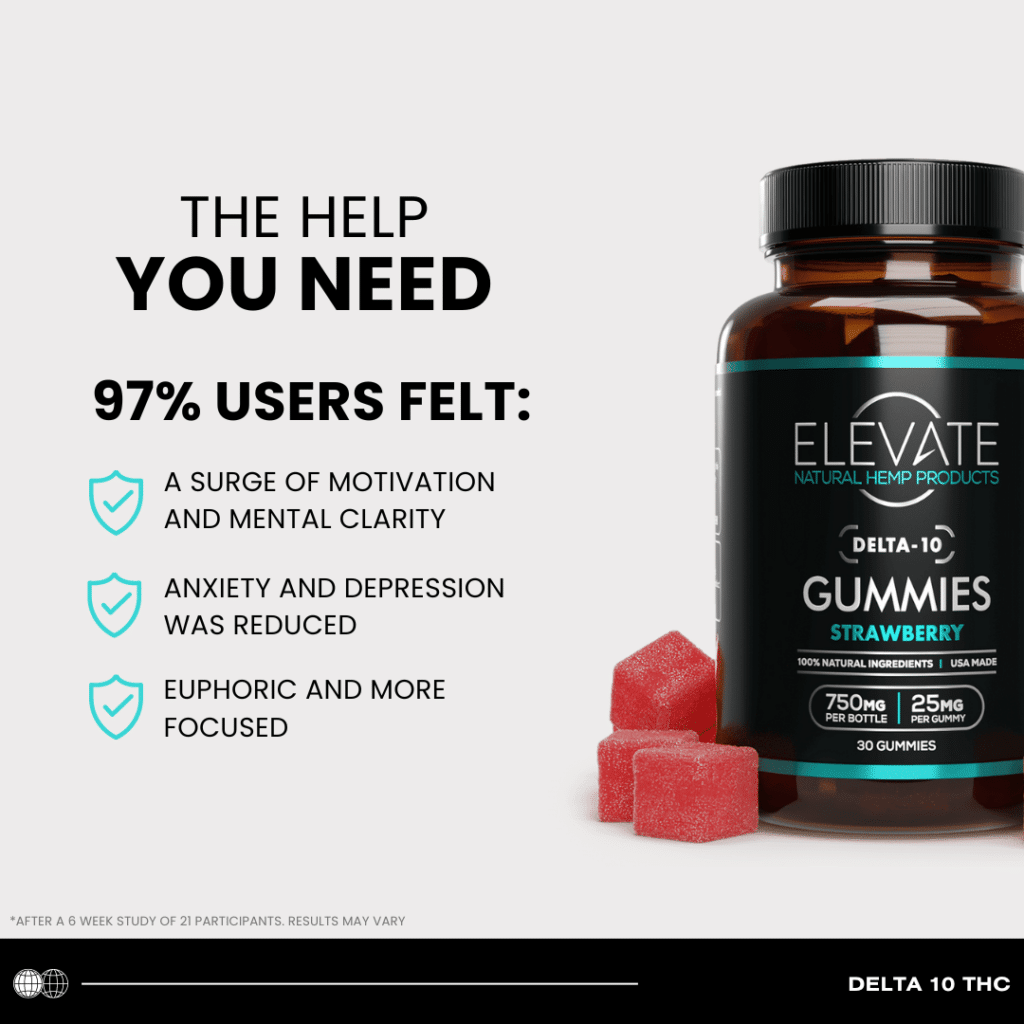
FAQ
What are delta 10 gummies?
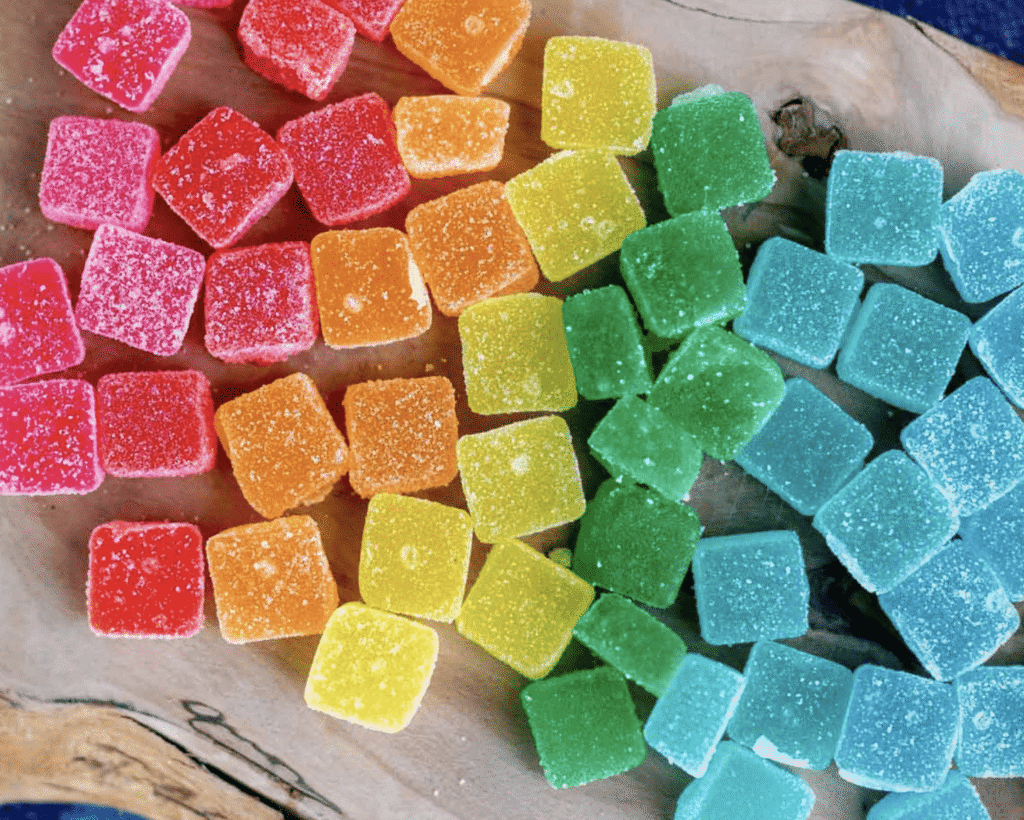
Delta 10 gummies are edible, fruit-flavored chewables infused with a measured dose of delta 10 THC — a hemp-derived cannabinoid that is an isomer of delta 9 THC. They offer a convenient, discreet way to consume delta 10 without vaporization or tinctures.
How do delta 10 gummies work in the body?
Delta 10 THC interacts with the Endocannabinoid System (ECS), primarily binding to CB1 receptors in the central nervous system with lower affinity than delta 9 THC. When consumed as gummies, the cannabinoid passes through the digestive system and is metabolized by the liver, resulting in a slower onset of 45 minutes to two hours but longer-lasting effects of several hours.
Is it legal to buy delta 10 gummies online?
At the federal level, yes. The 2018 Farm Bill removed hemp and its derivatives from the Controlled Substances Act, provided the final product contains no more than 0.3% delta 9 THC by dry weight. Hemp-derived delta 10 gummies that meet this threshold are not classified as controlled substances under federal law. However, state laws vary, so buyers should verify their local regulations before purchasing.
How is delta 10 THC made?
Delta 10 THC exists only in trace amounts in raw hemp, so commercial delta 10 is typically produced through isomerization — a controlled laboratory process that converts more abundant cannabinoids like CBD into delta 10. Product quality depends heavily on the manufacturer's extraction standards, purification methods, and third-party testing.
What does delta 10 THC feel like compared to delta 9?
Users generally report that delta 10 THC produces a milder, more functional experience than delta 9 THC. It is often described as uplifting and mentally clarifying rather than heavily sedating, likely because delta 10 binds to CB1 receptors with lower affinity than delta 9.
How long do delta 10 gummies take to kick in?
Delta 10 gummies typically take 45 minutes to two hours to take effect because the cannabinoid must pass through the digestive system and be metabolized by the liver before entering the bloodstream. Effects can last several hours. It is important to avoid redosing too early.