





Home | Delta 8 Oil

Delta 8 Oil

Delta 8 oil is a concentrated liquid product containing delta 8 tetrahydrocannabinol, a minor cannabinoid found naturally in trace amounts in the *Can

Home | Delta 8 Oil

Delta 8 oil is a concentrated liquid product containing delta 8 tetrahydrocannabinol, a minor cannabinoid found naturally in trace amounts in the *Can

Filters

$
to
$
1 product
Sale priceFrom $31.45 Regular price$37.74
🧘
Body Focused Relief
↩️
30 Day Hassle Free Returns
🩺
Medical Advisory Board
🔬
Verified Potency
USA Made
USA Made

Compare Products

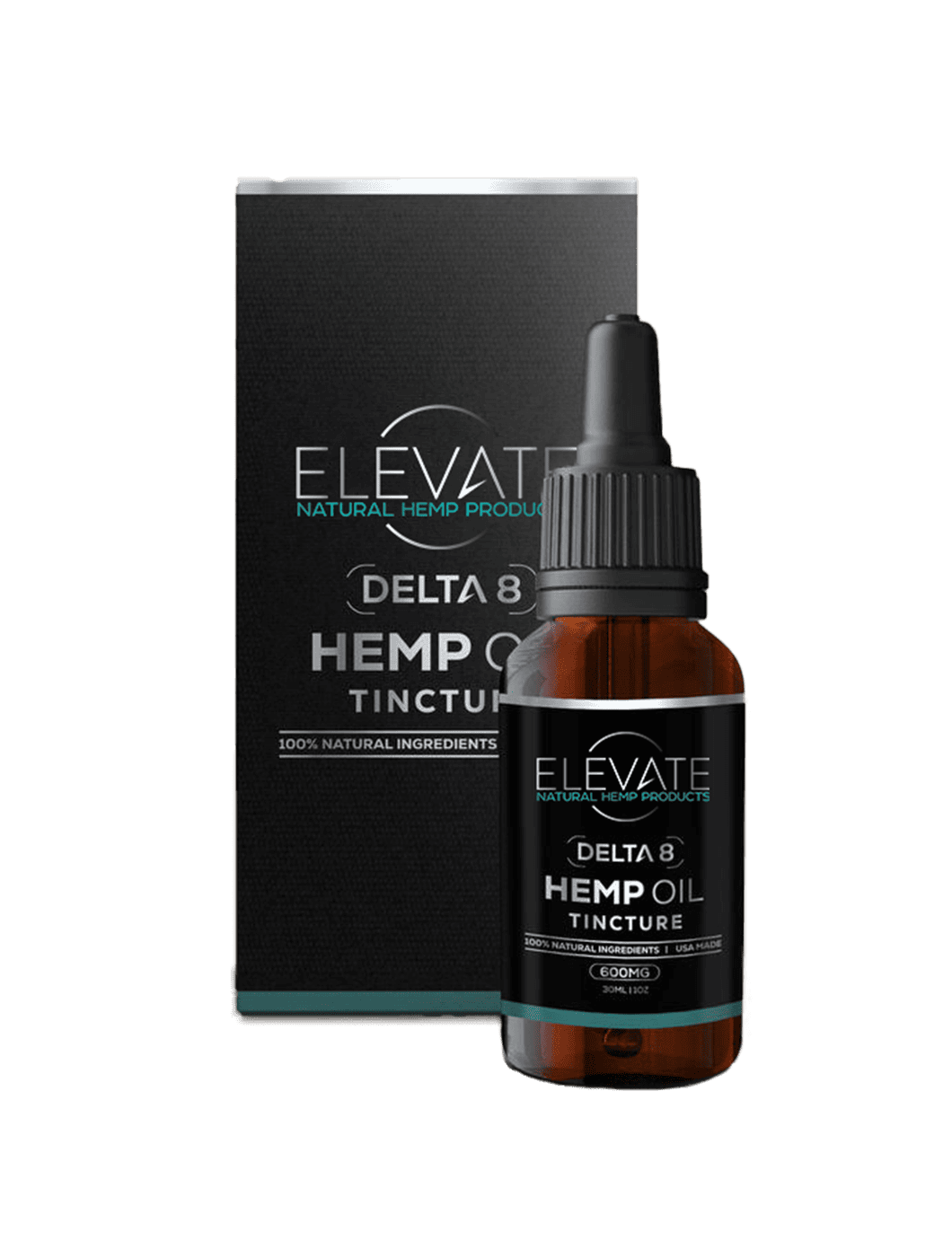
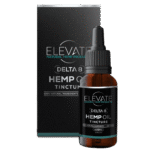
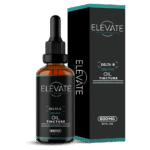
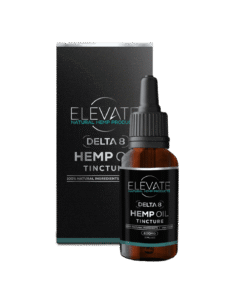
Versatile Delta 8 tinctures offering precise, customizable dosing for sublingual hemp routines.

ProductPotency Type Best For
Delta 8 Oil
Delta 8 THC tincture Hybrid Delta 8 Oil Tincture Everyday flexible dosing
Delta-8 THC Oil Tincture - Duplicate - [#1436]
Delta 8 THC tincture Delta 8 Oil Tincture Bulk supply for regular users

Delta 8 Oil vs. CBD Oil: Key Differences

One of the most common points of confusion for consumers exploring hemp-derived products is understanding how delta 8 oil and CBD oil actually differ. While both are derived from the same plant and belong to the same family of compounds, they interact with your body in fundamentally different ways — and those differences matter when choosing the right product for your needs.

The most significant distinction comes down to psychoactive effects. Delta 8 THC is a psychoactive cannabinoid, meaning it binds directly to CB1 receptors in the brain and nervous system, producing a mild euphoric sensation that users often describe as clear-headed and relaxing. CBD oil, on the other hand, does not produce any intoxicating effects. It interacts with the endocannabinoid system more indirectly, influencing receptor activity without binding strongly to CB1 receptors. For someone who wants the calming properties associated with cannabinoids but without any perceptible "high," CBD oil is typically the preferred choice.

Potency is another area where these two products diverge. Delta 8 THC is roughly half to two-thirds as potent as delta 9 THC in terms of its psychoactive impact, which places it in a middle ground that many users report finding approachable. CBD carries no psychoactive potency whatsoever, so comparing the two on that axis requires understanding what you're actually looking for — mental relaxation with mild euphoria, or body-focused support without any altered state.

Product formulation also varies. Many CBD oils are available in full spectrum formats, meaning they contain a range of cannabinoids including trace amounts of delta 9 THC (under 0.3%), terpenes, and flavonoids that work synergistically. Delta 8 oils, by contrast, are typically made with isolated or distilled delta 8 THC and may not carry the same breadth of companion compounds unless the manufacturer specifically formulates for it.

From a legal and drug testing perspective, delta 8 THC is more likely to trigger a positive result on standard screenings because those tests typically detect THC metabolites without distinguishing between delta 8 and delta 9. CBD oil — particularly broad spectrum varieties — carries a much lower risk in that regard.

Ultimately, choosing between these two products depends on your goals, your comfort level with psychoactive cannabinoids, and your personal circumstances. If you'd like to explore your options further, browse our collection of delta 8 oil to find products that match your needs.

FAQ

What is delta 8 oil? +

Delta 8 oil is a concentrated liquid product containing delta 8 tetrahydrocannabinol (delta 8 THC), a naturally occurring cannabinoid found in the Cannabis sativa plant. Most commercial delta 8 oil is manufactured by converting CBD extracted from industrial hemp into delta 8 THC through a controlled chemical process called isomerization. The resulting distillate is typically blended with a carrier oil such as MCT or hemp seed oil for easier dosing and absorption.

How does delta 8 oil differ from delta 9 THC? +

Delta 8 THC and delta 9 THC share the same chemical formula, but the placement of a double bond on the carbon chain differs — sitting at the eighth position in delta 8 and the ninth in delta 9. This structural distinction means delta 8 binds to CB1 receptors with less affinity, resulting in a milder, clearer-headed psychoactive experience compared to traditional delta 9 THC products.

Is delta 8 oil psychoactive? +

Yes, delta 8 oil is psychoactive, but it produces a noticeably milder effect than delta 9 THC. Users commonly report a clearer-headed experience. It occupies a middle ground between non-intoxicating CBD and the more intense effects of conventional THC products.

How does delta 8 oil work in the body? +

Delta 8 oil works by interacting with the body's endocannabinoid system (ECS). Delta 8 THC binds primarily to CB1 receptors in the brain and central nervous system, mimicking the body's natural endocannabinoids like anandamide and 2-AG. This binding influences signals related to mood, appetite, sleep, memory, and stress response.

Is delta 8 oil the same as CBD oil? +

No. While both are cannabinoids derived from the hemp plant, they produce very different effects. CBD is non-intoxicating and interacts with the endocannabinoid system through indirect pathways, while delta 8 THC is mildly psychoactive and binds directly to CB1 receptors. Many consumers choose delta 8 because they want something more noticeable than CBD but less overwhelming than delta 9 THC.

How is delta 8 oil made? +

Delta 8 oil is typically made by extracting CBD from industrial hemp and converting it into delta 8 THC through a controlled chemical process called isomerization, using acids and heat under laboratory conditions. Quality manufacturers then purify the resulting distillate to remove residual solvents, unwanted byproducts, and heavy metals before blending it with a carrier oil for the final product.