cbd-gummies-for-anxiety
CBD gummies are chewable edibles infused with a measured dose of cannabidiol, a non-psychoactive cannabinoid that interacts with the body's endocannabinoid system, which helps regulate stress response and mood. Elevate's 25mg gummies are made from U.S.-grown hemp and full-panel tested at ACS Laboratory.

CBD gummies are chewable edibles infused with a measured dose of cannabidiol, a non-psychoactive cannabinoid that interacts with the body's endocannabinoid system, which helps regulate stress response and mood. Elevate's 25mg gummies are made from U.S.-grown hemp and full-panel tested at ACS Laboratory.
Adult use only 21+
Easter Sale
Any one-time purchase
When you subscribe*
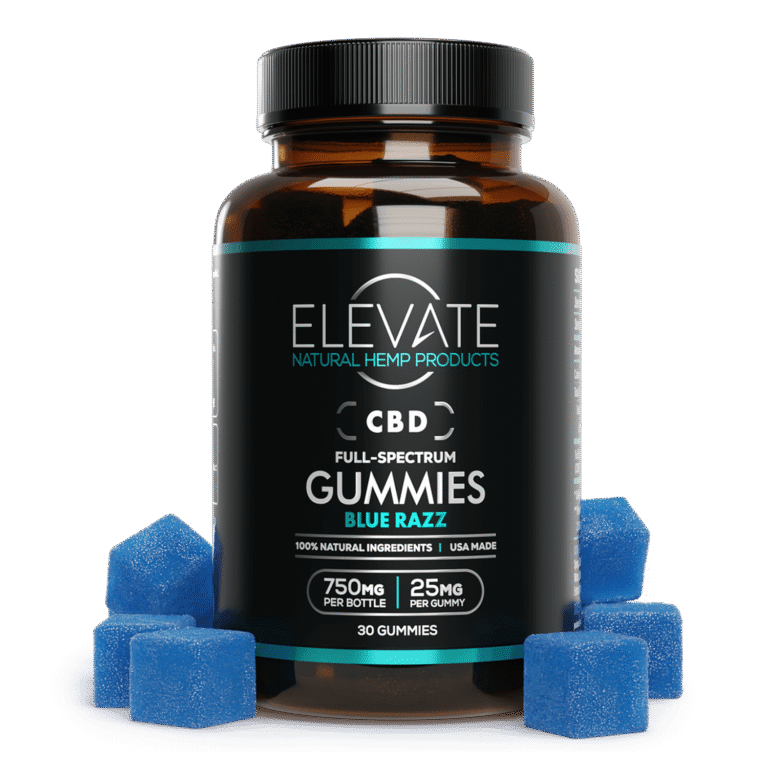
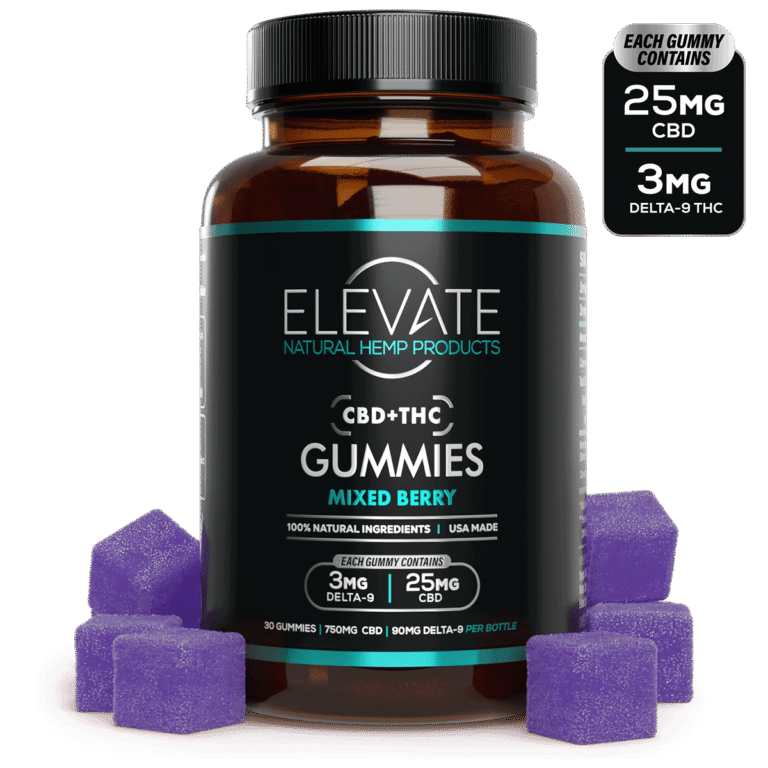
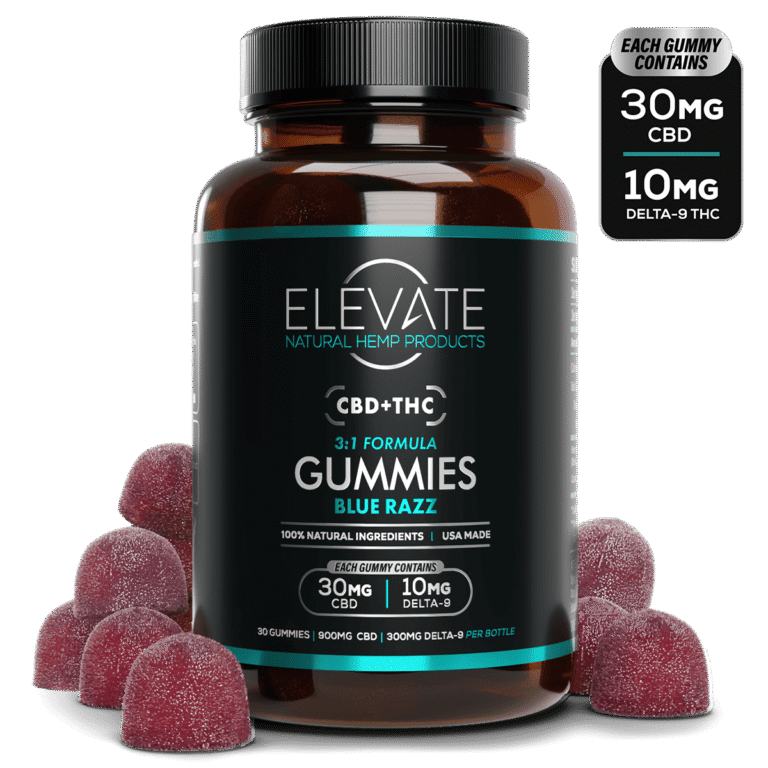
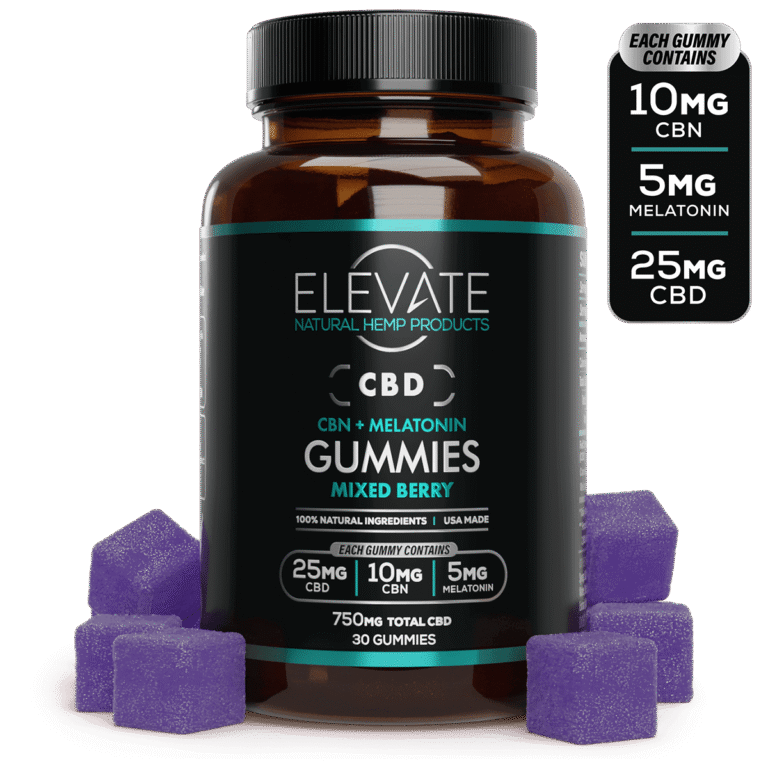
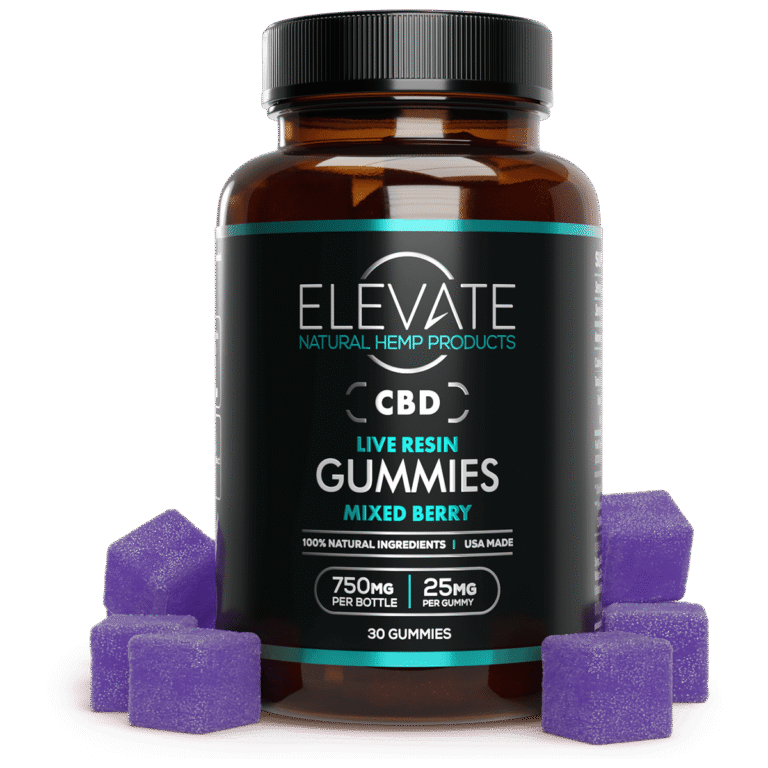
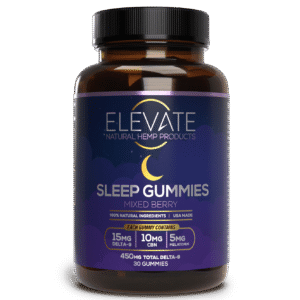
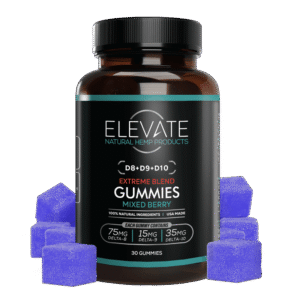
If you want a straightforward daily cbd gummy, start with Elevate's Full-Spectrum CBD Gummies at 25 mg per piece for $34. Need a THC-free option? The Broad-Spectrum CBD Gummies deliver the same 25 mg CBD dose with non-detectable THC for $36. For evening use, the CBD + CBN Sleep Gummies combine 25 mg CBD with 15 mg CBN per gummy at $44. Every Elevate product ships with a scannable QR code linking to its ISO 17025 lab report.

Compare Our cbd-gummies-for-anxiety
Swipe to explore — find the formula that fits your lifestyle.
| Product | Potency | Type | Best For |
|---|---|---|---|
Elevate Premium | 25mg | Gummy | Daily wellness |
Elevate Premium | 25mg | Gummy | Daily wellness |
Elevate Premium | 25mg | Gummy | Daily wellness |
CBD — short for cannabidiol — is one of more than a hundred naturally occurring compounds known as cannabinoids found in the Cannabis sativa plant. Unlike THC (tetrahydrocannabinol), the cannabinoid responsible for the intoxicating "high" associated with marijuana, CBD does not produce psychoactive effects at standard serving sizes. This distinction is central to why millions of adults have gravitated toward CBD-based products, particularly those who want to explore the compound's relationship with everyday stress and anxious feelings without experiencing altered cognition.
So what exactly are CBD gummies? At their simplest, they are chewable, flavored edibles infused with a measured dose of cannabidiol extract. Most formulations start with a gummy base — typically gelatin or pectin — combined with sweeteners, natural flavors, and a predetermined milligram amount of CBD per piece. Some gummies contain CBD isolate, meaning the extract has been refined to include only cannabidiol. Others use broad-spectrum extract, which retains additional cannabinoids, terpenes, and flavonoids but keeps THC at non-detectable levels. A third category, full-spectrum, preserves the complete cannabinoid profile of the plant, including trace amounts of THC (legally capped at 0.3 percent by dry weight under federal law). Each formulation type offers a slightly different interaction with the body's endocannabinoid system — a complex cell-signaling network that has been studied for its role in regulating mood, sleep, and stress response.
The consumer appeal is straightforward: adults looking for a convenient, discreet, and palatable way to incorporate CBD into a daily wellness routine often choose gummies over oils or capsules because the format feels familiar and the dosing is pre-measured. Users report that gummies fit easily into morning or evening schedules, removing the guesswork that can accompany tincture droppers. For anyone searching for a calmer way to navigate daily pressures, understanding what these products actually contain — and what separates one formula from another — is the essential first step before evaluating brands, reading lab reports, or placing an order.
What Research Says — and What It Doesn't — About CBD and Anxiety
Interest in CBD as a wellness ingredient has surged, but the evidence base remains a work in progress. Understanding both what has been studied and where significant gaps persist is essential for any consumer considering a cbd product marketed alongside anxiety-related language.
A handful of small clinical trials and preclinical studies have explored cannabidiol's interaction with the endocannabinoid system — a network of receptors involved in mood regulation, stress response, and sleep-wake cycles. Some of this preliminary research suggests that CBD may support a sense of calm by influencing serotonin receptor signaling, though the exact mechanisms are not yet fully characterized. Users report feelings of relaxation after incorporating CBD into their routines, and these subjective accounts have fueled consumer demand. However, anecdotal reports are not the same as controlled clinical evidence, and individual responses can vary widely.
What is not established is equally important. No large-scale, long-term randomized controlled trial has definitively confirmed that CBD gummies produce reliable anxiolytic effects at the doses typically found in commercially available products. Most studies to date have used isolated pharmaceutical-grade CBD at doses that differ — sometimes substantially — from what a consumer encounters on a store shelf. Dosing, bioavailability through oral ingestion, the presence of other hemp-derived cannabinoids, and individual body chemistry all introduce variables that researchers are still working to untangle.
It is also worth noting that the FDA has not approved any over-the-counter CBD product for anxiety management, meaning quality and potency standards remain largely self-regulated by manufacturers.
In short, the science is promising but incomplete. Adults exploring this category should approach marketing claims with healthy skepticism and prioritize brands that offer transparent third-party testing — a topic covered in detail in the next section.
Before adding any CBD product to your routine, it helps to understand the legal landscape — which is less straightforward than most marketing pages suggest.
The 2018 Farm Bill removed hemp from the federal list of controlled substances, provided the plant and its derivatives contain no more than 0.3 percent delta-9 THC on a dry-weight basis. That single threshold is what allows hemp-derived CBD products, including every gummy you see on mainstream retail shelves, to be sold across much of the United States. If a product exceeds that 0.3 percent limit, it is classified as a marijuana product under federal law and falls under an entirely different regulatory framework.
Federal legality, however, does not guarantee legality in your state. Individual states retain the authority to set their own rules around hemp-derived cannabinoids, and many have done exactly that. Some states restrict certain product formats, cap THC content below the federal ceiling, or require specific packaging and labeling standards. Others have introduced age requirements, licensing mandates for retailers, or limitations on which cannabinoids may be sold. These regulations also change frequently — what was permissible in a given state last year may no longer be the case today.
Because of this patchwork, no article can give you a definitive answer about what is legal where you live. We strongly recommend consulting your own state's department of agriculture or health services website for current guidance before purchasing.
One practical step you can take regardless of your location: choose products backed by third-party lab reports that verify both cannabinoid content and THC levels, confirming the gummy you're buying actually falls within lawful limits.
Batch Traceability
Every COA should reference a specific batch or lot number that you can match to the product packaging. This detail matters because cannabinoid concentrations can shift between production runs. Batch traceability lets you verify that the lab results you are reading actually correspond to the gummies in your hand — not a sample produced months earlier under different conditions.
Ingredient Transparency Beyond Cannabinoids
A quality product designed to promote relaxation should list every active and inactive ingredient clearly, including sweeteners, colorants, and any added botanicals. Vague proprietary blends without milligram breakdowns make it difficult to assess what you are actually consuming.
Practical Steps
Before purchasing, locate the COA on the brand's website — it should be publicly accessible without requiring a customer service request. Cross-check the cannabinoid potency, confirm the lab's accreditation, and match the batch number. These small steps take minutes but dramatically improve your ability to choose wisely in a largely self-regulated market.
Potency Tiers, Dosage Starting Points, and Product Format Trade-Offs
One of the first questions newcomers ask is "how much CBD should I take?" — and the honest answer is that no universal dose exists. CBD gummies typically fall into three broad potency tiers: low-strength (5–15 mg per piece), mid-strength (20–35 mg), and high-strength (40–50 mg or more). For adults exploring CBD for the first time, a cautious starting point of 10–15 mg taken once daily allows you to observe how your body responds before gradually adjusting upward over several days.
Beyond dosage, the format you choose introduces its own set of trade-offs. CBD gummies offer pre-measured convenience and discreet consumption, but because they pass through the digestive system, onset may take 45 minutes to two hours, and bioavailability is generally lower than sublingual options. Tinctures placed under the tongue tend to absorb faster, often within 15–30 minutes, and allow more precise dose adjustments drop by drop. Vapes deliver effects almost immediately, yet they introduce concerns about lung exposure and product additive safety. Flower — the raw hemp plant — offers a full-spectrum cannabinoid profile but is harder to dose consistently and may carry legal complications in certain states.
Each format also carries distinct considerations around the possible side effects of CBD, which may include drowsiness, dry mouth, digestive discomfort, or interactions with existing medications. Edibles like gummies can make it easier to accidentally overconsume simply because the delayed onset tempts users to take more before the first serving has taken effect. Starting low, waiting patiently, and logging your experience gives you the data you need to make smarter, personalized decisions going forward.
Buying Guide
Buying Guide: How to Choose the Best CBD Gummies for Anxiety Support
Purchasing CBD gummies for anxiety relief isn't as simple as grabbing the first option you see. The hemp-derived cannabinoid market is flooded with products that range from rigorously tested and Farm Bill-compliant to poorly formulated and borderline misleading. This guide, written by Elevate Right founder Kevin Kamrani, will help you evaluate every factor that actually matters.
1. Spectrum Type: Why Full-Spectrum Matters for Stress Support
When anxiety management is your primary goal, the type of extract in your cbd gummy makes a measurable difference. Here's the breakdown:
- Full-Spectrum CBD — Contains CBD alongside minor cannabinoids (CBG, CBN, CBC), terpenes, and up to 0.3% THC per the 2018 Farm Bill. Research suggests this combination amplifies the calming properties of CBD through the entourage effect. This is the format we recommend for most anxiety-focused users.
- Broad-Spectrum CBD — Retains most companion compounds but removes THC entirely. A solid choice if you're subject to drug testing but still want synergistic benefits beyond isolate.
- CBD Isolate — Pure cannabidiol with no supporting compounds. While effective for some, users frequently report that isolate feels less comprehensive for stress-related concerns.
Our full-spectrum CBD gummies are formulated to preserve the complete terpene and cannabinoid profile of the original hemp plant, giving you the broadest possible range of supportive compounds in every serving.
2. Potency: Finding Your Effective Dose
Dosing CBD edibles for anxiety support is personal, and what works for one person may underwhelm or overwhelm another. Here's a general framework:
- Mild, everyday stress: 10–25 mg CBD per serving is where most beginners find their footing. Our 25 mg gummies are designed precisely for this range.
- Moderate anxiety or persistent tension: 25–50 mg per serving. Many experienced users report that this range provides more noticeable support for situational anxiousness — before public speaking, travel, or high-pressure workdays.
- Experienced users with established tolerance: 50+ mg per serving. If you've been taking CBD consistently and your current dose feels less effective, a modest increase is reasonable. Always titrate gradually.
We always recommend the "start low and go slow" approach. Begin with a single cbd gummy, observe how you feel over 60–90 minutes (since edibles must pass through the digestive system), and adjust from there over several days.
3. Third-Party Testing: The Non-Negotiable Standard
This is where the market separates genuine wellness brands from questionable operators. Before you buy CBD gummies online — from any retailer — verify the following:
- ISO 17025-accredited lab testing: This ensures the laboratory meets international standards for calibration and accuracy. Every Elevate Right product is tested in facilities that hold this accreditation.
- Accessible COAs (Certificates of Analysis): These documents should confirm cannabinoid potency, terpene content, and the absence of heavy metals, pesticides, residual solvents, and microbial contaminants. If a brand hides their COAs or makes you email to request them, that's a red flag.
- Batch-specific results: Generic or outdated lab reports are meaningless. Look for COAs tied to the exact production batch of the product you're purchasing.
4. Red Flags to Avoid When Shopping for CBD Gummies
Years in this industry have taught us exactly what to watch out for. Steer clear of any product or brand that:
- Makes direct medical claims like "cures anxiety" or "treats panic disorder" — this violates FDA regulations and signals a company that prioritizes sales over integrity
- Lists only total hemp extract on the label without specifying CBD milligrams per serving
- Uses artificial cannabinoid blends disguised as natural hemp extract
- Offers no verifiable lab results or sources testing from non-accredited facilities
- Prices product suspiciously low — quality full-spectrum extraction, organic ingredients, and legitimate third-party testing have real costs
Established brands like Charlotte's Web gummies helped set early benchmarks for transparency, and at Elevate Right, we've built on that foundation with even more rigorous quality standards.
5. Why Elevate Right for CBD Gummies Delivery
When you order from Elevate Right, you're getting more than a product — you're getting a company that stakes its reputation on quality. Every order ships discreetly to all states where hemp-derived CBD is legal under the 2018 Farm Bill. Our CBD gummies delivery is fast, our customer support is responsive, and our lab results are never more than a click away.
Explore our full CBD gummies collection to find the potency and format that fits your lifestyle, or check out our broader hemp-derived wellness lineup for complementary products like CBD oils and softgels that pair well with an edible-based routine.
From Our Blog
How to Start with CBD: Tips for First-Timers
Find out how much CBD to start with as a beginner. Get clear, practical tips for finding your ide...
Read More
Broad Spectrum CBD: Your Complete Guide
Compare full spectrum and broad spectrum CBD to find the best option for your needs. Learn how br...
Read More
How Long Do CBD Gummies Take to Work?
Curious how long CBD gummies last and when they kick in? Learn how long CBD gummies take to work,...
Read MoreFrequently Asked Questions
What are CBD gummies for anxiety?
CBD gummies are chewable, flavored edibles infused with a measured dose of cannabidiol extract. They come in isolate, broad-spectrum, and full-spectrum formulations, each offering a slightly different interaction with the body's endocannabinoid system — a cell-signaling network studied for its role in regulating mood, sleep, and stress response.
Does research support using CBD gummies for anxiety?
Preliminary research suggests CBD may support a sense of calm by influencing serotonin receptor signaling, but the science is still incomplete. No large-scale, long-term randomized controlled trial has definitively confirmed that CBD gummies produce reliable anxiolytic effects at commercially available doses. The FDA has not approved any over-the-counter CBD product for anxiety management.
What is the difference between CBD isolate, broad-spectrum, and full-spectrum gummies?
CBD isolate contains only cannabidiol. Broad-spectrum extract retains additional cannabinoids, terpenes, and flavonoids but keeps THC at non-detectable levels. Full-spectrum preserves the complete cannabinoid profile, including trace amounts of THC legally capped at 0.3 percent by dry weight under federal law.
Are CBD gummies legal in the United States?
The 2018 Farm Bill removed hemp from the federal controlled substances list, provided the plant and its derivatives contain no more than 0.3 percent delta-9 THC on a dry-weight basis. Hemp-derived CBD gummies meeting this threshold can be sold across much of the United States, though state-level regulations vary.
Why do people choose CBD gummies over oils or capsules?
Many adults choose gummies because the format is familiar, the dosing is pre-measured per piece, and they fit easily into morning or evening routines without the guesswork that can accompany tincture droppers.