Snow Caps Weed

✓ Every claim in this guide was checked against published third-party lab results (COAs) and current state law.
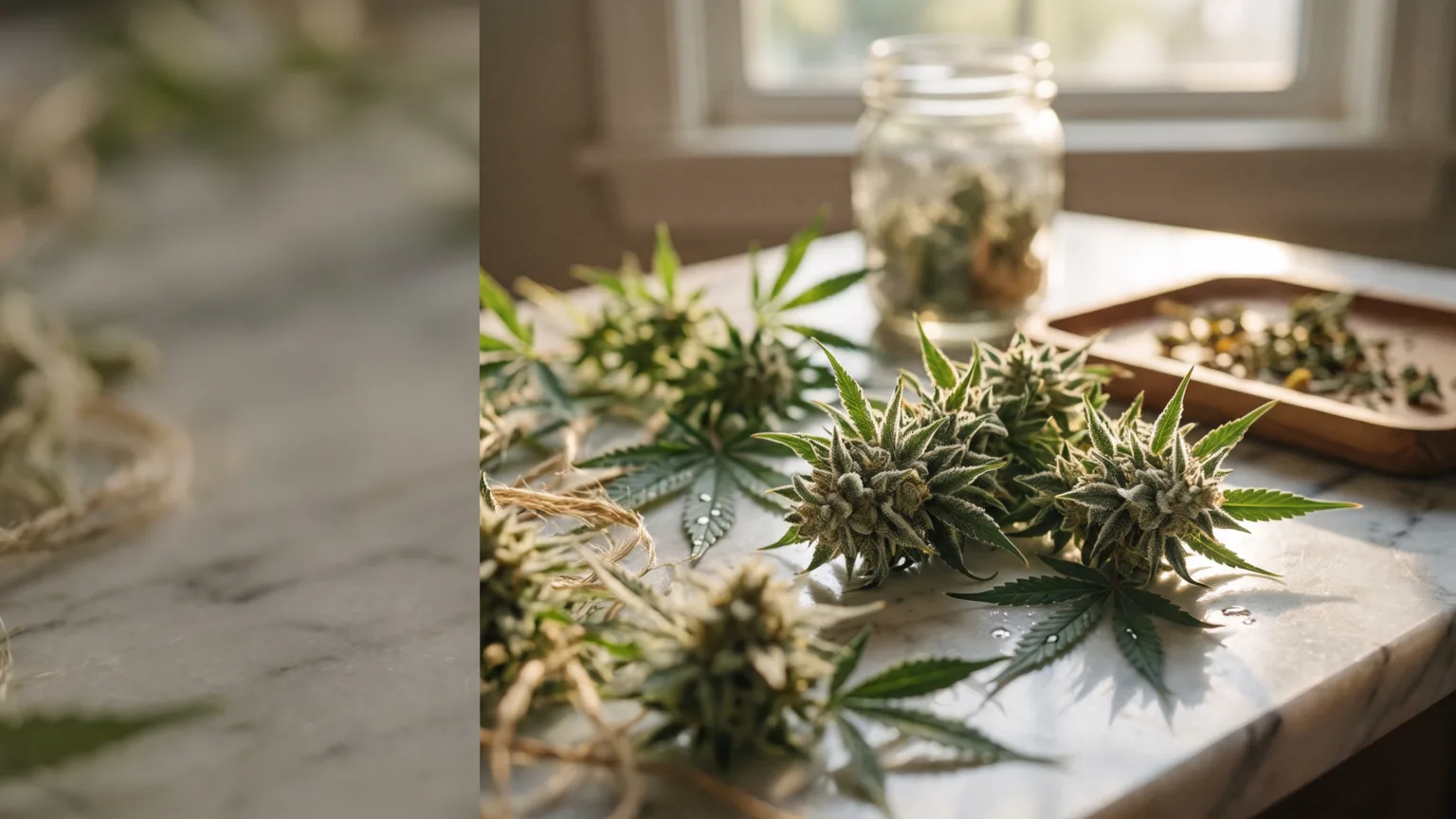
A snow cap in weed is a cured THCA flower bud coated in THCA isolate or concentrate, giving it a frosty white look and a higher THCA percentage than the bud alone. It is a finished product, not a strain, so the batch certificate of analysis (COA) is the reliable guide to potency.
Key Takeaways
- A snow cap is THCA flower coated in isolate or concentrate, so it is a finished product, not a strain.
- The white look comes mostly from added coating, so frost alone says little about potency.
- Snow caps are generally stronger than plain flower, so beginners should start with one or two small puffs.
- Read the batch COA for THCA, delta-9 THC, and contaminant results before buying or smoking.
- Federal hemp rules change in two steps on November 12 and December 11, 2026, and state law still governs sales.
What Is a Snow Cap in Weed (and Is Snow Cap Weed Real)?
A snow cap in weed is a cured THCA flower bud coated in a concentrate or isolate, which gives it a frosty white look and a higher THCA percentage than the bud alone. Yes, the product is real. Products like it are sold by various shops and brands, and a batch certificate of analysis (COA) shows what is actually in the jar.
The key point is that a snow cap is a finished product, not a single genetic strain. Nearly any bud can be used as the base. A producer takes a dense, well-cured flower, adds a thin binder or terpene layer, and then coats it with THCA isolate (crystalline THCA with most other plant compounds removed) or a broader concentrate. The white sheen comes from that added material, not only from the bud's natural trichomes. Because the base flower and the coating both vary, potency and flavor differ from one batch to the next. If you are comparing the best thca flower options, the COA's total THCA figure is a better guide than how frosty the bud looks.
Snow Cap vs. the Snowcap Strain
The name causes confusion because it overlaps with the Snowcap strain, sometimes written "Sno Cap." That is a cultivar, a plant with its own lineage and growth traits. It is generally described as heavily frosted, but that frost is natural trichome coverage. A snow cap product, by contrast, is defined by how it is finished. A bud of the Snowcap strain could be coated and sold as a snow cap, but most snow caps are not made from that strain.
A quick way to tell them apart: if a listing names a lineage and describes a plant, it is talking about the strain. If it lists a coating, an isolate, or a THCA percentage above what flower typically tests at, it is talking about the coated product.
How Are THCA Snow Caps Made?
A snow cap is made by taking finished THCA flower, adding a sticky layer, coating it in a THCA isolate or other cannabis concentrate, and letting it set. The process is simple, but each step affects how the bud looks, smells, and burns.
- Select a dried, properly aged bud. Makers generally start with dense, well-trimmed buds with moisture at a stable level. Wet or crumbly flower won't hold a coating evenly. The base bud sets the flavor and much of the final quality, so producers tend to choose their better flower for this.
- Apply a binder or terpene layer. A thin coat of terpenes, either botanical or cannabis-derived, makes the surface tacky. Some producers use a small amount of a food-safe binder instead. This layer also restores aroma that the coating would otherwise mute.
- Coat with THCA isolate or concentrate. The tacky bud is rolled or dusted in powdered THCA isolate, which is a purified, crystalline form of THCA. Some makers use a ground cannabis concentrate such as kief or shatter instead. The bud is turned until the coverage is even.
- Set and rest. The finished bud sits in a controlled space so the binder firms up and the coating bonds to the surface. Done well, it won't shed heavily when you handle it.
- Test and package. A reputable batch is tested by a third-party lab, and the certificate of analysis (COA) lists the final cannabinoid content. Only that report confirms the real potency.
Why Snow Caps Look White and Frosty
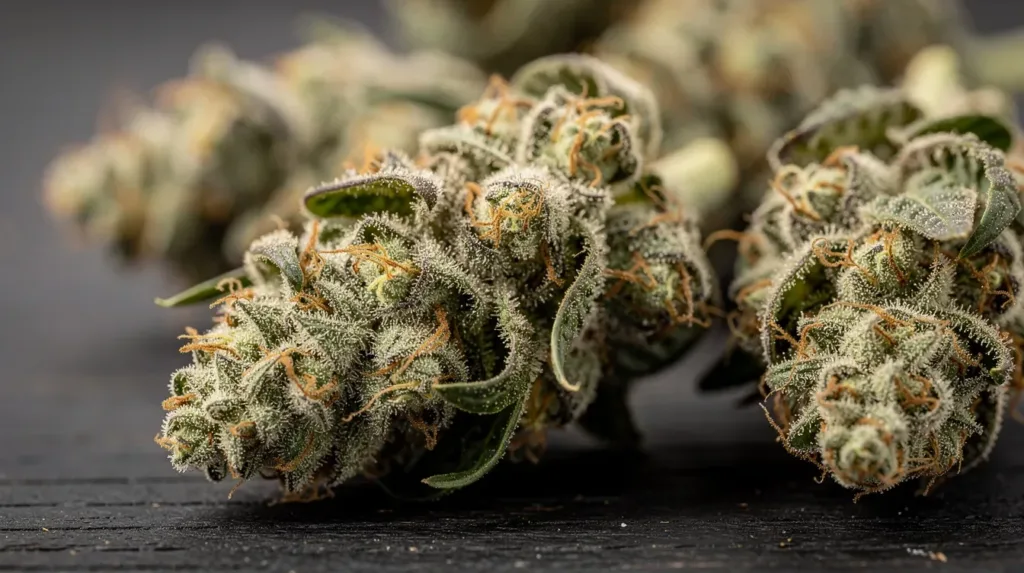
The white look comes from the crystalline coating. Purified THCA forms tiny crystals with many flat faces. These scatter light instead of absorbing it, so the bud reads as bright white, like frost on a branch. Natural trichomes give flower a sparkle, but a heavy, uniform coat of isolate looks much whiter and more opaque. That is why a frosty snow cap is usually a sign of added material, not a special strain.
How Do Snow Caps Differ From Regular THCA Flower?
A snow cap starts as ordinary THCA flower, then gets a coating of THCA isolate or concentrate. Put the two side by side and you'll see the difference immediately. The table below shows how they compare.
| Feature | Regular THCA Flower | Snow Caps |
|---|---|---|
| Appearance | Green to purple, with a light natural sheen | Thick white or crystalline layer over the bud |
| Potency range | Commonly high-teens to high-20s THCA percentage | Often marketed well above that, depending on base bud and coating |
| Burn and texture | Springy, breaks up evenly | Denser and stickier; may burn unevenly or clog grinders |
| Flavor | Reflects the strain's own terpenes | Often muted or blended by added terpenes |
Frost alone tells you little about strength. Visible coverage isn't a measurement, and a coated bud can hide a weak base flower. The batch certificate of analysis (COA) is the reliable check. Look for the tested THCA percentage, the cannabinoid breakdown, and the contaminant results, and confirm the COA matches the batch number on the jar.
How Strong Is Snow Caps Weed?
Snow caps are generally stronger than standard flower. Regular flower commonly tests in the high-teens to high-20s THCA percent, and coated products are often marketed well above that. The THCA percentage is a range, not a fixed number, because snow caps are a finished product rather than a strain. Potency depends on the base bud, how much coating it carries, and the lab result for that specific batch.
THCA is the raw, non-intoxicating acid form of THC. It becomes active through decarboxylation, the loss of a carboxyl group when the flower is heated by smoking, vaping, or baking. Once converted, THCA becomes delta-9 THC, the compound behind the familiar high. The conversion is not perfectly efficient. Labs multiply THCA by about 0.877 to estimate the delta-9 THC it can yield. As an example, a snow cap testing at 40% THCA could deliver roughly 35% delta-9 THC, before any losses from combustion or uneven heating.
Two things drive the final strength:
- The coating: Added THCA isolate or concentrate raises the total, so a thicker layer generally means a higher number.
- The base bud: A well-grown flower with its own strong cannabinoid and terpene profile gives a fuller experience than a weak bud boosted by coating alone.
Frost alone is not proof of potency. Appearance can't tell you how much THCA is in the jar. The COA (certificate of analysis) from an independent lab can. Check that it matches the batch number on the package, lists THCA and delta-9 THC separately, and includes contaminant screening. If you're comparing options, start with products that publish full lab results. Because snow caps are so concentrated, newcomers should start with a very small amount and wait before taking more.

What Do Snow Caps Taste and Feel Like, and Who Are They For?
Do snow caps taste different from regular flower? Slightly, but the base bud does most of the work. A snow cap is a finished flower coated in isolate or concentrate, and THCA isolate has almost no flavor of its own. What you taste is the bud's terpenes, plus whatever terpene layer the maker added. Coating can dull the aroma when the layer is heavy or the terpenes were stripped. A well-made snow cap keeps most of the original profile, with a faintly drier, more neutral edge on the exhale.
Because a snow cap is not a strain, the experience follows the bud underneath. Makers can start with indica, sativa, or hybrid flower. Indica-leaning buds tend to be described as heavier and more body-focused, sativa-leaning buds as brighter and more head-focused, and hybrids land somewhere between. Terpene retention matters here too, since a bud that kept its aromatics through curing and coating usually smells and tastes closer to its label. To get a sense of how a base bud shapes the result, compare each strain's listed profile.
The main difference users report is strength. The coating raises the THCA percentage, so the effects may arrive faster and feel more intense than the same bud uncoated. Individual responses vary, and the batch COA is the only reliable guide to potency.
Who they suit: experienced consumers with a high tolerance who already know how they respond to concentrated products and want a stronger, more intense option.
Who should skip them:
- Newcomers or occasional users
- Anyone sensitive to THC or prone to anxiety with strong products
- People who prefer a mild, flavor-forward session
- Anyone without a COA to check
If you're unsure, start with standard flower and work up.
Can You Smoke Snow Caps by Themselves, and What Is the Best Way?
Yes, snow caps can be smoked on their own. A snow cap is a finished THCA flower bud coated with concentrate, so it needs no mixing or special preparation. Because the coating raises potency, the method and the amount matter more than they do with plain flower.
Best Ways to Use Snow Caps
- Pipe: The simplest option. Pack a small bowl and light the edge so the bud burns evenly. Expect some resin to build up in the bowl.
- Bong: Water filtration cools the smoke, which many users find easier on the throat with dense, potent flower. Take smaller pulls than you would with regular flower.
- Joint: Works well if you roll it as a mix. Layering snow cap crumble with ordinary flower helps the joint burn evenly instead of running or canoeing.
- Dry herb vape: A vaporizer at a moderate temperature gives cleaner flavor and less waste. Keep in mind that sticky coating can build up on screens and in the chamber.
Grinding and Keeping Devices Clean
That same stickiness affects preparation. A coated bud can clog a grinder, so break it up gently by hand or with a coarse grinder, and chill the bud briefly in the fridge so the coating does not smear on the teeth. Do not pulverize it into powder, since fine material can fall through screens and restrict airflow. Clean the grinder, bowl, and vaporizer chamber with isopropyl alcohol on a regular schedule to prevent gunk.
Start Small
Whichever method you choose, go slowly. Snow caps are potent, and the stated THCA percentage depends on both the base bud and the coating. THCA converts to THC when heated, so even a small amount can be strong. Take one or two puffs, wait at least 15 to 20 minutes, and only then decide whether to take more. For a reliable starting point, choose a product with a batch COA, so you know what you are actually consuming.
How Do Snow Caps Compare to Moonrocks, Snowballs, Dabs, and Infused Pre-Rolls?
These terms overlap, but they describe different products. A snow cap is a finished flower product: a bud coated in THCA isolate or concentrate, sometimes with a terpene layer. Starting with good base flower matters because the coating only adds to what the bud already offers.
| Product | Coating or material | Potency tier | Typical use |
|---|---|---|---|
| Snow caps | THCA flower coated in isolate or concentrate | Above plain flower | Joint, bowl, or vaporizer |
| Moonrocks | Bud dipped in hash oil, rolled in kief | Varies by brand; often comparable to or higher than snow caps | Crumbled into a bowl or joint |
| Snowballs | Varies by brand, often a moonrock-style bud with extra kief or isolate | High, depending on the label | Bowl or joint |
| Dabs | Pure concentrate, no flower | Highest | Dab rig or concentrate vaporizer |
| Infused pre-rolls | Flower rolled with kief, oil, or distillate inside or outside | Above plain flower | Smoked as is |
The easiest distinction is flower versus concentrate. Dabs contain no plant material. Moonrocks and snowballs are commonly made with sticky hash oil as a binder, while snow caps are often finished with a drier isolate coating, though methods vary by brand. Infused pre-rolls trade the visual appeal for convenience.
Are snow caps more potent than regular cannabis flower? Usually, yes, because the coating adds cannabinoids on top of the bud's own content. The difference varies by batch, though. Frost alone is not a measurement, so check the certificate of analysis (COA) for total THC, which is THCA multiplied by 0.877 plus any delta-9 THC. Start with a small amount, since coated products can hit harder than they look.
Are Snow Caps Safe to Smoke, and How Can You Check Quality?
Snow caps carry the same basic considerations as other cannabis flower, and a batch that passes third-party lab testing is the best sign of quality. Use them responsibly. The coating adds concentrate, so the lab report matters more than the frosty look. If you're comparing options, start with products that publish full batch results.
How to read a certificate of analysis (COA):
- Match the batch. The batch number, product name, and date should match your jar. A QR code should lead to a report from an independent lab, not an in-house sheet.
- Cannabinoids. Look at THCA and delta-9 THC. Total THC is roughly THCA × 0.877 plus delta-9 THC. Very high numbers are possible with a coating, but they should be consistent with the report.
- Pesticides. The result should show "pass" or "ND" (not detected) for every listed compound.
- Heavy metals. Lead, arsenic, cadmium, and mercury should fall under the stated limits.
- Residual solvents. This matters most for concentrate-coated flower. Butane, propane, or ethanol residues should be within limits.
What to watch for in the coating: It should look even and dry. Avoid buds that feel greasy, smell chemical or sour, show fuzzy mold, or shed heavy powder at the bottom of the jar.
Dosing and safety tips:
- Start with one or two small puffs and wait at least 15 to 20 minutes. Snow caps are usually stronger than plain flower.
- Don't drive or operate machinery after use, and keep products away from children and pets.
- Stop if you feel anxious or dizzy, and rest with water.
Drug tests: Heating converts THCA into THC, so smoking snow caps can cause a positive drug test. "Hemp-derived" labeling doesn't change that.
Storage: Proper storage means an airtight glass jar in a cool, dark place. Heat and humidity can degrade potency and the coating, and may encourage mold.
Legal note (as of November 2026): Federal hemp law is changing in two steps, on November 12 and December 11, 2026, depending on product type. Under the new definition, hemp is measured by total THC, which counts THCA toward the 0.3% limit, and finished hemp-derived products face a cap of 0.4 mg of total THC per container. High-THCA flower may not qualify as hemp once that test applies. State law continues to govern retail sale regardless of the federal change. This article is informational, not legal advice, so check the rules in your state.
In short, a snow cap is only as good as the flower underneath and the lab report behind it. Frost tells you how a bud was finished, while the COA tells you what is in the jar. Check the report, start with a small amount, and store the jar properly.
Frequently Asked Questions
Is the Snowcap strain the same as a snow cap product?
No. The Snowcap strain, sometimes written Sno Cap, is a cultivar with its own lineage, and its frost is natural trichome coverage. A snow cap product is defined by its finish: a bud coated in isolate or concentrate. Any strain could be made into a snow cap.
What should I look for on a snow cap COA?
Check that the batch number matches your jar and that an independent lab issued the report. Look at THCA and delta-9 THC separately, then confirm pesticide, heavy metal, and residual solvent results pass. Total THC is roughly THCA multiplied by 0.877, plus delta-9 THC.
Can snow caps cause a positive drug test?
Yes, they can. Heating converts THCA into THC, so smoking or vaping snow caps may cause a positive drug test. A hemp-derived label does not change how the body processes THC. If you are subject to testing, it is safest to avoid them.
How should beginners start with snow caps?
Start with one or two small puffs and wait at least 15 to 20 minutes before deciding on more. Snow caps are usually more concentrated than plain flower, and individual responses vary. Beginners may prefer to start with standard flower and work up gradually.
Do the 2026 federal hemp changes affect THCA snow caps?
Possibly. The federal hemp definition is scheduled to change in two steps, on November 12 and December 11, 2026, depending on product type. The new test counts THCA toward the 0.3% total THC limit. State law still governs retail sale, so check your state's rules.
How do I store snow caps?
Keep them in an airtight glass jar in a cool, dark place. Heat and humidity can degrade potency and the coating, and may encourage mold. Handle them gently, since a coated bud can shed powder if it is jostled or stored loosely.

Best THCa Flower: Premium THCa Hemp Flower for Sale
Every batch ships with published third-party COAs — the exact standard this guide tells you to demand before you buy.
Shop Best THCa Flower: Premium THCa Hemp Flower for Sale →The Scoop Lab Desk
Learn is produced by Elevate's editorial desk. Every guide is fact-checked against third-party lab results (COAs) and current state law before publish, and corrected in public when we get something wrong.