
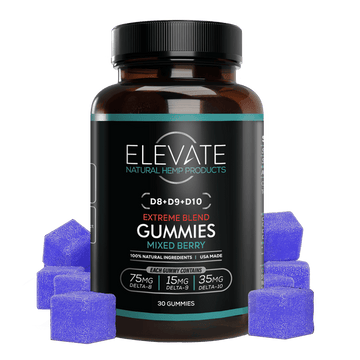
5 Best Delta 8 Vapes for Sale (Tested for Purity)

The best delta 8 vapes for sale deliver a milder, clear-headed high compared to traditional THC, with effects felt within minutes of vaping. Top-quality options are backed by third-party lab reports (COAs) confirming potency and purity, contain only delta 8 distillate and terpenes, and use ceramic coils for cleaner flavor and reliable hardware performance.
What Is Delta-8 THC and How Does It Work?
Delta-8-Tetrahydrocannabinol, commonly known as delta-8 THC, is a naturally occurring cannabinoid found in cannabis plants. It is a structural variant of delta-9-tetrahydrocannabinol (delta-9 THC), the primary psychoactive compound in marijuana. The key difference lies in the placement of a double bond: while delta-9 THC has its double bond on the 9th carbon chain, delta-8 THC's double bond is located on the 8th carbon, altering its molecular structure and biological activity. This seemingly minor chemical distinction has significant implications for how the compound interacts with receptors in the human body, influencing everything from its binding affinity to the duration and intensity of its effects.
For current in-stock options, browse our Delta 8 vape options page.
To understand why the position of a single double bond matters so much, it helps to consider how cannabinoids interact with biological systems at a molecular level. Cannabinoids are lipophilic molecules, meaning they dissolve in fats rather than water. Their three-dimensional shape determines how snugly they fit into receptor binding sites, much like a key fitting into a lock. When the double bond shifts from the 9th to the 8th carbon position, the overall geometry of the molecule changes subtly. This altered shape means delta-8 THC doesn't lock into CB1 receptors with quite the same precision or strength as delta-9 THC, which directly translates to a softer psychoactive profile. Researchers have estimated that delta-8 THC exhibits roughly 50 to 75 percent of the psychoactive potency of delta-9 THC, though individual responses can vary based on tolerance, metabolism, body composition, and the specific product formulation consumed.
To put this potency difference in practical terms, a person who typically experiences strong psychoactive effects from 10 milligrams of delta-9 THC might need 15 to 20 milligrams of delta-8 THC to reach a comparable level of intoxication. However, this is not a simple linear scaling. The subjective quality of the experience differs as well — many users report that delta-8 THC produces less paranoia, less mental fog, and a more body-centered relaxation compared to delta-9 THC at equivalent subjective effect levels. These qualitative differences are thought to arise not only from the reduced CB1 binding affinity but also from differences in how the two isomers distribute across various brain regions and how quickly they are metabolized by hepatic enzymes in the liver.
The structural relationship between delta-8 and delta-9 THC also has implications for drug testing. Standard immunoassay-based urine drug tests screen for 11-nor-9-carboxy-THC, the primary metabolite of delta-9 THC. Because delta-8 THC is metabolized by the same cytochrome P450 enzyme family (particularly CYP3A4 and CYP2C9), it produces structurally similar metabolites that can cross-react with these immunoassay tests, potentially triggering a positive result. Confirmatory testing using gas chromatography-mass spectrometry (GC-MS) or liquid chromatography-tandem mass spectrometry (LC-MS/MS) can sometimes differentiate between delta-8 and delta-9 metabolites, but not all testing laboratories routinely perform this level of analysis. This means individuals subject to workplace drug screening, athletic testing, or legal probation testing should be aware that delta-8 THC use may result in a positive test for THC, regardless of the legal status of the product in their jurisdiction.
The cannabis plant produces over 100 identified cannabinoids, and delta-8 THC is considered a minor cannabinoid because it occurs in very small concentrations naturally — typically less than 1 percent of the plant's total cannabinoid content. This scarcity is one reason delta-8 THC remained relatively obscure for decades, even as delta-9 THC and cannabidiol (CBD) dominated both scientific research and consumer markets. The compound was first synthesized and studied in the 1960s and 1970s by pioneering cannabis researcher Raphael Mechoulam and his team at the Hebrew University of Jerusalem. Early studies noted its antiemetic (anti-nausea) properties and its reduced tendency to cause anxiety compared to delta-9 THC, but limited availability and regulatory hurdles stalled further investigation for many years.
Mechoulam's early work on delta-8 THC was particularly notable for a 1995 study conducted with pediatric oncology patients in Israel. In this study, eight children undergoing chemotherapy for various cancers were administered delta-8 THC orally prior to and during their chemotherapy sessions over a period of eight months. The results were striking: delta-8 THC completely prevented vomiting in all patients, with negligible psychoactive side effects reported. While the sample size was small and the study lacked a placebo control, it provided some of the earliest clinical evidence suggesting that delta-8 THC might offer therapeutic benefits comparable to delta-9 THC but with a more favorable side-effect profile. This study has been frequently cited in the scientific literature as a foundational reference point for delta-8 THC's antiemetic potential, though it has never been replicated in a large-scale, randomized controlled trial.
Other early research explored delta-8 THC's effects on appetite. A 2004 study published in Pharmacology, Biochemistry and Behavior examined the compound's impact on food intake in mice. Researchers found that low doses of delta-8 THC significantly increased food consumption, and that this appetite-stimulating effect was more pronounced and longer-lasting than that of delta-9 THC on a per-milligram basis. The investigators hypothesized that delta-8 THC's lower psychoactive potency allowed it to stimulate appetite through CB1 receptor activation in the hypothalamus without producing the sedation and cognitive impairment that high doses of delta-9 THC can cause. These findings suggested potential applications for delta-8 THC in treating conditions characterized by appetite loss, such as cachexia in cancer patients, wasting syndrome in HIV/AIDS, and anorexia nervosa, although human clinical data for these applications remains extremely limited.
The modern resurgence of delta-8 THC is largely attributable to advances in extraction and conversion chemistry. Because delta-8 THC occurs in such trace amounts naturally, most commercially available delta-8 products are manufactured through a chemical conversion process that starts with CBD derived from hemp. This process, known as isomerization, uses acids, heat, and solvents to rearrange the molecular structure of CBD into delta-8 THC. The chemical feasibility of this conversion is rooted in the fact that CBD, delta-8 THC, and delta-9 THC all share the same molecular formula (C₂₁H₃₀O₂) — they are structural isomers, meaning they contain identical atoms arranged in different configurations. By carefully controlling reaction conditions such as pH, temperature, reaction time, and catalyst selection, chemists can preferentially drive the conversion toward delta-8 THC rather than delta-9 THC or other unwanted byproducts.
The isomerization process typically begins with dissolving CBD isolate or CBD distillate in a nonpolar solvent such as heptane or toluene. An acid catalyst — commonly p-toluenesulfonic acid, hydrochloric acid, or Lewis acids such as boron trifluoride etherate or zinc bromide — is then added to the solution. The mixture is heated to a specific temperature, often between 60 and 100 degrees Celsius, and maintained for a reaction period that can range from one hour to several hours depending on the desired conversion rate and the specific catalyst used. During this time, the acid protonates the CBD molecule, facilitating a ring-closure reaction that converts the open ring structure of CBD into the cyclized ring structure characteristic of THC isomers. The selectivity toward delta-8 versus delta-9 THC depends heavily on the thermodynamic and kinetic conditions of the reaction: delta-8 THC is generally the more thermodynamically stable isomer, so longer reaction times and higher temperatures tend to favor its formation over delta-9 THC.
After the reaction is complete, the mixture undergoes neutralization (typically with a base such as sodium bicarbonate) followed by a series of purification steps. Winterization — cooling the solution to precipitate out waxes, lipids, and other plant-derived impurities — is
Is Delta-8 Vaping Safe and Legal?
You can also browse our Delta 8 vape options when comparing options.
Delta-8 vape products are gaining popularity as a milder alternative to traditional THC, but their safety and legality remain complex topics that deserve thorough examination. As more consumers seek out delta-8 vape pens, disposable delta-8 vapes, and delta-8 cartridges, questions about what they are actually inhaling and whether it is permitted in their jurisdiction have become increasingly urgent. Understanding the full landscape of delta-8 THC—from its chemical properties to the regulatory patchwork governing its sale—is essential for anyone considering these products.
At the federal level, delta-8 tetrahydrocannabinol (THC) falls into a legal gray area. While the 2018 Farm Bill legalized hemp-derived products containing less than 0.3% delta-9 THC, it did not explicitly address delta-8 THC. This ambiguity has led to inconsistent enforcement and regulatory oversight. The Farm Bill's language focused primarily on distinguishing hemp from marijuana based on delta-9 THC concentration, leaving other cannabinoids—including delta-8 THC, delta-10 THC, THC-O, and HHC—in a regulatory limbo that manufacturers have been quick to exploit. Because delta-8 THC can be synthesized from CBD extracted from legal hemp, many producers argue that their products are technically compliant with federal law. However, the Drug Enforcement Administration (DEA) has signaled that synthetically derived cannabinoids may not qualify for the Farm Bill's protections, adding another layer of uncertainty to an already murky legal picture
.
The distinction between naturally occurring and synthetically derived delta-8 THC is a critical point in the legal debate. Delta-8 THC does occur naturally in the cannabis plant, but only in trace amounts—typically less than 1% of the plant's total cannabinoid profile. This means that virtually all delta-8 THC products on the market today are produced through a chemical conversion process. CBD isolate derived from hemp is dissolved in a solvent, combined with an acid catalyst, and subjected to heat and pressure to isomerize the CBD molecule into delta-8 THC. This process, while relatively straightforward in a well-equipped laboratory, introduces potential risks when performed by manufacturers lacking proper quality controls. Residual solvents, unreacted reagents, and unintended byproducts can contaminate the final product if purification steps are inadequate. The fact that this conversion process is essentially a chemical synthesis has led the DEA and some legal scholars to argue that delta-8 THC products should be classified as controlled substances regardless of their hemp origin.
In some states, delta-8 vape products are legal, while others have banned or restricted them. The state-by-state regulatory landscape creates a confusing patchwork that consumers must navigate carefully. For example, states like California allow the sale of delta-8 vape pens under certain conditions, though the state has moved toward requiring that delta-8 products meet the same testing and labeling requirements as regulated cannabis products. Colorado, interestingly, has taken a different approach—while it has a mature recreational cannabis market, the state actually moved to restrict the sale of chemically modified hemp cannabinoids including delta-8 THC, citing safety concerns about unregulated conversion processes. States such as North Dakota, Utah, Alaska, Arizona, Delaware, Idaho, Iowa, Mississippi, Montana, and Rhode Island have enacted strict bans on delta-8 THC in various forms
.
Other states have taken more nuanced approaches. Virginia, for instance, initially allowed delta-8 sales but later implemented age restrictions and labeling requirements. Michigan incorporated delta-8 THC into its existing cannabis regulatory framework, requiring that products be sold through licensed dispensaries and undergo the same testing protocols as delta-9 THC products. Connecticut and Vermont have similarly moved to regulate rather than ban delta-8, treating it as a cannabis product subject to state oversight. Meanwhile, states like Texas have seen ongoing legal battles, with courts and legislators debating whether hemp-derived delta-8 products are legal under state law. The Texas Department of State Health Services attempted to classify delta-8 as a Schedule I controlled substance in 2021, but a temporary restraining order from a state judge blocked enforcement, and the legal status has remained contested since.
Consumers must carefully check local laws before purchasing or using these products, and they should be aware that laws can change rapidly. What is legal in your state today may not be legal next month. Several states have pending legislation that could either legalize, restrict, or ban delta-8 THC products. Signing up for updates from your state's health department or cannabis regulatory agency is a practical step to stay informed. Additionally, traveling with delta-8 vape products can create legal complications, as crossing from a state where delta-8 is legal into one where it is banned could result in criminal charges. This is particularly relevant for frequent travelers and truck drivers who may cross multiple state lines in the course of their work.
Regarding safety, delta-8 vape products are not currently regulated by the FDA, which raises concerns about product purity, labeling accuracy, and potential contamination. The FDA has issued multiple consumer warnings about delta-8 THC products, noting adverse event reports that include hallucinations, vomiting, tremor, anxiety, dizziness, confusion, and loss of consciousness. Between December 2020 and February 2022, the FDA received over 100 reports of adverse events in patients who consumed delta-8 THC products, with approximately 55% of those cases requiring emergency medical intervention. While these numbers are relatively small compared to the overall user base, they highlight the potential for serious health consequences, particularly when products are poorly manufactured or mislabeled.
Studies have shown that many unregulated vape products contain harmful substances such as heavy metals, pesticides, or synthetic additives
. Independent laboratory analyses of commercially available delta-8 vape cartridges have revealed a troubling range of contaminants. Lead, cadmium, and nickel—heavy metals that can leach from poorly constructed vape hardware—have been detected in some products at levels exceeding established safety thresholds. Pesticide residues from hemp cultivation can concentrate during the extraction and conversion process, potentially exposing users to harmful levels of chemicals like myclobutanil, which converts to hydrogen cyanide when heated. Residual solvents such as hexane, heptane, and toluene have also been found in delta-8 distillates that were not adequately purified after the conversion process.
Beyond contaminants introduced during manufacturing, there are concerns about the chemical composition of delta-8 vape liquids themselves. Gas chromatography and mass spectrometry analyses of delta-8 products have revealed unknown and uncharacterized compounds that are likely byproducts of the isomerization process. These compounds — sometimes labeled "reaction byproducts" or "unknowns" on certificates of analysis — have not been studied for their toxicological effects when inhaled. Researchers have identified delta-8-iso-THC, delta-4(8)-iso-THC, and other structural isomers in commercial products, none of which have established safety profiles. The long-term health implications of inhaling these novel compounds remain unknown, a significant gap in our understanding of delta-8 vape safety.
The vaping delivery method itself introduces additional safety considerations that are distinct from the cannabinoid being consumed. When any substance is inhaled into the lungs, it bypasses the body's primary filtration systems—the digestive tract and the liver—and enters the bloodstream almost immediately. This rapid absorption is part of what makes vaping appealing to users seeking fast-acting effects, but it also means that any contaminants present in the vape liquid are delivered directly to the delicate tissues of the lungs and then distributed throughout the body with minimal metabolic processing. The EVALI (E-cigarette or Vaping Product Use-Associated Lung Injury) crisis of 2019, which resulted in over 2,800 hospitalizations and 68 deaths in the United States, demonstrated the severe consequences that can result from inhaling improperly formulated vape products. While EVALI was primarily linked to vitamin E acetate used as a cutting agent in illicit THC vape cartridges, the episode underscored the broader risks of an unregulated vaping market.
Thinning agents and carrier liquids used in delta-8 vape products present their own set of concerns. Some manufacturers use propylene glycol (PG) and vegetable glycerin (VG) to create smoother vapor production, but when heated to high temperatures, these substances can decompose into formaldeh
Benefits of Using Delta-8 Vape for Wellness
Delta-8 vape products have gained popularity as a milder alternative to traditional THC compounds, offering wellness benefits such as relaxation and mild relief without the intense psychoactive effects often associated with delta-9 THC. Delta-8-tetrahydrocannabinol (Delta-8 THC) is a naturally occurring cannabinoid that interacts with the body's endocannabinoid system, potentially promoting calmness and balance. Many users report that delta-8 vape provides a more manageable experience compared to other cannabis products, making it an appealing option for those seeking wellness benefits without overwhelming effects.
The endocannabinoid system (ECS) is a complex cell-signaling network discovered in the early 1990s that plays a crucial role in regulating a wide range of physiological functions, including mood, sleep, appetite, immune response, and pain perception. The ECS consists of three primary components: endocannabinoids (naturally produced cannabinoids in the body such as anandamide and 2-AG), cannabinoid receptors (CB1 and CB2), and enzymes that break down endocannabinoids after they have carried out their functions. Delta-8 THC interacts primarily with CB1 receptors located in the central nervous system, though its binding affinity is lower than that of delta-9 THC. This reduced binding affinity is widely believed to be responsible for the milder psychoactive profile of delta-8, which translates into a gentler experience that many wellness-focused consumers prefer.
When delta-8 THC binds to CB1 receptors, it modulates neurotransmitter release in a way that can promote feelings of calm and relaxation without the anxiety or paranoia that some individuals experience with delta-9 THC. This pharmacological distinction is critically important for wellness applications because the goal is not to achieve an intense high but rather to gently support the body's natural regulatory processes. For people dealing with everyday stress, racing thoughts, or difficulty unwinding after a long day, the subtle psychoactive properties of delta-8 can serve as a bridge between the completely non-intoxicating effects of CBD and the more potent effects of traditional THC products.
Research into delta-8 THC is still evolving, but early studies and extensive anecdotal evidence suggest several potential wellness benefits. One of the most commonly reported effects is anxiety reduction. Many users describe feeling a sense of ease and mental clarity after vaping delta-8, without the cognitive fog or impairment that can accompany higher doses of delta-9 THC. This makes delta-8 vape particularly attractive for individuals who need to remain functional and alert while still benefiting from cannabinoid support. For example, someone who experiences mild social anxiety might find that a small dose of delta-8 before a gathering helps them feel more comfortable and present without diminishing their ability to engage in conversation or make decisions.
Another frequently cited benefit of delta-8 vape is its potential to support appetite. Delta-8 THC has been studied for its antiemetic (anti-nausea) properties, with early research conducted in pediatric oncology patients in the 1990s demonstrating promising results for reducing nausea with minimal side effects. While these studies were limited in scope, they laid the groundwork for understanding how delta-8 interacts with the body's appetite-regulating mechanisms. For wellness purposes, this means that individuals who struggle with low appetite due to stress, medication side effects, or other factors may find delta-8 vape helpful in restoring a healthy relationship with food. Unlike delta-9 THC, which can sometimes trigger an overwhelming urge to eat, delta-8 tends to produce a more moderate stimulation of appetite that feels natural and manageable.
Sleep quality is another area where delta-8 vape may offer meaningful support. Poor sleep is one of the most pervasive wellness challenges in modern life, with millions of people struggling to fall asleep, stay asleep, or achieve restorative deep sleep. The relaxing properties of delta-8 THC can help quiet an overactive mind and ease physical tension, creating conditions that are more conducive to restful sleep. Some users report that vaping a small amount of delta-8 approximately 30 to 60 minutes before bedtime helps them transition into sleep more smoothly and wake up feeling more refreshed. It is worth noting that individual responses to delta-8 vary, and what works as a sleep aid for one person may produce different effects in another. Starting with a low dose and gradually adjusting based on personal response is the most prudent approach for anyone exploring delta-8 as a sleep support tool.
Pain and discomfort management represents yet another potential wellness application of delta-8 vape. Cannabinoids in general have been studied extensively for their analgesic properties, and delta-8 THC appears to share some of these characteristics. By interacting with both CB1 receptors in the nervous system and, to a lesser extent, CB2 receptors in the peripheral immune system, delta-8 may help modulate the body's pain signaling pathways. For individuals dealing with muscle soreness after exercise, tension headaches, or general physical discomfort from sedentary work, delta-8 vape could offer a natural complement to other wellness strategies such as stretching, massage, or heat therapy. The fast onset of effects through vaping makes this delivery method particularly useful for situations where prompt relief is desired.
How Delta-8 Compares to CBD and Other Cannabinoids
When comparing delta-8 to CBD, both compounds interact with the endocannabinoid system but in distinct ways. While CBD is known for its non-intoxicating properties and broad-spectrum support, delta-8 offers a subtle psychoactive experience that may enhance mood and reduce anxiety. Source: pubmed:41584105 This makes delta-8 vape a potentially effective wellness tool for individuals who want to feel relaxed without the high typically associated with THC.
CBD (cannabidiol) works primarily by influencing the endocannabinoid system indirectly. Rather than binding strongly to CB1 or CB2 receptors, CBD modulates receptor activity, inhibits the enzyme FAAH (which breaks down anandamide), and interacts with serotonin receptors, TRPV1 vanilloid receptors, and other molecular targets. This broad mechanism of action is why CBD is associated with such a wide range of potential benefits, from reducing inflammation to supporting emotional balance. However, CBD does not produce any noticeable psychoactive effect, which means some users feel that it lacks the immediate perceptible impact they are looking for in a wellness product.
Delta-8 THC fills this gap by offering a mild psychoactive experience that users can actually feel, while still remaining far more manageable than delta-9 THC. Think of it as occupying a middle ground on the cannabinoid spectrum: CBD sits at one end with zero intoxication, delta-9 THC sits at the other end with potent psychoactive effects, and delta-8 THC resides comfortably in between. This positioning makes delta-8 uniquely suited for individuals who have tried CBD and found it insufficient for their needs but who also want to avoid the intensity of traditional THC products.
The chemical difference between delta-8 and delta-9 THC is subtle but significant. Both molecules share the same chemical formula (C₂₁H₃₀O₂) and a similar structure, but they differ in the placement of a double bond in their carbon chain. In delta-9 THC, the double bond is on the ninth carbon, while in delta-8 THC, it is on the eighth carbon. This seemingly minor structural variation affects how each molecule interacts with CB1 receptors, resulting in delta-8 producing approximately 50 to 75 percent of the psychoactive potency of delta-9, depending on the individual and the dose. For wellness purposes, this reduced potency is a feature, not a limitation, because it allows users to access the therapeutic aspects of THC while minimizing the risk of overconsumption or uncomfortable side effects.
It is also valuable to compare delta-8 with other emerging cannabinoids such as CBN (cannabinol), CBG (cannabigerol), and delta-10 THC. CBN is often marketed as a sleep cannabinoid because it is a degradation product of THC and appears to
How to Choose the Best Delta-8 Vape Products
When selecting a delta-8 vape product, it's essential to prioritize safety and quality above all other considerations. Delta-8-Tetrahydrocannabinol (Delta-8 THC) is a cannabinoid that offers a milder psychoactive experience compared to its more well-known counterpart, delta-9 THC. Found naturally in cannabis plants in only trace amounts, delta-8 THC has gained significant popularity in recent years due to its unique position in the cannabinoid spectrum. It interacts with the body's endocannabinoid system by binding to CB1 receptors in the central nervous system, though with a lower binding affinity than delta-9 THC, which is largely responsible for its reportedly gentler psychoactive profile. However, the lack of strict regulation in the industry means that not all products are created equal, and consumers must take an active role in evaluating what they purchase. To ensure you're using a high-quality product, focus on several key factors: third-party lab testing, ingredient transparency, hardware quality, brand reputation, legal compliance, and your own individual needs and tolerance levels. Understanding the delta-8 THC market is an important first step before making any purchase. The market has expanded rapidly since the passage of the 2018 Farm Bill, which legalized hemp-derived products containing less than 0.3% delta-9 THC on a dry-weight basis. Because delta-8 THC can be synthesized from hemp-derived CBD through a chemical conversion process known as isomerization, many manufacturers have entered the space to meet growing consumer demand. This rapid growth has led to a wide range of product quality, with some manufacturers adhering to rigorous standards while others cut corners to maximize profits. The absence of comprehensive federal oversight from agencies like the FDA specifically targeting delta-8 products means that consumers often encounter inconsistent labeling, questionable manufacturing practices, and products that may contain unintended byproducts from the conversion process. Understanding this landscape helps you approach the purchasing process with the right level of scrutiny and awareness.
Third-Party Lab Testing: The Non-Negotiable Standard
First, always look for products that have undergone third-party lab testing. This ensures that the product's Delta-8 THC content is accurately labeled and free from harmful contaminants like pesticides, heavy metals, residual solvents, or microbial impurities. Reputable brands will provide a certificate of analysis (COA) upon request, which can be verified independently by checking the testing laboratory's credentials and cross-referencing batch numbers. A comprehensive COA should include several critical pieces of information. The cannabinoid profile section should detail the exact concentrations of delta-8 THC, delta-9 THC, CBD, CBN, CBG, and any other cannabinoids present in the product. This is particularly important because the isomerization process used to convert CBD into delta-8 THC can sometimes produce unintended cannabinoid byproducts, including delta-9 THC, delta-10 THC, or other isomers that may not be clearly labeled. If a COA shows significant levels of unknown or unlisted cannabinoids, this could be a red flag indicating an incomplete or poorly controlled manufacturing process. The contaminant testing section of the COA is equally important. Pesticide screening should cover a broad panel of commonly used agricultural chemicals, as hemp plants can absorb pesticides from the soil or from treatments applied during cultivation. Heavy metal testing should check for lead, arsenic, mercury, and cadmium, all of which can accumulate in the body over time and pose serious health risks. Residual solvent testing is critical for vape products specifically, since the extraction and conversion processes often involve solvents like ethanol, hexane, or heptane. If these solvents are not properly purged from the final product, they can be inhaled during vaping, potentially causing respiratory irritation or other health concerns. Beyond the content of the COA itself, pay attention to the testing laboratory that issued it. Reputable labs are typically ISO 17025 accredited, which means they meet international standards for testing and calibration. You can verify a lab's accreditation status through accreditation body databases. Some well-known third-party testing laboratories in the cannabis industry include ACS Laboratory, Kaycha Labs, and ProVerde Laboratories, though there are many other qualified facilities. Be wary of brands that use in-house testing exclusively, as this creates a conflict of interest that undermines the objectivity of the results. Also check the date on the COA. Testing results should be relatively recent and correspond to the specific batch of product you are purchasing. Some brands assign batch or lot numbers to their products that can be matched to a specific COA on their website. If a brand only provides a single, outdated COA that appears to apply to all their products regardless of batch, this may indicate that they are not conducting regular testing on ongoing production runs. Another aspect of lab testing to consider is whether the product has been tested for bleaching agents or other processing chemicals. Some manufacturers use bleaching clays or activated charcoal during post-processing to improve the color and clarity of their delta-8 distillate. While these substances are generally recognized as safe in food processing, their use in vape products has not been extensively studied, and residual traces could potentially pose inhalation risks. A thorough COA from a high-quality brand may include testing for these substances as well.
Ingredient Transparency and Formulation Quality
Second, ingredient transparency is crucial. The best delta-8 vape products are made with clean, high-quality ingredients that are clearly disclosed on the packaging and the brand's website. Avoid products that list vague or unverifiable components, and instead, opt for those that clearly disclose their extraction methods, conversion processes, and any additives used in the final formulation. Learn more about delta 8 vape to understand how different formulations may affect your wellness goals. A high-quality delta-8 vape product typically contains delta-8 THC distillate as its primary active ingredient, often combined with cannabis-derived terpenes to enhance flavor and potentially contribute to the entourage effect. The entourage effect is a theory suggesting that cannabinoids and terpenes work synergistically to produce effects that differ from those of isolated compounds. When a product lists cannabis-derived terpenes, this generally indicates a higher-quality formulation compared to products that use botanically derived terpenes sourced from non-cannabis plants. While botanically derived terpenes can replicate some of the flavor profiles of cannabis, they may not contain the same complex mixture of minor terpenes and terpenoids found in cannabis-specific extracts. Be cautious of products that contain cutting agents or thinning agents. In the early days of the vape industry, substances like propylene glycol (PG), vegetable glycerin (VG), polyethylene glycol (PEG), and medium-chain triglyceride (MCT) oil were commonly used to thin viscous cannabis oils for use in vape cartridges. However, research and health concerns, particularly those highlighted during the 2019 EVALI (e-cigarette or vaping product use-associated lung injury) outbreak, have raised questions about the safety of inhaling some of these substances when heated. While PG and VG are generally recognized as safe for ingestion, their thermal degradation products when heated to high temperatures can include formaldehyde and acetaldehyde, both of which are known irritants and potential carcinogens. MCT oil has also been flagged as a concern for inhalation, as lipid-based substances may contribute to lipoid pneumonia in some cases. The best delta-8 vape products avoid these cutting agents entirely, relying instead on properly formulated distillate and terpene blends that achieve the appropriate viscosity without additives. Examining the extraction and conversion methodology is another important aspect of ingredient transparency. Most delta-8 THC on the market is produced through the acid-catalyzed isomerization of CBD extracted from hemp. This process involves dissolving CBD in a solvent, adding an acid catalyst, and then heating the mixture to convert the CBD molecular structure into delta-8 THC. The quality of the starting CBD material, the purity of the reagents used, and the thoroughness of the post-processing purification steps all affect the quality of the final delta-8 distillate. Brands that are transparent about their manufacturing process and willing to discuss their methods openly tend to produce higher-quality products. If a brand is evasive or unable to provide basic information about how their delta-8 THC is produced, consider this a significant warning sign. The color of the distillate can also provide clues about product quality, though it should not be used as the sole indicator. High-quality delta-8 distillate is typically clear to light amber in color. A very dark or unusually colored distillate may indicate the presence of impurities, oxidation, or incomplete processing. Convers
Delta-8 Vape FAQs: Common Questions Answered
Delta-8 vape products are gaining popularity as a milder alternative to traditional THC, but many consumers have questions about their safety, legality, and effects. As the cannabinoid market expands and new product formats emerge, understanding the nuances of delta-8 tetrahydrocannabinol becomes increasingly important for both new and experienced users. Whether you're considering your first delta-8 vape cartridge or looking to deepen your knowledge about a product you already use, these frequently asked questions cover the essential topics—from drug testing and dosing to safety, legality, and long-term health considerations.
Delta-8-THC is a naturally occurring cannabinoid found in trace amounts in the cannabis plant. Most commercially available delta-8 is synthesized from hemp-derived CBD through an isomerization process, which converts CBD's molecular structure into delta-8-THC. This distinction matters because it affects both the legal classification of the product and the potential for chemical byproducts that may appear in the final formulation. Vaping delta-8 delivers the cannabinoid directly to the lungs, where it rapidly enters the bloodstream and crosses the blood-brain barrier, producing effects that are generally described as relaxing, mildly euphoric, and less anxiety-inducing than delta-9-THC.
Below are detailed answers to the most common delta-8 vape questions, organized to help you make well-informed decisions about your cannabinoid consumption.
Will Delta-8 Show Up on a Drug Test?
Yes, delta-8-tetrahydrocannabinol (Delta-8-THC) can trigger a positive result on standard drug tests that screen for THC metabolites. While Delta-8 is less psychoactive than Delta-9, it still metabolizes into compounds detectable by most screening methods. This is one of the most critical pieces of information for anyone who faces workplace drug testing, probationary screening, or athletic testing protocols.
The reason delta-8 triggers positive drug tests lies in how the body processes cannabinoids. When you inhale delta-8 vapor, your liver converts it into 11-hydroxy-delta-8-THC and subsequently into delta-8-THC-COOH (11-nor-delta-8-THC-9-carboxylic acid). Standard immunoassay drug tests—the type most commonly used in workplace and pre-employment screenings—are designed to detect THC-COOH metabolites. These tests do not differentiate between delta-8-THC-COOH and delta-9-THC-COOH because the molecular structures are nearly identical, differing only in the placement of a single double bond on the carbon chain. As a result, even exclusive use of delta-8 products can produce a positive result that is indistinguishable from delta-9-THC consumption on an initial screening.
Confirmatory tests, such as gas chromatography-mass spectrometry (GC-MS) or liquid chromatography-tandem mass spectrometry (LC-MS/MS), are more precise and can sometimes distinguish between the two metabolites. However, most testing laboratories and medical review officers (MROs) do not routinely differentiate between delta-8 and delta-9 metabolites unless specifically requested to do so. Even when differentiation is possible, many employers and regulatory bodies treat any THC metabolite as a positive result, regardless of its specific isomer origin.
The detection window for delta-8-THC metabolites in urine depends on several factors, including frequency of use, body fat percentage, hydration levels, and individual metabolic rate. For occasional users (one to three sessions per week), metabolites may remain detectable for 3 to 7 days after last use. For moderate users who vape delta-8 several times per week, the window extends to approximately 10 to 21 days. Heavy daily users may test positive for 30 days or longer, as THC metabolites are lipophilic—meaning they accumulate in fatty tissue and are released slowly over time as fat cells undergo normal metabolic turnover.
Other testing methods have varying detection windows as well. Saliva tests can detect delta-8 metabolites for approximately 24 to 72 hours after use, making them more relevant for detecting recent consumption. Blood tests typically show positive results within hours of use and may remain positive for 1 to 2 days in occasional users, though chronic users may show detectable levels for longer periods. Hair follicle tests have the longest detection window—up to 90 days—though they are less commonly used and may not be as reliable for detecting infrequent use.
If you are subject to drug testing of any kind, the safest approach is to abstain from all delta-8-THC products well in advance of any scheduled or potential test. Claiming delta-8 use as a defense for a positive THC result is unlikely to be accepted by most employers or testing authorities, even in jurisdictions where delta-8 is legally sold.
Source: pubmed:41584105
How Long Do Vaping Effects Last?
The onset of Delta-8 vape effects typically occurs within 5–15 minutes when vaped, with peak effects lasting 2–4 hours. The duration can vary depending on dosage, individual tolerance, and product quality. Understanding this timeline in detail helps users plan their sessions appropriately and avoid overconsumption.
When delta-8 vapor is inhaled, the cannabinoid is absorbed through the alveoli in the lungs—tiny air sacs with an extremely thin membrane that allows rapid gas exchange with the bloodstream. This pulmonary absorption route bypasses the digestive system and first-pass liver metabolism, which is why vaped cannabinoids produce effects so much faster than edibles. Within minutes of inhalation, delta-8-THC reaches the brain and begins interacting with CB1 receptors in the endocannabinoid system, which are concentrated in areas responsible for mood regulation, pain perception, memory, and motor coordination.
The typical timeline of delta-8 vape effects can be broken down into distinct phases. During the onset phase (0–15 minutes), users begin to notice initial effects such as mild relaxation, a slight change in sensory perception, and a gentle sense of calm. The come-up phase (15–45 minutes) is when effects intensify and reach their peak. Users commonly report feeling more relaxed, mildly euphoric, and mentally clear—though higher doses can produce more pronounced psychoactive effects including altered time perception and increased appetite. The plateau phase (45 minutes to 2 hours) represents the sustained period of peak effects, during which the experience remains relatively stable. Finally, the comedown phase (2–4 hours) involves a gradual reduction in effects, often accompanied by residual relaxation or mild drowsiness.
Several factors influence both the intensity and duration of delta-8 vape effects. Dosage is the most obvious variable: a single small puff from a standard cartridge delivers approximately 1–5mg of delta-8-THC, while multiple deep inhalations can deliver significantly more. Individual tolerance plays a major role as well. New users with no prior cannabinoid experience typically feel effects more strongly and for a longer duration than regular users whose endocannabinoid systems have adapted to repeated exposure. Body composition matters because delta-8-THC is fat-soluble, meaning individuals with higher body fat percentages may experience slightly delayed onset but potentially longer-lasting effects as the cannabinoid is stored and gradually released from adipose tissue.
Product potency and formulation also affect the experience. Delta-8 vape cartridges typically contain between 85% and 95% delta-8-THC distillate, though some products are enhanced with terpenes, minor cannabinoids like CBN or CBC, or even blended with other cannabinoids such as delta-10-THC or HHC. These additional compounds can modulate the overall effect profile through what researchers call the entourage effect—a synergistic interaction between cannabinoids and terpenes that may alter the onset speed, peak intensity, and duration of effects. For example, cartridges containing the terpene myrcene (commonly associated with indica strains) may produce more sedating effects, while those rich in limonene (common in sativa-associated strains) may feel more uplifting and energizing.
The type of vape hardware used can influence the experience as well. Standard 510-thread cartridges paired with a low-voltage battery (2.4V–3.2V
Understanding the Science Behind Delta-8 Vape
Delta-8-Tetrahydrocannabinol (Delta-8 THC) is a minor cannabinoid found in cannabis plants, structurally similar to the more well-known Delta-9 THC. The chemical distinction between the two is subtle but significant: Delta-8 THC features a double bond on the eighth carbon chain of its molecular structure, whereas Delta-9 THC has this double bond on the ninth carbon. This seemingly minor difference in molecular geometry translates into measurable differences in how each compound binds to cannabinoid receptors in the human body, ultimately producing distinct pharmacological profiles. While both compounds interact with the body's endocannabinoid system—a complex cell-signaling network involved in regulating mood, pain perception, appetite, immune function, and homeostasis—Delta-8 THC is known for its milder psychoactive effects and potential therapeutic benefits. Learn more about delta 8 vape.
The endocannabinoid system (ECS) consists of three core components: endocannabinoids (naturally produced compounds such as anandamide and 2-arachidonoylglycerol), cannabinoid receptors (CB1 and CB2), and metabolic enzymes responsible for synthesizing and degrading these signaling molecules. CB1 receptors are predominantly located in the central nervous system—particularly in regions of the brain associated with memory, cognition, motor control, and pain modulation—while CB2 receptors are more commonly found in peripheral tissues and immune cells. When Delta-8 THC enters the body through vaping, it is rapidly absorbed through the pulmonary alveoli into the bloodstream, crossing the blood-brain barrier within minutes to bind primarily with CB1 receptors. This binding activates a cascade of intracellular signaling events that modulate neurotransmitter release, which accounts for the compound's psychoactive and therapeutic effects.
What distinguishes Delta-8 THC from Delta-9 THC at the receptor level is its lower binding affinity for CB1 receptors. Research published in pharmacological journals has demonstrated that Delta-8 THC binds to CB1 receptors with roughly two-thirds the potency of Delta-9 THC. This reduced affinity is directly responsible for the attenuated psychoactive experience that users commonly report—often described as a "clearer" or "less anxious" high compared to traditional Delta-9 THC products. The reduced potency at CB1 receptors also appears to correlate with a lower incidence of the adverse effects commonly associated with Delta-9 THC, including paranoia, anxiety, and cognitive impairment. For individuals who are sensitive to the intense psychoactive effects of Delta-9, Delta-8 THC may present a more tolerable alternative, though this should not be interpreted as an indication that it is free of risks.
Emerging research suggests that Delta-8 may offer anti-nausea, appetite-stimulating, and anxiety-reducing properties with fewer side effects than Delta-9 THC. One of the earliest and most frequently cited studies on Delta-8 THC's antiemetic properties was conducted in 1995 by Abrahamov, Abrahamov, and Mechoulam, who investigated its use in pediatric oncology patients undergoing chemotherapy. The study, though small in scale, reported that Delta-8 THC completely prevented vomiting in the participating children with negligible psychoactive side effects. This finding was notable because chemotherapy-induced nausea and vomiting (CINV) remains one of the most debilitating side effects of cancer treatment, and existing antiemetic medications do not work for all patients. The potential for a cannabinoid-based antiemetic with fewer psychoactive consequences represented a meaningful therapeutic prospect, though the study's limited sample size and lack of a control group tempered the strength of its conclusions.
The appetite-stimulating properties of Delta-8 THC have also drawn scientific interest. A 2004 study published in Pharmacology, Biochemistry and Behavior examined the effects of low-dose Delta-8 THC on food consumption in mice. Researchers found that even very small doses of Delta-8 THC led to a significant increase in food intake over a controlled observation period, and notably, the appetite stimulation appeared to occur without the same degree of cognitive side effects observed with Delta-9 THC at comparable doses. This has implications for patients suffering from cachexia (wasting syndrome) associated with conditions such as cancer, HIV/AIDS, and advanced chronic obstructive pulmonary disease, where maintaining adequate caloric intake is a critical component of supportive care. The orexigenic (appetite-stimulating) mechanism is thought to involve modulation of the hypothalamic circuits that regulate hunger and satiety, areas rich in CB1 receptors.
The anxiolytic (anxiety-reducing) properties attributed to Delta-8 THC are perhaps the most widely discussed among consumers, though they remain among the least rigorously studied. Anecdotal reports from users consistently describe a sense of calm relaxation without the racing thoughts or heightened anxiety that some individuals experience with Delta-9 THC. From a neurochemical perspective, this difference likely relates to the way Delta-8 THC modulates gamma-aminobutyric acid (GABA) and glutamate signaling in the brain. GABA is the primary inhibitory neurotransmitter in the central nervous system, and compounds that enhance GABAergic activity tend to produce calming effects. The hypothesis that Delta-8 THC may preferentially enhance inhibitory signaling relative to excitatory signaling—compared to the more balanced or excitatory-leaning profile of Delta-9 THC—is plausible but has yet to be confirmed through rigorous electrophysiological or imaging studies in humans.
Beyond these primary areas of investigation, preliminary research has also explored Delta-8 THC's potential analgesic (pain-relieving) and neuroprotective properties. Cannabinoids as a class are known to exert analgesic effects through multiple pathways, including direct activation of CB1 receptors in pain-processing regions of the spinal cord and brain, modulation of inflammatory mediator release via CB2 receptor activation, and interaction with transient receptor potential (TRP) ion channels involved in pain sensation. Delta-8 THC's interaction with these pathways has been documented in animal models, where it has shown dose-dependent reductions in pain behavior in response to thermal, chemical, and mechanical stimuli. However, translating animal pain research to human clinical outcomes is notoriously difficult due to the subjective nature of pain perception and the complexity of chronic pain syndromes.
Neuroprotective effects have been suggested based on Delta-8 THC's antioxidant properties and its ability to modulate calcium ion flux in neurons—a process implicated in excitotoxic cell death following stroke or traumatic brain injury. Some in vitro studies have demonstrated that Delta-8 THC can reduce oxidative stress markers in cultured neural cells exposed to toxic insults. While these findings are intriguing, they are far from establishing Delta-8 THC as a viable neuroprotective agent, and the leap from cell culture results to clinical neuroprotection in living patients involves overcoming enormous scientific and regulatory hurdles.
However, the current state of delta-8 science remains limited. Most studies are preclinical or based on small-scale human trials, leaving significant gaps in our understanding of its long-term safety and efficacy. Source: pubmed:41584105 The preclinical nature of much of the existing research means that most findings come from animal models or isolated cell cultures, which do not always predict human responses accurately. Rodent models, for example, metabolize cannabinoids differently than humans, have different receptor distributions, and cannot self-report subjective experiences such as anxiety, euphoria, or cognitive clarity. Small-scale human trials, while more directly relevant, often lack the statistical power to detect rare adverse effects or to account for the wide range of individual variation in cannabinoid metabolism driven by genetic polymorphisms in cytochrome P450 enzymes—particularly CYP2C9 and CYP3A4, which are involved in THC metabolism.
The lack of standardized research protocols and inconsistent product quality further complicates the interpretation of available data. One of the most significant challenges in delta-8 research is the absence of pharmaceutical-grade standardization in the products being studied and consumed. Unlike prescription medications, which undergo rigorous quality control processes to ensure consistent dosing, purity, and bioavailability, delta-8 vape products are manufactured across a fragmented landscape of producers with varying levels of quality assurance. Independent laboratory analyses have repeatedly found discrepancies between labeled and actual
Looking to shop now? Browse our Delta 8 vape cartridge collection for compliant adult-use options.
Join Our Newsletter
Sign up to be the first to know about our can't-miss product drops, special VIP offers & exclusive discounts.