Buy Delta 8 in Rhode Island
If you've been searching for ways to buy delta 8 in Rhode Island, this article delivers the straight answer along with the legal context, enforcement risks, and compliant alternatives you actually need to know about in 2026.
If you've been searching for ways to buy delta 8 in Rhode Island, this article delivers the straight answer along with the legal context, enforcement risks, and compliant alternatives you actually need to know about in 2026.
Easter Sale
Any one-time purchase
When you subscribe*
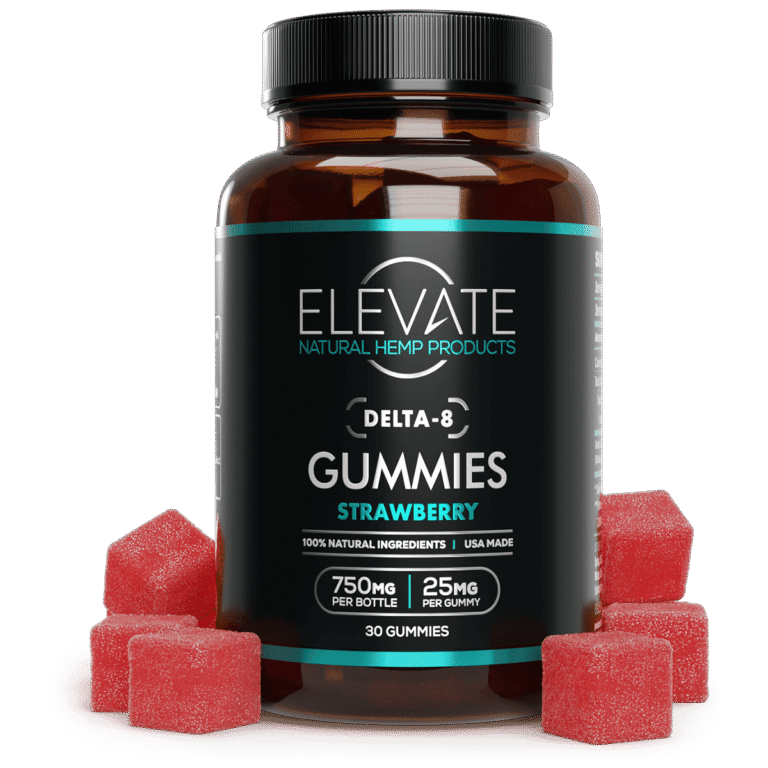
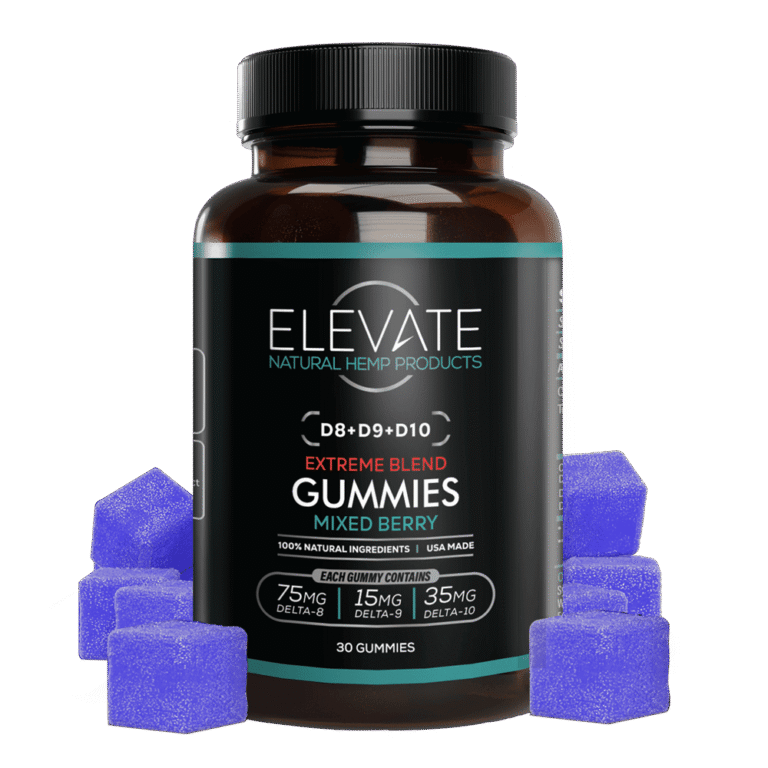
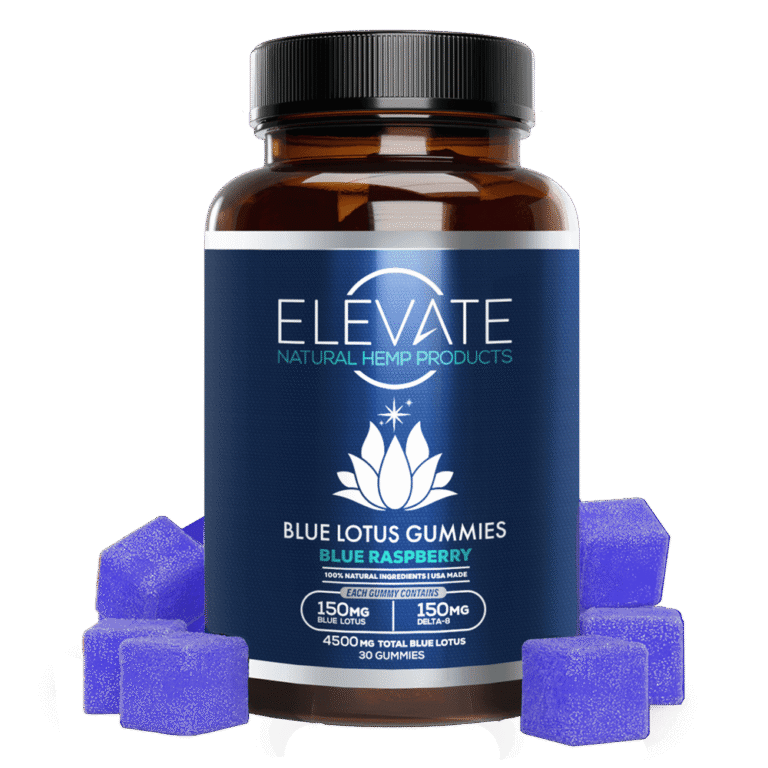
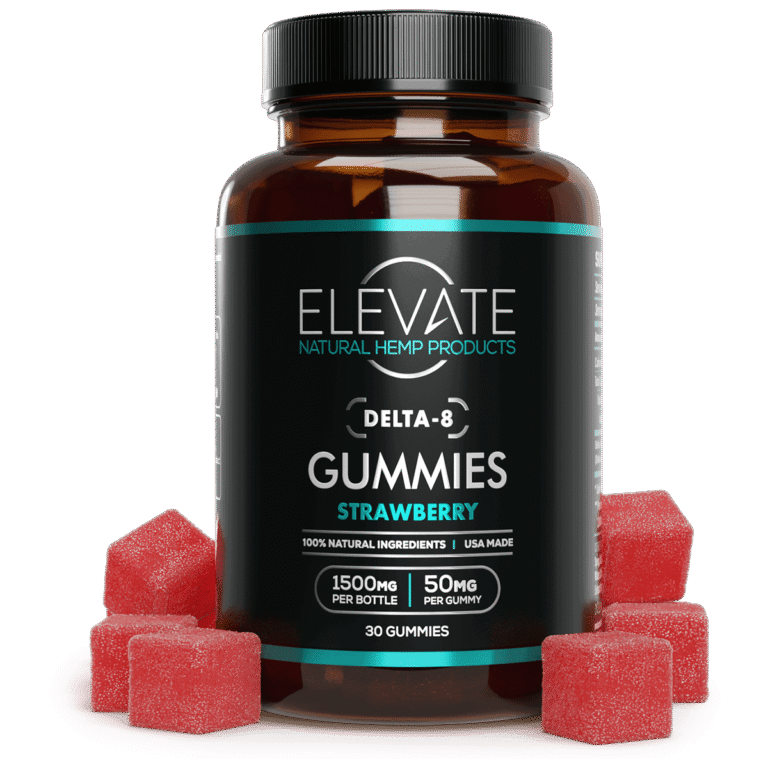
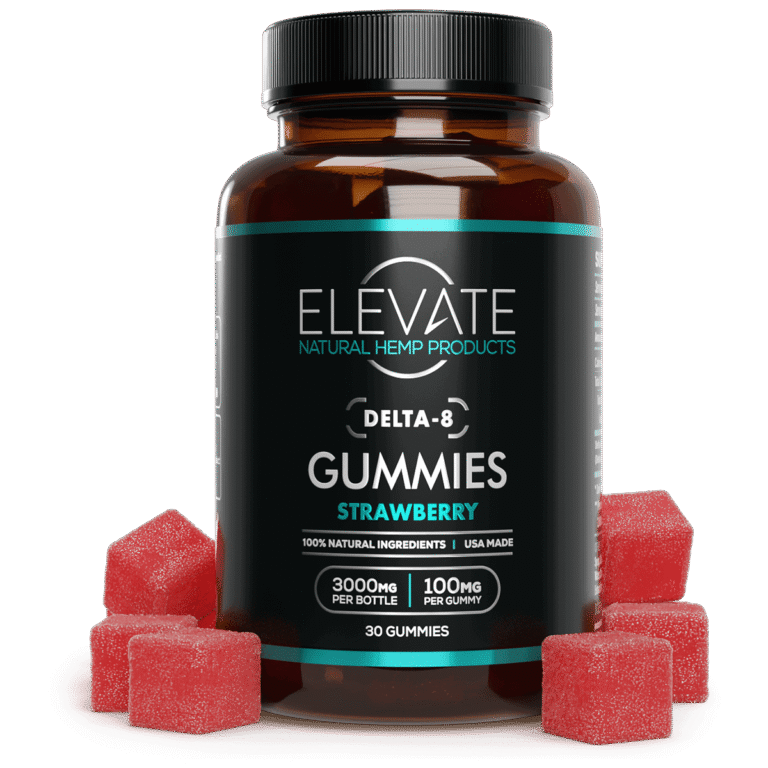

Compare Our Buy Delta 8 in Rhode Island
Lab-tested Delta 8 products available to Rhode Island shoppers — compared by type, potency, and price.
| Product | Potency | Type | Best For |
|---|---|---|---|
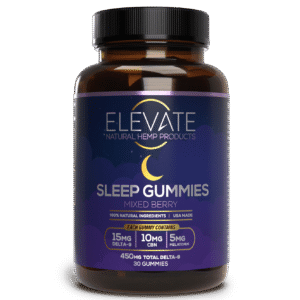
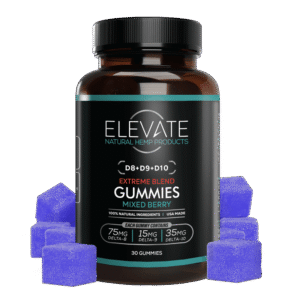
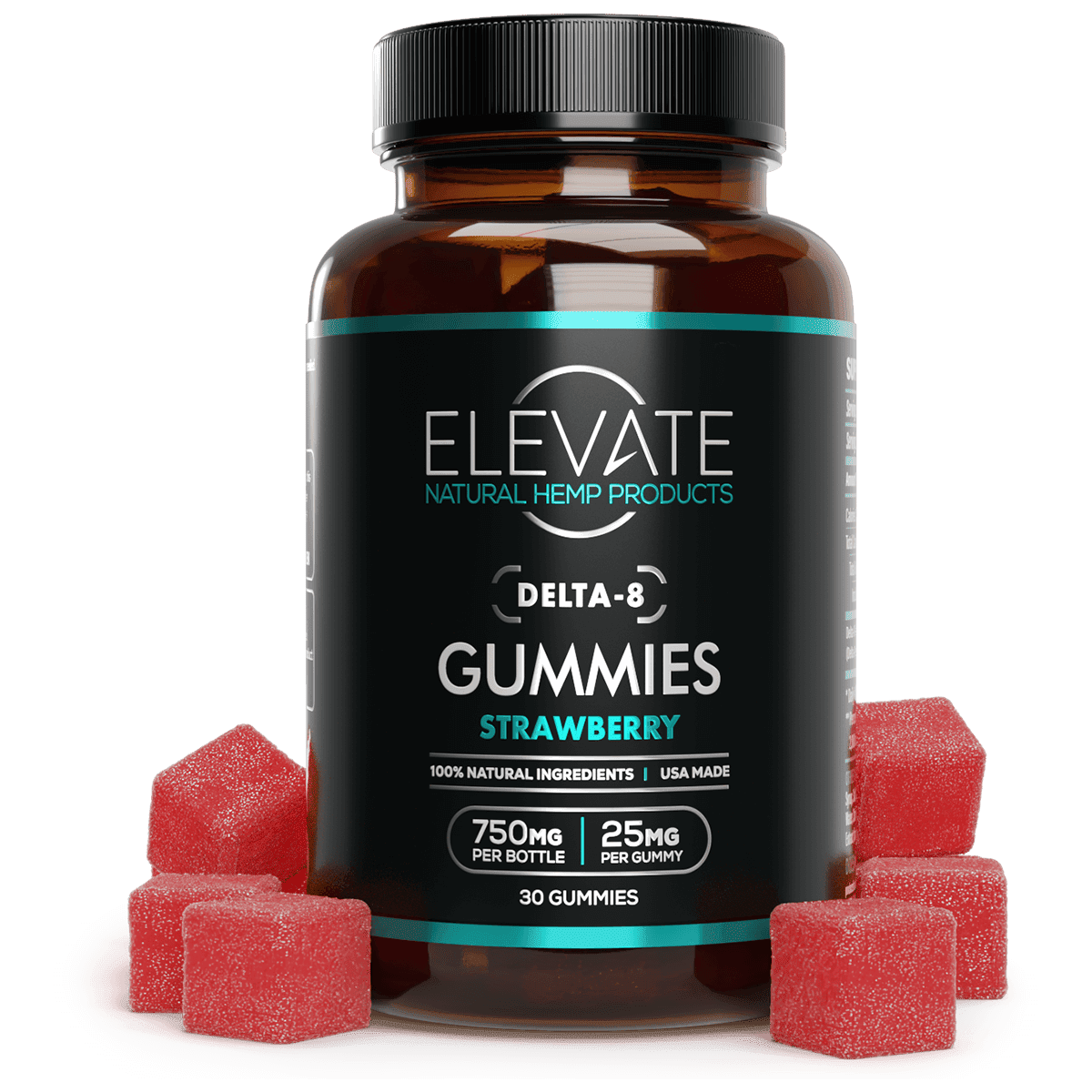 | Hybrid | Gummies | |
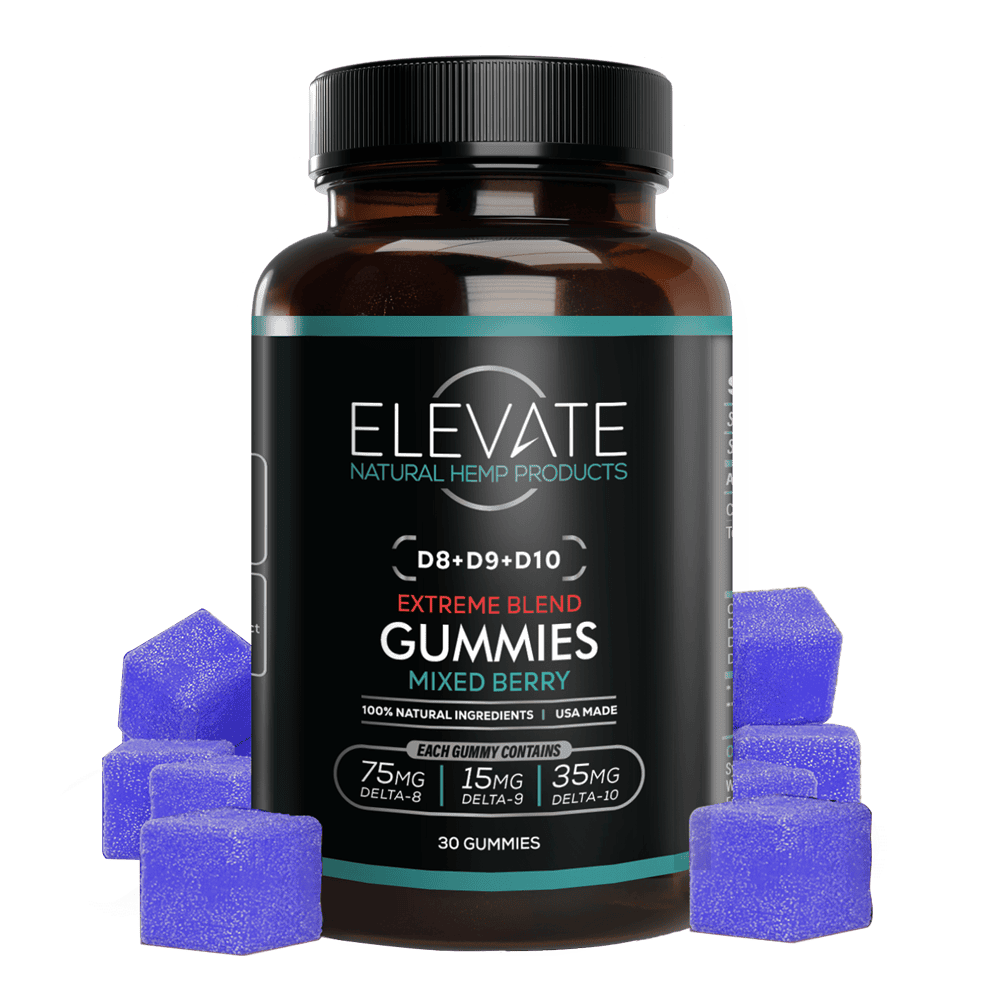 | Hybrid | Gummies | |
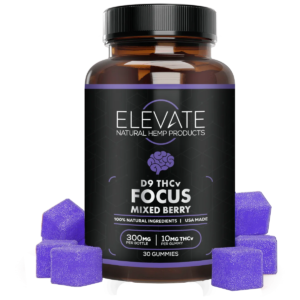
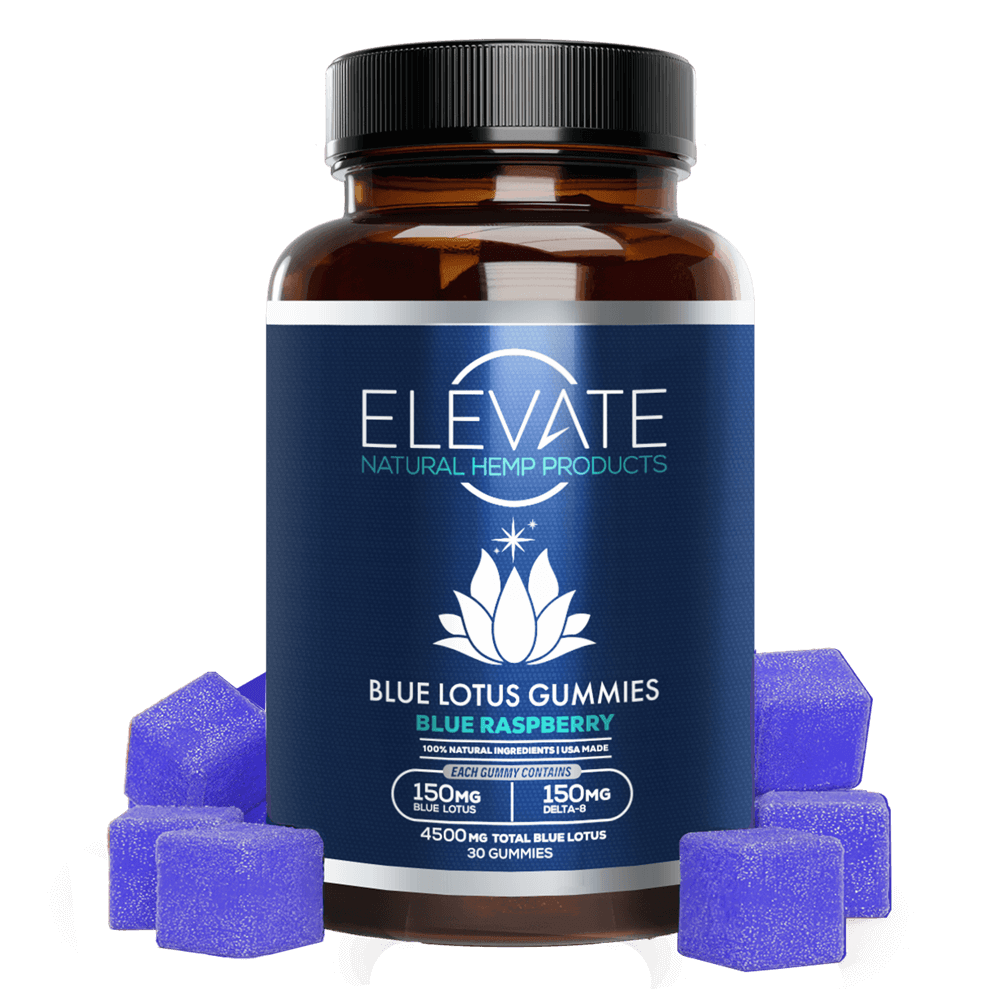 | Hemp-derived Delta 8 | Gummies | |
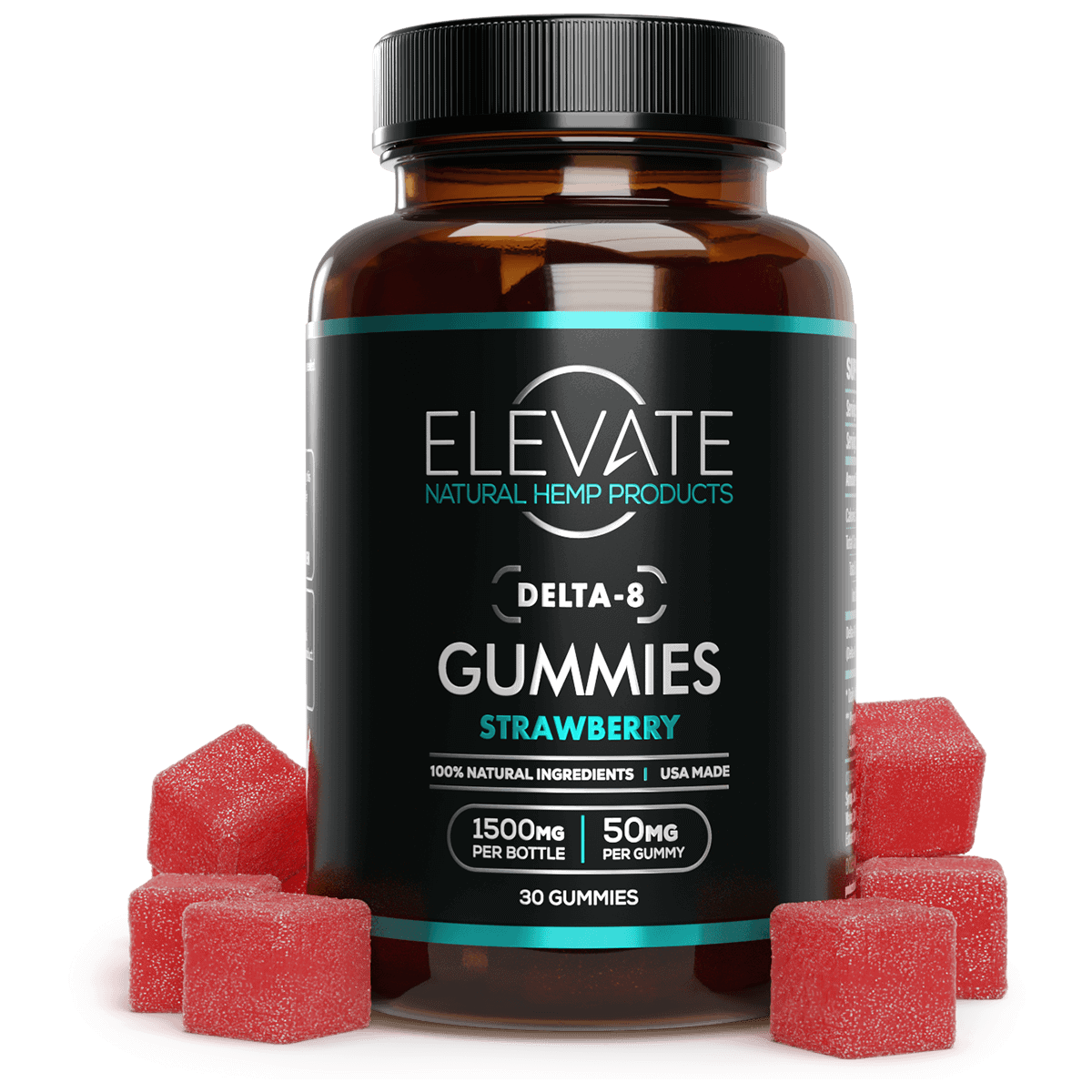 | 1500 mg | Gummies |
If you've been searching for ways to buy delta 8 in Rhode Island, this article delivers the straight answer along with the legal context, enforcement risks, and compliant alternatives you actually need to know about in 2026.
Key Takeaways
- Delta 8 THC is illegal in Rhode Island.Since September 22, 2021, Rhode Island's hemp regulations have prohibited delta 8 products. The ban covers in-store sale, online purchase, and shipping from out-of-state vendors into RI.
- Adult-use marijuana (delta 9 THC) is legalfor adults 21+ through licensed recreational dispensaries, and hemp derived delta 9 THC can contain up to 0.3% THC under federal law.
- CBD products are widely available in Rhode Islandwhen derived from compliant industrial hemp and tested for potency and contaminants.
- Elevate does not sell delta 8 into Rhode Islandbut offers legal, lab-tested alternatives like hemp derived CBD and Farm Bill–compliant products where state law allows.
- Both Rhode Island regulations and upcoming federal changes(H.R. 5371, effective November 12, 2026) are tightening rules on intoxicating hemp products and synthetic cannabinoids.
Can You Buy Delta 8 in Rhode Island Right Now?
No. You cannot legally buy delta 8 in Rhode Island in 2026. Despite older articles on the web suggesting that hemp delta 8 is allowed, Rhode Island law treats delta 8 THC as an intoxicating THC isomer subject to strict potency caps and a complete ban on synthetic conversion from hemp derived CBD.
- There are no reputable local stores selling delta 8 THC in Rhode Island. Licensed cannabis dispensaries in Providence, Warwick, Cranston, and other cities do not carry standalone delta 8 products.
- Both retail sales and shipping delta 8 products into Rhode Island are illegal. Ordering from an out-of-state website does not override Rhode Island law.
- Delta 8 THC products cannot be purchased online in Rhode Island because the state's jurisdiction applies where the product is possessed and consumed.
- A medical marijuana card does not allow for the purchase of delta 8 in Rhode Island either.
The rest of this page walks you through current law, practical risks, and safer legal alternatives like CBD and compliant delta 9 options.
Rhode Island Law: How the Hemp Growth Act and Cannabis Act Treat Delta 8
TheHemp Growth Act, originally enacted in 2016 and amended significantly in 2019 and again in 2025, defines industrial hemp as any part of the cannabis plant with a delta 9 THC concentration not exceeding 0.3% on a dry weight basis. Rhode Island's Hemp Growth Act defines hemp as under 0.3% THC, but the regulatory story doesn't end there.
TheRhode Island Cannabis Actof 2022 legalized adult-use recreational marijuana for adults 21 and older, and established a stricter regulatory framework. By 2025, hemp oversight was folded into the Rhode Island Cannabis Control Commission (CCC), which now regulates hemp products alongside cannabis.
CCC hemp regulations adopted in 2025 introduced several rules that effectively make delta 8 illegal in Rhode Island:
- All THC isomers-including delta 8, delta 9, delta 10, and other cannabinoids and derivatives-count toward "total THC."
- Total THC in hemp consumables is capped at 1 mg per serving and 5 mg per package, or 0.3% dry weight, whichever is stricter.
- Synthetically derived cannabinoids are not permitted for sale in Rhode Island. The regulations specifically prohibit converting hemp derived CBD into delta 8, delta 9, or other THC isomers without a written variance, which no consumer product retailer holds.
Because typical commercial delta 8 gummies and vapes exceed these caps and rely on CBD conversion, they violate Rhode Island law even if they meet the federal 0.3% delta 9 THC limit. Under Rhode Island law, delta 8 products are treated closer to controlled THC items than to standard hemp CBD, classified effectively as a Schedule I drug.
Current Legal Status of Delta 8 vs Delta 9 and CBD in Rhode Island
Understanding the legal status of each cannabinoid category in Rhode Island helps clarify what you can and cannot buy.
- Delta 8 THC:Delta 8 is a hemp derived cannabinoid with a different regulatory framework than traditional cannabis. It is effectively prohibited to manufacture, distribute, or sell in Rhode Island due to total THC caps and the ban on synthetic conversion. State officials and the CCC have identified intoxicating hemp, including delta 8 drinks and edibles, as an enforcement priority. Delta 8 THC is less concentrated than delta 9 THC, but this distinction does not grant it legal status in RI. Rhode Island's delta 8 laws are more restrictive than federal interpretations.
- Delta 9 THC (marijuana derived):Adults must be 21 years old to purchase intoxicating cannabis products in Rhode Island. Delta 9 THC is legal in Rhode Island for medical use and recreational purchase through licensed dispensaries, with possession limits of 1 ounce of flower in public and 10 ounces at home. Cultivation is capped at 3 mature and 3 immature hemp plants per dwelling. Medical marijuana patients may hold up to 2.5 ounces under separate Department of Health rules.
- Hemp derived delta 9 THC:Hemp derived delta 9 THC is legal in Rhode Island and under federal law, provided the plant material contains no more than 0.3% delta 9 THC by dry weight. However, Rhode Island overlays stricter serving caps on total THC, making strong hemp delta 9 edibles harder to sell in-state. Select Spectrum products, for example, contain CBD and delta 9 THC and must meet these thresholds. Any hemp derived delta 9 product shipped into Rhode Island must respect both the 0.3% rule and CCC total THC limits.
- CBD:Non-intoxicating cannabidiol products-oils, gummies, topicals-remain legal in Rhode Island when derived from compliant hemp. CBD products are widely available in Rhode Island. Regulated products in Rhode Island require cannabinoid information and child-resistant packaging. Reputable retailers in Rhode Island must meet testing and labeling requirements. You can buy CBD from brands like Elevate that focus on organic, third-party-lab-tested formulations and ship to Rhode Island adults.
Buying Delta 8 in Rhode Island: Practical Risks and Enforcement Reality
Some smoke shops, gas stations, or online vendors may still advertise delta 8 products to Rhode Island addresses, but these sales operate outside CCC licensing and face regulatory action.
- Products sold by unlicensed retailers may be confiscated and destroyed at the seller's expense during enforcement actions.
- Lack of state oversight increases the chance of contamination-residual solvents, heavy metals, inaccurate potency labeling-because unregulated vendors bypass ISO-accredited lab testing that licensed producers must use.
- Purchasing or possessing clearly non-compliant intoxicating hemp could expose consumers to legal scrutiny under existing controlled substance and cannabis statutes, even though enforcement has focused more on businesses than individual end-users.
- Ordering delta 8 online from out-of-state does not protect you. Carriers and recipients are physically located within Rhode Island's jurisdiction, and the product's legal status is determined by where it is possessed, not where the website is hosted.
If you want to stay completely compliant with Rhode Island law, avoid delta 8 products altogether. State-regulated cannabis and legal hemp CBD offer tested, safer alternatives.
Legal Alternatives: How Rhode Island Adults Can Safely Buy CBD and Other Hemp Products
Many visitors searching to buy delta 8 in Rhode Island are actually looking for mild relaxation, sleep support, or relief from nausea, appetite issues, or stress-not a specific molecule. These completely different effects can often be addressed through legal channels.
Legal options under Rhode Island law include:
- Hemp CBD oils and tinctures (full-spectrum, broad-spectrum, and CBD isolate) for daily wellness, joint support, and sleep.
- CBD gummies and softgels with non-intoxicating low doses, clearly labeled with cannabinoid content per serving.
- Topical CBD creams and balms for localized body discomfort that do not produce intoxication or affect the brain in the way THC does.
- Licensed recreational dispensaries where adults 21+ can shop for regulated delta 9 THC concentrates, food products, and flower.
Elevate focuses on organically grown, Farm Bill–compliant hemp products with dispensary-level third-party lab testing for potency, residual solvents, and heavy metals. Transparent Certificates of Analysis are available on each product page so Rhode Island customers can verify exactly what they're buying before they purchase.
Shopping tips for Rhode Island consumers:
- Always verify milligrams of total THC per serving and per package before you buy products.
- Prefer brands with published lab reports from ISO-accredited labs and a wide selection of formulations.
- Look for clear age-gating (21+), child-resistant packaging, and responsible-use messaging as signs of a reputable company that verifies compliance and works to protect its customers.
Looking Ahead: Pending Federal Changes and the Future of Delta 8 in Rhode Island
Federal law is about to catch up with Rhode Island. H.R. 5371 §781, scheduled to take effect on November 12, 2026, reshapes the definition of hemp at the federal level.
- The new federal hemp definition will exclude synthetic cannabinoids, including delta 8 produced by chemical conversion of hemp derived CBD-making the manufacture and sale of these products a federal concern, not just a state one.
- Total THC in hemp products will be capped at extremely low levels per container, far below typical delta 8 or strong hemp delta 9 gummies. Many imported products that relied on the old Farm Bill definition will lose federal protection.
- Rhode Island's current approach-counting all isomers toward total THC and forbidding synthetic CBD-to-THC conversion-already anticipates this federal tightening. The popularity of delta 8 nationally will not change these local restrictions.
- Proposed state legislation like H-8414 would further ban artificially derived cannabinoids in beverages, reinforcing that delta 8's future in RI remains prohibited.
If you hope to see change, follow CCC public meetings, contact your Rhode Island state representatives, and rely on credible legal resources rather than waiting for outdated blog posts to update. Elevate remains committed to staying compliant with both Rhode Island law and evolving federal changes, updating its product offerings and educational content on its website as regulations shift.
Legality Is Delta 8 Legal in Rhode Island? (2026 Guide for Hemp Consumers)
From Our Blog
Is Delta 8 Legal in Louisiana? (2026 Expert Legal Guide by Elevate)
Louisiana's hemp laws have changed rapidly over the past few years, leaving many consumers wonder...
Read MoreIs Delta 8 Legal in Maine? (2026 Guide by Elevate)
Maine adults looking for hemp derived delta 8 options have reason to feel confident in 2026. The ...
Read MoreIs Delta 8 Legal in Iowa? 2026 Guide to Iowa Hemp & THC Laws
If you've been searching for a clear answer to the question "is delta 8 legal in Iowa," here it i...
Read MoreFrequently Asked Questions
Can I drive to another state, buy delta 8, and bring it back to Rhode Island?
While neighboring states like Massachusetts or Connecticut may allow delta 8 to be sold readily, bringing those products back into Rhode Island can still violate Rhode Island law. The state does not distinguish based on where the product was purchased. Crossing state lines with cannabis or tetrahydrocannabinol products-whether on paper or in practice-raises additional legal complexities. Risk-averse readers should avoid transporting delta 8 into RI altogether.
Does delta 8 show up on drug tests in Rhode Island workplaces?
Yes. Most standard workplace drugs screens test for THC metabolites rather than a specific isomer, so delta 8 consumption can trigger a positive result identical to delta 9. Rhode Island's legalization of medical and recreational marijuana does not automatically protect employees from employer drug policies, especially in safety-sensitive roles. Review your employer's written security and drug policy before using any intoxicating cannabinoid. A respond ray id from an online verification successful security service or security verification tool on a retailer's site-intended to block malicious bots and confirm you aren't a bot-has nothing to do with workplace testing and should not be confused with legal protection.
Is it safer to buy delta 8 online than from a local Rhode Island store?
No. From a legal standpoint, ordering delta 8 online does not make it legal in Rhode Island. Unregulated online vendors may mislabel potency, omit lab testing, or ignore Rhode Island's total THC limits, increasing both legal and health risks. The safest alternative for Rhode Island residents is compliant CBD or state-regulated cannabis from a licensed shop.
How old do I need to be to buy CBD or hemp products in Rhode Island?
Most reputable CBD retailers, including Elevate, require customers to be at least 18 or 21 depending on product type. Intoxicating products-including marijuana from dispensaries and any hemp items with measurable THC-are limited to adults 21 and older under Rhode Island's adult-use cannabis framework. Always comply with ID checks both online and in-store.
How can I make sure a CBD or hemp product is legal and safe in Rhode Island?
Look for clear labeling of CBD, delta 9 THC, other cannabinoids, and total THC per serving and per package. Demand up-to-date third-party lab reports verifying cannabinoid properties and contaminant testing. Avoid branding that makes unsubstantiated medical or health claims or uses packaging designed to appeal to children. Elevate provides batch-specific lab results, Farm Bill–compliant formulations, and a 30-day money-back guarantee so Rhode Island customers can buy with confidence. If a product lacks test results or hides its oil or cannabinoid content, treat that as a red flag.