Buy THCa Flower Online | Premium Indoor Hemp Buds – Lab Tested & Legal

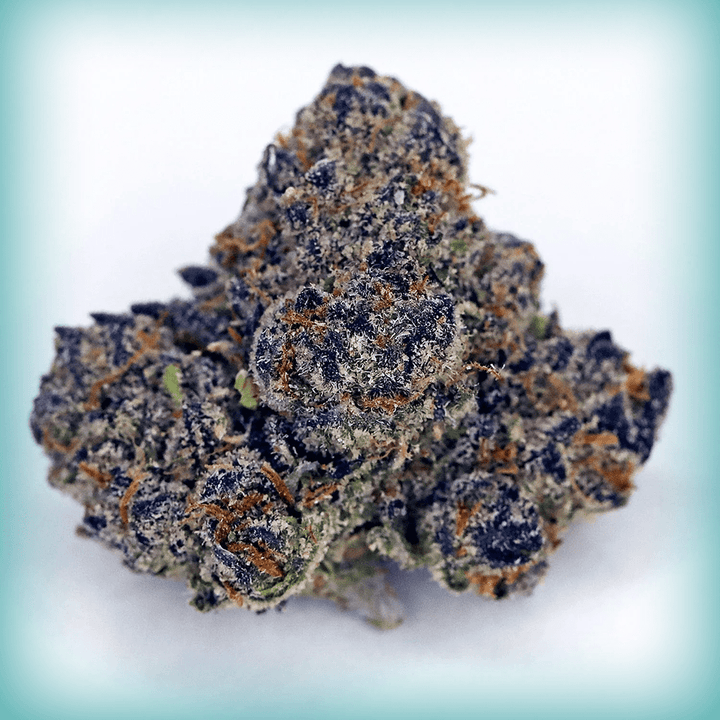
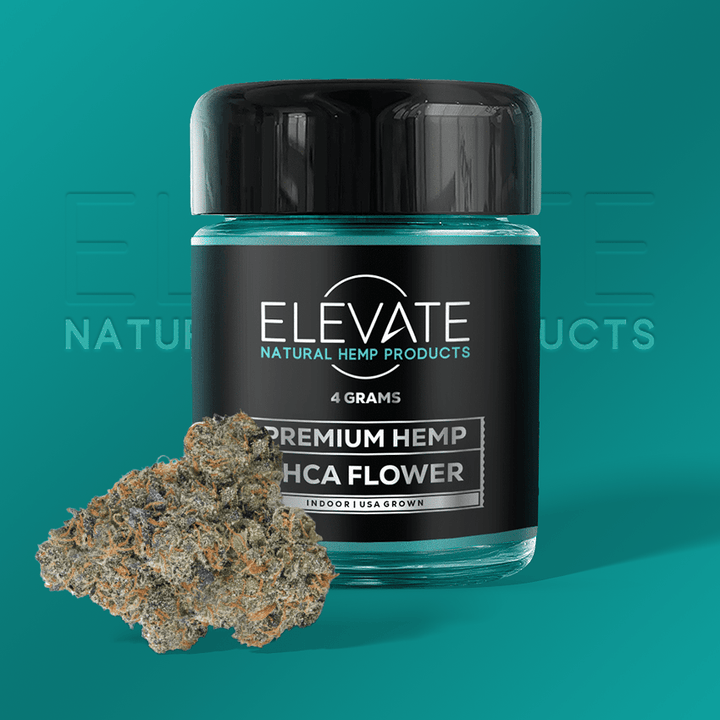
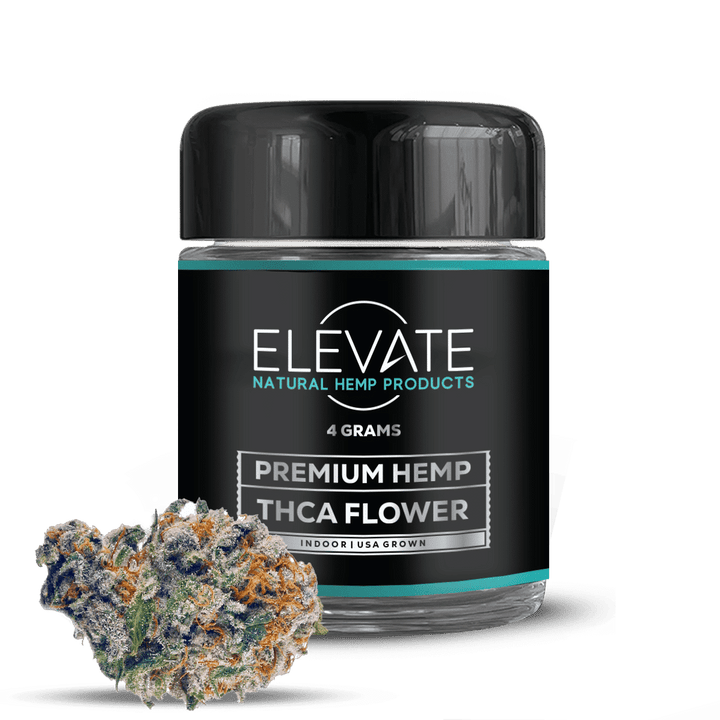
THCa flower has quickly become one of the most discussed hemp products available today. With its rising popularity, consumers want clarity about legality, potency, effects, and how THCa and THC relate. This article provides a complete, research-driven examination of THCa flower, why it is considered legal hemp under the 2018 Farm Bill, what makes premium THCa flower different, and how to find the best THCa flower online safely. If you have been searching for reliable information before you buy THCa or evaluate THCa products, this guide gives you everything you need in one place.
Filters

$
to
$
10 products
Sale priceFrom $47.25 Regular price$52.48
Sale priceFrom $57.75 Regular price$94.45
Sale priceFrom $47.25 Regular price$52.48
Sale priceFrom $57.75 Regular price$94.45

Shop All Products

What is THCA Flower?

What is THCA Flower?

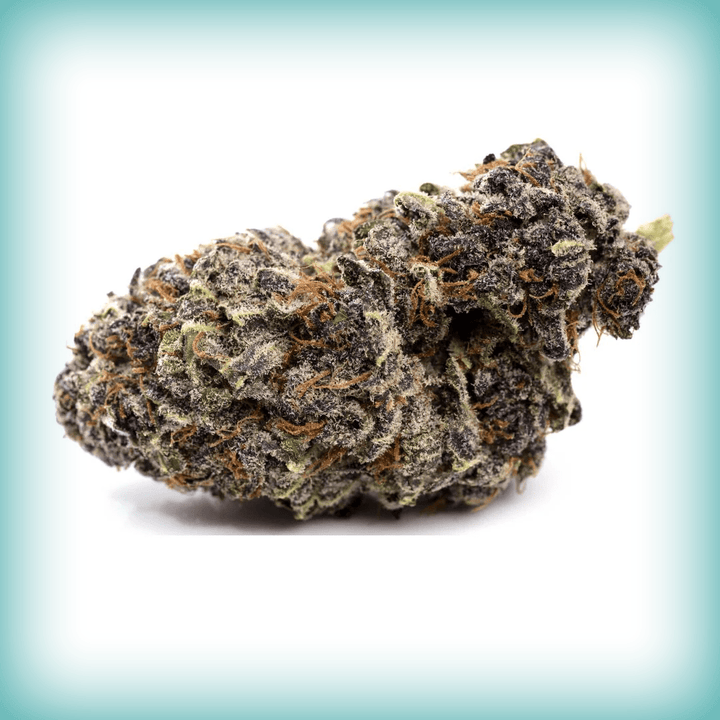
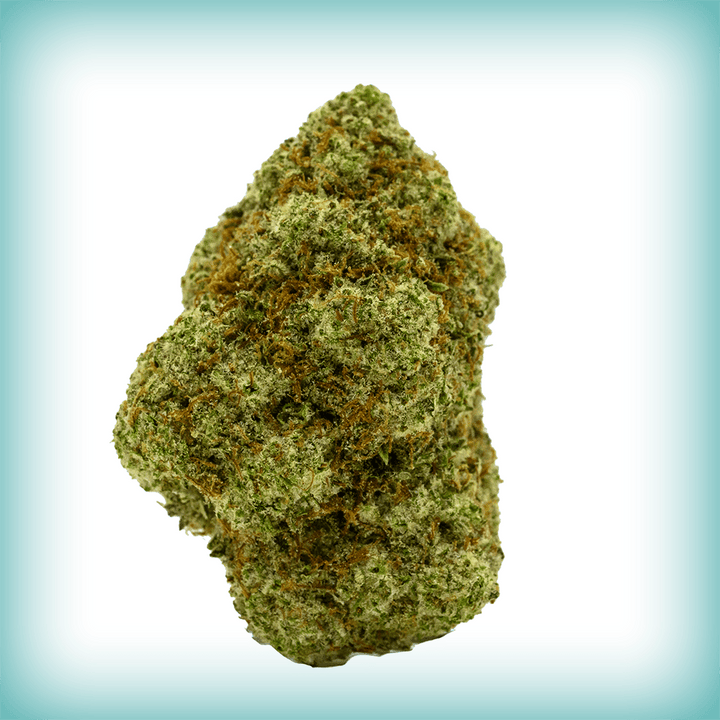
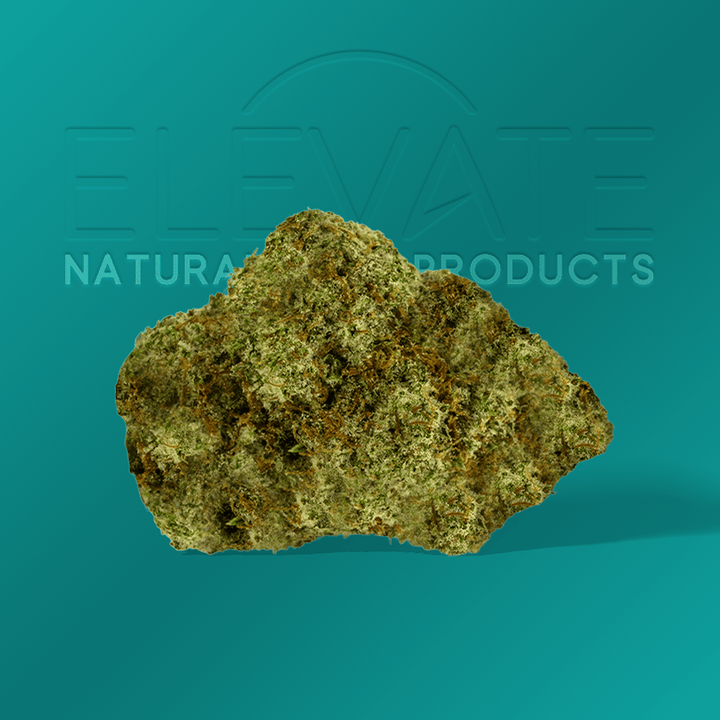
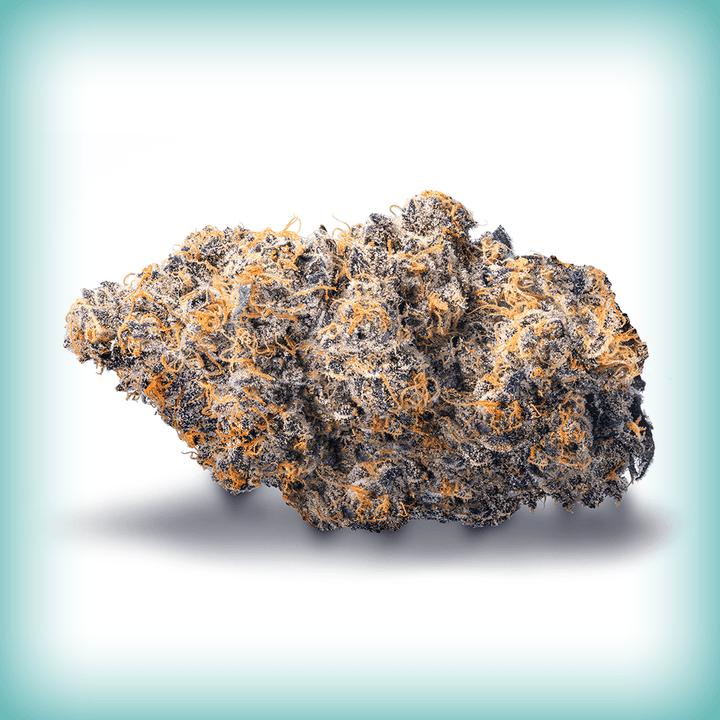
THCa flower is a specific type of hemp flower containing elevated levels of tetrahydrocannabinolic acid (THCa), a naturally occurring cannabinoid found in raw cannabis. Unlike THC, THCa is non-psychoactive until heated, meaning it does not cause psychoactive effects in its raw state. When THCa flower is consumed through smoking or vaporization, heat is applied and a chemical reaction known as decarboxylation converts THCa into Delta-9 THC. This chemical relationship explains why THCa is classified differently from THC on a dry weight basis and why THCa flower is considered hemp under federal standards.

In raw cannabis or raw hemp flower, THCa exists as a precursor cannabinoid. The 2018 Farm Bill legalized hemp by defining it as cannabis with less than 0.3 percent Delta-9 THC concentration on a dry weight basis. The law does not restrict THCa levels before heating. As long as the total THC complies with federal testing standards and remains below the threshold, THCa flower is considered federally legal hemp, even though it converts into Delta-9 THC when heated. This distinction is essential to understanding why THCa flower offers a unique legal pathway within the cannabinoid market.

Is THCa Flower Legal Under Federal Law?

Is THCa Flower Legal Under Federal Law?

The legality of THCa flower is rooted directly in the language of the 2018 Farm Bill. The bill defines hemp as cannabis containing less than 0.3 percent Delta-9 THC on a dry weight basis. Because THCa is not counted as Delta-9 until heat is applied, THCa flower can contain higher levels of THCa and still remain federally legal. This creates a legal product category where THCa hemp flower can be grown, distributed, and sold across the United States so long as Delta-9 THC remains compliant before activation.

The legal status of THCa flower is sometimes misunderstood. Some consumers assume THCa and THC are treated the same, but federal regulations clearly distinguish between them. Testing for hemp compliance is conducted prior to consumption, meaning THCa is measured in its raw state. Many brands emphasize compliance documentation, total THC calculations, and Certificates of Analysis (COAs) to demonstrate that THCa flower meets federal standards. Although federally legal, some states have introduced their own restrictions, so consumers should review local legality before purchasing.

Read More
How Does THCa Convert Into THC?

How Does THCa Convert Into THC?

THCa converts into Delta-9 THC through decarboxylation, a process triggered when heat is applied. When THCa is heated, it loses a carboxyl group and becomes Delta-9 THC, the psychoactive form of THC associated with traditional cannabis. This conversion explains how THCa flower can be consumed like cannabis flower even though, under federal testing, it qualifies as hemp. The transformation also explains why THC levels and total THC must be measured on a dry weight basis for compliance.

Understanding decarboxylation helps clarify consumer expectations. THCa flower offers a non-psychoactive profile until heat is applied, after which psychoactive effects may occur. Consumers sensitive to THC should be aware that THCa converts into Delta-9 THC when heated, which may produce stronger effects depending on potency, strain composition, and method of consumption. The cannabinoid structure of THCa flower is carefully measured to ensure it remains compliant with federal law before activation.

What Is the Difference Between THCa and THC?

What Is the Difference Between THCa and THC?

The primary difference between THCa and THC is their chemical state. THCa is the acidic precursor to THC, present naturally in raw cannabis and hemp. THC, including Delta-9 THC, is the psychoactive form. In THCa vs THC comparisons, the distinction is clear: THCa does not produce psychoactive effects until converted into THC through heat. This characteristic is central to the legal status of THCa flower under the Farm Bill.

Once THCa is heated, the compound converts into Delta-9 THC. This conversion explains why THCa flower can mimic the experience of cannabis flower even though it originates from hemp. THCa products must be evaluated for total THC potential and Delta-9 THC levels to ensure they remain compliant. Consumers should review COAs and understand how THCa and THC relate, especially if they are sensitive to THC or need to monitor psychoactive effects.

What Are the Effects of THCa Flower?

What Are the Effects of THCa Flower?

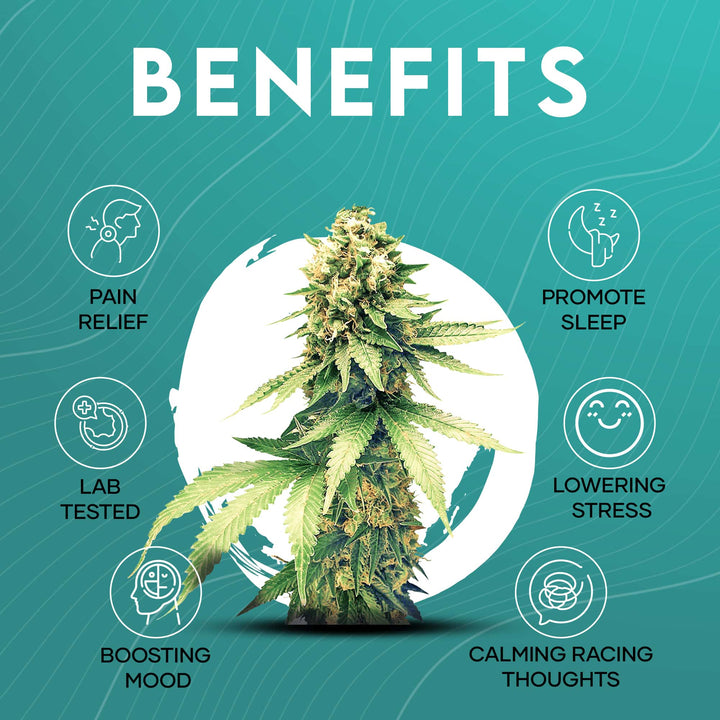
The effects of THCa flower depend on strain, potency, cannabinoid structure, and the amount of THCa that converts into Delta-9 THC during use. When heat is applied, THCa flower may deliver psychoactive effects similar to those associated with cannabis flower. Users frequently describe results related to relaxation, mood elevation, sensory enhancement, or physical ease. However, because THCa is non-psychoactive in raw form, effects only appear after conversion.

Potency plays a major role in psychoactive effects. Premium THCa flower strains often contain higher THCa percentages, meaning more Delta-9 THC is produced during consumption. Strain genetics, terpene structure, and cannabinoid ratios further influence the experience. Consumers should evaluate potency carefully, especially when new to THCa products or comparing them against THC flower or other cannabis and hemp products.

How Do You Find the Best THCa Flower Online?

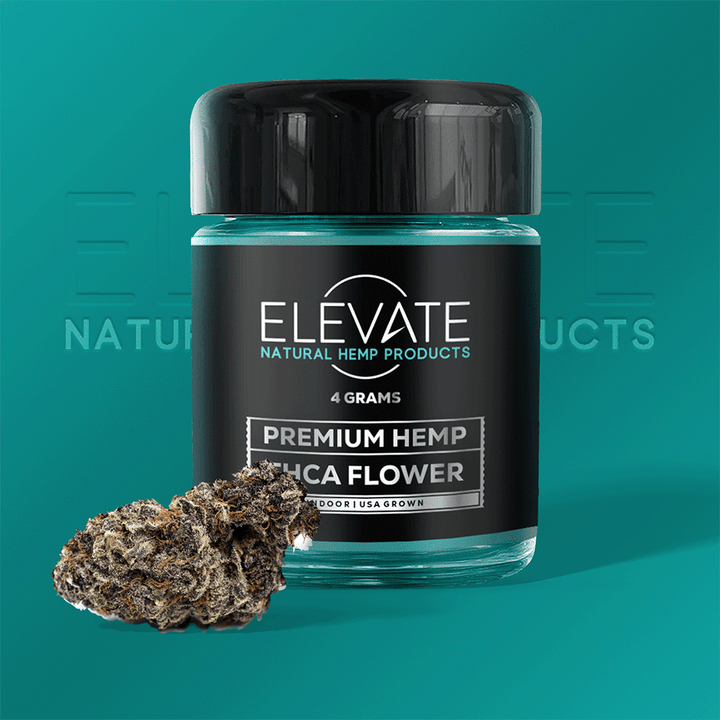
Consumers searching for the best THCa flower online should focus on three indicators: potency, legality, and cultivation quality. Potent THCa flower offers stronger activation once heated. Legal THCa must comply with the Farm Bill and contain less than 0.3 percent Delta-9 THC prior to conversion. Quality THCa flower should be grown under controlled conditions, typically indoors, to ensure dense structure and consistent cannabinoid profiles.

Reputable vendors provide third-party testing that verifies total THC, Delta-9 THC, THCa content, and terpene composition. Indoor-grown flower is often considered premium THCa flower because it offers better consistency, terpene expression, and overall appearance. Brands like Black Tie CBD helped pioneer the market, and newer farms continue to refine THCa flower through improved cultivation practices. When you buy THCa online, selecting verified vendors ensures safety, potency, and compliance.

Why Potency and Strain Selection Matter

Why Potency and Strain Selection Matter

Potency determines how much THCa converts into Delta-9 THC. High-potency strains produce stronger experiences after decarboxylation, while lower-potency strains offer milder effects. Consumers should check strain details carefully, including cannabinoid percentages, terpene structure, and total THC measurements. Indoor-grown flower often delivers the most consistent potency and cannabinoid results.

Strain variety also influences the experience. Sativa-leaning flower strains may produce energizing effects, while indica-leaning strains may feel more relaxing. Hybrid strains offer a balance. Evaluating strain characteristics helps consumers choose THCa flower that aligns with their preferences, tolerance, and intended use. For users sensitive to THC, strains with moderate THCa levels may be more appropriate.

How the 2018 Farm Bill Defines and Legalizes Hemp

The 2018 Farm Bill legalized hemp by defining it as cannabis containing less than 0.3 percent Delta-9 THC on a dry weight basis. This legal framework created the modern market for THCa hemp flower, cannabinoids, and hemp-derived products. The bill does not restrict THCa itself, nor does it classify THCa as THC until it is converted into Delta-9 through heat.

The Farm Bill legalized hemp by permitting cultivation, processing, and distribution across the United States. THCa flower remains federally legal when compliant with these standards. Some states, however, have refined their own hemp rules, so consumers should verify that THCa flower is permitted where they live. Still, the Farm Bill remains the primary foundation for federal legality.

What Should You Look for in THCa Lab Reports?

What Should You Look for in THCa Lab Reports?

Lab reports, or Certificates of Analysis, are essential when evaluating THCa flower. A proper COA includes Delta-9 THC concentration, total THC, THCa percentage, cannabinoid structure, and safety screening. This ensures the flower is compliant with hemp standards and safe for consumption. Testing methods often include total THC calculations, recognizing that THCa converts into Delta-9 THC when heated.

Consumers should look for transparency in testing. Reports should clearly show compliance with the 0.3 percent Delta-9 THC rule. Because THCa is measured separately, a high THCa percentage is normal and expected for premium THCa flower. Reviewing COAs allows buyers to make informed decisions when selecting strains, comparing potency, and assessing overall quality.

Summary: Key Points to Remember


  • THCa flower is hemp when Delta-9 THC remains below 0.3 percent on a dry weight basis.

  • THCa is non-psychoactive until heat is applied, converting into Delta-9 THC.

  • Decarboxylation explains how THCa and THC relate and why THCa flower is legal.

  • Potency, strain selection, and lab reports determine quality and effects.

  • The 2018 Farm Bill legalized hemp and allowed compliant THCa products to enter the market.

  • Indoor-grown THCa flower tends to provide the most consistent cannabinoid results.

  • Always review Certificates of Analysis to verify safety, potency, and compliance.

  • THCa flower online is widely available when purchased from reputable vendors.

  • THCa vs THC comparisons help consumers understand legality and psychoactive effects.

FAQ

Yes. THCa flower is federally legal when it meets the 2018 Farm Bill requirements and contains less than 0.3 percent Delta-9 THC on a dry weight basis.
THCa itself is non-psychoactive. Psychoactive effects occur only when THCa is heated and converts into Delta-9 THC.
No. THCa is the acidic precursor to THC. Heating THCa transforms it into Delta-9 THC.
Yes. THCa flower online remains one of the fastest-growing hemp categories, with many vendors offering high-quality indoor-grown THCa flower strains.
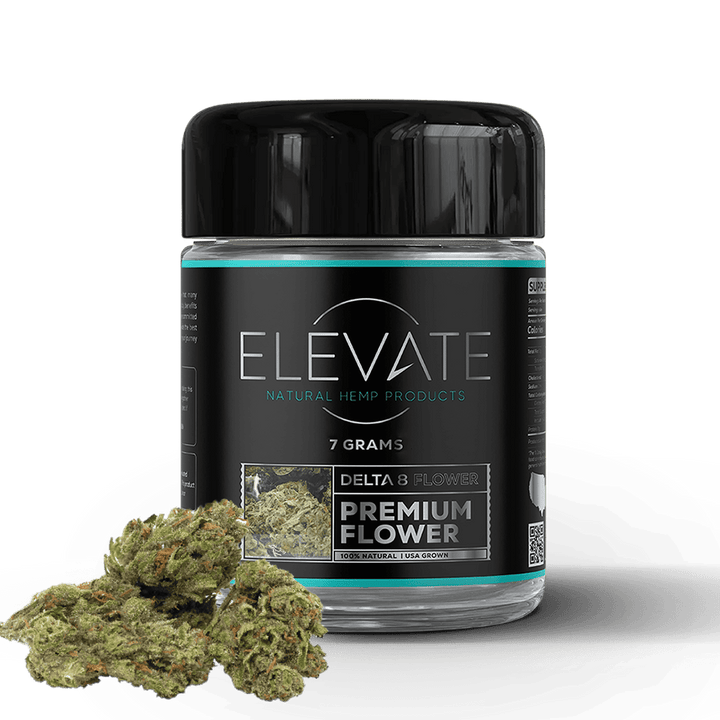
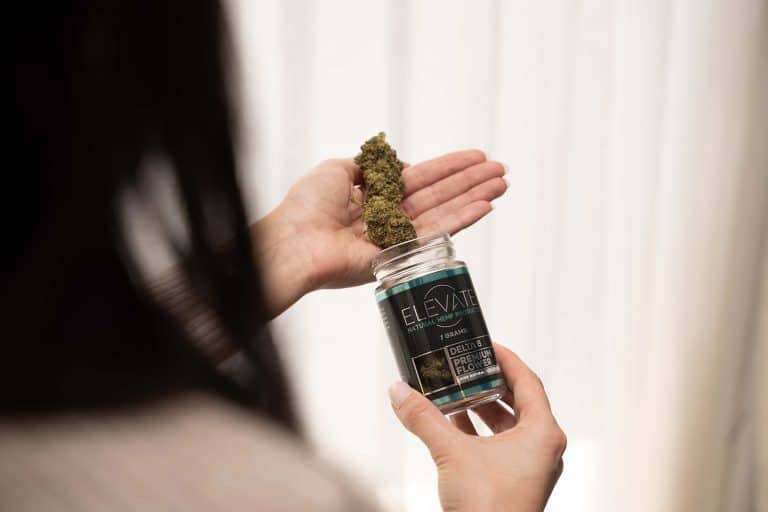
A person holding cannabis flower above a jar labeled 'Elevate Delta 8 THC Flower'.