THCV Gummies
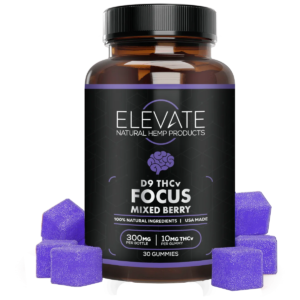
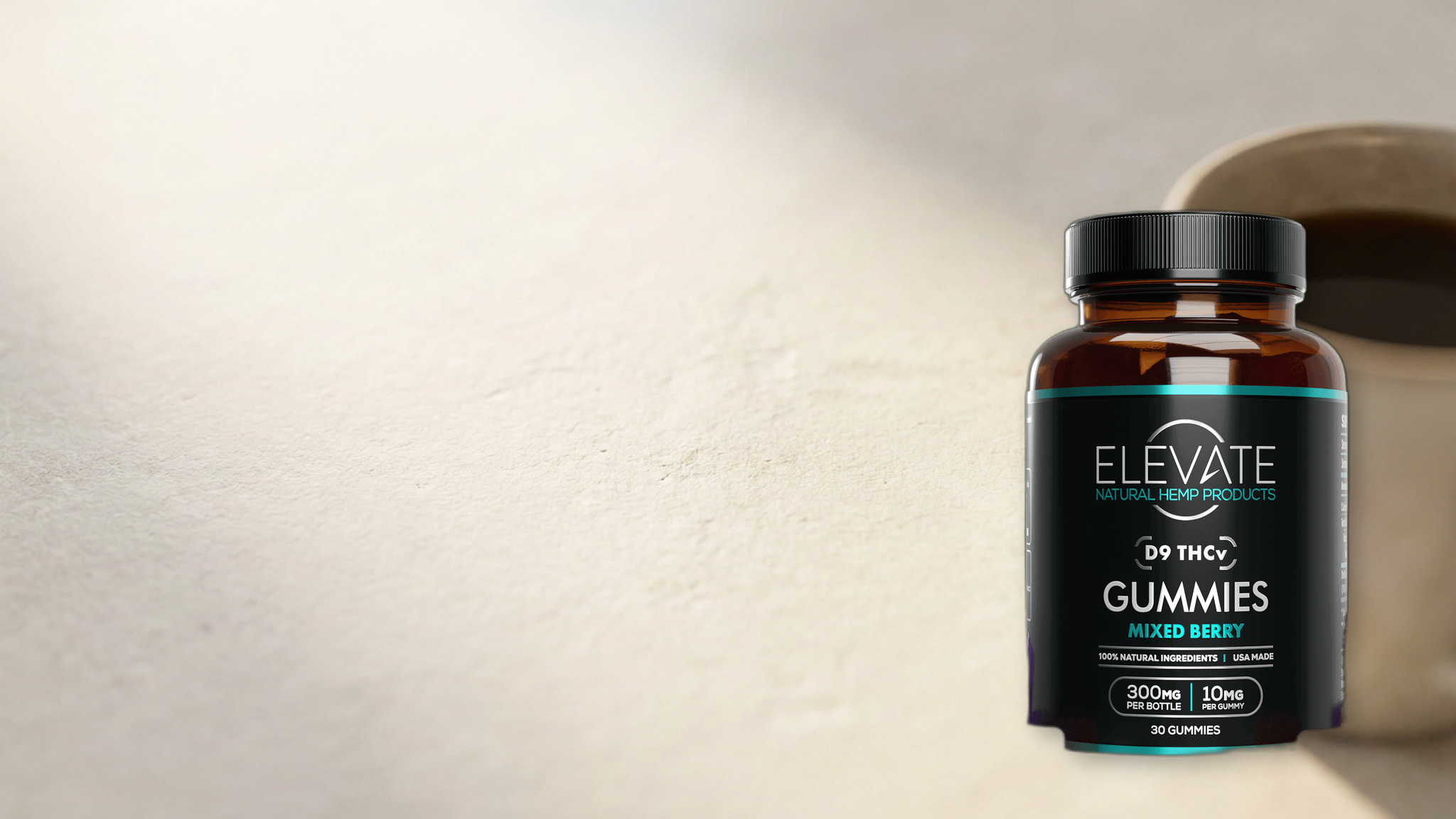
THCV gummies are hemp-derived edibles infused with tetrahydrocannabivarin, a cannabinoid known for dose-dependent effects - clear, energetic focus at lower doses rather than classic THC sedation. Elevate formulates its THCV line for daytime energy and appetite support, with third-party testing on every batch.
THCV gummies are hemp-derived edibles infused with tetrahydrocannabivarin, a cannabinoid known for dose-dependent effects - clear, energetic focus at lower doses rather than classic THC sedation. Elevate formulates its THCV line for daytime energy and appetite support, with third-party testing on every batch.
Adult use only 21+
Easter Sale
Any one-time purchase
When you subscribe*

Potential Benefits of THCV Gummies
Before diving into specifics, it's worth noting that THCV research is still in its early stages — most findings come from pre-clinical animal models and in vitro studies, not large-scale human trials. That said, the preliminary data is compelling enough to have earned THCV a growing reputation among cannabinoid researchers and wellness enthusiasts alike. If you want to learn more about thcv gummies and the science behind them, the compound's unique receptor activity is where the story begins.
Appetite and Weight Management: What the Animal Studies Actually Show
Perhaps the most widely discussed potential among THCV's benefits is its relationship with appetite. In pre-clinical rodent studies, THCV has been observed acting as a CB1 receptor antagonist at lower doses — essentially blocking the same receptor that THC activates to stimulate hunger. Mice given THCV in these controlled settings showed decreased food intake and modest changes in body weight compared to control groups. It's a fascinating finding, but it's critical to understand what it does not prove: no clinical evidence currently demonstrates that THCV causes weight loss in humans.
Anecdotal user reports echo some of these animal findings. Many people who incorporate THCV gummies into their routines describe experiencing less snacking between meals and a diminished urge to eat out of boredom. However, individual experiences vary widely, and self-reported observations cannot substitute for rigorous clinical trials. The honest takeaway is that THCV is associated with appetite-related changes in animal models and user testimonials, but human-specific conclusions remain premature.
Energy and Focus: A Stimulating Cannabinoid Profile
Where CBD is often characterized as calming and CBN is associated with sedation, THCV occupies a notably different space in subjective user experience. Many consumers describe THCV gummies as providing a clear-headed sense of energy— a gentle lift without the jitteriness of caffeine or the heavy psychoactivity of traditional THC edibles. This stimulating quality is one reason THCV has earned the informal nickname "the sports car of cannabinoids."
Users also frequently report enhanced focus and mental clarity, particularly at moderate doses. Some describe it as the feeling of being "dialed in" — present and alert without the foggy, couch-lock sensation that higher doses of delta-9 THC can produce. While these reports are anecdotal rather than clinically validated, the consistency of the feedback across user communities suggests something pharmacologically meaningful may be at play, likely tied to THCV's distinct receptor binding profile at the CB1 and CB2 sites.
How THCV Compares to CBD, CBG, and CBN
Understanding THCV's potential effects becomes easier when you place it alongside other well-known cannabinoids. CBD, the most mainstream hemp compound, has been studied extensively for its calming properties and may support a general sense of relaxation — but it doesn't interact with CB1 receptors the way THCV does. CBG, sometimes called "the mother cannabinoid," has been studied for its potential to support mood and digestive comfort, though research remains early. CBN, meanwhile, is most commonly associated with sleep support and gentle sedation.
THCV stands apart because its reported profile leans toward activation rather than relaxation. Where someone might reach for a CBN gummy before bed, THCV gummies are more commonly used during daytime hours — before a workout, a creative session, or a long afternoon of work. This energizing, focus-forward reputation gives THCV a unique position in the cannabinoid toolkit, complementing rather than replacing other compounds.
The Bottom Line on Benefits
The potential benefits of THCV gummies are genuinely intriguing, spanning appetite modulation observed in animal research, user-reported energy and focus enhancements, and a stimulating profile that distinguishes THCV from nearly every other cannabinoid on the market. But intellectual honesty matters: preliminary research suggests promising directions, not confirmed outcomes. As human clinical trials progress, the picture will sharpen. Until then, approaching THCV with informed curiosity — rather than unfounded certainty — is the smartest path forward.
Recommended THCV Gummy Dosage and How Long They Take to Work
Finding the right dosage of any cannabinoid is a deeply personal process — and THCV is no exception. Because THCV interacts with the endocannabinoid system differently depending on the amount consumed, understanding general dosage ranges and onset timelines can help you approach these gummies with realistic expectations and a responsible mindset. If you'd like deeper background before diving in, learn more about THCV gummies and how they work.
General Dosage Ranges for THCV Gummies
Most commercially available THCV gummies contain between 10 mg and 25 mg of THCV per gummy. Within that range, individual products vary based on the brand's formulation, whether THCV is the sole cannabinoid or part of a broader spectrum blend, and the intended use case the manufacturer is targeting.
A common starting point that many users report success with is the lower end of the spectrum — around 10 mg per serving. This allows you to gauge how your body responds before gradually increasing your dosage over several days or weeks. Some individuals find that 10 mg produces noticeable effects, while others gravitate toward a 20–25 mg serving as they become more familiar with the compound.
Several factors influence how a given dosage affects you personally, including body weight, individual metabolism, tolerance to cannabinoids, and whether you've eaten recently. Because edibles must pass through the digestive system before cannabinoids reach the bloodstream, what and when you've eaten can meaningfully shift both the intensity and timing of your experience.
How Long Do THCV Gummies Take to Work?
Like other cannabinoid edibles, THCV gummies do not produce immediate effects. After consumption, the gummy must be digested and the THCV metabolized by the liver before it enters systemic circulation. This process means most people can expect an onset window of roughly 30 to 90 minutes, though some users report waiting up to two hours before feeling the full effects — particularly on a full stomach.
This delayed onset is one of the most important things to understand about edibles in general. The temptation to take a second gummy because "the first one isn't working" is a common mistake that can lead to consuming more than intended. Patience is essential. Start with a single serving, wait at least 90 minutes, and assess how you feel before considering any adjustment.
Once the effects do set in, users commonly report that they last anywhere from three to six hours, depending on the dosage consumed and individual metabolic factors. The duration tends to be longer than what you might experience with inhaled cannabinoids, which is a characteristic shared across most edible formats.
A Note on Responsible Use
It's important to emphasize that no article, brand, or online resource should serve as a substitute for personalized medical guidance. Everyone's biochemistry is unique, and factors such as existing health conditions, medications, and individual sensitivity to cannabinoids all play a role in determining what dosage is appropriate for you.
Before incorporating THCV gummies — or any cannabinoid product — into your routine, consult a qualified healthcare provider. This is especially critical if you are pregnant, nursing, taking prescription medications, or managing any ongoing health concern. A healthcare professional can help you evaluate whether THCV is a suitable addition to your wellness regimen and guide you toward a responsible starting point based on your specific circumstances.
Are THCV Gummies Legal? State and Federal Considerations
The legal landscape surrounding THCV gummies is nuanced, and understanding it requires looking at both federal legislation and the patchwork of state-level regulations that govern cannabinoid products across the country. Before purchasing any THCV product, consumers should take time to learn more about thcv gummies and verify the specific laws that apply in their jurisdiction.
At the federal level, the Agriculture Improvement Act of 2018 — commonly known as the 2018 Farm Bill — serves as the foundational piece of legislation. This law removed hemp from the Controlled Substances Act's definition of marijuana, effectively distinguishing hemp from its higher-THC cannabis counterparts. Under this act, hemp is defined as the Cannabis sativa L. plant and any part of that plant, including all derivatives, extracts, and cannabinoids, with a delta-9 THC concentration of not more than 0.3 percent on a dry weight basis. Because THCV is a naturally occurring cannabinoid found in hemp, products that are hemp-derived and meet this THC threshold may fall within the federal legal framework established by this legislation.
However, federal compliance alone does not guarantee that a given product is legal where you live. Individual states retain significant authority to regulate hemp-derived cannabinoids within their borders, and many have exercised that authority in ways that diverge from federal standards. Some states have embraced the sale of hemp-derived cannabinoid products with minimal additional restrictions, while others have enacted legislation that limits or outright prohibits the sale of certain cannabinoid formulations — including those containing lesser-known compounds like THCV.
Several states have moved to restrict the sale of ingestible hemp cannabinoid products, impose age requirements, mandate specific testing and labeling protocols, or cap allowable THC levels at thresholds even lower than the federal 0.3 percent standard. These regulations can change quickly, and what was legal in a particular state six months ago may no longer be permissible today.
It is also important to recognize that the legal status of a cannabinoid can depend on how it is produced. THCV that occurs naturally in hemp and is extracted directly from plant material may be viewed differently under certain state laws than THCV that is synthesized or chemically converted from other cannabinoids. Some states have specifically targeted synthetically derived cannabinoids in their regulatory frameworks, which can create ambiguity for products that use semi-synthetic processes.
Given these complexities, consumers should never assume that a THCV gummy is automatically legal in their state simply because it is sold online or marketed as a hemp product. The most responsible approach is to review your state's current cannabinoid regulations, check whether your local municipality has additional restrictions, and purchase only from brands that provide transparent third-party testing confirming both cannabinoid content and legal THC compliance. When in doubt, consulting a legal professional familiar with your state's cannabis and hemp laws can provide the clearest guidance.
Side Effects and Safety Considerations
While THCV has generated considerable excitement in the wellness space, responsible use starts with understanding what we know — and what we don't yet know — about its safety profile. As with any cannabinoid, being informed about potential side effects is just as important as understanding the potential benefits.
The World Health Organization's Expert Committee on Drug Dependence, in its Critical Review Report on cannabidiol, established an important baseline for evaluating cannabinoid safety more broadly. The report noted that cannabinoids derived from hemp generally demonstrate a favorable safety profile in humans, with most adverse effects being mild and self-limiting. While that review focused primarily on CBD, the framework it established — emphasizing the importance of purity, dosing consistency, and drug interaction awareness — applies meaningfully to other hemp-derived cannabinoid products, including THCV gummies.
Users report that the most common side effects associated with THCV consumption tend to be mild and may include dry mouth, slight digestive discomfort, changes in appetite, and occasional lightheadedness — particularly at higher doses. Because THCV interacts with CB1 receptors differently depending on the amount consumed, the effects can shift meaningfully as dosage increases. Individuals who are pregnant, nursing, or taking prescription medications should consult a healthcare provider before incorporating any cannabinoid into their routine.
Perhaps the most critical safety step a consumer can take is verifying that a product comes with current, accessible third-party Certificates of Analysis (COAs). These independent lab reports confirm the actual cannabinoid content, verify that the product is free from heavy metals, pesticides, residual solvents, and microbial contaminants, and ensure that delta-9 THC levels remain within the federally compliant threshold of 0.3% or less. Any reputable brand selling hemp-derived THCV gummies will make COAs available on their website or via QR code on the packaging. If a company cannot or will not provide a COA, consider that a disqualifying red flag.
It's also worth noting that third-party testing protects you from mislabeled products — a problem that remains prevalent in the broader cannabinoid market. A COA from an ISO-accredited lab is your strongest assurance that what's on the label matches what's actually in the gummy.
These statements have not been evaluated by the Food and Drug Administration. This product is not intended to diagnose, treat, cure, or prevent any disease.
From Our Blog

The Ultimate Guide to HHC Gummies for Energy
Find the best HHC gummies for energy and focus. Get clear, actionable tips on choosing safe, effe...
Read More
How to Buy HHC Gummies That Actually Work
Find out how to buy HHC gummies safely, what to look for in quality products, and tips for choosi...
Read More
HHC Side Effects: A Clear-Headed Guide
Get clear answers on HHC side effects, what to expect, and how to use HHC safely. Learn tips for ...
Read MoreFrequently Asked Questions
What are THCV gummies?
THCV gummies are chewable edibles infused with tetrahydrocannabivarin (THCV), a naturally occurring hemp-derived cannabinoid. They offer a convenient, pre-measured, and discreet way to incorporate THCV into a daily wellness routine.
How do THCV gummies work in the body?
THCV gummies pass through the digestive system before entering the bloodstream via first-pass metabolism. THCV then interacts with the endocannabinoid system's CB1 and CB2 receptors. At lower doses, THCV may act as a CB1 antagonist (blocking the receptor), while at higher doses it may partially activate CB1, producing mild, clear-headed, and energizing effects.
How long do THCV gummies take to kick in?
Most users report feeling the effects of THCV gummies within 45 minutes to two hours after consumption. Because they are processed through the digestive system, onset is slower than inhalation methods, but the duration of effects tends to be longer and more sustained.
What is the difference between THCV and THC?
Although THCV and delta-9 THC are both naturally occurring phytocannabinoids, they differ in molecular structure — specifically the length of their side chains. This small structural variation causes meaningful pharmacological differences. THC activates CB1 receptors (producing psychoactive effects and appetite stimulation), while THCV may block CB1 receptors at lower doses and only partially activate them at higher doses, typically producing a milder, more clear-headed experience.
Are THCV gummies legal?
Most THCV gummies available to consumers are hemp-derived and extracted from industrial hemp plants that comply with federal guidelines. However, cannabinoid regulations vary by state, so consumers should verify local laws before purchasing.
Do THCV gummies make you hungry?
Unlike THC, which is well known for stimulating appetite, THCV is not typically associated with appetite stimulation. At lower doses, preliminary research suggests THCV may act as a CB1 antagonist, which is the opposite mechanism of how THC triggers hunger.