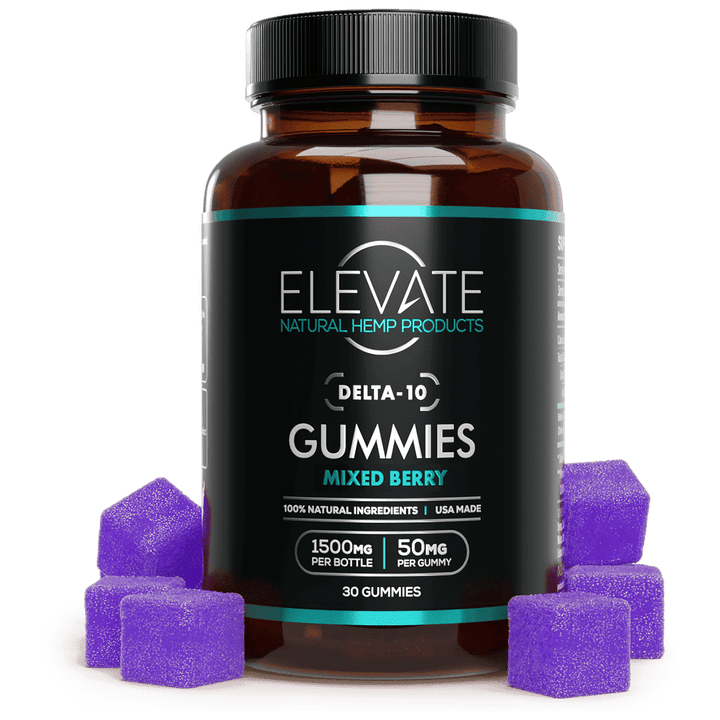
What Are Delta 10 Products?
Delta 10 products are consumable goods—ranging from vape cartridges and gummies to tinctures and edibles—that contain delta 10 THC as their primary active ingredient. To understand why these products have captured so much consumer interest, it helps to start at the molecular level and work outward.
Delta 10 THC is a naturally occurring cannabinoid found in Cannabis sativa, the plant species that includes both marijuana and hemp varieties. Like its more famous relatives delta 9 THC and delta 8 THC, delta 10 belongs to a family of compounds known as THC isomers. All THC isomers share an identical chemical formula, but they differ in the precise placement of a double bond along their carbon chain. In delta 10's case, that double bond sits at the tenth carbon position—a seemingly small structural shift that appears to produce a meaningfully different interaction with the body.
That interaction happens through the endocannabinoid system (ECS), a complex cell-signaling network present in every human body. The ECS uses naturally produced compounds called endocannabinoids, along with CB1 and CB2 receptors distributed throughout the brain and peripheral tissues, to help regulate functions such as mood, appetite, sleep, and stress response. When you consume a cannabinoid like delta 10 THC, it interacts with these same receptors—though preliminary observations suggest it may bind with lower affinity to CB1 receptors than delta 9 THC does, which is one reason users report a milder, more clear-headed experience.
It's worth noting that delta 10 exists in only trace concentrations within raw cannabis flower. The amounts are so small that extracting delta 10 directly from plant material would be neither practical nor economically viable. Instead, most commercially available delta 10 products are hemp derived, meaning they begin with cannabidiol (CBD) extracted from legally compliant hemp and then undergo a carefully controlled isomerization process that converts CBD into delta 10 THC. This manufacturing reality is precisely why third-party lab testing matters so much—a topic we explore in depth later in this guide.
Because delta 10 is derived from hemp rather than marijuana, it occupies a distinctive position in the broader cannabinoid marketplace. Consumers who want to learn more about delta 10 products often discover that the category spans an impressive range of formats and potencies, each designed for different preferences and experience levels. Whether someone is drawn to fast-acting inhalables or longer-lasting edibles, the common thread across all delta 10 products is the presence of this specific cannabinoid and the unique effects profile it is associated with.
Understanding what delta 10 is—and what it is not—forms the foundation for every purchasing decision that follows. It is not delta 9, it is not CBD, and it is not a one-size-fits-all compound. It is a distinct cannabinoid with its own emerging body of user-reported experiences, and the more clearly you understand its origins and mechanisms, the better equipped you are to evaluate whether delta 10 products belong in your routine.
How Are Delta 10 Products Made?
Unlike delta 9 THC, which occurs abundantly in marijuana and in smaller concentrations in hemp, delta 10 THC exists only in trace amounts in the raw plant. These quantities are far too small to extract directly in any commercially viable way. So how do manufacturers create enough delta 10 to fill a vape cartridge or formulate a gummy? The answer lies in a well-established chemical technique called isomerization—and understanding this process is key to evaluating the quality and safety of any delta 10 product you consider purchasing.
All delta THC variants—delta 8, delta 9, and delta 10—share the same molecular formula: C₂₁H₃₀O₂. They contain identical atoms in identical quantities. What distinguishes them is the placement of a single carbon-carbon double bond along the molecule's chain of carbon atoms. In delta 9 THC, that double bond sits at the ninth carbon position. In delta 10, it occupies the tenth. This seemingly minor structural rearrangement is enough to alter how the molecule interacts with the body's endocannabinoid receptors, producing a different experiential profile.
Isomerization exploits this molecular similarity. The process begins with a hemp derived cannabinoid—typically CBD extracted from legal industrial hemp—which serves as the starting material. Chemists dissolve the CBD in a solvent and introduce an acid catalyst, often a food-grade acid such as citric acid or p-toluenesulfonic acid. Under carefully controlled conditions of temperature, time, and pH, the catalyst rearranges CBD's molecular structure, shifting that critical double bond to produce delta 10 THC. The resulting crude extract then undergoes distillation, a purification step that isolates the target cannabinoid and removes residual solvents, unwanted byproducts, and other impurities. The refined output—known as delta 10 distillate—is the concentrated base ingredient used to formulate finished hemp products like edibles, tinctures, and vape oils.
Here's the critical reality consumers need to appreciate: isomerization can also generate unintended byproducts, including unknown cannabinoid analogs or residual chemical reagents, if the process isn't executed with precision. The difference between a clean, high-purity distillate and a questionable one often comes down to the manufacturer's laboratory standards, equipment quality, and commitment to post-production analysis.
This is exactly why third party lab tested products are non-negotiable. Independent laboratories analyze finished products for cannabinoid potency, confirming that the delta 10 concentration matches what's stated on the label. Equally important, they screen for residual solvents, heavy metals, pesticides, and microbial contaminants that could pose health risks. The results of these analyses are compiled into a certificate of analysis (COA)—a document that any reputable brand makes readily available, typically on its website or via a QR code on the product packaging.
When reviewing a COA, look for several things. First, confirm the testing lab is ISO 17025 accredited, which ensures standardized methodology. Second, verify that the COA corresponds to the specific batch or lot number on your product—not a generic sample from months ago. Third, check that delta 10 THC potency aligns closely with the labeled amount, and that delta 9 THC remains at or below the federal 0.3% threshold. Finally, review the contaminant panels to ensure all tested categories fall within acceptable limits.
If you'd like to learn more about delta 10 products and what to look for before making a purchase, a deeper understanding of these manufacturing and testing fundamentals will serve as your most reliable guide. In a market where regulation remains limited, an informed consumer is a protected consumer—and the COA is your most powerful tool for distinguishing quality from guesswork.
Types of Delta 10 Products Available
The delta 10 market has expanded rapidly, and today's consumers can choose from a wide variety of formats—each with its own characteristics, onset profile, and duration window. Whether you prefer the convenience of inhalation or the slow release of an edible, understanding these differences helps you find the right fit. Below is a practical breakdown of the most common hemp products containing delta 10 THC that you'll encounter while shopping.
Delta 10 Gummies
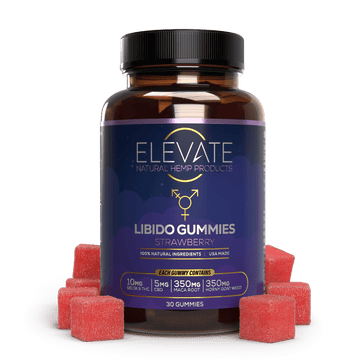
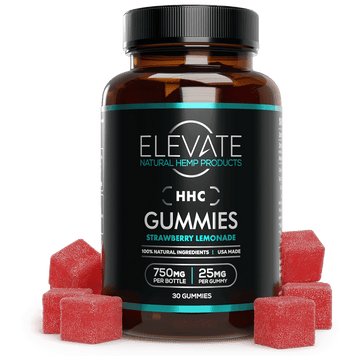
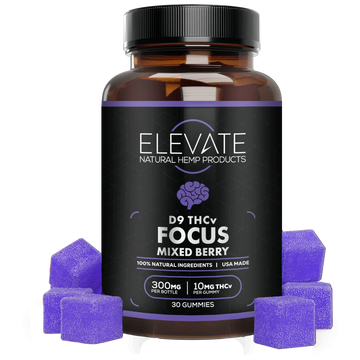
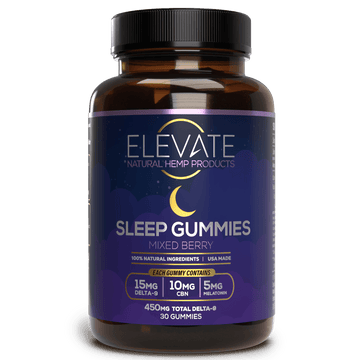
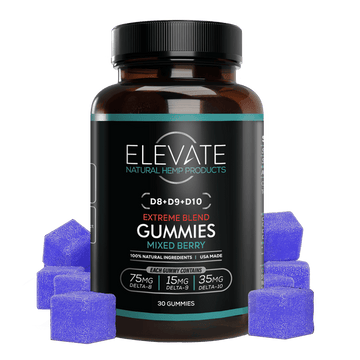
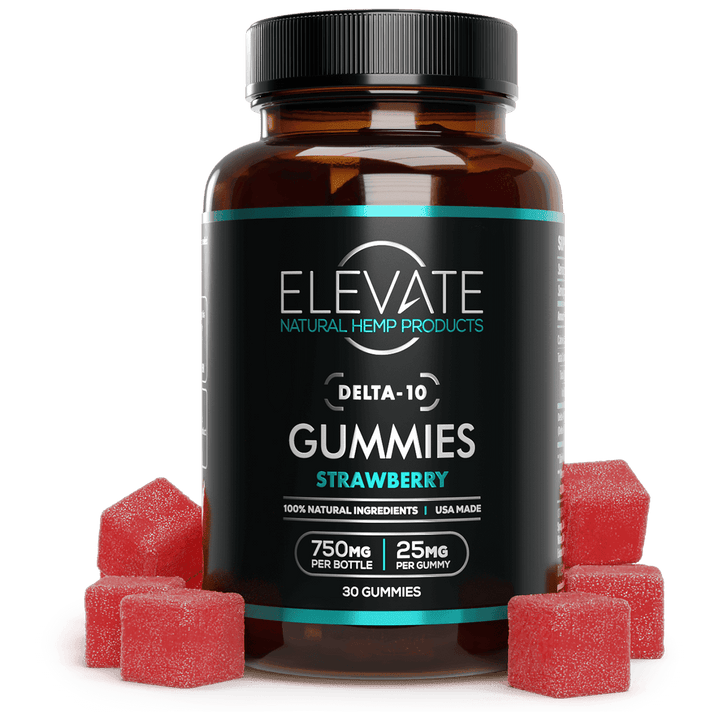
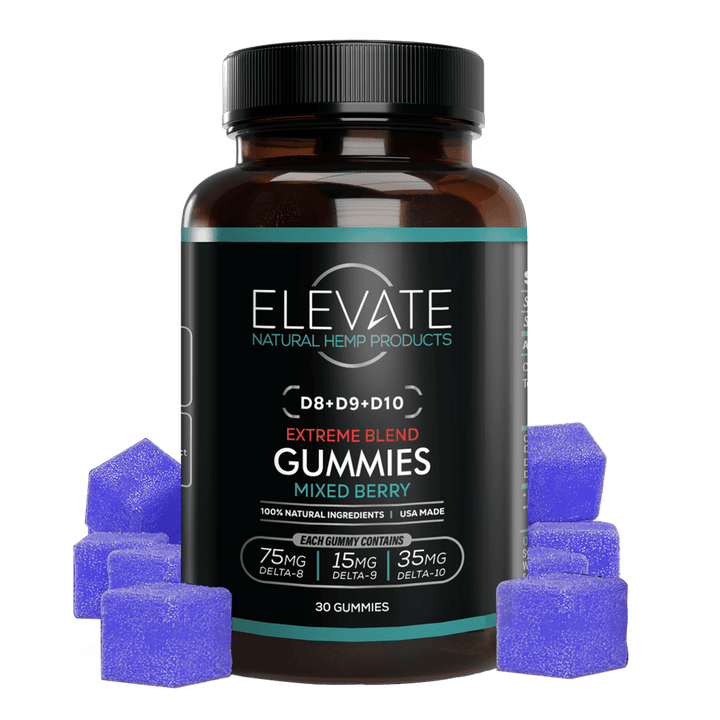
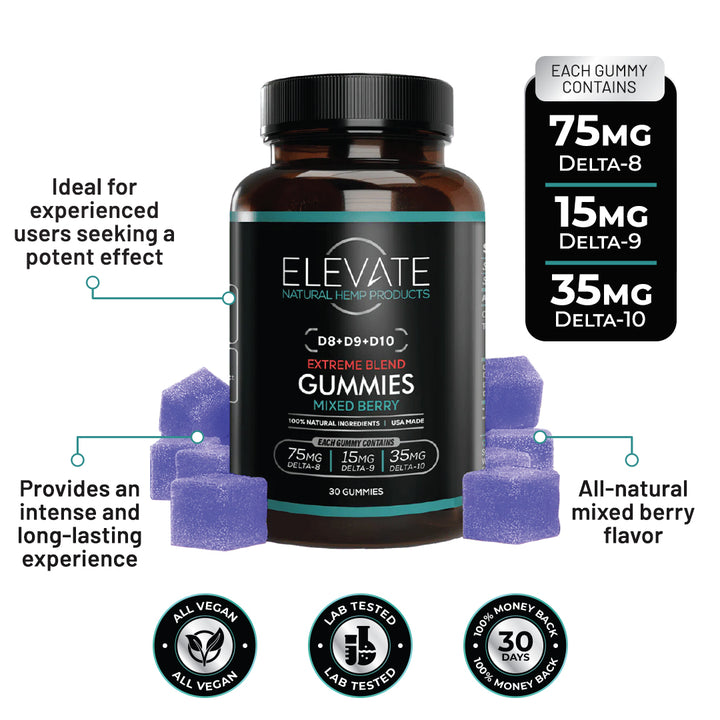
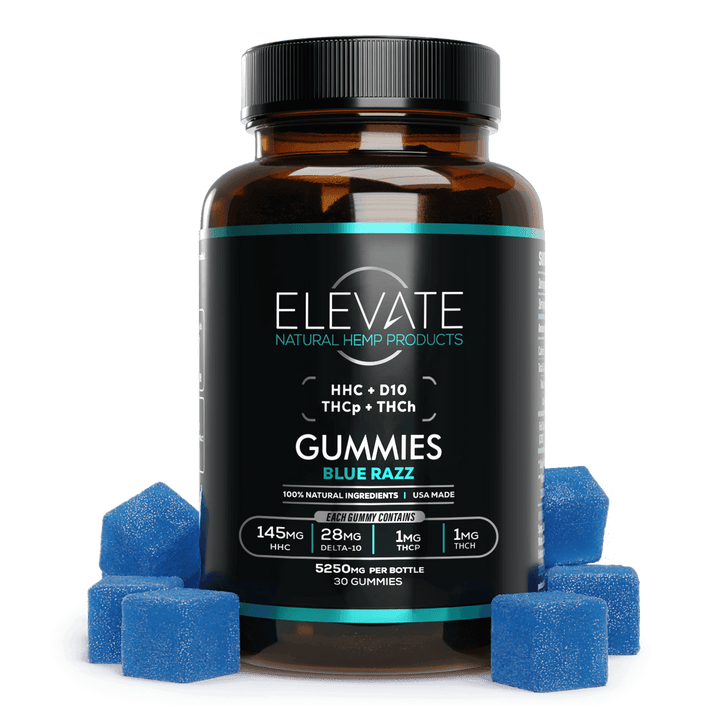
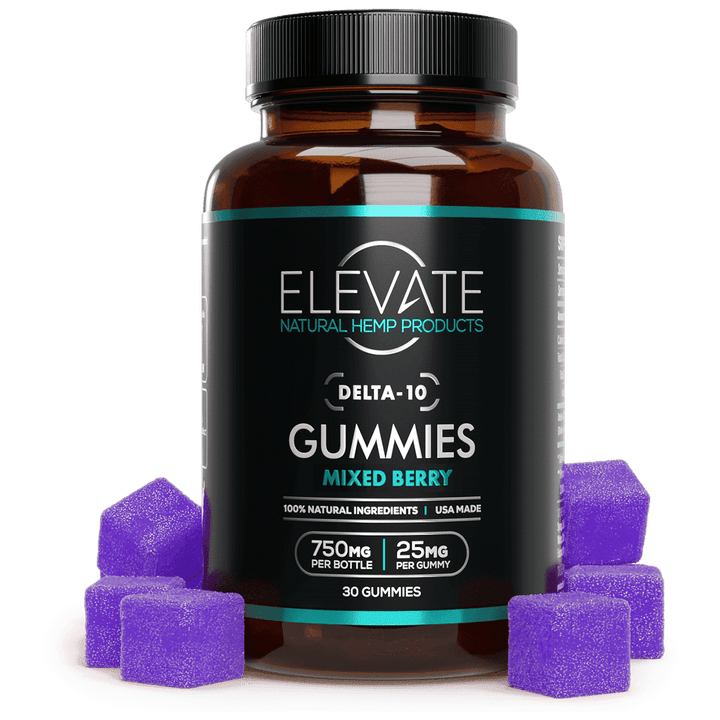
Delta 10 gummies are among the most popular entry points for newcomers. Pre-dosed and discreet, they remove the guesswork around serving size. Because they pass through the digestive system, onset typically ranges from 45 minutes to 2 hours, with effects that users report lasting anywhere from 4 to 6 hours. If you want a consistent, measured experience without any equipment, gummies are a straightforward choice.
Delta 10 Edibles (Beyond Gummies)
The broader category of delta 10 edibles includes chocolates, baked goods, hard candies, and infused beverages. Onset and duration mirror those of gummies since they share the same oral absorption pathway. However, formulation matters—fat-soluble carriers in chocolates, for instance, may influence how quickly the cannabinoid becomes bioavailable compared to a sugar-based candy. Always check the label for per-serving milligram counts, as potency can vary significantly across edible formats.
Delta 10 Vape Cartridges
Delta 10 cartridges are 510-threaded cartridges designed to attach to a compatible battery. Inhalation delivers cannabinoids to the bloodstream through the lungs, so onset is fast—usually within 1 to 5 minutes. Effects are typically felt for 1 to 3 hours. Cartridges are available in a range of strain-inspired terpene profiles, giving users some ability to tailor the flavor and aromatic experience.
Delta 10 Vape Disposables
A delta 10 disposable is an all-in-one delta 10 vape device with an integrated battery and pre-filled chamber. There's nothing to charge, fill, or assemble—you simply draw and go. Onset and duration align closely with cartridge-based vaping. Disposables are ideal for travelers or anyone who wants to sample delta 10 inhalation without committing to a reusable setup. Once the oil is depleted, the device is discarded.
Delta 10 Tinctures
Delta 10 tinctures are liquid extracts typically suspended in MCT oil or hemp seed oil and administered sublingually (under the tongue). When held beneath the tongue for 30 to 60 seconds before swallowing, cannabinoids absorb through the mucous membranes, producing a faster onset than traditional edibles—generally 15 to 45 minutes. Duration tends to fall between the short window of vaping and the extended timeline of edibles, averaging roughly 3 to 5 hours. Tinctures also offer precise dosing via a graduated dropper, making them a favorite among users who prefer to fine-tune their serving size in small increments.
Quick Comparison at a Glance
Keep in mind that individual factors—metabolism, body weight, tolerance, and whether you've eaten recently—can shift these windows in either direction. Starting with a low serving and waiting for the full onset period before adjusting is a practical approach, regardless of format. Explore our full lineup of delta 10 products to compare options side by side and find the format that fits your lifestyle.
Delta 10 vs. Delta 8 vs. Delta 9 THC: Key Differences
Understanding how delta 10 THC stacks up against its molecular cousins requires looking beyond marketing language and into the actual chemistry, effects profiles, and regulatory context of each compound. All three are THC isomers—they share the same molecular formula (C₂₁H₃₀O₂) but differ in the placement of a specific double bond along their carbon chain. That small structural shift is what gives each cannabinoid its distinct interaction with the body's endocannabinoid system. To learn more about delta 10 products and how they fit into this landscape, it helps to start with a side-by-side structural breakdown.
A 2024 review published in the Journal of Studies on Alcohol and Drugs (doi:10.15288/jsad.23-00008) highlighted the growing need for consistent nomenclature and classification of these emerging cannabinoid isomers, noting that the rapid expansion of hemp derived THC products has outpaced both regulatory frameworks and consumer understanding. The researchers emphasized that while these compounds are chemically related, their pharmacological profiles should not be assumed to be identical.
What the Differences Mean in Practice
The potency differences among these three isomers are perhaps the most practically relevant for consumers. Delta 9 THC remains the benchmark—it is the most studied cannabinoid and the one against which the others are typically measured. Delta 10, by most anecdotal accounts and the limited analytical data available, is associated with the mildest psychoactive intensity of the three. Users report that delta 10 tends to produce a clearer, more energizing headspace compared to delta 8's reputation for relaxation-leaning effects.
However, it is critical to note that individual responses to any cannabinoid vary significantly based on dosage, tolerance, metabolism, and the presence of other compounds in a given product. Preliminary research suggests that the entourage effect—where multiple cannabinoids and terpenes interact synergistically—may influence the experience of each isomer differently depending on the product's full chemical profile.
From a manufacturing standpoint, both delta 8 and delta 10 are predominantly hemp derived through chemical conversion of CBD, since neither occurs in sufficient natural concentrations for direct extraction to be commercially viable. This shared production pathway means that quality control considerations—such as third-party testing for residual solvents, heavy metals, and accurate cannabinoid quantification—apply equally to both. Neither isomer should be considered inherently superior; rather, each represents a different point on the spectrum of cannabinoid experiences available to informed consumers.
Is Delta 10 THC Legal? Understanding the 2018 Farm Bill and State Regulations
The legal status of delta 10 THC sits at an intersection of federal policy and state-level regulation that can feel genuinely confusing—even for experienced cannabinoid consumers. To navigate this landscape responsibly, it helps to start with the federal framework and then zoom into the patchwork of state laws that can change the picture dramatically depending on where you live.
At the federal level, the Agriculture Improvement Act of 2018—commonly known as the 2018 Farm Bill—redefined legal hemp as cannabis containing no more than 0.3% delta 9 THC on a dry-weight basis. This single threshold drew a legal line between hemp and marijuana under federal law. Because delta 10 THC is a distinct isomer from delta 9 THC, hemp derived delta 10 products that fall within the 0.3% delta 9 limit are generally considered federally permissible under the Farm Bill's definition of hemp extracts and derivatives.
However, federal legality tells only part of the story. Individual states retain significant authority to regulate cannabinoids within their borders, and many have exercised that authority in ways that directly affect delta 10 products. Some states have explicitly restricted or banned all psychoactive hemp-derived cannabinoids, including delta 10, delta 8, and THC-O. Others have introduced licensing and testing requirements that mirror their existing cannabis programs. A handful of states have taken no additional action beyond the federal framework, effectively permitting sales by default.
This patchwork means that a delta 10 product purchased legally in one state could be considered a controlled substance just across the border. The regulatory environment is also evolving rapidly—several states have introduced new cannabinoid legislation in recent sessions, and proposed federal rules could further reshape the landscape. What is permissible today may not remain so tomorrow.
For these reasons, checking your local and state regulations before purchasing or possessing any delta 10 product is essential. State government websites, attorney general offices, and official cannabis regulatory agencies are the most reliable sources for current information. If you want to learn more about delta 10 products before exploring the market, building that legal understanding first is a smart starting point.
This section is provided for informational purposes only and does not constitute legal advice. Laws and regulations are subject to change, and readers should consult qualified legal professionals for guidance specific to their jurisdiction.
How to Choose High-Quality Delta 10 Products
Not all delta 10 products are created equal. Because delta 10 THC is typically produced through isomerization of hemp derived cannabinoids, the quality of the starting material, the precision of the conversion process, and the rigor of post-production testing all play critical roles in determining what ends up in the final product. Knowing what to look for before you buy can mean the difference between a satisfying experience and a disappointing—or even unsafe—one.
The single most important quality indicator is whether a product has been third party lab tested. Independent laboratories analyze the delta 10 distillate for cannabinoid content, residual solvents, heavy metals, pesticides, and microbial contaminants. A reputable brand will never ask you to simply take their word for it—they'll prove it with documentation.
That documentation comes in the form of a certificate of analysis (COA). This report, issued by an accredited lab with no financial ties to the manufacturer, verifies the exact potency of each cannabinoid present and confirms the absence of harmful substances. If a company doesn't make COAs readily accessible—either on the product packaging or their website—consider it a serious red flag.
Your Quality Checklist
Use the following criteria every time you evaluate a new product:
- Verified third party lab testing— Look for recent, batch-specific COAs from an ISO-accredited laboratory.
- Accurate potency labeling— The cannabinoid content listed on the label should closely match the numbers on the certificate of analysis. Discrepancies greater than 10–15% suggest poor manufacturing controls.
- Clean delta 10 distillate sourcing— The product should clearly state that it uses hemp derived cannabinoid extracts compliant with the 2018 Farm Bill (containing no more than 0.3% delta 9 THC by dry weight).
- Transparent ingredient lists— Every ingredient, from terpenes to carrier oils, should be plainly disclosed.
- Clear brand reputation— Check for verified customer reviews, responsive customer service, and a professional online presence that reflects accountability.
- Proper packaging and storage guidance— Quality manufacturers provide batch numbers, expiration dates, and storage recommendations to preserve product integrity.
Taking a few extra minutes to verify these details protects both your experience and your well-being. When you're ready to shop with confidence, explore our full collection of delta 10 products—each one meeting the rigorous quality standards outlined above.