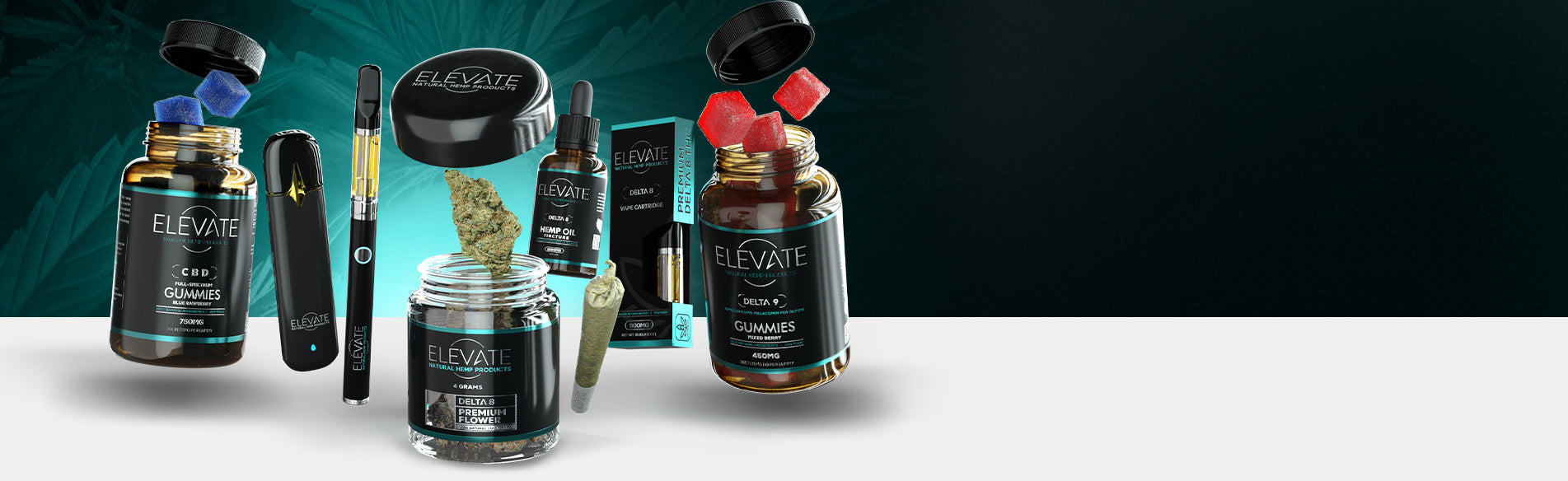
If you have ever scrolled through an online hemp shop, compared half a dozen price tags on what looked like the same product, and closed the tab more confused than when you started, you are not alone. The market for affordable thca flower is growing fast, and so is the gap between what vendors charge and what consumers actually understand about the product sitting in those jars. Before you can spot a genuine deal on an ounce of THCa flower, you need to know exactly what you are buying—starting at the molecular level.
THCa—short for tetrahydrocannabinolic acid—is the naturally occurring precursor to delta-9 THC. In a living or freshly harvested cannabis plant, THC does not exist in significant amounts. Instead, the plant synthesizes THCa, a non-intoxicating acidic cannabinoid that sits on the trichome heads of mature flower. THCa only converts into the delta-9 THC most people associate with traditional cannabis when it is exposed to heat through a process called decarboxylation. Smoking, vaping, or cooking the flower triggers that chemical transformation. In its raw, unheated state, THCa does not produce the psychoactive effects linked to delta-9 THC—a critical distinction for both legal classification and consumer experience.
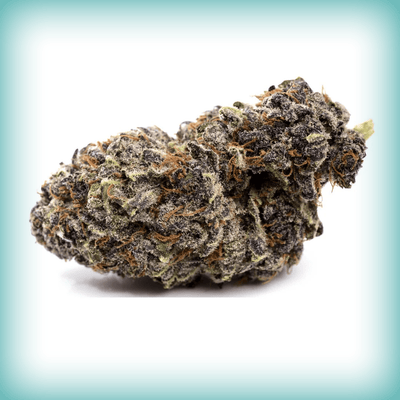
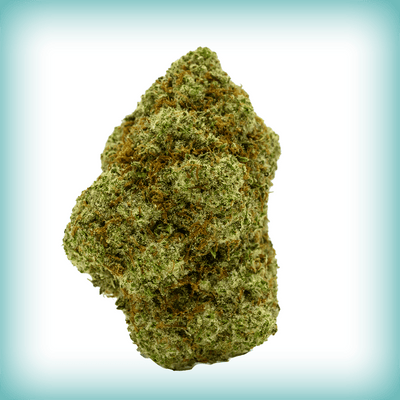
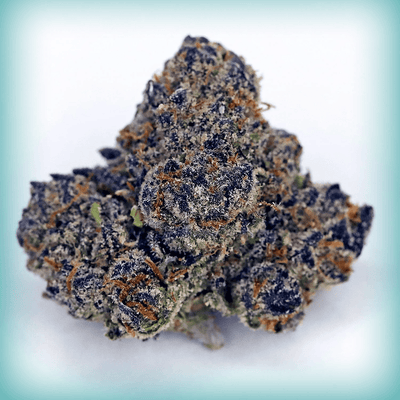
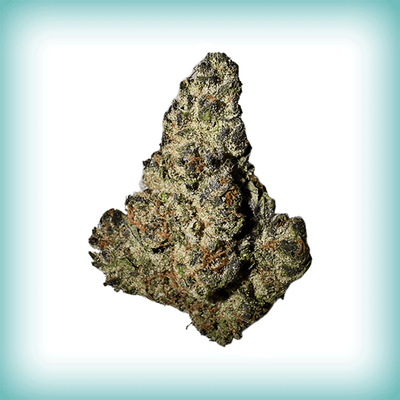
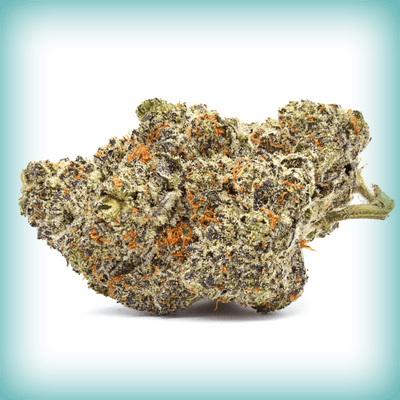
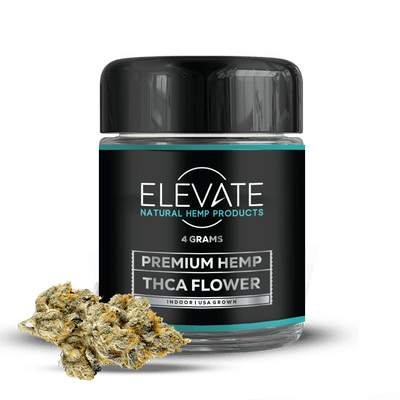
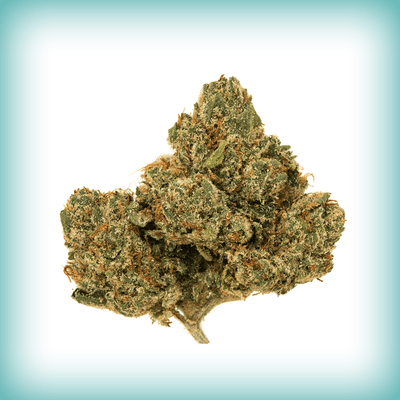
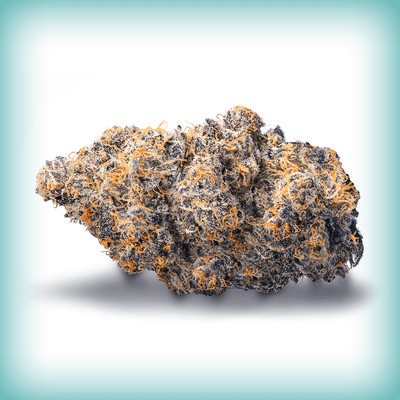
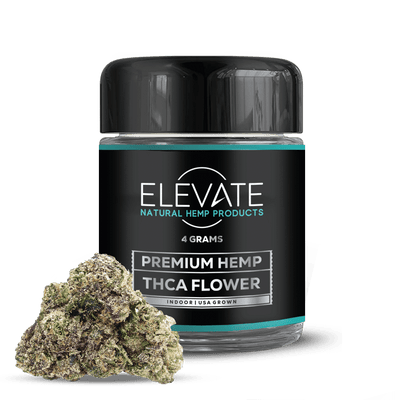
So what does a typical thca flower product look like when you buy it by the ounce? You are purchasing dried, cured hemp flower—usually packaged as 28 grams—that has been cultivated specifically to accumulate high concentrations of THCa while remaining compliant with the 2018 Farm Bill's delta-9 THC threshold of 0.3 percent on a dry-weight basis. The flower may come in full-size nugs or as smalls, the smaller buds harvested from lower branches of the same plant. Smalls contain essentially the same cannabinoid and terpene profile as their larger counterparts; they are simply less visually impressive, which is precisely why they tend to cost less per ounce.
This is where the consumer use case comes into focus. Adults shopping for cheap thca flower ounces are usually repeat users who already know they enjoy the product and want to buy in larger quantities without overpaying. They may prefer smoking or dry-herb vaping, and they value consistency over flashy packaging. For these buyers, choosing smalls or purchasing during seasonal promotions is a practical strategy—not a compromise. The goal throughout this guide is to give you the knowledge to tell the difference between a smart bargain and a risky shortcut, starting with the science and ending with a confident purchase. If you are ready to browse verified options now, explore our collection of cheap thca flower ounces after reading.
Legal Landscape: What the Farm Bill Covers and Where State Laws Draw Their Own Lines
Before you add a cheap ounce of THCa flower to your cart, it helps to understand the legal framework that makes hemp-derived bud available in the first place—and why that framework looks different depending on your zip code.
The 2018 Farm Bill removed hemp from the federal Controlled Substances Act, defining legal hemp as Cannabis sativa L. with a delta-9 THC concentration of no more than 0.3 percent on a dry-weight basis. Because THCa is a distinct cannabinoid in its raw, acidic form, many producers and retailers interpret this threshold as applying only to delta-9 THC—not total THC after decarboxylation. That interpretation is what allows high-THCa bud to enter interstate commerce under a federal hemp license. However, it is worth noting that the USDA's final rule for hemp testing does use a total-THC methodology for pre-harvest compliance, creating a gray area that the industry continues to navigate.
Here is the critical point most budget shoppers overlook: state laws vary widely, and they change often. Some states have adopted the federal 0.3 percent delta-9 standard without additional restrictions, effectively permitting THCa flower sales. Others have enacted their own total-THC limits, added THCa to their controlled-substance schedules, or imposed licensing requirements on retailers. A strain that ships legally from the producer's state may not be compliant in the buyer's state, and enforcement postures can shift with little public notice.
This article does not constitute legal advice, and no online guide can substitute for up-to-date regulatory information from your own jurisdiction. Before purchasing, we strongly recommend consulting your state's department of agriculture or its equivalent cannabis regulatory body. Many states publish guidance documents or FAQ pages that clarify which cannabinoids are permitted, what testing standards apply, and whether possession limits exist for hemp-derived flower.
Staying informed protects both your purchase and your peace of mind—especially when you are buying by the ounce to save money. A deal is only a deal if the product is lawful where you live.
Potency Tiers, Dosage Starting Points, and Format Trade-Offs
Not every flower ounce needs to knock you sideways. Understanding potency tiers helps you match your purchase to your actual tolerance and goals—especially when buying in bulk, where a misjudged potency level means twenty-eight grams of regret.
Three Practical Potency Tiers
Most high thca flower on the market falls into rough brackets. Low-potency strains sit between 10–15% total THCa and suit newcomers or those who prefer lighter sessions. Mid-range options land around 16–22%, covering the sweet spot most regular consumers gravitate toward. Premium or top-shelf listings push above 23%, rivaling dispensary-grade cannabis in converted THC potential once heat is applied. Budget-friendly thca smalls are available across all three tiers because bud size has nothing to do with cannabinoid content—it is the genetics and growing conditions that drive potency.
Cautious Dosage Starting Points
If you are new to THCa flower or switching from a different product format, start deliberately low. A single modest inhalation from a low-to-mid-potency strain, followed by a fifteen-to-twenty-minute waiting period, gives your body time to respond before you take more. Seasoned users already know their ceiling, but even they should approach a new strain conservatively—terpene profiles shift the subjective experience in ways raw THCa percentages do not capture.
Product Format Trade-Offs
Flower is not the only way to consume THCa, and each format carries distinct advantages and drawbacks:
- Flower (smoked or dry-vaped): Fastest onset, easiest to micro-dose, but produces combustion byproducts if smoked. Buying a full ounce keeps per-gram costs down. - Vape cartridges: Convenient and discreet, yet extraction processes can strip terpenes unless reintroduced. Hardware costs add up over time. - Edibles: Longer-lasting effects users report appreciating for extended relief windows; however, onset is delayed and dosing precision depends entirely on accurate manufacturing—harder to self-titrate. - Tinctures: Sublingual absorption offers a middle ground between inhalation speed and edible duration, though the experience profile differs from inhaled flower.
For most budget-minded buyers, raw flower—particularly smalls purchased by the ounce—delivers the best balance of cost efficiency, dosing flexibility, and full-spectrum terpene retention. Explore our collection of cheap thca flower ounces to find a potency tier that matches your comfort level.