
CBD OIL
CBD oil is a natural extract from hemp (*Cannabis sativa*) containing cannabidiol, a non-intoxicating cannabinoid. It's made by extracting CBD from he

CBD oil is a natural extract from hemp (*Cannabis sativa*) containing cannabidiol, a non-intoxicating cannabinoid. It's made by extracting CBD from he

Filters

WHAT IS CBD OIL?


FAQ
What is CBD oil?
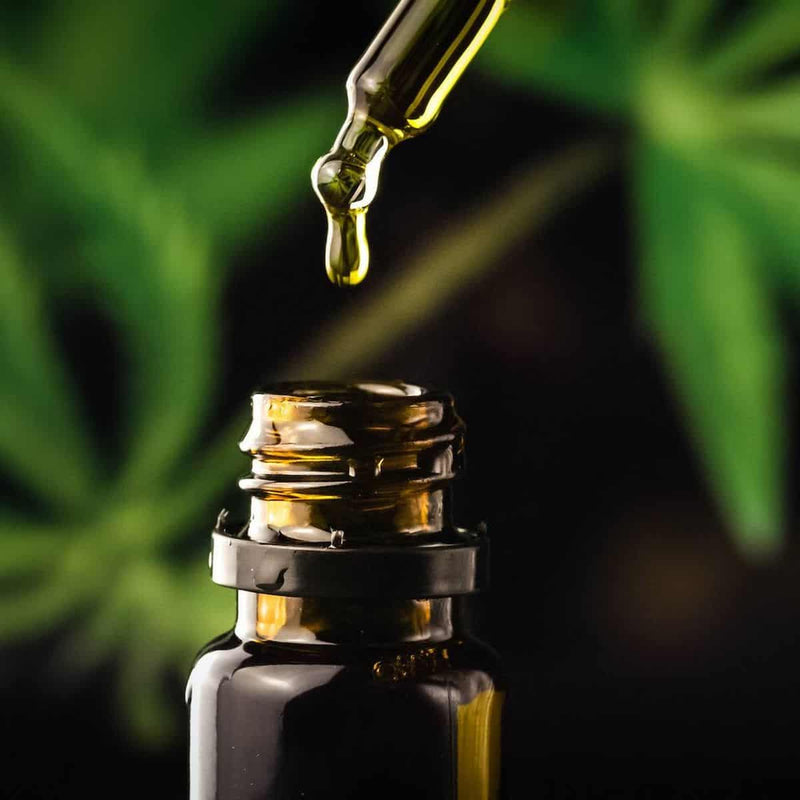
CBD oil is a natural extract derived from the hemp plant (Cannabis sativa) that contains cannabidiol — one of over 100 cannabinoids identified in cannabis. It is produced by extracting cannabidiol from hemp flowers, leaves, and stalks, then diluting it with a carrier oil such as MCT coconut oil, hemp seed oil, or olive oil. Unlike THC, CBD is non-intoxicating.
How does CBD oil work in the body?
CBD oil interacts with the body's endocannabinoid system (ECS), a cell-signaling network that regulates mood, sleep, appetite, discomfort response, and immune function. Unlike THC, CBD doesn't bind directly to CB1 or CB2 receptors. Instead, it modulates receptor activity, may inhibit the enzyme FAAH to slow the breakdown of anandamide, and interacts with non-cannabinoid receptors such as serotonin (5-HT1A) and vanilloid (TRPV1) receptors.
What is the difference between full-spectrum, broad-spectrum, and CBD isolate?
Full-spectrum CBD oil contains all naturally occurring hemp compounds, including trace amounts of THC below the legal 0.3% threshold. Broad-spectrum is similar but with THC removed. CBD isolate is pure cannabidiol with no other plant compounds. Many users report that full-spectrum formulations offer enhanced benefits due to the entourage effect.
What is the entourage effect in CBD oil?
The entourage effect is a theory suggesting that cannabinoids, terpenes, and flavonoids found in hemp may work synergistically to amplify each compound's individual properties. This is why many users and researchers believe full-spectrum CBD oil formulations may offer enhanced benefits compared to CBD isolate.
What is the best extraction method for CBD oil?
CO2 extraction is widely considered the gold standard for producing CBD oil. This method preserves the plant's beneficial compounds — including minor cannabinoids, terpenes, and flavonoids — without leaving behind harmful solvents or chemical residues.
Does CBD oil get you high?
No. CBD (cannabidiol) is non-intoxicating. Unlike THC (tetrahydrocannabinol), which binds directly to CB1 receptors in the brain and produces psychoactive effects, CBD works indirectly by modulating receptor activity and influencing the body's own endocannabinoid signaling.
What is the endocannabinoid system?
The endocannabinoid system (ECS) is a complex cell-signaling network discovered in the early 1990s. It consists of endocannabinoids, receptors (CB1 and CB2), and enzymes. The ECS plays a role in regulating mood, sleep cycles, appetite, discomfort perception, immune responses, and maintaining homeostasis — the body's internal balance.