
A Guide to THCV Gummies for Energy & Focus

Featured Product

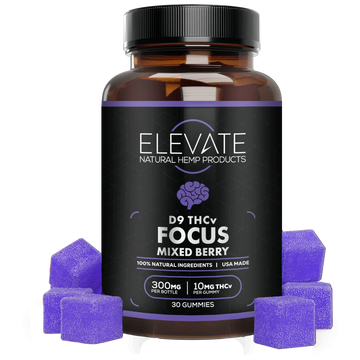
Focus Gummies
$73.45
Shop NowTHCV gummies are edibles infused with tetrahydrocannabivarin (THCV), a naturally occurring cannabinoid distinguished from delta-9 THC by a shorter three-carbon propyl side chain. This molecular difference changes how THCV interacts with CB1 receptors, producing effects associated with appetite regulation, metabolic support, and clean, stimulating energy—earning it the nickname "diet weed" among wellness communities.
What is THCV and How Does it Work?
Tetrahydrocannabivarin (THCV) is a naturally occurring cannabinoid found in the cannabis plant that differs from delta-9 THC by a subtle but significant molecular distinction: its side chain contains three carbon atoms instead of five. While this may sound like a minor chemical variation, this shorter propyl chain fundamentally changes how THCV interacts with your endocannabinoid system, producing a profile of effects that stands apart from virtually every other well-known cannabinoid. Understanding these mechanisms in detail helps explain why THCV has attracted growing interest from researchers, product formulators, and consumers seeking targeted wellness benefits rather than broad-spectrum intoxication. Unlike CBD, which has dominated the mainstream cannabinoid conversation for years, THCV occupies a distinct pharmacological niche—one defined not by sedation or generalized relaxation but by metabolic engagement, appetite regulation, and a clean, stimulating quality that has earned it the informal nickname "diet weed" among enthusiasts and wellness communities alike.THCV's Molecular Structure and Why It Matters
To appreciate what makes THCV unique, it helps to understand the basic architecture of cannabinoids. Most cannabinoids share a common core structure—a dibenzopyran ring system—but they differ in the length and configuration of their alkyl side chains. Delta-9 THC, the most abundant psychoactive cannabinoid, carries a five-carbon pentyl side chain. This chain length is critical because it determines how snugly the molecule fits into cannabinoid receptors, particularly CB1 receptors in the brain and central nervous system. THCV's three-carbon propyl chain creates a different binding geometry. The molecule still docks with CB1 receptors, but it does so with altered affinity and efficacy, which produces dose-dependent behavior that is functionally distinct from THC. This isn't merely a theoretical point—it's the reason THCV doesn't trigger the same cascade of hunger, sedation, and euphoria that THC is known for, and it's the foundation for THCV's emerging reputation as an "energizing" or "functional" cannabinoid. The propyl versus pentyl distinction also affects THCV's pharmacokinetics—how the molecule is absorbed, distributed, metabolized, and eliminated by the body. Shorter side chains generally correlate with faster onset and shorter duration of action when smoked or vaporized, though oral bioavailability introduces additional variables related to first-pass hepatic metabolism. When THCV is consumed in edible form, liver enzymes process it into metabolites that may have their own receptor activity, though these metabolic pathways are less thoroughly characterized than those of THC. What is clear from available data is that THCV's structural compactness gives it a pharmacological personality that is faster-acting, shorter-lasting, and functionally lighter than its five-carbon cousin—qualities that align well with users who want targeted effects without prolonged impairment or next-day grogginess.How THCV Interacts with CB1 Receptors
At low doses, THCV acts as an antagonist at CB1 receptors—effectively blocking them rather than activating them—which is why it doesn't produce the same hunger-inducing, sedating effects associated with THC. In pharmacological terms, an antagonist occupies a receptor without triggering its downstream signaling cascade, and in some cases it can also prevent other molecules (like endogenous cannabinoids or exogenous THC) from activating that receptor. This is a meaningful distinction. When CB1 receptors in the hypothalamus are activated, they stimulate appetite and promote fat storage. By blocking this activation, THCV may reduce hunger signals at the neurological level rather than simply suppressing cravings through willpower or distraction. Some preclinical studies have demonstrated that CB1 antagonism can also improve insulin sensitivity and reduce hepatic fat accumulation, which adds metabolic relevance beyond simple appetite control. To put this in practical context, consider how most people experience cannabis-induced hunger. THC activates CB1 receptors in the hypothalamus and olfactory bulb, which simultaneously increases the perceived reward value of food and enhances the smell and taste of what you eat—a combination that makes resisting a late-night snack nearly impossible. THCV essentially reverses this process at the receptor level. Rather than amplifying food reward signals, it dampens them, which is why many users report that taking THCV before meals or during fasting windows makes it noticeably easier to maintain caloric discipline without the white-knuckle willpower that dieting typically demands. This mechanism also differentiates THCV from stimulant-based appetite suppressants, which work primarily through catecholamine release and often carry cardiovascular side effects. THCV's approach is receptor-specific and neurologically targeted, which may offer a more favorable safety profile for long-term use, though more clinical data is needed to confirm this. At higher doses, however, THCV can switch to a partial agonist at CB1 receptors, producing mild, clear-headed stimulation. A partial agonist activates the receptor but to a lesser degree than a full agonist like THC. In practical terms, this means that at elevated doses THCV may produce a subtle uplift in mood and focus without the heavy psychoactive load, anxiety, or cognitive impairment that many users experience with THC. Users frequently describe the effect as alert and motivating rather than intoxicating—more comparable to a strong cup of coffee than to a traditional cannabis high. This dose-dependent switching behavior is relatively unusual among cannabinoids and is one of the primary reasons THCV is being explored for daytime and functional applications where cognitive clarity is essential. For professionals, students, or athletes who want cannabinoid benefits during working hours without sacrificing mental sharpness, this partial agonist ceiling represents a meaningful advantage over full-agonist alternatives.THCV's Role at CB2 Receptors and Beyond
THCV also engages CB2 receptors, which are concentrated in immune tissues—including the spleen, tonsils, and circulating immune cells—and may influence inflammatory responses throughout the body. CB2 activation has been associated with anti-inflammatory and immunomodulatory effects in numerous preclinical models. For THCV specifically, this interaction suggests potential relevance for conditions involving chronic low-grade inflammation, such as metabolic syndrome, certain autoimmune responses, and exercise-induced tissue stress. While CB2-mediated effects tend to be subtler and less immediately noticeable than CB1 effects, they contribute to THCV's broader physiological profile and help explain why some users report benefits that extend beyond appetite and energy, including reduced soreness after physical activity and a general sense of balanced well-being. The CB2 receptor system is also densely represented in the gut-associated lymphoid tissue, which means THCV's activity at these receptors could have implications for gut health and intestinal inflammation. Individuals dealing with chronic digestive discomfort, bloating, or inflammatory bowel conditions have anecdotally reported improvements when incorporating THCV into their routines, though rigorous clinical trials specific to gastrointestinal outcomes are still lacking. What makes this mechanistically plausible is that CB2 activation in the gut has been shown in animal models to reduce the release of pro-inflammatory cytokines like TNF-alpha and IL-6, both of which are elevated in inflammatory bowel conditions and metabolic dysfunction. This gut-immune axis represents another dimension of THCV's potential that extends well beyond the brain-centric effects most consumers initially associate with cannabinoids. Beyond the classical cannabinoid receptors, emerging research indicates that THCV may interact with other molecular targets, including TRPV1 channels (which are involved in pain perception and thermoregulation) and GPR55 receptors (sometimes called the "third cannabinoid receptor," which may play roles in bone density regulation and metabolic signaling). TRPV1 activation, for example, is associated with the release of calcitonin gene-related peptide and substance P, both of which modulate pain and vasodilation—suggesting that THCV might contribute to analgesic effects through non-cannabinoid pathways. GPR55 involvement is particularly intriguing in the context of metabolic health, as this receptor has been linked to adipocyte function, lipid metabolism, and osteoclast activity. These additional pathways are still being mapped, but they suggest that THCV's mechanism of action is more complex and potentially more versatile than a simple CB1/CB2 model would indicate.What the Research Shows
Research confirms that these receptor interactions translate into measurable physiological effects, including appetite modulation and metabolic support [pubmed:39085059]. In human pilot studies, THCV administration has been associated with changes in neural responses to food stimuliBenefits of Taking THCV Gummies
You can also browse our THCV hemp gummies when comparing options.
So what are the actual benefits of THCV? While research is still emerging, early studies and user reports point to a distinct profile that sets this cannabinoid apart from more familiar compounds like CBD or delta-9 THC. If you'd like deeper context, learn more about thcv gummies and how they work. Below, we break down each major benefit category in detail so you can evaluate whether THCV gummies align with your personal wellness goals.
The most commonly reported benefits of THCV gummies include:
- Appetite modulation — THCV may help curb cravings rather than amplify them, earning its "diet weed" reputation.
- Energy boost — Many users describe a clean, focused stimulation without the jitteriness of caffeine.
- Weight management support — By influencing appetite signaling and metabolism, THCV may complement healthy lifestyle habits for weight management.
- Mental clarity and focus — Unlike delta-9 THC, THCV at lower doses tends to promote alertness rather than sedation.
- Mood elevation — Preliminary research suggests THCV may support a balanced, uplifted mood throughout the day.
Appetite Modulation: Why THCV Is Called "Diet Weed"
One of the most discussed properties of THCV is its relationship with appetite. Most cannabinoids — delta-9 THC being the classic example — are known for triggering hunger, commonly referred to as "the munchies." THCV appears to work differently. At lower doses, THCV acts as a CB1 receptor antagonist, meaning it blocks the same receptor that delta-9 THC activates to stimulate appetite. The practical result, according to both preclinical research and anecdotal reports, is a noticeable reduction in snack cravings and impulsive eating.
This doesn't mean THCV suppresses appetite in a harsh or uncomfortable way. Users frequently describe the effect as a gentle quieting of background hunger signals — the kind that lead to mindless grazing between meals rather than genuine nutritional need. For people who struggle with portion control or late-night snacking, this modulation can be a meaningful behavioral tool when paired with intentional eating habits.
Clean Energy Without the Crash
Another standout benefit is the energizing quality many users associate with THCV gummies. Unlike the sedative, couch-lock effect that higher doses of delta-9 THC can produce, THCV tends to deliver a clear-headed, uplifting sensation. People often compare it to a smooth cup of green tea — present and noticeable, but without the spike-and-crash cycle that comes with coffee or energy drinks.
This makes THCV gummies particularly appealing for daytime use. Whether you're working through a long afternoon, heading into a workout, or simply need sustained motivation for errands and chores, the energizing profile of THCV fits scenarios where drowsiness would be counterproductive. Some users stack a low-dose THCV gummy with their morning routine as a caffeine alternative, reporting that they feel alert and motivated for several hours without the anxiety or digestive discomfort that high caffeine intake can cause.
Weight Management Support: More Than Just Appetite
The weight management conversation around THCV goes beyond simple appetite suppression. Preliminary animal studies suggest that THCV may influence lipid metabolism and insulin sensitivity, two factors that play central roles in how the body stores and burns fat. One frequently cited 2013 study published in Nutrition & Diabetes found that THCV improved glucose tolerance and restored insulin signaling in obese mouse models, hinting at metabolic benefits that extend well beyond eating less.
Of course, translating rodent data directly to human outcomes requires caution. But the mechanistic picture is promising: if THCV can simultaneously reduce overconsumption, support healthy blood sugar response, and promote more efficient energy utilization, it represents a multi-pathway approach to weight management that few single compounds can match. Users who report the best results typically emphasize that they combine THCV gummies with structured meal planning and regular physical activity — the gummies serve as a complement, not a shortcut.
Mental Clarity, Focus, and Cognitive Performance
For anyone who has experienced the foggy, scattered feeling that sometimes accompanies traditional THC edibles, THCV offers a refreshing contrast. At doses typically found in commercial gummies — usually between 10 mg and 25 mg — THCV tends to sharpen rather than dull cognitive function. Users report improved ability to concentrate on tasks, hold complex conversations, and maintain a sense of purposeful direction throughout the day.
This clarity-promoting quality is likely related to THCV's unique receptor pharmacology. Because it antagonizes CB1 at low doses rather than fully activating it, THCV avoids triggering the short-term memory impairment and wandering attention that delta-9 THC is known for. Some biohackers and productivity-focused consumers have begun incorporating THCV gummies into their nootropic stacks, pairing them with adaptogens like lion's mane mushroom or L-theanine for a synergistic effect on sustained attention and creative problem-solving.
Mood Elevation and Emotional Balance
Beyond cognition and metabolism, THCV shows early promise as a mood-supportive compound. A 2015 review examining cannabinoid receptor modulation noted that CB1 antagonism — the same mechanism behind THCV's appetite effects — may also play a role in regulating emotional responses and stress resilience. Users commonly describe a subtle but consistent sense of optimism and emotional steadiness after taking THCV, distinct from the euphoric high of delta-9 THC and more grounded than the relaxation associated with CBD.
This mood-elevating profile makes THCV gummies worth considering for people who feel sluggish, unmotivated, or emotionally flat during the day but want to avoid pharmaceutical interventions for mild mood challenges. The effect is generally described as functional rather than intoxicating — you feel like a better version of your normal self, not like you've escaped reality. That said, individuals with clinical mood disorders should consult a healthcare provider before using THCV or any cannabinoid as part of their wellness regimen.
Important Caveats and Realistic Expectations
An important caveat: most evidence comes from preclinical models rather than large-scale human trials[who-cbd-review]. The studies that do exist are encouraging, but they involve small sample sizes, animal subjects, or isolated cell cultures — none of which guarantee the same outcomes in diverse human populations taking commercial gummy products. Dosage, individual metabolism, body composition, and even gut health can all influence how effectively THCV works for any given person.
THCV gummies are not a magic bullet — they work best alongside consistent nutrition and exercise, not as a replacement for them. Think of them as one tool in a broader wellness toolkit. If you're eating highly processed food, sleeping poorly, and living a sedentary lifestyle, no cannabinoid gummy will override those foundational gaps. But if your basics are reasonably dialed in and you're looking for an additional edge in energy, appetite control, focus, or mood, THCV gummies offer a compelling and increasingly well-supported option worth exploring.
THCV vs THC: Key Differences Explained
A common question — is THCV delta 9? — reveals widespread confusion among consumers navigating the expanding cannabinoid market. The short answer is no. THCV (tetrahydrocannabivarin) is a structurally distinct cannabinoid with a shorter side chain (propyl vs. pentyl), which fundamentally changes how it interacts with CB1 receptors throughout the endocannabinoid system. Before you learn more about THCV gummies, understanding the THCV vs THC distinction is essential — not just for setting expectations, but for selecting the right product for your goals.
Molecular Structure: Why the Side Chain Matters
At first glance, THCV and delta 9 THC look nearly identical under a molecular diagram. Both share the same core dibenzopyran ring structure. The critical difference lies in the alkyl side chain attached to that core: THCV carries a 3-carbon propyl chain, while delta 9 THC carries a 5-carbon pentyl chain. Those two missing carbon atoms might seem trivial, but in cannabinoid pharmacology, side-chain length dictates binding affinity, receptor selectivity, and downstream signaling.
The pentyl chain on delta 9 THC fits snugly into the hydrophobic binding pocket of the CB1 receptor, triggering robust activation — the classic "high." THCV's shorter propyl chain occupies the same pocket less completely. At low concentrations, this incomplete fit means THCV effectively blocks the receptor without fully activating it, functioning as a neutral antagonist. At higher concentrations, THCV can partially activate CB1, producing mild and notably short-lived psychoactive effects. This dose-dependent duality is one of THCV's most pharmacologically interesting properties and a major reason researchers are studying it with renewed interest.
Receptor Interaction: Agonist vs. Antagonist
To appreciate the practical significance of these molecular differences, consider what happens at the receptor level when each cannabinoid enters your system:
| Factor | THCV | Delta 9 THC | Delta 8 THC |
|---|---|---|---|
| Side chain | 3-carbon (propyl) | 5-carbon (pentyl) | 5-carbon (pentyl) |
| CB1 action (low dose) | Antagonist (blocks) | Agonist (activates) | Partial agonist |
| CB1 action (high dose) | Partial agonist (mild activation) | Full agonist (strong activation) | Partial agonist |
| CB2 affinity | Partial agonist | Weak partial agonist | Partial agonist |
| Psychoactive intensity | Mild, short-lived | Strong, long-lasting | Moderate |
| Appetite effect | May suppress | Stimulates | Mildly stimulates |
| Typical onset in gummies | 30–60 min | 30–90 min | 30–90 min |
| Duration of effects | 1–2 hours | 4–8 hours | 3–6 hours |
Research confirms THCV acts as a CB1 neutral antagonist at lower doses, producing effects nearly opposite to delta 9 (PubMed: 39085059). Delta 9 THC locks into CB1 and sends a strong activation signal — increasing dopamine release, altering sensory perception, and stimulating appetite through hypothalamic signaling. THCV, by occupying that same receptor without triggering full activation, can actually dampen those signals. This is why users frequently describe low-dose THCV as producing clear-headed focus rather than the euphoric, sometimes sedating wave associated with traditional THC.
Delta 8 THC falls somewhere between the two. It shares the pentyl side chain with delta 9, so it activates CB1 — but the double bond sits at the eighth carbon position rather than the ninth, reducing binding efficiency. The result is a partial agonist effect: psychoactive, but generally reported as less intense and less anxiogenic than delta 9. Comparing all three cannabinoids side by side highlights that THCV is not simply "weaker THC." It operates through a genuinely different mechanism at standard doses.
Appetite and Metabolic Effects: The Starkest Contrast
Perhaps the most discussed difference between THCV and THC centers on appetite. Delta 9 THC is well known for stimulating hunger — the so-called "munchies" — by activating CB1 receptors in the hypothalamus and increasing the release of the hunger hormone ghrelin. For medical patients dealing with cachexia or chemotherapy-induced nausea, this appetite stimulation can be therapeutic. For recreational users or those managing their weight, it can be an unwanted side effect.
THCV appears to push appetite signaling in the opposite direction. By blocking CB1 at lower doses, THCV may reduce food-seeking behavior and the rewarding properties of palatable food. Preclinical research in rodent models has demonstrated that THCV administration reduced food intake and body weight gain, alongside improvements in glucose tolerance and insulin sensitivity. A small but notable human trial published in Nutrition & Diabetes found that THCV improved fasting plasma glucose levels and pancreatic beta-cell function in patients with type 2 diabetes, suggesting metabolic effects that extend beyond simple appetite suppression.
This metabolic profile is a primary reason THCV has earned the informal nickname "diet weed" in popular media — though that label dramatically oversimplifies a complex pharmacological picture. THCV is not a weight-loss supplement, and no gummy product should be marketed as one. What the research does suggest is that THCV interacts with energy homeostasis pathways in ways that are meaningfully different from any form of THC.
Psychoactive Profile: What the Experience Actually Feels Like
Users who have tried both THCV and delta 9 THC in edible form consistently note several experiential differences. Delta 9 gummies typically produce a gradual onset over 30 to 90 minutes, building into a full-body experience that can last four to eight hours depending on dose, metabolism, and tolerance. The subjective effects often include euphoria, altered time perception, increased appetite, and — at higher doses — anxiety or couch-lock sedation.
THCV gummies, by contrast, tend to produce a faster-peaking, shorter-duration experience. Users describe the onset as crisp and energizing, with enhanced mental clarity and motivation rather than the dreamy, diffuse headspace of delta 9. The psychoactive window is notably compressed — often lasting just one to two hours — after which effects taper without the prolonged comedown that some users experience with potent THC edibles. For people who want functional, daytime cannabinoid support without committing to a multi-hour altered state, this compressed timeline is a significant practical advantage.
It is worth noting, however, that at higher doses THCV can produce psychoactive effects that more closely resemble traditional THC, though still typically shorter in duration. Dose control matters with any cannabinoid, and THCV is no exception. Starting with a low dose — typically 10 to 25 mg in gummy form — allows users to experience the antagonist-driven clarity before crossing into partial-agonist territory.
Why This Distinction Matters for Choosing Gummies
No — THCV is not delta 9. They are separate cannabinoids
Legal Status and Safety of THCV Edibles
Understanding THCV legal status requires navigating both federal and state frameworks, and the landscape is more nuanced than many consumers realize. Under the Agriculture Improvement Act of 2018—commonly known as the Farm Bill—hemp-derived cannabinoids, including THCV, are federally legal provided the final product contains less than 0.3% delta-9 THC by dry weight (farm-bill-2018). This threshold applies specifically to delta-9 THC, which means other naturally occurring cannabinoids like THCV, CBD, CBG, and CBN fall outside that restriction as long as they originate from compliant hemp biomass. The distinction matters because THCV is structurally similar to delta-9 THC—both share a core dibenzopyran ring system—yet THCV features a propyl (three-carbon) side chain rather than the pentyl (five-carbon) chain found on delta-9 THC. This molecular difference is what keeps THCV outside the Controlled Substances Act's Schedule I definition, which specifically targets delta-9 tetrahydrocannabinol.
However, federal legality does not guarantee access in every jurisdiction. State-level regulations vary considerably and are evolving rapidly. States like California have implemented their own frameworks around hemp-derived cannabinoid edibles, requiring compliance with the Department of Public Health's manufacturing standards, accurate labeling of total THC content, and registration with state agencies. Colorado enacted SB 23-271, which placed restrictions on certain intoxicating hemp-derived cannabinoids sold in retail settings, requiring products to go through licensed marijuana dispensaries rather than general retail. New York similarly brought hemp-derived cannabinoids under the purview of the Office of Cannabis Management, mandating lab testing and packaging standards that mirror those for adult-use cannabis products. Meanwhile, states such as Idaho, Kansas, and certain southeastern states have taken more restrictive positions, in some cases banning any tetrahydrocannabinol isomer regardless of its origin plant. Oregon passed HB 3000, which effectively subjected hemp-derived intoxicating products to the same testing and sales regulations that apply to recreational cannabis. Consumers should verify local laws before purchasing by checking their state's department of agriculture or cannabis regulatory agency website, as these rules can change during any legislative session.
The regulatory patchwork extends to online purchasing as well. When buying THCV edibles online, the product ships under federal jurisdiction, but possession and consumption are governed by the laws of the destination state. Some carriers have also adopted their own policies restricting shipment of hemp-derived cannabinoid products to certain states, adding another layer of complexity. If you travel with THCV edibles, be aware that crossing state lines into a restrictive state could expose you to legal risk even if the product was purchased legally elsewhere. For international travel, most countries do not recognize the Farm Bill's hemp exemption, and carrying any THC-related compound across national borders can result in serious legal consequences.
Regarding THCV safety, long-term human clinical data remains limited compared to cannabinoids like CBD or delta-9 THC. Most of what researchers know about THCV's safety profile comes from short-term clinical trials, preclinical animal studies, and extrapolation from the broader cannabinoid safety literature. The World Health Organization's Expert Committee on Drug Dependence review of cannabinoid safety profiles suggests that plant-derived cannabinoids generally present a favorable tolerability profile, though individual responses differ based on genetics, body composition, existing health conditions, and concurrent medication use (who-cbd-review). A 2020 pilot study examining THCV's effects on glycemic control in participants with type 2 diabetes reported that doses up to 10 mg twice daily were well tolerated over a 13-week period, with no serious adverse events attributed to the compound. Commonly reported mild side effects in cannabinoid research include dry mouth, mild gastrointestinal discomfort, changes in appetite, and transient dizziness—effects that typically resolve without intervention and diminish with consistent use as the body acclimates.
One important safety consideration is the biphasic dose-response relationship observed with THCV. At lower doses—generally below 10 mg—THCV appears to act primarily as a CB1 receptor antagonist, meaning it may block some of the intoxicating effects associated with delta-9 THC. At higher doses, however, THCV can shift toward partial CB1 agonism, producing mild psychoactive effects that some users describe as clear-headed and energizing but that could still impair judgment or reaction time. This dose-dependent shift underscores the importance of precise dosing, especially for individuals who need to drive, operate machinery, or perform tasks requiring sustained attention. Unlike delta-9 THC edibles, which are commonly available in 5 mg and 10 mg increments, THCV edibles may come in varying strengths, so reading labels carefully is essential.
Drug interactions represent another critical safety dimension. THCV, like many cannabinoids, is metabolized by the cytochrome P450 enzyme system in the liver—specifically CYP3A4 and CYP2C9. Medications that are substrates, inhibitors, or inducers of these same enzymes could have their plasma concentrations altered when taken alongside THCV. This category includes common medications such as certain blood thinners like warfarin, antiepileptic drugs like clobazam and valproate, benzodiazepines, some statins, and specific antidepressants including SSRIs. The interaction potential is not unique to THCV—grapefruit juice affects these same enzyme pathways—but the clinical significance depends on the medication's therapeutic window. Drugs with narrow therapeutic indices, where small changes in blood concentration can lead to toxicity or loss of efficacy, warrant particular caution. Consult a healthcare provider or pharmacist if you take any medications affecting the central nervous system, cardiovascular system, or metabolic function before adding THCV edibles to your routine.
To minimize risk and ensure product quality, prioritize THCV edibles backed by third-party certificates of analysis from ISO 17025-accredited laboratories. These COAs should confirm potency accuracy within a reasonable margin—typically plus or minus 10% of the labeled cannabinoid content—and verify the absence of heavy metals (arsenic, cadmium, lead, and mercury), pesticide residues, microbial contaminants such as E. coli and salmonella, and residual solvents from the extraction process like butane, propane, or ethanol above safe thresholds. Look for COAs that are batch-specific rather than generic, meaning each production run is independently tested. Reputable brands make these documents easily accessible on their websites via QR codes on packaging or dedicated lab results pages. If a company cannot provide current, batch-matched COAs upon request, consider that a significant red flag.
Beyond lab testing, evaluate the extraction and manufacturing methods used. CO2 supercritical extraction is widely regarded as one of the cleanest methods for isolating cannabinoids, producing extracts free from residual solvents without requiring additional purification steps. Ethanol extraction is also common and considered safe when proper post-processing removes solvent residues. The edible formulation itself matters as well—products using natural flavoring, organic sweeteners, and clearly listed inactive ingredients reflect a higher standard of manufacturing care. Look for companies that follow current Good Manufacturing Practices, often indicated by cGMP certification, which means their production facilities meet FDA-recognized standards for consistency, cleanliness, and quality control.
When starting with THCV edibles for the first time, begin with the manufacturer's lowest recommended dose—often between 2 mg and 5 mg of THCV—and monitor your response over several hours before considering an increase. Edibles have a delayed onset compared to inhalation methods, typically taking 45 minutes to two hours to produce noticeable effects depending on your metabolism, recent food intake, and individual endocannabinoid tone. Taking a second dose too soon because you do not yet feel effects is the most common mistake new users make and can lead to an uncomfortably strong experience. Keep a brief log of your dose, timing, food intake, and subjective effects over the first week to identify your optimal serving size. Gradually increase by 2 mg to 5 mg increments no more frequently than every three to four days until you reach your desired outcome. Explore our collection of thcv gummies to find third-party tested options that meet these quality standards and provide clearly labeled dosing for a controlled, informed experience.
How to Choose the Best THCV Gummies for You
Finding the best THCV gummies requires more than grabbing the first option you see. The market has expanded rapidly, and not every product delivers what it promises on the label. Before you shop, learn more about THCV gummies so you can evaluate products with confidence. Whether you're exploring THCV for appetite management, focus, or energy support, the product you choose will directly influence your experience. A poorly formulated gummy can leave you questioning the cannabinoid itself, when the real issue was quality control or inadequate dosing. Use these criteria to narrow your choices and find a product that actually works for your goals.
- THCV dosage per gummy: Look for products listing exact milligrams per piece. This is one of the most important details on any label, yet many brands obscure it by listing only total package content—forcing you to do the math yourself. Beginners typically start at 5–10 mg per gummy, which provides a subtle introduction to the cannabinoid's effects without overwhelming your system. Experienced users may prefer 20–25 mg per piece for more pronounced energy and appetite-modulating benefits. Keep in mind that THCV behaves differently at different doses. At lower concentrations, it tends to act as a CB1 receptor antagonist, which is associated with appetite suppression and clear-headed focus. At higher doses, it may start to exhibit mild psychoactive properties more similar to THC, though typically with a shorter duration and a more stimulating quality. Start low, track your response in a journal for the first week, and adjust gradually. If a product only lists "proprietary blend" without specifying THCV content separately from other cannabinoids, treat that as a red flag and look elsewhere.
- Third-party lab testing: Verify that a current Certificate of Analysis from an independent, ISO-accredited laboratory confirms cannabinoid potency, pesticide screening, heavy metal testing, and residual solvent analysis. This is non-negotiable. A COA should match the specific batch number on your product's packaging—not just be a generic report the brand reuses across its entire catalog. When reviewing the document, check that the THCV concentration aligns with what's advertised on the label. A variance of more than 10% in either direction suggests inconsistent manufacturing processes. Also confirm that delta-9 THC levels remain at or below 0.3% to ensure federal compliance under the 2018 Farm Bill. If a brand doesn't publish these results on its website or provide them promptly upon request, move on. Reputable companies view transparency as a selling point, not an inconvenience. Some of the most trustworthy brands even include QR codes on their packaging that link directly to the relevant lab report for that specific batch, making verification effortless for the consumer.
- Ingredient transparency: Choose gummies with clean ingredient lists—natural sweeteners like organic cane sugar or tapioca syrup, pectin-based formulas instead of gelatin, and no artificial fillers, synthetic dyes, or high-fructose corn syrup. Hemp-derived THCV sourced from organically grown plants is ideal because it minimizes exposure to pesticide residues and supports more sustainable farming practices. Pay attention to the extraction method as well. CO2 extraction is generally considered the gold standard because it preserves cannabinoid integrity without introducing harsh chemical solvents. Some brands use broad-spectrum or full-spectrum hemp extract as the base, which can offer additional trace cannabinoids and terpenes that contribute to the overall effect. If you have dietary restrictions, look for gummies that are explicitly labeled as vegan, gluten-free, or allergen-friendly. The best manufacturers will clearly state these certifications on both the packaging and their product pages. Avoid products with excessively long ingredient lists full of unrecognizable compounds—simplicity in formulation usually signals higher quality and greater care in production.
- Flavor options: Quality brands offer multiple flavor options without relying on excessive artificial additives. This might seem like a minor consideration, but taste matters more than most people realize long-term consistency. You're far more likely to maintain a daily routine with a gummy you genuinely enjoy eating. Look for brands that use real fruit extracts, natural flavoring, and organic coloring agents derived from sources like turmeric, beet juice, or spirulina. Common flavor profiles include tropical mango, mixed berry, watermelon, and citrus varieties. Some brands even offer sampler packs so you can try multiple flavors before committing to a full-size container. If a gummy has an overwhelmingly chemical aftertaste or a harsh hemp bitterness that the flavoring doesn't mask, that often indicates lower-grade extract or insufficient refinement during manufacturing. Read customer reviews specifically mentioning taste and texture—these firsthand accounts are often more reliable than marketing descriptions.
- Cannabinoid blend: Consider whether the formula includes complementary cannabinoids like CBD, CBG, or CBC, which may enhance overall effects through synergistic interaction often referred to as the entourage effect. For example, pairing THCV with CBD can help balance stimulation with calm, making the combination suitable for focused productivity without jitteriness. A THCV and CBG blend may offer amplified energy and mental clarity, as both cannabinoids are associated with uplifting, alert states. Some formulas also incorporate minor terpenes like limonene or pinene to further refine the experience. When evaluating blends, make sure the THCV content isn't diluted to negligible levels in favor of cheaper cannabinoids like CBD. The THCV should remain a primary active ingredient with a clearly stated dose—not a trace addition used for marketing purposes. A well-designed blend will list each cannabinoid's milligram content individually, allowing you to understand exactly what you're consuming and how each component contributes to the formula's intended effect.
Beyond these five core criteria, consider the brand's reputation and customer support infrastructure. Companies that invest in educational content, responsive customer service, and satisfaction guarantees tend to produce more reliable products overall. Check for verified customer reviews on independent platforms rather than relying solely on testimonials hosted on the brand's own website. Look at how the company handles negative feedback—brands that respond constructively and offer solutions demonstrate accountability. Finally, compare price per milligram of THCV rather than price per gummy or per package. This standardized metric gives you an accurate cost comparison across different brands and concentrations, ensuring you get genuine value rather than paying a premium for attractive packaging or influencer endorsements.
Join Our Newsletter
Sign up to be the first to know about our can't-miss product drops, special VIP offers & exclusive discounts.